Whether a Dwarf Malamute Lives a Normal Span
Discovering your beloved Alaskan Malamute puppy has chondrodysplasia, more commonly known as dwarfism, can bring a wave of emotions – from concern to outright heartbreak. One of the most pressing questions that often weighs heavily on an owner's mind is whether their special companion will live a normal, full lifespan despite this genetic condition. This comprehensive guide will delve into the realities of dwarf Malamute longevity, exploring the associated health considerations and providing insights into how dedicated, proactive care can profoundly influence their quality and length of life.
Understanding Chondrodysplasia in Alaskan Malamutes
Chondrodysplasia, often referred to simply as dwarfism, is a genetic condition that impacts certain breeds, including the Alaskan Malamute. It's not merely about having shorter legs; it's a complex skeletal disorder that affects cartilage and bone development. For Malamute owners, this diagnosis can feel overwhelming, especially if they weren't expecting it, leading to a host of questions about their dog's future well-being.
What Exactly is Dwarfism in Malamutes?
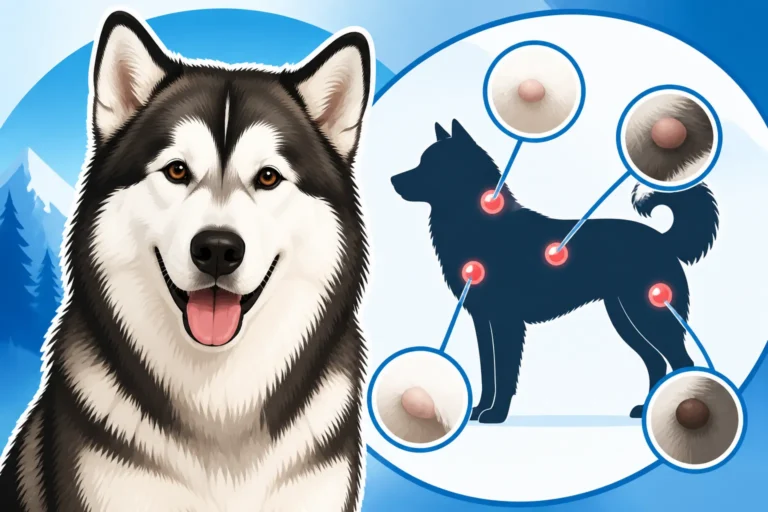
In Alaskan Malamutes, chondrodysplasia is an inherited autosomal recessive disorder. This means a puppy must inherit two copies of the defective gene – one from each parent – to be affected. If a puppy inherits only one copy, it becomes a carrier and won't show symptoms but can pass the gene on. This genetic hiccup primarily affects the long bones, leading to disproportionately short limbs. While a dwarf Malamute puppy might look normal at birth, the difference in leg length usually becomes apparent between four and eight weeks of age, with The Week a Dwarf Malamute's Legs Fall Behind. Beyond the obvious short legs, affected Malamutes can also exhibit other skeletal abnormalities like bowed front legs, enlarged joints, and broader, flatter skulls. It's a fundamental error in how the cartilage develops and ossifies into bone, leading to abnormal growth plates and bones that simply don't reach their intended length. This isn't just a cosmetic difference; it impacts their entire musculoskeletal system.
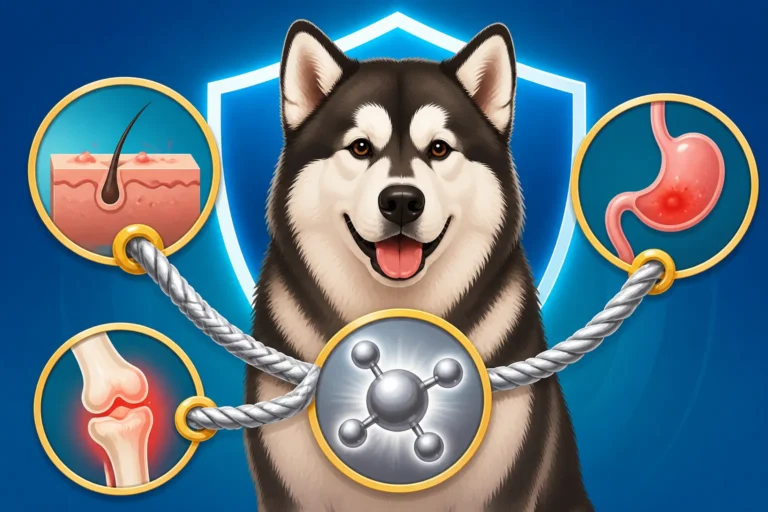
The core issue lies in the body's inability to properly absorb zinc, a critical trace mineral essential for normal cartilage and bone development. This is why Zinc Is the Thread Running Through Three Malamute Diseases in the breed. This impaired zinc metabolism isn't just a side effect; it's a direct cause of the skeletal malformations seen in chondrodysplastic Malamutes. Without adequate zinc, the growth plates, which are responsible for the lengthening of bones, cannot function correctly. This leads to the characteristic shortened and often deformed limbs. Understanding this underlying metabolic issue is crucial for appreciating the broader health implications beyond just their stature.
How Chondrodysplasia Impacts Overall Health
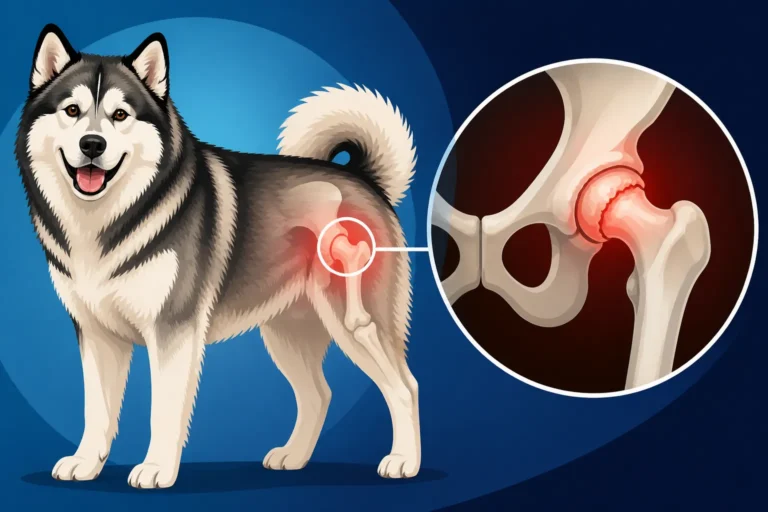
The effects of chondrodysplasia extend far beyond just making a Malamute shorter. The abnormal bone development can lead to a cascade of secondary health issues. These dogs are prone to conditions like early-onset arthritis due to the uneven stress placed on their joints. Their gait might be altered, leading to compensatory movements that strain muscles and ligaments. You might notice Whether a Dwarf Malamute Has Bowed Front Legs, which can further exacerbate joint problems and discomfort. It's a constant challenge for their bodies to move efficiently when their structure isn't quite right.
Beyond skeletal issues, the impaired zinc absorption can also contribute to other health concerns. While dwarfism itself doesn't typically cause anemia, some dwarf Malamutes may present with lower red blood cell counts, though this is less common than the dermatological issues associated with general zinc deficiency, known as zinc-responsive dermatosis. Furthermore, the overall vitality of these dogs can sometimes be lower, making them more susceptible to other illnesses if their diet and environment aren't meticulously managed. It’s a holistic challenge, requiring vigilance and a deep understanding of the breed's unique needs. This isn't just about managing a physical difference; it's about navigating a complex health profile.
The Impact of Dwarfism on Lifespan
The most pressing question for any owner of a dwarf Malamute is, understandably, about their lifespan. It's a common misconception that any genetic condition automatically means a significantly shortened life. With chondrodysplasia, the answer is nuanced, depending heavily on the severity of the condition and, crucially, the quality of care provided.
Direct Effects on Longevity
The good news is that chondrodysplasia itself, while a serious condition, does not inherently or directly cause a shortened lifespan. Unlike some other genetic disorders that affect vital organs or cause progressive neurological decline, dwarfism in Malamutes primarily impacts the skeletal system and zinc absorption. This means that a dwarf Malamute is not doomed to a shorter life simply because of their stature. Many dwarf Malamutes, with proper care and management, can live full and happy lives, potentially reaching an age comparable to their non-dwarf counterparts. The typical lifespan for an Alaskan Malamute ranges from The Ten to Fourteen Years an Alaskan Malamute Lives, and a dwarf Malamute has the potential to fall within this range.
However, it's critical to understand that the associated health complications can indirectly impact longevity if not managed effectively. Conditions like severe arthritis, chronic pain, and mobility issues can drastically reduce a dog's quality of life and, in extreme cases, may necessitate difficult decisions. Therefore, the key to a normal lifespan for a dwarf Malamute lies not in the absence of the condition, but in the diligent and proactive management of its effects. This means regular veterinary check-ups, appropriate medication, and a living environment tailored to their specific needs. It's a commitment, but one that many dedicated Malamute owners are more than willing to make.
Management of Associated Health Challenges
Managing the health challenges that come with chondrodysplasia is paramount to ensuring a dwarf Malamute lives a long and comfortable life. The primary focus is often on joint health and mobility. This typically involves a multi-faceted approach. Your veterinarian might recommend anti-inflammatory medications, pain relief, and joint supplements like glucosamine and chondroitin to mitigate the effects of early-onset arthritis. Physical therapy, hydrotherapy, and controlled exercise programs can also be incredibly beneficial in maintaining muscle strength and flexibility, preventing stiffness, and improving overall mobility.
Beyond musculoskeletal support, addressing the underlying zinc absorption issue is crucial. Many dwarf Malamutes require lifelong zinc supplementation, as Whether Zinc Supplements Help a Dwarf Malamute. This isn't a one-size-fits-all solution; the dosage needs to be carefully monitored by a vet to avoid zinc toxicity while ensuring adequate levels. Regular blood tests may be necessary to fine-tune supplementation. When you consider these potential long-term care needs, having a robust pet insurance plan, like those offered by Healthy Paws, can be an absolute lifesaver, helping to cover the costs of ongoing medications, therapies, and specialist consultations. It's about being prepared for what might come and ensuring you can provide the best care without financial stress.
Common Health Challenges and Management Strategies
| Health Challenge | Impact on Dwarf Malamute | Management Strategies |
|---|---|---|
| Arthritis/Joint Pain | Early onset, reduced mobility, chronic discomfort | Anti-inflammatory drugs (NSAIDs), pain medication, joint supplements (glucosamine, chondroitin), physical therapy, controlled low-impact exercise, weight management. |
| Mobility Issues | Difficulty navigating stairs, jumping, prolonged activity | Ramps, orthopedic beds, non-slip flooring, assistive devices (e.g., harnesses), modified exercise routines. |
| Zinc Deficiency | Impaired bone/cartilage development, skin issues | Lifelong zinc supplementation (under vet guidance), specialized diet, regular blood tests to monitor zinc levels. |
| Obesity | Exacerbates joint issues, strains skeletal system | Strict dietary control, careful calorie intake monitoring, regular, appropriate exercise. |
| Secondary Infections | Skin infections due to poor skin health from zinc issues | Medicated shampoos, antibiotics if needed, addressing underlying zinc deficiency. |
| Dental Problems | Can be a co-morbidity in some forms of dwarfism | Regular dental check-ups, professional cleanings as needed, at-home dental care. |
| Overall Vitality/Energy | Can be lower, requires careful monitoring of activity | Tailored exercise, balanced nutrition, ensuring comfortable rest, prompt vet attention for any signs of illness. A good pet insurance plan from a provider like Healthy Paws can help manage the costs of continuous care and monitoring. |
Providing a Quality Life for a Dwarf Malamute
Ensuring a dwarf Malamute lives a long and happy life isn't just about managing symptoms; it's about creating an environment where they can thrive, physically and emotionally. It requires a thoughtful approach to daily living, specific care routines, and a strong partnership with your veterinary team. These dogs are incredibly resilient and loving, and they deserve every chance to experience life to the fullest.
Specific Care and Environmental Adjustments
Living with a dwarf Malamute means making some thoughtful adjustments to your home and routine. Their shorter limbs mean that jumping onto furniture, climbing stairs, or even navigating slick floors can be challenging and potentially harmful to their joints. Providing ramps for access to couches and beds, or even blocking off stairs, can prevent injuries and reduce strain. Non-slip rugs on hard floors are a must to give them better traction. You might find that What a Malamute Owner Spends Proofing a House becomes a significant part of your initial investment, but it’s invaluable for their long-term well-being.
Exercise needs must also be carefully considered. While Malamutes are known for their endurance and love for Pulling Is the Only Job an Alaskan Malamute Really Wants, a dwarf Malamute will have different capabilities. Intense, high-impact activities should generally be avoided. Instead, focus on controlled, low-impact exercise like swimming, short walks on soft surfaces, or gentle play sessions. Keeping them at a healthy weight is absolutely crucial, as extra pounds put undue stress on their already compromised joints. Even with the best care, it’s important to remember that they are still Malamutes at heart and need mental stimulation and companionship. Their independent spirit means they still need a job, even if that job is just being your beloved, well-cared-for companion.
Proactive Veterinary Care and Support
A strong, ongoing relationship with your veterinarian is perhaps the most critical component of caring for a dwarf Malamute. These dogs benefit immensely from proactive, preventative care rather than simply reacting to problems as they arise. Regular check-ups, ideally every six months, allow your vet to monitor their joint health, assess their overall condition, and adjust any ongoing treatments or supplements. This is especially important for managing their zinc supplementation; What Zinc Testing Costs a Malamute Owner can be a recurring expense, but it's essential for proper dosage.
You'll want to discuss a comprehensive wellness plan that includes dietary recommendations, appropriate exercise guidelines, and pain management strategies before discomfort becomes severe. Don't hesitate to seek out specialists if needed; a veterinary orthopedist or a nutritionist can provide invaluable insights tailored to your dog's specific needs. Investing in pet insurance, such as a plan from Healthy Paws, can significantly ease the financial burden of chronic care, allowing you to focus on getting your Malamute the best possible treatment without worrying about prohibitive costs. With a dedicated veterinary team and a prepared owner, a dwarf Malamute can indeed enjoy a rich, fulfilling life.
Disclaimer
The information provided in this article is for general informational purposes only and is not intended as a substitute for professional veterinary advice. Always consult with a qualified veterinarian for any health concerns or before making any decisions related to your pet's health and treatment.