Whether a Polyneuropathy Malamute Has a High Stepping Gait
It's incredibly unsettling when your beloved Alaskan Malamute starts moving differently, and you can't quite put your finger on what's wrong. You notice a slight hesitation, perhaps a clumsiness that wasn't there before, and then maybe a strange, exaggerated lift of their front paws. This guide is here to shed light on whether a high-stepping gait is indeed a symptom of polyneuropathy in Malamutes, offering clarity and empathy for owners navigating these challenging waters.
Understanding Polyneuropathy in Alaskan Malamutes
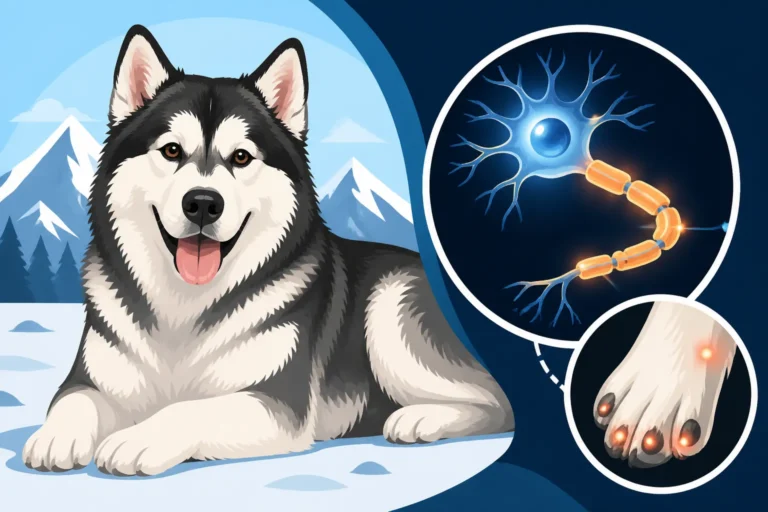
When we talk about polyneuropathy, it’s not just a fancy vet term; it’s a genetic condition that strikes at the very heart of how your Malamute's nervous system communicates with its muscles. This inherited disorder is progressive, meaning it tends to worsen over time, and it specifically targets the peripheral nerves – those critical pathways that carry messages from the brain and spinal cord to the rest of the body. Imagine a complex electrical system where some wires are slowly fraying; the signals become weaker, slower, or even completely disrupted. This leads to a range of symptoms, most notably muscle weakness and eventual atrophy.
What is Inherited Polyneuropathy?
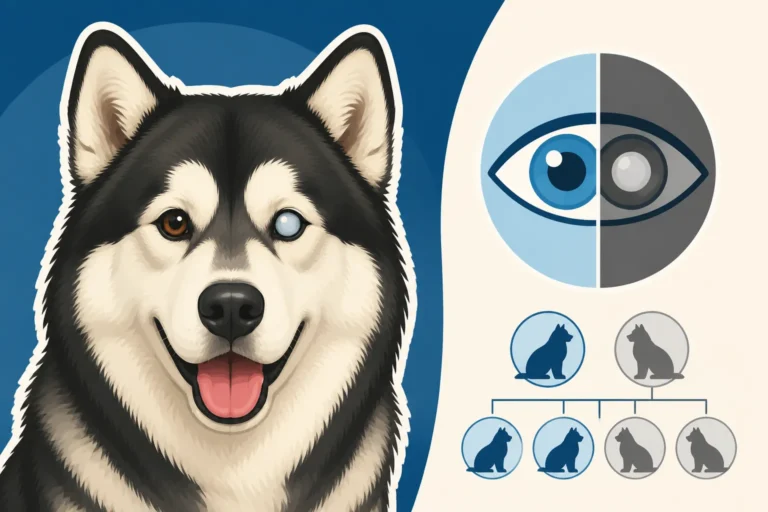
Inherited polyneuropathy in Alaskan Malamutes is a specific form of neuropathy passed down through generations. It's an autosomal recessive condition, which means a puppy must inherit a copy of the faulty gene from both parents to develop the disease. If they only get one copy, they're a carrier, perfectly healthy but capable of passing the gene on. The disease typically manifests in young adult Malamutes, often between one and two years of age, though symptoms can sometimes appear earlier or later. It's a cruel twist of fate for these magnificent dogs, as it slowly diminishes their strength and coordination.
The impact of this nerve damage is widespread. Because the nerves are responsible for everything from muscle movement to sensory perception, their deterioration can lead to a host of issues. Dogs might struggle with balance, find it hard to stand up, or lose muscle mass, especially in their hindquarters. It's a condition that truly speaks to the genetic vulnerabilities within a breed, highlighting why understanding the health history of your dog, or a puppy you're considering, is so vital. This slow, often heartbreaking decline is a stark reminder of the importance of responsible breeding practices and genetic testing.
Common Symptoms Beyond Gait Changes
While a distinctive gait is often a hallmark sign, polyneuropathy in Malamutes isn't limited to just how they walk. Owners often observe a range of other troubling symptoms that can start subtly and become more pronounced as the disease progresses. One of the earliest and most heartbreaking signs can be a change in their bark. It might become hoarse, weaker, or even completely lost, which is directly related to the nerve damage affecting the laryngeal muscles. If you've ever heard your Malamute's characteristic "woo-woo," losing that unique vocalization can be a profound change. You can learn more about Why a Malamute's Bark Changes With Polyneuropathy.
Beyond vocal issues, muscle wasting is another significant symptom. You might notice your Malamute's muscles, particularly in their hind legs and shoulders, start to diminish, making them appear thinner and less robust, even if their appetite hasn't changed. This muscle atrophy contributes heavily to exercise intolerance; a dog that once loved long hikes or pulling a sled may suddenly tire very quickly or refuse to move much at all. They might stumble frequently, struggle with stairs, or have difficulty jumping into the car. In advanced stages, breathing and swallowing can become compromised due to the involvement of nerves controlling these vital functions, leading to potential aspiration pneumonia or severe respiratory distress. It's crucial to be aware that What Inherited Polyneuropathy Does to a Malamute is comprehensive and insidious, impacting many aspects of their physical well-being. The disease doesn't just affect their mobility; it can truly undermine their entire quality of life. Owners are often in a difficult position, trying to balance their dog's desire to be active with the physical limitations imposed by the condition.
The Distinctive Gait of a Polyneuropathy Malamute
Now, let's zero in on the specific gait anomaly that often brings owners to this topic: the high-stepping walk. This isn't just a slight limp or an awkward shuffle; it's a very particular way of moving that, once you recognize it, is hard to unsee. It’s one of the more visually striking signs of polyneuropathy and can be incredibly concerning for anyone who knows their Malamute’s usual powerful stride.
Describing the "High-Stepping" or "Goose-Stepping" Gait
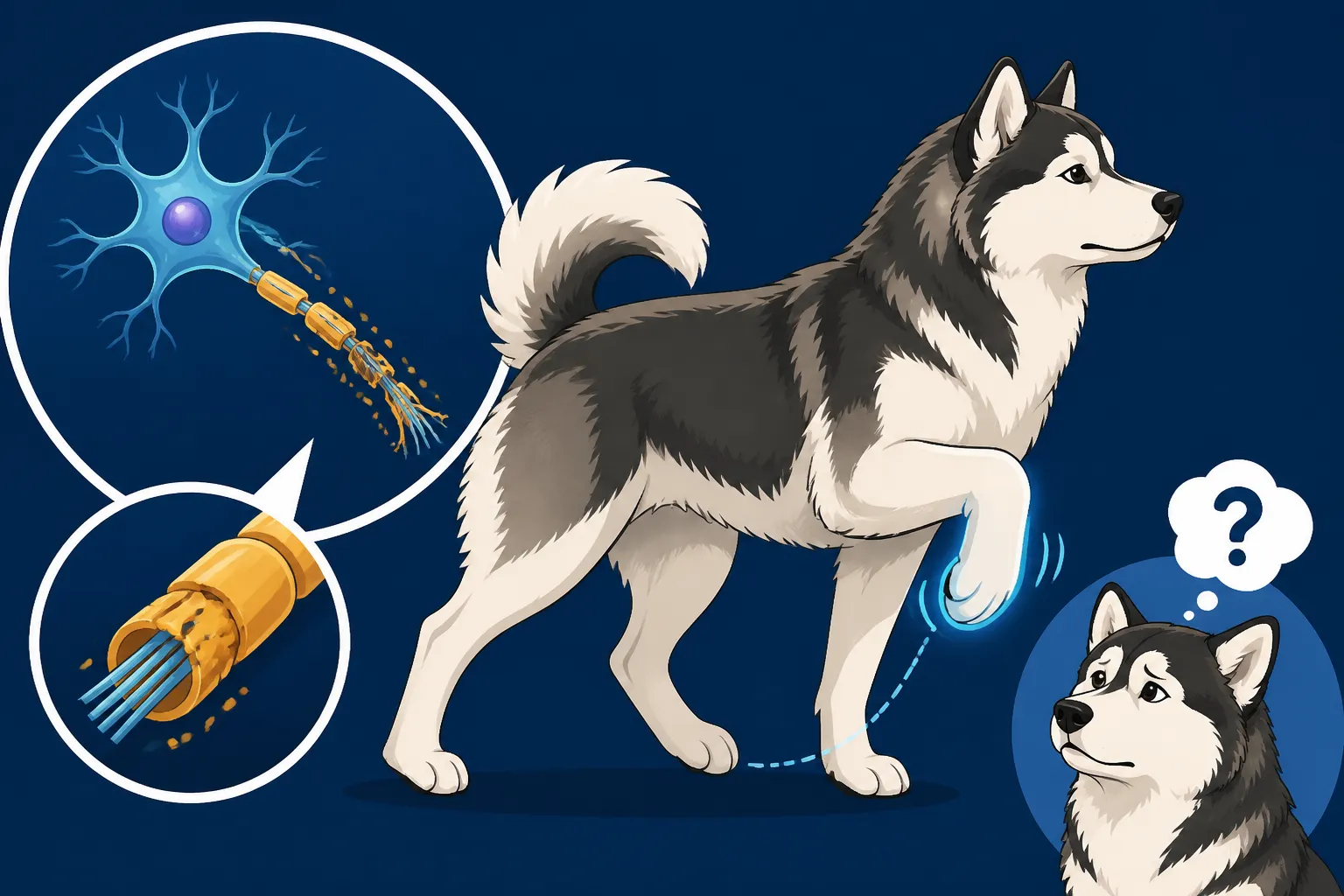
When an Alaskan Malamute develops polyneuropathy, one of the most common and noticeable changes in their movement is what’s often described as a "high-stepping" or "goose-stepping" gait. Imagine your dog lifting its front paws much higher than necessary with each step, almost as if marching. It’s an exaggerated flexion of the hip and knee, often seen more prominently in the front limbs, but it can affect all four. This isn't a deliberate show of flair; it's a compensatory mechanism driven by two primary issues: proprioceptive deficits and muscle weakness.
Proprioception is your dog's sense of where its body parts are in space without looking. Think about walking in the dark; you still know where your feet are. When peripheral nerves are damaged by polyneuropathy, these crucial proprioceptive signals become disrupted. Your Malamute's brain isn't receiving accurate feedback about where its feet are landing. To counteract this uncertainty and avoid tripping, they instinctively lift their paws much higher. It's like trying to navigate uneven terrain in the dark – you'd lift your feet high to make sure you clear any obstacles. The muscle weakness, particularly in the distal parts of the limbs (the lower legs and paws), also plays a role. Weakness makes it harder to properly extend the paw and place it accurately, further encouraging this exaggerated lift. This combination results in that distinctive, almost robotic, high-stepping motion. It's a sad but clear indicator that their nervous system is struggling to coordinate normal movement. This can be seen especially as The Age Polyneuropathy Appears in a Malamute around 12-18 months.
Differentiating from Other Gait Issues
It’s easy to see any change in a Malamute's gait and jump to conclusions, especially when there are so many potential causes for lameness or awkward movement. However, the high-stepping gait associated with polyneuropathy has some distinct characteristics that help differentiate it from other common orthopedic or neurological problems. For instance, conditions like Hip Dysplasia in an Alaskan Malamute or elbow dysplasia primarily affect the joints. A dog with hip dysplasia might exhibit a "bunny hop" gait, favoring both hind legs simultaneously, or a noticeable limp, often with pain on palpation of the hip joint. Their stride might be shortened, and they'll likely show reluctance to jump or use stairs, but they won't typically lift their front paws in that exaggerated high-stepping manner.
Similarly, older Malamutes often develop Arthritis in an Older Alaskan Malamute. This can lead to stiffness, a slower pace, and reduced range of motion, particularly in cold weather or after rest. They might have difficulty rising, but again, the movement is more about stiffness and pain inhibition rather than the specific high-stepping action we see with polyneuropathy. Injuries, such as a sprain or a torn cruciate ligament, will usually result in acute lameness, often localized to one limb, and will be associated with sudden onset and often clear signs of pain.
The key differentiator with polyneuropathy's gait is that it's often bilaterally symmetrical (affecting both sides similarly, even if one side seems worse) and progressive. It’s a neurological clumsiness rather than an orthopedic pain response. While a thorough veterinary examination is always necessary to pinpoint the exact cause of any gait change, recognizing the unique "goose-step" can help your vet narrow down the possibilities. Remember, an accurate diagnosis is the first crucial step toward providing the best possible care for your Malamute.
Diagnosing and Managing Polyneuropathy
Facing a potential diagnosis of polyneuropathy can be daunting, but understanding the diagnostic journey and the available management strategies can help you feel more empowered. It’s a road many Malamute owners walk, and you’re not alone in seeking answers and ways to help your furry companion.
The Diagnostic Process for Suspected Polyneuropathy
When you first notice those concerning changes in your Malamute's gait or other symptoms, your first stop should always be your veterinarian. They will begin with a thorough physical and neurological examination. This isn't just a quick once-over; it involves assessing reflexes, muscle tone, proprioception (how well your dog knows where its paws are), and observing their gait in detail. They might watch your Malamute walk, trot, turn, and even try to climb stairs to fully evaluate their movement patterns.
If polyneuropathy is suspected, your vet will likely recommend further testing. A muscle biopsy is often a key diagnostic tool. This involves taking a small sample of muscle tissue, usually from a hind leg, under sedation or anesthesia, which is then examined by a veterinary pathologist. They look for specific changes in the muscle fibers and nerves that are characteristic of polyneuropathy. Electromyography (EMG) and nerve conduction velocity (NCV) studies might also be performed. These tests measure the electrical activity in muscles and the speed at which nerves conduct impulses, revealing if there's nerve damage and how severe it is. However, the most definitive test, especially for inherited polyneuropathy in Malamutes, is a genetic DNA test. This simple cheek swab or blood test can identify the specific genetic mutation responsible for the condition. It's a game-changer for diagnosis, allowing for a clear answer and providing critical information for breeding programs. You can find more information about The DNA Test That Finds Malamute Polyneuropathy and how accessible it has become.
Living with a Polyneuropathy Malamute
Discovering your Malamute has polyneuropathy is tough news, as there's currently no cure for this progressive genetic condition. However, a diagnosis doesn't mean giving up. It means shifting focus to supportive care and managing their quality of life. The goal is to keep your Malamute as comfortable and mobile as possible for as long as possible. This often involves a multi-faceted approach, tailored to your individual dog's progression.
Physical therapy can play a huge role. Gentle exercises, controlled leash walks, hydrotherapy (swimming or underwater treadmill), and stretching can help maintain muscle mass, improve coordination, and prevent muscle contractures. Environmental modifications around the home are also crucial. Think about making their living space safer and easier to navigate. Non-slip rugs on slick floors can prevent slips and falls, ramps can replace stairs for getting in and out of the car or accessing elevated areas, and orthopedic beds can provide comfortable support for their joints and muscles. Some owners might find slings helpful for assisting their Malamute with standing or walking, especially on bad days.
Nutrition also plays a part, ensuring they receive a balanced diet to support muscle health, and some vets might suggest certain supplements to aid nerve function, though their efficacy can vary. Regular vet check-ups are essential to monitor the disease's progression, adjust management strategies, and address any secondary issues, such as aspiration pneumonia if swallowing becomes difficult. It's important to understand that Whether a Polyneuropathy Malamute Gets Worse is generally yes, but the rate of progression varies. While the disease won't disappear, intervention can help slow down its impact and enhance daily living. The emotional toll on owners is real, and seeking support from breed-specific groups or online communities can provide invaluable advice and understanding. When considering the ongoing costs of these specialized treatments and aids, it’s worth noting that pet insurance providers like Healthy Paws can be a significant help for unexpected illnesses and long-term care, though it's always best to have coverage in place before a diagnosis. Understanding Whether a Polyneuropathy Malamute Can Be Treated means understanding ongoing supportive measures rather than a cure.
The Importance of Responsible Breeding and Testing
For a breed like the Alaskan Malamute, where inherited conditions like polyneuropathy exist, responsible breeding and thorough genetic testing are absolutely paramount. It's not just about producing beautiful puppies; it's about safeguarding the future health and vitality of the entire breed.
Genetic Basis and Breeding Practices
Inherited polyneuropathy in Alaskan Malamutes follows an autosomal recessive inheritance pattern. What this means in plain language is that a dog only develops the disease if it inherits two copies of the specific faulty gene – one from its mother and one from its father. If a dog inherits only one copy of the gene, it's considered a "carrier." Carriers are completely healthy themselves; they don't show any symptoms of polyneuropathy, which is why the gene can quietly persist in the gene pool for generations. However, if two carriers are bred together, there's a 25% chance with each puppy that it will inherit two copies of the faulty gene and thus develop polyneuropathy.
This understanding is why genetic testing is so crucial for any responsible breeder. A simple DNA test, often done via a cheek swab or blood sample, can definitively identify if a dog is clear (has no copies of the gene), a carrier (has one copy), or affected (has two copies and will develop the disease). With this information, breeders can make informed decisions to avoid producing affected puppies. The ideal practice is to breed clear dogs to clear dogs. However, if a breeder has a valuable dog that is a carrier and wants to preserve its other excellent traits, they can still breed it, but only to a dog that has been tested and confirmed as "clear." This way, no puppy will ever receive two copies of the faulty gene. All offspring from a carrier x clear pairing will either be clear or carriers themselves, but none will be affected. This practice helps ensure that Whether Both Malamute Parents Must Carry Polyneuropathy is understood, as it's a fundamental aspect of controlling the disease. Knowing Whether a Carrier Malamute Shows Any Signs (they don't) further underscores the necessity of genetic screening.
Asking the Right Questions When Getting a Puppy
When you’re eagerly anticipating bringing an Alaskan Malamute puppy into your home, it’s natural to focus on their cuteness and playful antics. However, as prospective owners, it’s your responsibility, and truly in your best interest, to ask thorough questions about the parents' health testing. This isn't being intrusive; it's being a diligent future owner. A reputable breeder will welcome these questions and readily provide verifiable documentation.
Specifically, you should ask to see proof of genetic testing for both the mother and father of the litter. For polyneuropathy, this means seeing results that show both parents are either "clear" or, if one parent is a "carrier," that the other parent is "clear." Don't just take their word for it; ask for copies of the official test results from a reputable laboratory. This proactive approach helps ensure that your puppy has the best possible start in life and reduces the risk of heartbreaking genetic conditions. Beyond polyneuropathy, breeders should also be testing for other common Malamute health concerns, such as hip and elbow dysplasia, and eye conditions. You can delve deeper into The Health Tests Both Alaskan Malamute Parents Should Have to prepare your questions. Furthermore, when considering the long-term health and potential veterinary costs, understanding a puppy’s genetic background is crucial for future financial planning. While Healthy Paws, for example, offers excellent pet insurance, most policies won't cover pre-existing conditions. Therefore, knowing about potential genetic predispositions before you even bring your puppy home means you can secure coverage that might otherwise be unavailable for these conditions later down the line. It's about empowering yourself with knowledge to protect your future companion.
| Gait Issue | Primary Cause | Typical Presentation | High-Stepping Gait? | Other Key Indicators |
|---|---|---|---|---|
| Polyneuropathy | Genetic nerve degeneration | Exaggerated high lift of paws, often forelimbs, general clumsiness, stumbling | YES | Voice changes, muscle wasting, exercise intolerance, difficulty breathing |
| Hip Dysplasia | Malformed hip joints | "Bunny hopping" gait, swaying hindquarters, reluctance to jump/climb, pain in hips | NO | Pain on hip palpation, difficulty rising, stiffness after rest |
| Arthritis | Joint inflammation/degeneration | Stiffness (especially after rest/cold), shortened stride, lameness, reluctance to move | NO | Joint swelling, pain on movement, reduced activity |
| Cruciate Ligament Tear | Injury to knee ligament | Sudden lameness in one hind leg, holding leg up, "toe-touching" gait | NO | Acute onset, often specific to one limb, swelling in knee |
| Spinal Cord Issues | Compression or damage to spinal cord | Weakness, ataxia (uncoordinated movement), knuckling over, paralysis, often hind limbs first | NO (usually) | Dragging paws, loss of sensation, incontinence, severe neurological deficits |
Disclaimer
The information provided in this article is for educational and informational purposes only, and does not constitute veterinary advice. Always consult with a qualified veterinarian for any health concerns or before making any decisions about your pet's health and treatment.