Whether a Malamute’s Zinc Lesions Come Back
You spent weeks watching your Alaskan Malamute suffer through raw, crusty patches around their eyes and muzzle. You worked closely with your veterinarian, started a daily zinc supplement, and finally watched that thick Arctic coat grow back. Then, just as you thought the battle was won, you spot a familiar red flake on the bridge of their nose.
The short answer is yes: an Alaskan Malamute’s zinc lesions can—and frequently do—come back. Because Zinc Responsive Dermatosis in an Alaskan Malamute is almost always an inherited metabolic defect rather than a temporary dietary shortage, managing it is a lifelong commitment rather than a one-time fix. When lesions return, it usually means something has disrupted your dog’s delicate metabolic balance, whether that is a change in diet, stress, fluctuating hormone levels, or an underlying issue with intestinal absorption. Understanding why these flare-ups happen, how to spot the earliest warning signs, and how to adjust your care routine is the key to keeping your dog comfortable and fully coated for life.
Why Alaskan Malamute Zinc Lesions Recur
Few things are more disheartening for a dog owner than seeing cleared skin break down into crusts again. To understand why zinc lesions return, you have to look at how a Malamute processes nutrients. Unlike breeds that develop skin issues purely from low-quality diets, Northern breeds suffer from a genetically driven inability to efficiently absorb zinc through the intestinal wall.
Even when a dog appears completely healed, their underlying genetic machinery remains unchanged. The body relies on a continuous, uninterrupted supply of bioavailable zinc to maintain normal skin cell turnover, support mucosal barriers, and keep the immune system stable. The moment the internal balance shifts, skin integrity breaks down rapidly.
The Genetic Basis of Intestinal Malabsorption
In healthy dogs, specialized transport proteins in the small intestine grab zinc from digested food and move it into the bloodstream. In Alaskan Malamutes affected by Type I Zinc-Responsive Dermatosis, these transport mechanisms are defective. The gut simply lets a massive percentage of dietary zinc pass straight through unabsorbed.
When you start supplement therapy, you are essentially overloading the gut with high doses so that enough zinc diffuses across the intestinal membrane through sheer volume. However, this creates a narrow margin for error. If the supplement dose drops slightly, or if the gut becomes inflamed, the amount of zinc entering the bloodstream drops below the threshold needed for healthy skin regeneration.
Environmental and Physiological Relapse Triggers
A Malamute who has been in full remission for years can suddenly experience a breakout due to internal or external stressors. Physiological stress consumes systemic zinc at an accelerated rate because the body diverts available zinc away from skin maintenance to support immune function and cellular repair.
Common real-world triggers for a relapse include:
* Hormonal Fluctuations: Intact females often experience flare-ups during heat cycles or pregnancy, while young males may flare during adolescent growth spurts.
* Dietary Changes: Switching kibble brands, introducing high-calcium treats, or feeding foods rich in cereal grains can suddenly block zinc absorption.
* Gastrointestinal Upset: Bouts of diarrhea or chronic gut inflammation reduce the surface area available for nutrient absorption.
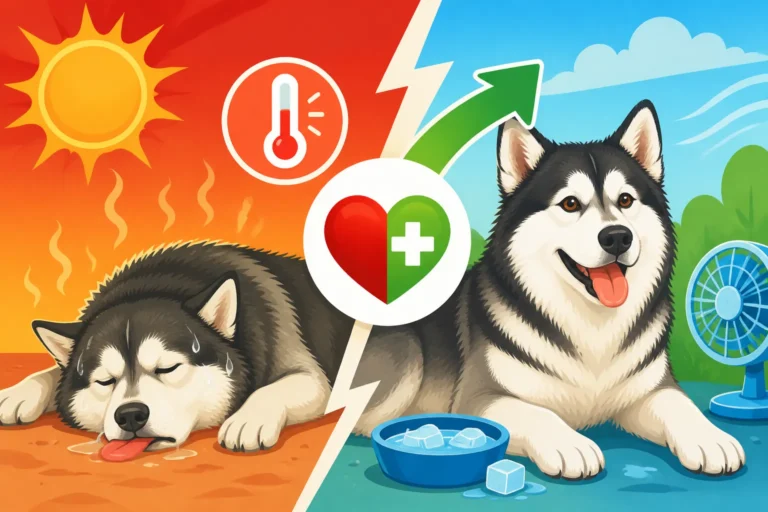
* Seasonal Weather Shifts: The dry air of winter or extreme summer heat can stress the cutaneous barrier, making skin more susceptible to breaking down when zinc levels dip.
Distinguishing a True Zinc Flare-Up from Secondary Infections
One major frustration for owners is figuring out whether returning lesions are caused by a true zinc drop or a secondary skin infection. Damaged, zinc-deficient skin is a breeding ground for opportunistic bacteria and Malassezia yeast.
When zinc levels fall, the skin loses its protective lipid layer, creating microscopic cracks. Bacteria and yeast invade these micro-fissures, causing intense itching, a sweet or corn-chip odor, and sticky exudate. Sometimes, the zinc level itself is adequate, but a persistent bacterial infection is preventing the skin from healing. In other cases, an active infection drains the local skin tissues of zinc, triggering localized lesions even if systemic levels seem stable. A quick vet visit for a skin scraping and impression cytology is usually necessary to figure out which issue needs targeting first.
| Trigger Category | Specific Factor | Impact on Zinc Status |
|---|---|---|
| Dietary | Excess Calcium or Phytates | Binds to dietary zinc in the gut, forming insoluble complexes that cannot be absorbed. |
| Hormonal | Heat cycles, growth spurts, neutering | Increases metabolic demand for zinc, diverting it from skin turnover to tissue building. |
| Gastrointestinal | Intestinal parasites, dysbiosis, diarrhea | Damages intestinal mucosa, impairing the already compromised transport mechanism. |
| Environmental | Extreme cold, low humidity, coat blowing | Increases mechanical stress on skin; heavy shedding demands massive zinc reserves for hair growth. |
Identifying Early Signs of a Zinc Dermatosis Flare-Up
Catching a recurrence early saves your Malamute from widespread discomfort and saves you from months of intensive recovery work. Knowing What Zinc Responsive Dermatosis Looks Like on a Malamute during its initial stage allows you to intervene before deep crusts form and secondary bacterial infections take hold.
Most owners do not notice the first signs of a relapse because the dense Malamute plush coat hides early skin changes. By the time thick scab-like crusts fall off with clumps of fur attached, the underlying tissue has been inflamed for weeks.
Key Locations Where Lesions Reappear First
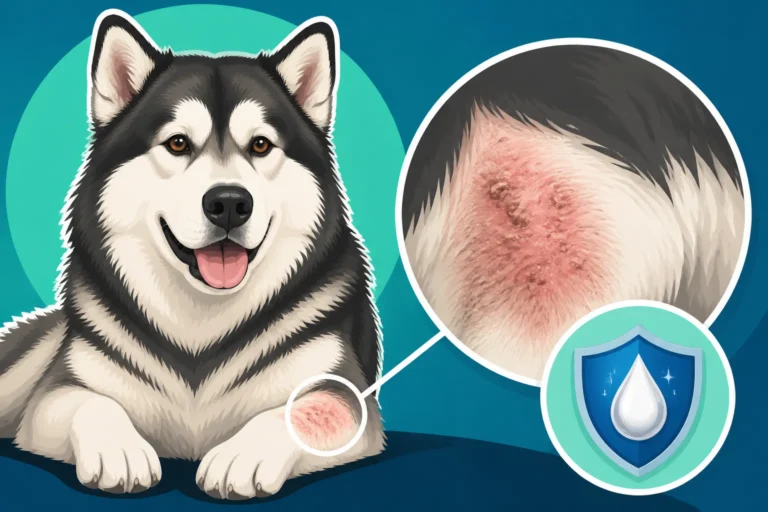
Knowing Where a Malamute’s Zinc Lesions Appear First gives you a massive advantage in daily grooming routines. The lesions almost always target hairless or thin-haired transition zones where skin meets mucous membranes, as well as high-friction pressure points.
Inspect these primary target zones weekly:
1. Muzzle and Chin: Look for redness, flaking, or small dry cracks along the lips and the top of the muzzle. Pay attention to Whether a Malamute’s Muzzle Crusts First, as this is frequently the very first site of recurrence.
2. Periocular Region: Check the sensitive skin surrounding the eyes. You might wonder Whether a Malamute Loses Hair Around Its Eyes during a mild flare; early signs often present as thin, spectacle-like rings of hair loss and fine, silver flaking.
3. Footpads and Paws: Look between the toes and around the pad margins. Zinc-deficient pad tissue becomes hyperkeratotic, meaning it thickens, cracks, and feels coarse, like dry brushes.
4. Pressure Points: Check the points of the elbows and hocks. These areas often show dry, thickened patches of skin that look like rough calluses before they begin to crust.
Behavioral and Coat Changes Before Visible Lesions
Before you see physical crusts, your dog’s behavior and overall coat condition will often signal an impending flare. A zinc drop affects the nervous system and coat texture well before full-scale skin breakdown occurs.
Watch for subtle warning signs such as sudden dullness in the guard coat. The normally harsh, weather-resistant outer coat may feel dry, brittle, or straw-like to the touch. You might also notice localized itching; while zinc dermatosis is not inherently as itchy as food allergies, secondary yeast overgrowth makes dogs rub their muzzles against furniture or scratch obsessively at their eyes. Mild lethargy or a sudden picky appetite can also indicate that your dog’s body is struggling with systemic zinc depletion.
Long-Term Management and Preventing Recurrence
Managing a prone Malamute requires a steady balance of proper supplementation, dietary control, and reliable veterinary care. Because this is a life-long metabolic issue, treatment is never really finished. Learning How a Malamute’s Zinc Deficiency Is Treated over the long haul means mastering the subtle adjustments required as your dog ages.
Dietary Adjustments and Absorption Blockers
Dietary composition plays an enormous role in whether zinc lesions stay away or come creeping back. Many commercial dog foods contain ingredients that actively interfere with zinc absorption. Even high-protein, premium kibbles can pose hidden risks if they are formulated with excessive mineral levels or heavy grain fillers.
Phytates—compounds found in plant material like soy, corn, wheat, and legumes—bind tightly to zinc in the digestive tract, forming an insoluble complex that passes right out in the stool. High levels of dietary calcium pose a similar problem. Knowing Whether Calcium Blocks a Malamute’s Zinc Absorption helps you avoid feeding high-calcium toppers like cheese, yoghurt, or bone meal, which can inadvertently shut down zinc transport in the gut.
When evaluating your dog’s diet:
* Avoid foods heavily reliance on plant-based proteins, legumes, or cereal grains.
* Look for meat-first formulations with moderate, balanced calcium-to-phosphorus ratios.
* Be cautious with high-fiber diets, as fast intestinal transit time reduces nutrient exposure to gut walls.
* Evaluate Whether Changing Food Fixes a Malamute’s Zinc Deficiency on its own; while a cleaner diet helps, most affected Malamutes still require direct elemental zinc supplementation regardless of what food they eat.
Dosing Consistency and Life-Stage Adjustments
Consistency is the single most critical factor in keeping zinc lesions from returning. Skipping doses for even a few days can deplete tissue reserves, especially during seasonal shedding or stressful events.
Finding Which Zinc Supplement Suits a Malamute often requires some initial trial and error under veterinary supervision. Common options include zinc sulfate, zinc gluconate, zinc methionine, and amino acid chelates. Methionine and chelated forms are generally considered easier on the stomach and offer superior bioavailability compared to inorganic salts like zinc oxide, which is poorly absorbed and frequently causes severe stomach upset.
Remember that dosing requirements fluctuate throughout a dog’s life:
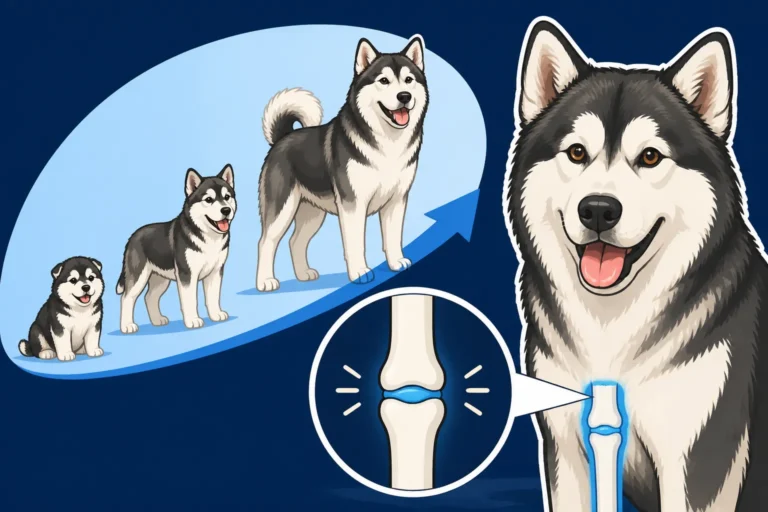
* Adolescence: Rapid skeletal growth requires high zinc input, often making teenagerhood the hardest time to maintain clear skin.
* Coat Blow Season: The body expends massive nutrient reserves to grow an entirely new undercoat, often requiring a temporary supplement increase.
* Senior Years: Aging gut mucosa becomes less efficient, meaning older dogs may need higher doses or more bioavailable forms to achieve the same systemic absorption.
Always consult your veterinarian before adjusting doses, as excessive zinc can cause serious iron and copper deficiencies or stomach ulceration.
Managing Veterinary Care and Chronic Expenses
Because Zinc Responsive Dermatosis requires long-term oversight, diagnostic testing, and periodic prescription adjustments, vet visits can quickly add up over a dog’s lifetime. Routine blood work, skin scrapings, bacterial cultures, and potential skin biopsies are standard tools for managing recurring flare-ups.
Having a robust financial safety net is essential for managing lifelong health conditions without stress. Providers like Healthy Paws offer pet insurance coverage options that can help cushion the financial impact of recurring diagnostic workups, skin infections, and prescription therapies. When working with a chronic condition, securing coverage through Healthy Paws early in your dog’s life—before official diagnosis markers appear in medical records—ensures that covered flare-ups and secondary dermatological complications do not drain your savings.
Having comprehensive protection through Healthy Paws allows you to immediately pursue diagnostic tests when you spot a relapse, rather than taking a wait-and-see approach that permits skin lesions to worsen. Knowing that diagnostic skin scraping, allergy testing, and chronic illness management are backed by Healthy Paws gives you the freedom to focus entirely on your dog’s comfort and recovery.
Daily Skin Care Protocol for Prone Malamutes
While oral supplements work from the inside out, a strong topical skin care routine protects your Malamute from the outside in. Maintaining the skin’s moisture barrier minimizes local inflammation and prevents environmental bacteria from taking hold during mild systemic drops.
Topical Treatments and Barrier Support
Never pick or pull at dry crusts on your Malamute’s skin. Ripping off scabs removes healthy underlying tissue, leaves raw lesions exposed to bacteria, and often causes painful bleeding that leaves scars where hair will never regrow.
Instead, use safe topical strategies to soften and heal lesions:
* Warm Compresses: Apply a warm, damp cloth to crusty areas around the muzzle for five minutes to naturally soften scabs before applying topical creams.
* Barrier Ointments: Use non-toxic, veterinary-approved barrier creams containing natural lipids, soothing oatmeal, or medicinal-grade honey to protect inflamed skin around the eyes and lips.
* Medicated Shampoos: Wash affected areas with antiseborrheic or chlorhexidine-based shampoos to remove flaky dander and suppress yeast populations.
* Targeted Moisturizers: Apply light, non-comedogenic oils (such as pure coconut or jojoba oil) directly to hyperkeratotic paw pads to maintain elasticity and prevent deep, painful cracking.
Environmental and Stress Management
Reducing external stress directly protects your dog from zinc-depleting inflammatory responses. Simple lifestyle adjustments keep your Malamute’s immune system stable and resilient against seasonal outbreaks.
Keep a close eye on atmospheric humidity during winter. Forced air heating dries out indoor air, stripping moisture from your dog’s muzzle and eye rims. Running a cool-mist humidifier near your dog’s primary sleeping area keeps delicate facial skin hydrated.
Additionally, pay attention to high-stress household changes. Kennel stays, long travel, house moves, or intense training schedules increase cortisol levels, which in turn speeds up zinc excretion. During times of anticipated stress, work with your vet to monitor your dog’s skin closely and ensure their supplementation schedule stays perfectly on track.
Ultimately, accepting that an Alaskan Malamute’s zinc lesions may occasionally return is part of living with this incredible Arctic breed. By staying vigilant during grooming sessions, maintaining a clean, low-phytate diet, sticking strictly to supplement regimens, and keeping diagnostic support like Healthy Paws in your corner, you can catch flare-ups at the first sign of flaking and keep your dog happy, healthy, and beautifully coated for years to come.
Disclaimer
This article is for general informational purposes only and does not constitute professional advice. Laws, prices and regulations vary by location and change over time. Consult a qualified professional for guidance on your specific situation.