Whether a Malamute Gets Uveodermatologic Syndrome
It's incredibly disheartening when your beloved Alaskan Malamute starts showing signs of illness, especially when those symptoms are vague or mimic other conditions. You might notice subtle changes in their eyes or skin, and the worry immediately sets in, wondering if it's something easily fixed or a more serious, complicated issue. This guide is here to shed light on Uveodermatologic Syndrome (UDS), a rare but serious autoimmune condition that can affect our Malamutes, helping you understand what it is, how to spot it, and what steps you can take if you suspect your furry family member is suffering.
Understanding Uveodermatologic Syndrome in Malamutes
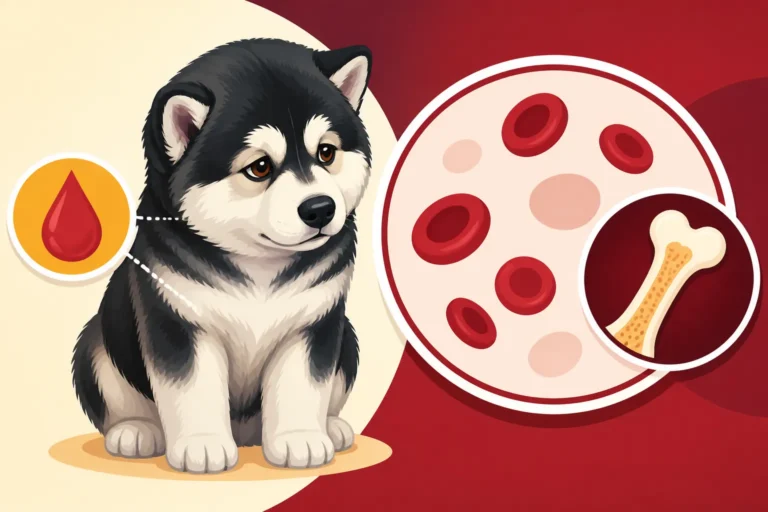
Uveodermatologic Syndrome (UDS) is one of those conditions that many dog owners have never heard of, and for good reason—it's not common. However, when it strikes, it can be quite devastating, primarily affecting a dog's eyes and skin. It's often compared to a human condition called Vogt-Koyanagi-Harada (VKH) syndrome, which gives you a sense of its serious nature. Essentially, UDS is an autoimmune disorder where the body's immune system, which is supposed to protect against foreign invaders, mistakenly attacks its own pigment-producing cells (melanocytes). This attack leads to inflammation and destruction of these cells in the eyes and skin, causing a range of problems.
What is Uveodermatologic Syndrome?
Imagine your dog's immune system as a highly trained defense force. In UDS, this force gets its wires crossed and starts seeing the very cells that give color to your Malamute's eyes and skin as enemies. This misguided attack leads to intense inflammation. In the eyes, this inflammation is called uveitis, and it can affect various parts, including the iris, ciliary body, and choroid. This isn't just a minor irritation; it's a deep-seated inflammation that can cause significant pain, discomfort, and eventually, severe vision loss or even blindness if not addressed promptly and aggressively.
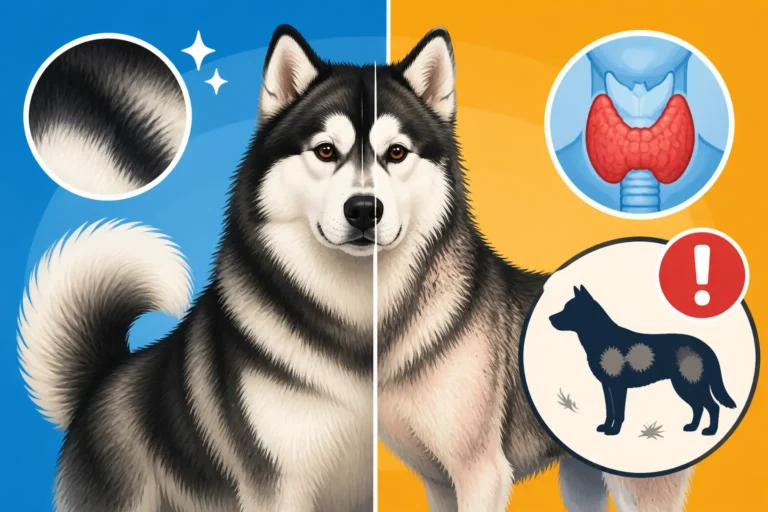
On the skin, the attack on melanocytes results in a loss of pigment (depigmentation), leading to areas that appear lighter or even white, particularly on the face, around the eyes, and on the nose and paw pads. Beyond just color changes, the skin can also become inflamed, crusty, and lose hair. It’s a systemic issue, meaning it affects multiple body systems, and while the eyes and skin are the most visibly impacted, the underlying immune dysfunction is the true challenge. This condition requires a dedicated, long-term approach to management, highlighting why an accurate diagnosis is so critical.
Why are Alaskan Malamutes Prone to UDS?
While UDS is rare across all dog breeds, certain breeds, including the Alaskan Malamute, Akita, Samoyed, and Siberian Husky, show a higher predisposition. This breed-specific pattern strongly suggests a genetic component, though the exact genetic markers are still being researched and aren't fully understood. It's not as clear-cut as some other inherited diseases we see in Malamutes, like Inherited Polyneuropathy and the Malamute That Stumbles at a Year or Day Blindness and the CNGB3 Test That Nearly Ended It in Malamutes, where specific DNA tests can identify carriers or affected individuals. Instead, it’s thought to be a complex interplay of genetic factors that make these breeds more susceptible to this particular autoimmune malfunction.
For our Malamutes, with their robust, double-layered coats and striking facial markings, any changes in skin or eye health can be particularly alarming. Their genetic background as an ancient, arctic breed might play a role in how their immune systems are uniquely wired. While we don't have a simple genetic test for UDS to screen breeding dogs, being aware of this predisposition means that any suspicious eye or skin symptoms in a Malamute should be investigated thoroughly by a veterinarian, rather than being dismissed as just another common ailment. Early recognition is absolutely key to managing this difficult condition and preserving your dog's quality of life.
Recognizing the Signs and Symptoms of UDS
Catching Uveodermatologic Syndrome early can make a huge difference in managing its progression and preserving your Malamute's comfort and vision. However, the initial signs can be tricky because they often mimic more common issues. It's like trying to find a needle in a haystack, especially when your dog is usually so stoic. Paying close attention to subtle changes in your Malamute’s eyes and skin, especially around the face, is vital.
Ocular Symptoms
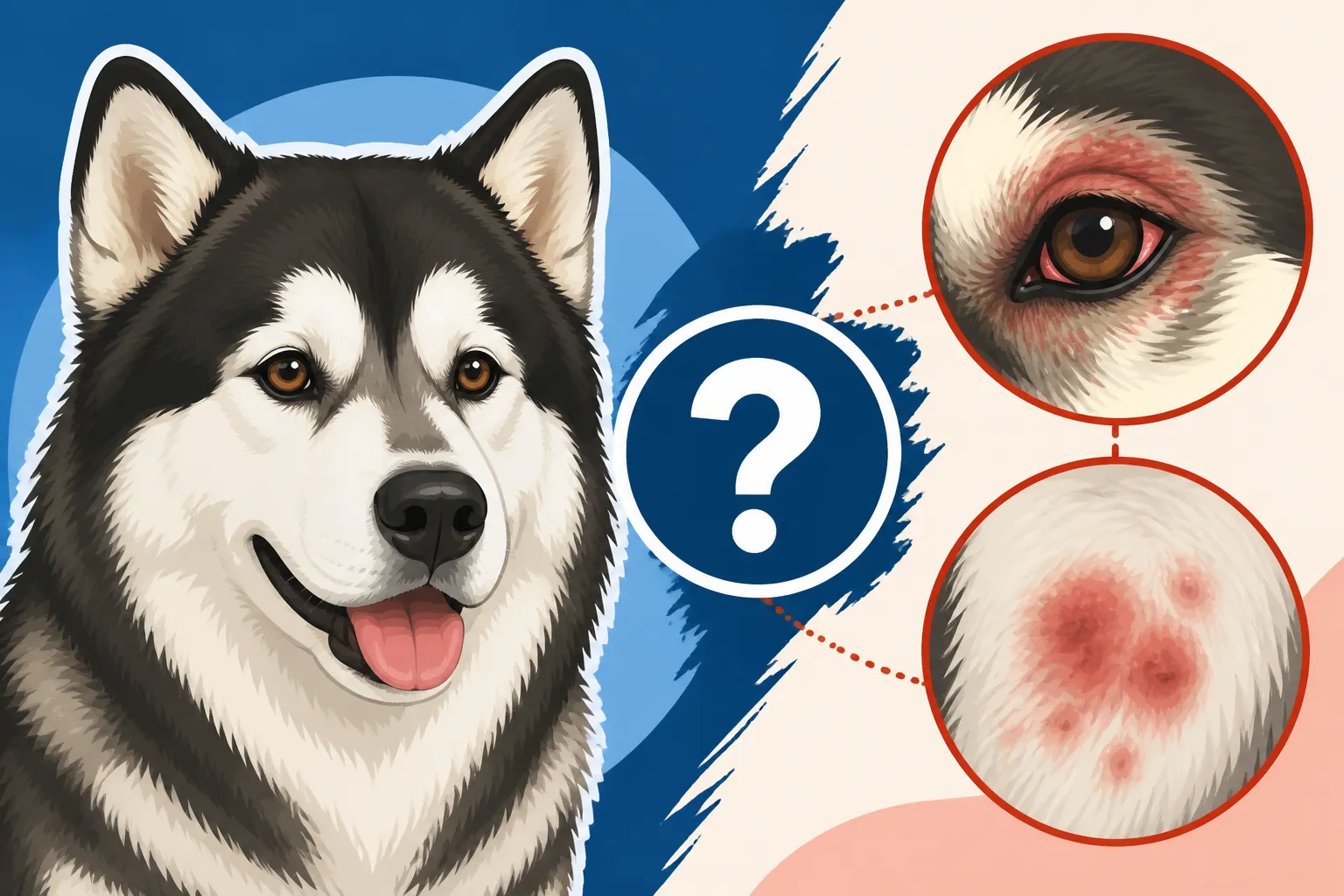
The eye symptoms of UDS, known as uveitis, are usually the first to appear and are often the most urgent concern due to the risk of permanent blindness. Initially, you might just notice your Malamute squinting more than usual, especially in bright light. Their eyes might seem red or bloodshot, indicating inflammation. You might also see a cloudy appearance to the cornea (the clear front part of the eye) or a bluish tint, which can be a sign of corneal edema. The pupil might appear constricted or irregular, and your dog might shy away from having their face touched, indicating pain.
As the condition progresses without treatment, the inflammation intensifies. You could see noticeable discharge from the eyes, tearing, and the whites of their eyes becoming increasingly red. The intraocular pressure can fluctuate, potentially leading to secondary glaucoma, which is incredibly painful and rapidly damaging to vision. Over time, cataracts can develop, and severe inflammation can cause the retina to detach or the eye to shrink (phthisis bulbi), leading to irreversible blindness. It’s a rapid and aggressive process, so if you notice any of these eye changes, especially if they seem to come on quickly or are accompanied by discomfort, it's a race against time to get veterinary attention. Don’t wait it out, as minutes can matter for their vision.
Dermatological Symptoms
While eye issues often present first, the skin changes are equally characteristic of UDS and arise from the same misguided immune attack on pigment cells. The most distinctive dermatological sign is depigmentation, where areas of your Malamute's skin and coat lose their color. This usually starts around the face, specifically the nose, lips, eyelids, and sometimes the outer edges of the ears. These areas might turn pinkish or white, a stark contrast to your Malamute's natural dark pigmentation.
Beyond color loss, you might also observe inflammation and crusting of the skin. The bridge of the nose, around the eyes, and on the paw pads are common sites for these lesions. The skin can become scaly, thick, and prone to secondary bacterial infections due to the compromised skin barrier. Hair loss can also occur in these affected areas. Owners might initially mistake these symptoms for allergies, contact dermatitis, or even a less severe condition like Zinc Responsive Dermatosis in an Alaskan Malamute, which also causes skin crusting and hair loss, particularly around the face. However, the key differentiator in UDS is almost always the accompanying eye inflammation. It's not just a skin problem; it's a systemic attack.
Progression and Severity
UDS is not a condition that typically resolves on its own; it tends to be progressive and can be quite aggressive, especially in its impact on vision. The speed of progression can vary, but generally, if left untreated, the eye inflammation will worsen, leading to severe pain and potential blindness within weeks or months. The skin changes might be slower to develop or less immediately debilitating than the eye issues, but they also reflect ongoing immune system dysfunction.
The severity of UDS means that prompt diagnosis and aggressive treatment are paramount. Without intervention, the quality of life for an affected Malamute can quickly decline due to pain, vision loss, and chronic skin issues. This isn't just about managing symptoms; it's about trying to halt the autoimmune attack to prevent further irreversible damage. Even with treatment, UDS often requires lifelong management, which underscores the importance of a strong partnership with your veterinarian and potentially a veterinary ophthalmologist or dermatologist. This journey can be extensive, making it helpful to understand what your financial commitment might look like, and exploring options like pet insurance from providers like Healthy Paws can be a smart move for managing long-term care costs.
Diagnosis and Treatment Options for UDS
When you suspect Uveodermatologic Syndrome, getting a definitive diagnosis is the first crucial step. Because its symptoms can overlap with other conditions, a thorough diagnostic workup is essential. Once diagnosed, treatment aims to manage the autoimmune response and alleviate symptoms, though it's often a lifelong commitment.
The Diagnostic Process
Diagnosing UDS typically involves a multi-pronged approach, often requiring collaboration between your primary care veterinarian and specialists. If your Malamute is showing eye symptoms, a veterinary ophthalmologist will perform a comprehensive eye examination. This might include:
- Ophthalmoscopy: Examining the internal structures of the eye.
- Tonometry: Measuring the intraocular pressure to check for glaucoma.
- Slit-lamp biomicroscopy: A detailed examination of the anterior and posterior segments of the eye to identify inflammation and lesions characteristic of uveitis.
For skin symptoms, a veterinary dermatologist may be consulted. They will likely recommend a skin biopsy, which is often the most definitive diagnostic tool for the dermatological component of UDS. A small tissue sample from an affected skin area is taken and examined under a microscope by a veterinary pathologist. The presence of specific inflammatory cells and the destruction of melanocytes are strong indicators of UDS. Blood tests might also be run to rule out other systemic diseases, but there isn't a specific blood test for UDS itself. It's a diagnosis made by piecing together the clinical signs, the breed predisposition, and the histopathological findings from biopsies. If you’re ever unsure about whether a specific test is covered, calling your pet insurance provider, like Healthy Paws, can clarify what’s included in your plan.
Medical Management
Treatment for UDS focuses on suppressing the overactive immune system to reduce inflammation and prevent further damage. This is generally a long-term commitment, not a quick fix.
The cornerstone of treatment involves immunosuppressive medications:
- Corticosteroids: Drugs like prednisone are often prescribed initially at high doses to quickly bring inflammation under control. As the condition stabilizes, the dose is gradually tapered to the lowest effective level.
- Other Immunosuppressants: For long-term management or when corticosteroids alone aren't enough or cause unacceptable side effects, other drugs may be used. These include cyclosporine (often used in eye drops as well as orally), azathioprine, or mycophenolate. These medications help to modulate the immune response more specifically.
In addition to systemic medications, topical treatments are often used for the eyes and skin:
- Eye drops: Anti-inflammatory eye drops (often corticosteroids or NSAIDs) are crucial for managing uveitis directly. Mydriatics (pupil-dilating drops) may also be used to prevent adhesions within the eye and reduce pain.
- Topical skin treatments: Medicated shampoos, creams, or ointments can help manage skin inflammation and secondary infections.
It's crucial that owners adhere strictly to the medication schedule and dosages prescribed by their vet. Suddenly stopping or altering medication can lead to severe flare-ups, especially in the eyes. Regular follow-up appointments with specialists are essential to monitor your Malamute's response to treatment, adjust dosages, and catch any potential side effects early.
Prognosis and Long-Term Care
The prognosis for UDS is variable. While it's a serious and often lifelong condition, with early diagnosis and diligent treatment, many Malamutes can live comfortable lives with managed symptoms. However, complete remission is rare, and the goal is typically to control the disease, minimize flare-ups, and preserve vision and skin health as much as possible. Unfortunately, some degree of vision loss, or even total blindness, can still occur, especially if treatment is delayed or the disease is particularly aggressive.
Long-term care involves:
- Lifelong Medication: Most Malamutes with UDS will need some form of immunosuppressive medication for the rest of their lives. This means consistent monitoring for side effects and regular blood work to ensure organ health.
- Regular Veterinary Check-ups: Frequent visits to your primary vet and specialists (ophthalmologist, dermatologist) will be necessary to monitor eye pressure, assess skin lesions, and adjust treatment protocols.
- Sun Protection: Due to the depigmentation, affected skin areas are more susceptible to sunburn. Protecting your Malamute from excessive sun exposure, especially on their nose and eyelids, is important.
- Supportive Care: Maintaining good hygiene, proper nutrition, and a low-stress environment can support their overall health.
- Financial Planning: The cost of lifelong medication, specialist visits, and diagnostic tests can be substantial. Planning for these expenses, perhaps with a comprehensive pet insurance plan like those offered by Healthy Paws, can alleviate some of the financial burden and ensure your Malamute receives the best possible care without compromise.
Living with a Malamute with UDS means being vigilant and committed. It's a journey, but with love, care, and professional guidance, you can provide your dog with a good quality of life.
Differentiating UDS from Other Malamute Skin and Eye Conditions
One of the biggest challenges with Uveodermatologic Syndrome is that its initial signs can look a lot like other, more common conditions that affect Malamutes' skin and eyes. This can lead to delays in diagnosis and treatment, which, as we’ve discussed, can be critical for UDS. Knowing the nuances and key differentiators can help you advocate for your Malamute and ensure they get the right care.
Zinc Responsive Dermatosis
This is perhaps the most commonly confused condition with UDS in terms of skin symptoms, especially in our Alaskan Malamutes. Zinc Responsive Dermatosis in an Alaskan Malamute is an inherited condition where the dog's body can't properly absorb or utilize dietary zinc, leading to a deficiency. The symptoms often include symmetrical crusting, scaling, and hair loss, particularly around the eyes, mouth, nose, elbows, and paw pads. You might also notice their muzzle crusts first or that they lose hair around their eyes.
The key difference? Zinc Responsive Dermatosis primarily affects the skin and doesn't typically cause the severe, inflammatory eye disease (uveitis) seen in UDS. While a Malamute's paw pads thicken in both conditions, the combination of significant eye inflammation and skin lesions is a strong indicator pointing away from simple zinc deficiency. A skin biopsy can show similar inflammation in both conditions, but the presence of melanocyte destruction is characteristic of UDS, not zinc deficiency. The treatment is also completely different: zinc supplementation for zinc responsive dermatosis versus immunosuppressants for UDS. It’s important to remember that How Poor Zinc Absorption Links a Malamute's Three Disorders also affects other areas, but UDS is distinct.
Other Autoimmune Skin Diseases
While less common than zinc deficiency, other autoimmune skin diseases like Pemphigus Foliaceus or Discoid Lupus Erythematosus (DLE) can also manifest with facial skin lesions, crusting, and depigmentation in Malamutes.
- Pemphigus Foliaceus: This condition causes pustules and crusts, often starting on the face, ears, and paw pads. It's characterized by an autoimmune attack on desmosomes, the structures that hold skin cells together. While it causes skin lesions, severe uveitis is not a primary feature.
- Discoid Lupus Erythematosus (DLE): Often called "collie nose" when affecting the nose, DLE causes depigmentation, scaling, crusting, and ulceration, typically on the nasal planum (the black part of the nose). It can extend to the skin around the eyes and lips but generally does not involve severe internal eye inflammation.
The definitive way to differentiate UDS from these other autoimmune skin diseases is through a skin biopsy. A pathologist can identify the specific type of immune attack and the target cells. For UDS, the destruction of melanocytes alongside the inflammation in both the eyes and skin is the unique signature.
Common Eye Conditions
Beyond skin issues, UDS can be confused with other common eye problems in Malamutes, especially early on when uveitis might be subtle.
- Cataracts: Cataracts in an Alaskan Malamute are a clouding of the lens within the eye, which can lead to vision impairment. While cataracts can sometimes develop as a secondary complication of severe, chronic uveitis in UDS, they are not the primary disease process. UDS starts with inflammation around the lens, not typically in it. A Malamute with UDS would have significant redness, pain, and inflammation that is not typically present with primary cataracts.
- Glaucoma: Glaucoma is characterized by increased pressure within the eye, leading to pain and optic nerve damage. Like cataracts, glaucoma can be a secondary complication of UDS due to the inflammation affecting fluid drainage pathways in the eye. However, primary glaucoma (without underlying uveitis) would typically present differently, often without the widespread inflammation seen in UDS.
The key distinguishing factor for UDS remains the combination of inflammatory eye disease (uveitis) and depigmentation/crusting skin lesions. If your Malamute presents with both of these symptom sets, UDS should be high on the list of differential diagnoses, warranting immediate and specialized veterinary attention. Early and accurate diagnosis is your Malamute's best chance at managing this challenging condition effectively.
| Feature | Uveodermatologic Syndrome (UDS) | Zinc Responsive Dermatosis |
|---|---|---|
| Primary Cause | Autoimmune attack on pigment cells (melanocytes) | Inability to absorb/utilize dietary zinc |
| Eye Involvement | Severe uveitis (inflammation) is common and usually first, leading to pain, redness, cloudiness, potential blindness | No direct eye inflammation; eyes usually unaffected |
| Skin Lesions | Depigmentation (whitening) + crusting, scaling, hair loss, often symmetrical | Crusting, scaling, hair loss, symmetrical |
| Typical Locations | Face (nose, lips, eyelids), paw pads, outer ears | Around eyes, nose, mouth, elbows, hocks, paw pads |
| Systemic Symptoms | Can have generalized lethargy, loss of appetite during flare-ups | Generally healthy otherwise, unless very severe deficiency |
| Diagnostic Key | Clinical signs + eye exam + skin biopsy showing melanocyte destruction | Clinical signs + response to zinc supplementation; skin biopsy shows non-specific inflammation |
| Treatment | Lifelong immunosuppressants (e.g., prednisone, cyclosporine) + topical eye/skin meds | Lifelong zinc supplementation |
Disclaimer
The information provided in this article is for educational and informational purposes only, and does not constitute veterinary advice. Always consult with a qualified veterinarian for any health concerns or before making any decisions about your pet's health or treatment.