Whether Heat Kills More Malamutes Than Disease
It’s a heart-wrenching question that often keeps Alaskan Malamute owners up at night: is the scorching summer heat a more immediate and dangerous threat to our cherished companions than all the inherited diseases they might face? It's a completely understandable concern, given these magnificent dogs are engineered for freezing temperatures. This guide will delve into the harsh realities of heat-related dangers compared to breed-specific health challenges, offering a clear perspective on the risks and how to best safeguard your Malamute.
The Immediate and Urgent Threat of Heatstroke
Alaskan Malamutes are living, breathing marvels of Arctic adaptation. Their entire physiology, from their incredibly dense double coat to their efficient metabolism, is designed to conserve heat and thrive in sub-zero environments. This incredible engineering, a superpower in the frozen north, becomes a profound vulnerability when temperatures climb. In warm, especially humid, conditions, their bodies struggle desperately to dissipate heat, leading to a rapid escalation from mild discomfort to life-threatening heatstroke in incredibly short order. This isn't just about feeling a little warm; it's about a systemic breakdown that can cause severe, irreversible damage or even death within minutes.
Why Malamutes Are So Vulnerable to Heat
The challenges for a Malamute in heat go far beyond just their impressive, thick coat, though that's certainly a primary factor. Their bodies are built for extreme cold, meaning they possess an extraordinarily efficient metabolism that excels at holding onto body heat and conserving energy. While this is crucial for survival in their native climate, it's a significant liability when the mercury rises. Unlike humans, who sweat profusely, dogs primarily rely on panting to cool themselves. When the surrounding air is already hot and humid, panting becomes dramatically less effective. Their deep chests and substantial body mass further contribute to their core temperature rising rapidly, and once it does, it's notoriously difficult to bring back down.
Consider a typical summer day in a place like Phoenix or even a humid mid-Atlantic August. While many dogs might tolerate a short outdoor excursion, a Malamute can enter distress almost instantly. The radiant heat from pavement can burn their paw pads, and the oppressive air offers no relief. This is why understanding How Long an Alaskan Malamute Can Be Outside at Ninety Degrees is not just important, it's a critical piece of knowledge, as the answer is often "barely any time at all, if any." Owners frequently underestimate how quickly a situation can turn fatal, thinking they have more time than they truly do.
Recognizing the Alarming Signs of Overheating
Catching the early signs of heat stress is paramount for a Malamute. Waiting until your dog collapses means you're already in a full-blown emergency. What might appear as simple tiredness or slowing down could be the critical initial stage of heat exhaustion. The first clear indicator is usually rapid, heavy panting that seems excessive for their activity level, sometimes accompanied by a distinctive "snorting" sound. Their gums might become a darker, almost brick-red color, and their saliva can grow thick and stringy. As it progresses, they may become disoriented, stumble, or frantically search for shade.
More severe signs include vomiting, diarrhea, tremors, and a complete inability to stand. At these stages, their internal organs are likely already sustaining damage. This is precisely why knowing Signs an Alaskan Malamute Is Overheating is not merely helpful advice, but potentially life-saving information. If you observe these symptoms, immediate action is non-negotiable: move them to the coolest possible environment, apply cool (never ice-cold) water to their coat, especially their paws and groin, and contact your veterinarian without a second's delay. Even a few minutes' hesitation can critically alter the outcome of Whether a Malamute Recovers From Heat Stroke.
Understanding Common Malamute Diseases and Lifespan Realities
While the threat of heatstroke is acute and terrifyingly sudden, Alaskan Malamutes are also predisposed to a range of genetic and breed-specific health conditions that can significantly diminish their quality of life and ultimately shorten their The Ten to Fourteen Years an Alaskan Malamute Lives. These illnesses often develop gradually, requiring consistent medical management and presenting substantial emotional and financial burdens for their devoted owners. The looming possibility of these conditions is a constant worry for many Malamute families, and with very good reason.
Significant Genetic Health Concerns
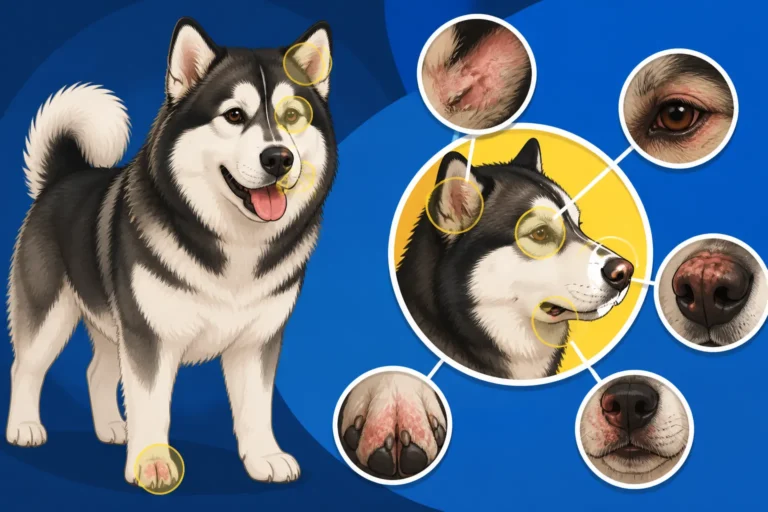
A frequent topic of concern within the Malamute community revolves around their inherited health issues. Zinc deficiency, which can manifest as Zinc Responsive Dermatosis in an Alaskan Malamute, serves as a prime example. This isn't just a simple dietary tweak; it's often a genetic predisposition to inefficient zinc absorption, necessitating lifelong supplementation and diligent monitoring. Without proper intervention, this can lead to persistent skin infections, discomfort, and a generally miserable existence for the dog.
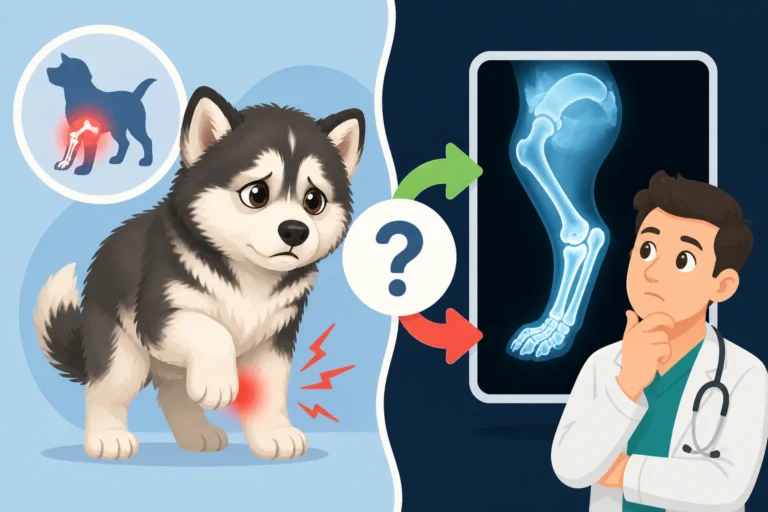
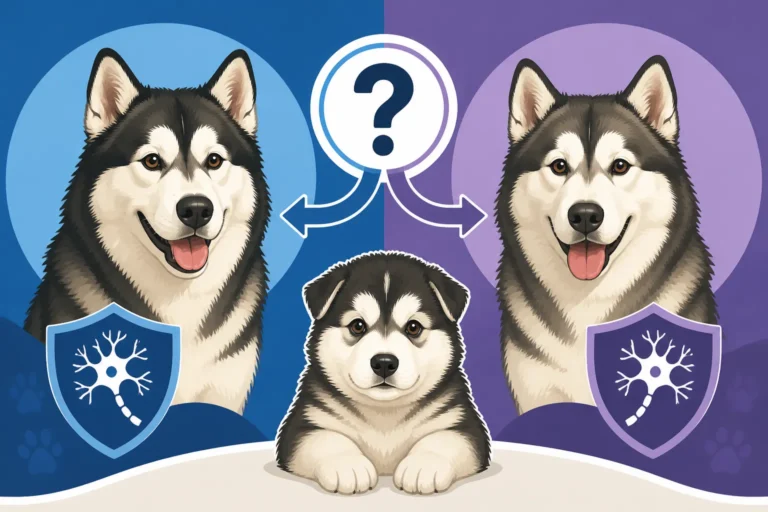
Then there are challenging neurological conditions such as Inherited Polyneuropathy, which causes progressive weakness, muscle wasting, and a loss of coordination, typically appearing in young adult Malamutes. And we certainly cannot overlook orthopedic issues like Hip Dysplasia in a Freighting Alaskan Malamute, a painful and debilitating condition where the hip joint doesn't develop correctly, leading to early onset arthritis and severe mobility problems. These are far from minor ailments; they can profoundly limit a dog's ability to live an active, comfortable life and almost invariably require expensive, ongoing veterinary care. Pet insurance providers, such as Healthy Paws, can offer invaluable support in covering the substantial costs associated with managing these chronic conditions, offering some much-needed financial relief during challenging times.
Acute and Chronic Non-Genetic Health Threats
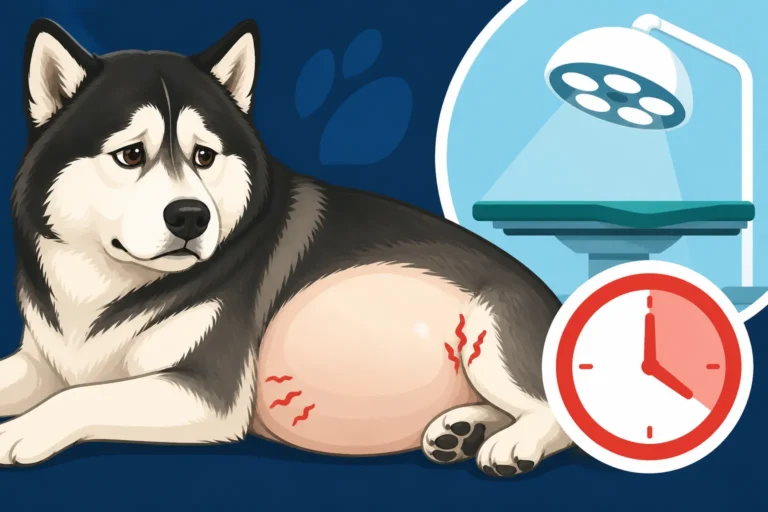
Beyond the realm of genetics, Malamutes, like all dog breeds, face other serious health challenges. Bloat in an Alaskan Malamute (Gastric Dilatation-Volvulus, or GDV) is a horrifying and rapid-onset condition where the stomach twists, cutting off its blood supply. This is a true veterinary emergency demanding immediate surgical intervention, and it carries a tragically high fatality rate if not treated within hours. While not exclusive to Malamutes, their deep chests might place them at a slightly elevated risk.
Cancer is, sadly, a prevalent reality for many dogs, and Malamutes are no exception. Being aware of Which Cancers Alaskan Malamutes Get can empower owners to be more vigilant for early warning signs. Hypothyroidism, cataracts, and various heart conditions also occur in the breed, sometimes subtly, sometimes with overt symptoms requiring careful diagnosis and long-term treatment. These conditions, though not as instantaneously devastating as heatstroke, can lead to considerable suffering and, ultimately, death. This highlights the immense importance of regular veterinary check-ups and paying close attention to any nuanced changes in your Malamute's behavior or physical condition, especially as you begin Caring for an Alaskan Malamute Past Eight.
Comparing the Death Toll: Heat vs. Disease
It’s completely natural to assume that the dramatic and sudden nature of heatstroke makes it a more significant killer. However, the reality is a bit more complex. While heatstroke undeniably represents an immediate, severe, and often preventable danger that can claim a life in a matter of hours, the cumulative impact of various diseases, encompassing both genetic predispositions and acquired illnesses, likely accounts for a greater overall number of Malamute deaths throughout their collective lifespan.
The Swift, Unforgiving Nature of Heat-Related Fatalities
When a Malamute succumbs to heatstroke, the event is typically tragically swift and often leaves owners grappling with immense guilt. A brief oversight, an unexpected spike in temperature, or simply an owner's lack of understanding about The Temperature at Which a Malamute Should Stay Indoors can transform an ordinary day into a devastating nightmare. These deaths are frequently preventable, which only amplifies the heartbreak. Even with prompt veterinary intervention, the success rate for Whether a Malamute Recovers From Heat Stroke is not always high, despite everyone's best efforts.
Statistics can sometimes be misleading because heatstroke deaths are often reported as isolated, acute incidents, sometimes occurring in clusters during severe heatwaves. They are dramatic and leave a lasting impression, serving as powerful cautionary tales. A Malamute left in a hot vehicle, forced to exercise during the hottest part of the day, or simply denied adequate cooling can die within minutes to a few hours. These are, in many cases, avoidable tragedies, profoundly emphasizing the critical responsibility owners have to understand and actively mitigate this very specific and immediate risk.
The Lingering, Cumulative Impact of Illness
Conversely, deaths resulting from disease, while perhaps less sudden in their onset, contribute substantially to the overall mortality rate of Alaskan Malamutes. Cancers, organ system failures, complications arising from conditions like hip dysplasia or bloat, and the progressive nature of neurological disorders all culminate in a Malamute's eventual demise. These are often protracted battles, frequently involving multiple specialist veterinarians, ongoing medications, and at times, making incredibly difficult decisions regarding a dog's quality of life. The financial strain of such long-term care can be immense, making pet insurance, like a comprehensive plan from Healthy Paws, a pragmatic and thoughtful consideration for managing these extended health journeys.
While a single, catastrophic heatstroke event can kill one dog, the widespread prevalence of several serious genetic and acquired diseases across the breed means that, taken collectively, these conditions impact a far larger segment of the Malamute population and ultimately contribute to more deaths when analyzed statistically over the breed's entire existence. It’s a quieter, more insidious threat that typically unfolds over many months or even years, sometimes with periods of remission and relapse, rather than occurring in one sudden, devastating event. Proactive preventative care and a thorough awareness of a Malamute's breed-specific predispositions can, however, significantly extend their healthy and comfortable years. For example, understanding the importance of screening breeding parents for genetic conditions or knowing Whether a Malamute Should Be Screened Before Its First Season to identify potential issues early, can make a monumental difference.
Mitigating Risks and Prioritizing Lifelong Health
The question of whether heat or disease claims more Malamute lives isn't easily answered with a simple numerical comparison. Both represent grave threats, requiring unwavering vigilance and proactive care from every owner. The fundamental truth is that we must direct our focus towards preventing both, rather than attempting to prioritize one over the other. A truly responsible Malamute owner is dedicated to protecting their dog from immediate environmental dangers like heat, as well as from the more insidious, progressive nature of disease.
Practical Strategies for Heat Prevention
Living with an Alaskan Malamute in any climate warmer than the Arctic demands deliberate and consistent effort to keep them cool. This absolute begins with the golden rule: never, under any circumstances, leave them unattended in a car, even on a seemingly mild day. Always ensure they have access to abundant fresh, cool water; adding ice cubes or using a raised bowl can encourage more frequent drinking. Restrict all strenuous exercise to the absolute coolest parts of the day—typically very early morning or late evening—and strictly avoid activity during peak temperatures. Many owners find that kiddie pools or specialized cooling mats become indispensable tools during the warmer months.
Maintaining a cool indoor environment is also non-negotiable. Air conditioning or powerful fans are essential. Remember that your Malamute’s thick coat means what feels comfortable to you might still be dangerously warm for them. While recognizing the signs of overheating is crucial, the ultimate goal is to prevent it from ever happening. For those considering pet insurance, it’s always wise to confirm if a provider like Healthy Paws includes coverage for emergency heatstroke treatments, as these situations often lead to very substantial veterinary bills.
Proactive Approaches to Disease Management
Managing the risks associated with disease involves a comprehensive, multi-pronged approach. First and foremost, diligently select a reputable breeder who not only performs but willingly shares all recommended health screenings on their breeding stock for conditions such as hip dysplasia, polyneuropathy, and day blindness. Requesting to see these health clearances is a non-negotiable step. Second, cultivate a strong, trusting relationship with a veterinarian who has experience with northern breeds. Regular check-ups, appropriate vaccinations, and consistent parasite prevention form the bedrock of preventative care.
Diet plays a crucial role, particularly in managing conditions like zinc-responsive dermatosis. Understanding Whether Changing Food Fixes a Malamute's Zinc Deficiency is key—often, specific zinc supplementation is required, not just a simple switch in kibble. Be perpetually vigilant for any subtle changes in your Malamute's behavior, appetite, or physical condition, as early detection frequently leads to much more successful treatment outcomes. Lastly, seriously considering pet health insurance for your Alaskan Malamute can significantly alleviate the financial burden associated with chronic illnesses and unexpected emergencies, freeing you to focus entirely on providing the highest quality of care for your beloved family member.
| Risk Category | Primary Nature | Speed of Onset | Typical Outcome if Untreated | Prevention/Management |
|---|---|---|---|---|
| Heatstroke | Acute, Environmental | Minutes to Hours | Rapid Death, Severe Organ Damage | Avoid heat, provide shade, ample water, indoor cooling |
| Genetic Diseases | Chronic, Inherited | Months to Years | Progressive Decline, Pain, Death | Reputable breeder, genetic testing, lifelong medical care |
| Acquired Diseases | Chronic/Acute, Varied | Weeks to Years (or sudden) | Organ Failure, Death, Reduced QOL | Regular vet checks, healthy lifestyle, early intervention |
Ultimately, while heatstroke can be a devastating and swift killer, the complex array of genetic predispositions and various acquired diseases likely accounts for a greater number of Malamute deaths over their collective lifespan. Both categories of threats demand our absolute and unwavering attention, dedication, and proactive care as responsible owners.
Disclaimer
The information provided in this article is for educational purposes only and is not intended to be a substitute for professional veterinary advice. Always consult with a qualified veterinarian for any health concerns or before making any decisions about your pet's medical care.