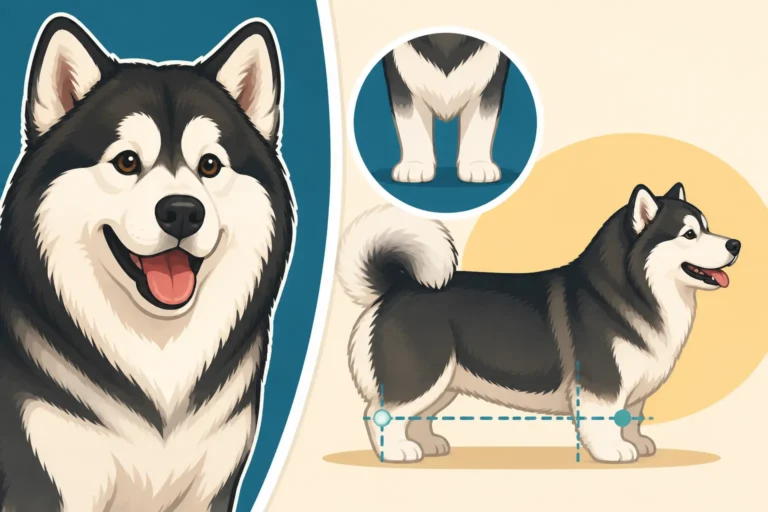
Whether an Untested Alaskan Malamute Litter Is Worth Buying
The allure of a cheaper Alaskan Malamute puppy can be incredibly tempting, especially when you're dreaming of bringing home one of these magnificent, fluffy companions. But when you stumble upon an "untested" litter, it’s crucial to hit the brakes and really understand what that phrase means for your future and your potential dog's well-being. This guide will walk you through the significant risks and ethical considerations of purchasing an Alaskan Malamute from a litter where the parents' health hasn't been properly screened, helping you make a truly informed decision.
The Hidden Health Lottery of Untested Litters
Bringing an Alaskan Malamute into your home is a commitment for the long haul, ideally for The Ten to Fourteen Years an Alaskan Malamute Lives, and a huge part of that journey is ensuring they live a healthy life. The reality is, many breeds, including our beloved Mals, are prone to certain inherited health conditions. When a breeder skips health testing, they're essentially rolling the dice with each puppy's future, and unfortunately, you might be the one holding the losing ticket.
Understanding Genetic Predispositions in Malamutes
Alaskan Malamutes, like many purebred dogs, carry genetic predispositions to specific diseases that can dramatically impact their quality of life and your wallet. These aren't just minor sniffles; we're talking about serious conditions that can cause chronic pain, mobility issues, blindness, or even impact their ability to thrive. For instance, Zinc Is the Thread Running Through Three Malamute Diseases, meaning a genetic inability to absorb zinc properly can lead to severe skin issues and other systemic problems. We also see conditions like Chondrodysplasia and the Malamute That Absorbs a Quarter of Its Zinc, a form of dwarfism that affects their bone growth and overall structure. Imagine bringing home a seemingly normal puppy, only for it to start developing bowed legs or an unusual gait as it grows. It's heartbreaking to witness.
Beyond those, there's Inherited Polyneuropathy and the Malamute That Stumbles at a Year, a debilitating nerve disorder that affects movement, voice, and even breathing. Or consider Day Blindness and the CNGB3 Test That Nearly Ended It in Malamutes, a condition that makes dogs unable to see properly in bright light, requiring significant adjustments to their daily lives. And let's not forget the ever-present concern of orthopedic issues like Hip Dysplasia in a Freighting Alaskan Malamute, which can turn a powerful, active dog into one struggling with pain and lameness. Many of these conditions are inherited recessively, meaning both parents can be carriers without showing any signs themselves, but pass the gene on to their offspring, who then develop the disease. A puppy might look perfectly healthy at eight weeks, but the genetic time bomb is already ticking away, waiting to manifest as they mature.
The Importance of Parentage Health Testing
Responsible breeders invest time, effort, and money into understanding the genetic makeup of their breeding dogs precisely to avoid these heart-wrenching scenarios. They conduct a range of tests to screen for these inherited conditions. This includes DNA panels, which are simple cheek swabs or blood tests that can identify carriers or affected individuals for diseases like polyneuropathy, day blindness, and even zinc absorption issues. These tests are invaluable because they provide concrete answers about a dog's genetic health before breeding ever occurs.
Beyond DNA, orthopedic evaluations like those performed by the Orthopedic Foundation for Animals (OFA) or PennHIP are crucial for assessing the health of hips and elbows. Eye examinations by a board-certified veterinary ophthalmologist can detect issues like hereditary cataracts or day blindness that might not be immediately obvious. The Health Tests Both Alaskan Malamute Parents Should Have are a clear indication of a breeder's commitment to the long-term health of their puppies. When a breeder says their litter is "untested," it means they either haven't performed these vital screenings or they're not willing to share the results. This leaves you, the potential owner, completely in the dark about the genetic health lottery your puppy has just entered. You simply don't know what you're getting, and that uncertainty carries immense weight.
The Financial Pitfalls of a "Bargain" Puppy
It's easy to be drawn in by a lower purchase price for a puppy. When you see a beautiful Malamute for significantly less than what reputable breeders charge, your heart might do a little leap. However, that initial saving can quickly become a monumental financial burden down the line, turning your bargain into an astronomical expense.
Short-Term Savings vs. Long-Term Vet Bills
Let's be realistic: a cheaper puppy is usually cheaper for a reason. Often, it means corners have been cut in breeding, care, or—most relevant to this discussion—health testing. While you might save a few hundred dollars upfront, the costs associated with managing a genetically compromised Malamute can easily soar into the thousands, even tens of thousands, over their lifetime. Imagine a scenario where your Malamute puppy, around a year old, starts showing signs of lameness due to severe hip dysplasia. Diagnostic X-rays, potential surgeries, physical therapy, and ongoing pain medication can quickly accumulate. You might find yourself facing bills that far outweigh the entire cost of a well-bred, health-tested puppy, not to mention the emotional distress.
Insurance can be a lifesaver for unexpected veterinary costs, and companies like Healthy Paws offer comprehensive plans. However, it's critical to understand that pet insurance typically has exclusions for pre-existing conditions. If your Malamute develops a genetic disease that was present at birth or before the policy coverage began—even if undiagnosed—it might not be covered. This means if you buy an "untested" puppy and it later develops an inherited condition, you could be on the hook for all the costs, even with insurance. This is a crucial point for pet parents to consider, and why enrolling early is often recommended if you do go this route, though it's never a guarantee against inherited issues if they manifest before the waiting period is over. This scenario underscores why looking into Whether an Insurer Excludes Malamute Inherited Disease is so important when considering a puppy from any background. You need to budget realistically for the potential of unforeseen health challenges.
The Cost of Managing Chronic Conditions
Some inherited conditions aren't immediately fatal but require lifelong management. Take, for instance, zinc-responsive dermatosis. If your Malamute has this genetic issue, they will likely need What Zinc Supplementation Costs Over a Malamute's Life—daily supplements, special foods, and regular vet check-ups to monitor their condition. This isn't a one-time fix; it's an ongoing, consistent expense that never truly goes away. Similarly, a Malamute with hip dysplasia might need joint supplements, anti-inflammatory medications, special bedding, and even hydrotherapy sessions for years. These aren't trivial expenses. They become a permanent fixture in your household budget, requiring careful financial planning.
Then there's the possibility of emergency situations, like bloat, a life-threatening condition for large, deep-chested breeds. While not directly linked to genetic testing of parents in the same way as, say, polyneuropathy, the overall health and vigor of a well-bred dog can sometimes make them more resilient. The cost of What Bloat Surgery Costs on an Alaskan Malamute can be immense, and while insurance like Healthy Paws can absolutely help with sudden accidents or illnesses, the cumulative effect of managing multiple chronic inherited conditions without prior coverage or knowledge of risk factors can be devastating. This is why when you budget for your Malamute, you need to consider How Much a Malamute Owner Should Bank Each Month for potential vet emergencies and ongoing care.
| Risk Factor | Untested Litter | Health-Tested Litter |
|---|---|---|
| Genetic Disease Prevalence | Significantly higher risk of inherited diseases. | Significantly lower risk due to screened parents. |
| Predictability of Health | Low predictability; "genetic lottery." | High predictability; known risks are mitigated. |
| Initial Purchase Price | Often lower, appearing as a "bargain." | Generally higher, reflecting breeder investment. |
| Long-Term Veterinary Costs | Potentially very high for diagnostics & lifelong treatment. | Lower risk of significant inherited disease treatment costs. |
| Pet Insurance Coverage | Higher chance of exclusions for inherited pre-existing conditions. | Better chance of coverage for non-inherited issues; less risk of costly genetic issues arising. |
| Emotional Impact on Owner | High stress and heartbreak if puppy develops severe illness. | Greater peace of mind; less emotional distress over inherited conditions. |
| Ethical Considerations | Supports potentially irresponsible breeding practices. | Supports responsible, ethical breeding practices. |
Unpacking Breeder Responsibility and Ethics
Choosing a breeder isn't just about finding a puppy; it's about aligning with a philosophy of responsible animal husbandry. When a breeder opts not to test their dogs, they're not just saving themselves money; they're passing a significant burden, both financial and emotional, onto you, the unsuspecting buyer. It’s important to understand the stark contrast between a responsible breeder and one who doesn't prioritize health testing.
What a Responsible Breeder Does (and Doesn't Do)
A responsible Alaskan Malamute breeder doesn't just breed dogs; they breed for the betterment of the breed itself. This means they are deeply knowledgeable about Malamute health, temperament, and structure. They are transparent about their dogs' health, openly sharing OFA certifications, DNA test results, and pedigrees. They conduct all the appropriate screenings mentioned earlier, ensuring their breeding stock is free from known inherited diseases. In fact, if you're serious about bringing a Malamute home, you should expect to ask to see these documents, and a good breeder will be proud to share them. Knowing Whether a Malamute Buyer Can See the Breeder's Results is a fundamental right.
Furthermore, a responsible breeder will typically offer a health guarantee, sometimes for a year or two, against certain debilitating inherited diseases. They will also interview you thoroughly, ask about your living situation, and ensure you're a good fit for one of their puppies. They will be a resource for the lifetime of your dog and will always take a dog back if circumstances change. They certainly wouldn't be selling an "untested" litter at a discount, as their focus is on health and welfare, not quick sales. Conversely, breeders who don't test are often operating as "backyard breeders" or, in the worst cases, part of "puppy mill" operations. Their primary motivation is profit, not the health and longevity of the puppies they produce. They might try to convince you that testing isn't necessary, or that their dogs are "healthy because they've never had problems." This simply isn't a scientific or ethical approach to breeding. These "cheap" puppies often mean Whether a Cheap Malamute Skipped DNA Testing, and the answer is almost always yes.
The Emotional Toll on Owners
Beyond the financial costs, there's the profound emotional toll that comes with caring for a chronically ill pet. Imagine falling head over heels for your new Malamute puppy, only to watch it struggle with pain or disability as it grows. The heartbreak of seeing your beloved companion suffer, knowing it could have been prevented with responsible breeding, is immense. You develop a deep bond with your dog, and dealing with a severe, lifelong illness can be incredibly draining, both mentally and emotionally. Owners often feel guilty, sad, and overwhelmed by the constant care, vet visits, and the simple reality that their dog will never have the healthy, full life they envisioned.
The decision to buy from an untested litter also carries an ethical weight. By purchasing such a puppy, you are, in a way, tacitly supporting breeding practices that prioritize profit over animal welfare. You're enabling a cycle that continues to produce puppies with high risks of inherited diseases, perpetuating suffering within the breed. Alaskan Malamutes are magnificent, intelligent, and sensitive creatures, deserving of responsible stewardship. Choosing a puppy from a health-tested litter isn't just about your peace of mind; it's about contributing to a healthier future for the entire breed. It's about respecting the animals themselves and the dedicated breeders who work tirelessly to maintain their health and integrity.
Making an Informed Decision for Your Future Malamute
The decision to bring an Alaskan Malamute into your life is huge, and it's one that deserves careful consideration, especially when it comes to the health of your future companion. It can be tempting to focus on the initial cost, but a truly informed decision looks at the bigger picture.
Prioritizing Health Over Price
When you're looking for an Alaskan Malamute, remember that a healthy, well-bred dog is an investment in a lifetime of joy, companionship, and fewer vet visits down the line. It's not an expense to be cut corners on. Instead of looking for the lowest price, prioritize finding a breeder who can demonstrate a genuine commitment to the health and welfare of their dogs. This means asking direct questions about health testing. Ask to see actual copies of parentage health certifications for The Three DNA Tests Behind an Alaskan Malamute's Price and other screenings like OFA for hips and elbows. A reputable breeder will not only have these results but will be eager to explain what they mean and how they contribute to the health of their puppies.
Don't be afraid to walk away from a breeder who makes excuses or refuses to provide this documentation. Red flags include breeders who:
- Claim their dogs are "vet checked" instead of specifically saying "health tested" for inherited diseases.
- Tell you genetic testing isn't necessary because their dogs "look healthy."
- Are unwilling to discuss potential health issues in the breed.
- Have multiple litters at once with various breeds.
- Don't allow you to visit their facility or meet the puppy's parents.
- Offer significantly lower prices than average for a registered, health-tested Malamute.
Finding a good breeder might mean waiting longer for a puppy or paying a higher upfront cost, but this initial investment often saves you significant financial and emotional heartache later.
The Value of Transparency and Guarantees
Transparency from a breeder isn't just a nice-to-have; it's essential. A breeder who is open about their dogs' health history, who can clearly explain their breeding philosophy, and who provides verifiable health certifications is demonstrating integrity and responsibility. This transparency offers you invaluable peace of mind, knowing that your puppy has the best possible start in life regarding its genetic health. You should always insist on being able to see all relevant health test results for both parents. Don't just take their word for it; ask for the paperwork, or look up public databases for OFA results. The ability to verify these claims directly is crucial.
Furthermore, a comprehensive health guarantee that outlines what happens if a puppy develops a severe inherited disease provides an extra layer of protection. This doesn't mean you'll never face a vet bill – all dogs need routine care – but it shows the breeder stands behind their puppies and is willing to take responsibility if a major inherited issue arises. It's a sign that they're confident in their breeding program and truly care about the welfare of the dogs they produce and the families who adopt them. Ultimately, buying from a health-tested litter means you're entering into a relationship with a responsible breeder, setting yourself and your magnificent Alaskan Malamute up for a much healthier, happier future.
Disclaimer
This article is for general informational purposes only and does not constitute professional advice. Laws, prices and regulations vary by location and change over time. Consult a qualified professional for guidance on your specific situation.