How Much a Malamute Owner Should Bank Each Month
One of the biggest, and often most overlooked, challenges of bringing an Alaskan Malamute into your home isn't just their size or their boundless energy; it's the financial commitment they represent. Many new owners find themselves caught off guard by the sheer amount of money their furry, independent companions demand. This guide will help you understand the various predictable and unpredictable monthly expenses that come with owning an Alaskan Malamute, so you can set aside a realistic amount each month and truly be prepared.
The Daily and Weekly Essentials: What Adds Up Fast
When you think about daily needs, food often springs to mind first, and for good reason. But beyond kibble, there's a whole world of necessary items that will quickly become recurring expenses.
Food, Glorious Food (and Not Just Any Food)
It’s easy to look at an Alaskan Malamute's impressive stature and assume they'll eat you out of house and home. While they are big dogs, they actually have a remarkably efficient metabolism, meaning they often require less food than similarly sized breeds. However, "less" doesn't mean "cheap" when it comes to quality. These dogs thrive on high-quality nutrition, and many owners find that premium kibble, fresh food, or even a balanced raw diet is necessary to keep them in peak condition.
Choosing the right food is especially critical for Malamutes because of a common breed-specific issue: zinc absorption. Many Malamutes struggle to properly absorb zinc from their diet, which can lead to a condition called Zinc Responsive Dermatosis. This means you might need to seek out foods fortified with highly bioavailable zinc, or add supplements to their diet, which, of course, adds to the monthly grocery bill. A bag of high-quality kibble for a large breed can be a significant outlay every few weeks, and for those opting for fresh or raw food, the costs can escalate even further. It's not uncommon to spend a fair bit on their main meals. Checking various online retailers like Chewy can help you compare prices and find deals on the specific formulations your Malamute needs. For more on this, check out Feeding an Alaskan Malamute for Zinc It Cannot Absorb and The Efficient Metabolism That Surprises Every New Malamute Owner.
Treats, Toys, and the Inevitable Replacements
Beyond their regular meals, Malamutes need treats – lots of them! Whether for training, enrichment, or just as a special reward, treats are a constant in a Malamute owner's life. However, these aren't just any treats; they often need to be high-value to capture a Malamute's often independent attention, and they need to be healthy.
Then there are the toys. Oh, the toys! An Alaskan Malamute is a powerful chewer, and many toys designed for "large breeds" won't stand a chance against their determined jaws. You'll find yourself constantly investing in durable, chew-proof toys made from hard rubber or other resilient materials. Even then, they won't last forever. A plush toy might be shredded in minutes, and even the most robust chew toy will eventually succumb. This isn't just about entertainment; it's about mental stimulation and providing an appropriate outlet for their chewing instincts, which can otherwise be directed at your furniture. You'll need to factor in a regular budget for replacing these items. You might be surprised by What a Malamute Chews Through in a Year and how much you spend replacing household items. Finding truly durable options, such as those made by brands known for tough dog products, can help, but nothing is truly indestructible. For ideas on long-lasting toys, you might look at options available through retailers like Chewy.
Monthly Recurring Costs: The Non-Negotiables
Some expenses are less about daily consumption and more about maintaining your Malamute's health and safety over the long term. These are the critical, often fixed, costs that you simply cannot skip.
Veterinary Care and Preventatives
Even a perfectly healthy Alaskan Malamute requires regular veterinary care. This isn't just a yearly check-up; it includes vaccinations, parasite prevention, and sometimes other routine tests. Flea, tick, and heartworm medications are absolutely essential, especially if your Malamute spends time outdoors or lives in an area where these parasites are prevalent. These preventatives are usually given monthly or quarterly, and for a large dog, the doses (and thus the cost) are significantly higher than for a smaller breed.
Beyond the baseline, your vet might recommend regular dental cleanings or other preventative screenings as your Malamute ages. These costs add up, even for a healthy dog. It's easy to dismiss these as "small" costs, but when tallied up for a year, they represent a significant investment in your dog's well-being. Keeping up with preventatives is far cheaper than treating a serious illness caused by parasites. Understanding What a Malamute's Flea and Heartworm Prevention Costs will help you budget for these crucial items.
Insurance: A Lifeline, Not a Luxury
For an Alaskan Malamute owner, pet insurance isn't just a nice-to-have; it's often a financial lifeline. Given the breed's size and propensity for certain inherited conditions, as well as the risk of accidental injury (these are active, powerful dogs!), a serious health issue can quickly lead to astronomical veterinary bills. Bloat, hip dysplasia, and certain cancers are not uncommon in large breeds, and the cost of diagnosis and treatment for any of these can easily run into thousands of dollars.
A good pet insurance policy can help offset these costs, making difficult decisions about treatment options a little easier on your wallet. Premiums vary widely based on your dog's age, breed, and your location, but it's a monthly expense that provides immense peace of mind. Many owners find it prudent to enroll their Malamute as a puppy, before any pre-existing conditions can be noted, to get the best coverage. Companies like Healthy Paws are well-regarded for their comprehensive coverage, which can be invaluable when unexpected health issues arise. Consider seriously The Month a Malamute Owner Should Buy Insurance and carefully examine policies to understand Whether an Insurer Excludes Malamute Inherited Disease.
Grooming and Maintenance
The Alaskan Malamute's magnificent double coat is one of its most striking features, but it's also a significant maintenance commitment. They shed year-round, but twice a year, they go through a "coat blow" where they literally drop their entire undercoat in a matter of weeks. During these periods, you'll be brushing daily, sometimes for hours, and still finding fur everywhere.
Investing in quality grooming tools – a good undercoat rake, a slicker brush, and a force dryer (if you plan to bathe them yourself) – is a must. While bathing isn't required frequently due to their self-cleaning coat, regular brushing is non-negotiable. If you opt for professional grooming, especially during a coat blow, expect the costs to be substantial, as groomers charge more for large, heavily coated breeds that require extensive deshedding. Even simple nail trims, which should happen regularly, can be an added cost if you're not comfortable doing them yourself. Ignoring grooming can lead to painful matting and skin issues, which then turn into vet bills. Understanding The Malamute Coat Blow That Fills a Vacuum in an Afternoon and How Often an Alaskan Malamute Needs Brushing is key to preparing for these ongoing costs.
Budgeting for the Unexpected: Malamute Surprises
Malamutes are wonderful, but they are also masters of surprise, particularly when it comes to their impact on your home and their health. These are the costs that often catch people off guard but are almost guaranteed to happen at some point.
Destruction: The Art of Canine Redecoration
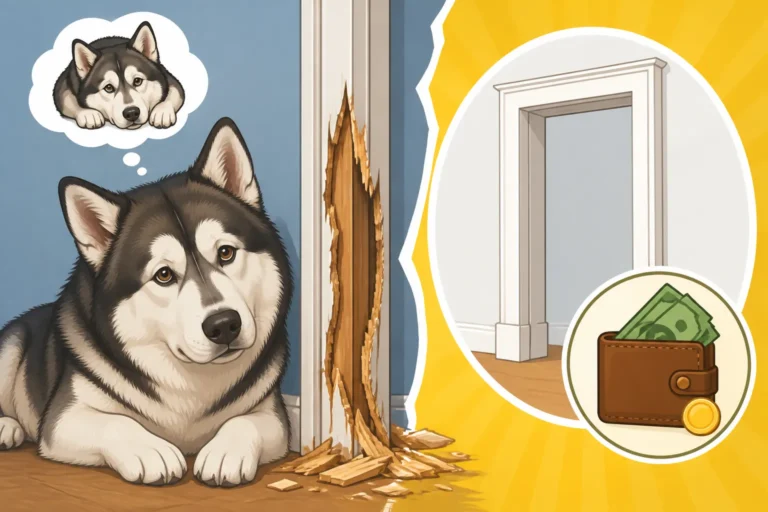
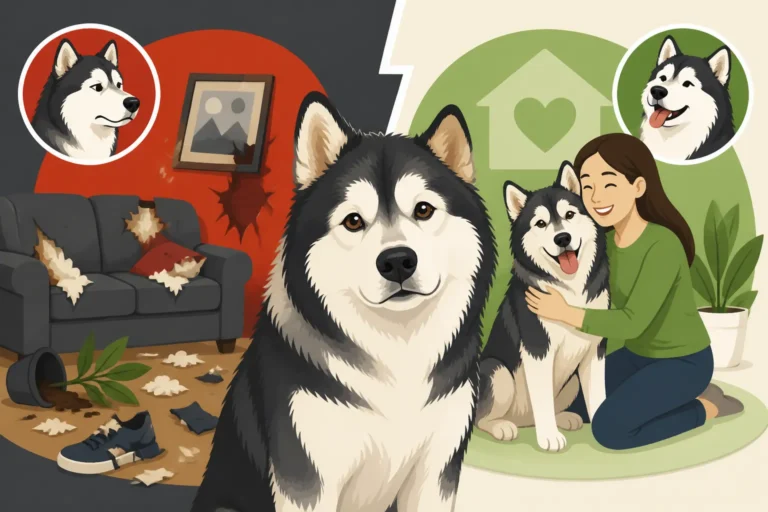
It's not just toys; Malamutes, especially during their adolescent phase, can be incredibly destructive. A bored or undersocialized Malamute can chew through furniture, doorframes, baseboards, and even drywall. Their powerful jaws are built for work, and without appropriate outlets, they will find their own, often expensive, entertainment.
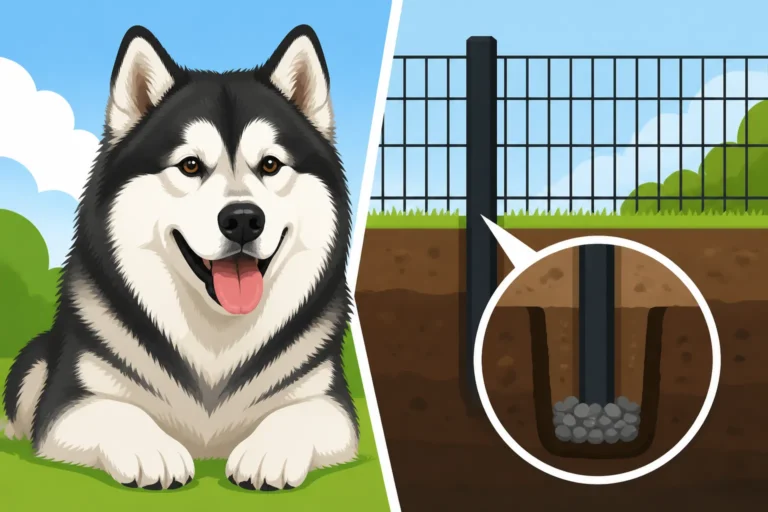
Beyond chewing, their innate desire to dig, a trait bred into them for generations, means your yard might also become a casualty. They can easily dig under fences, creating escape routes, or simply excavate large craters in your lawn. Replacing damaged furniture, repairing fences, or even re-landscaping parts of your yard can quickly add up. This is why "Malamute-proofing" your home and yard is not just a suggestion, but a necessity, and a potential ongoing expense. You might think you've seen it all until you read What a Malamute Destroys Before It Turns Two, and you might need to reconsider your fencing when you realize Fencing a Yard Against a Malamute That Was Bred to Dig. Being proactive with training, enrichment, and secure containment can mitigate some of these costs, but a contingency fund for repairs is always a wise idea.
Emergency Vet Visits and Specialized Care
While pet insurance helps, remember there's usually a deductible and co-pay, and sometimes certain conditions might not be covered depending on your policy. Alaskan Malamutes, like all large, deep-chested breeds, are susceptible to bloat (Gastric Dilatation-Volvulus or GDV), a life-threatening condition requiring immediate, expensive emergency surgery. Injuries from their active lifestyle, like torn ligaments, can also require costly surgical intervention.
Beyond emergencies, some Malamutes may require specialized care for chronic conditions such as allergies, arthritis, or even zinc deficiency that requires prescription-strength supplements. A visit to a veterinary dermatologist or an orthopedic specialist isn't cheap, and ongoing medication can also become a recurring cost. Having an emergency fund specifically for your Malamute's health, or a robust insurance policy, is paramount. Take a moment to consider What Bloat Surgery Costs on an Alaskan Malamute and prepare yourself for What an Emergency Vet Visit Costs for a Malamute – these are not minor figures.
Training and Behavior Support
Alaskan Malamutes are intelligent, but they are also notoriously independent and can be stubborn. What might work for another breed might utterly fail with a Malamute. While early socialization and consistent positive reinforcement training are crucial, many owners find themselves needing professional help at some point. This could be for leash reactivity, addressing dog-on-dog aggression (especially same-sex aggression), or refining their notoriously unreliable recall.
Group classes are a good start, but some Malamutes may require one-on-one sessions with a professional trainer or even a certified canine behaviorist. These services are an investment, often costing hundreds, if not thousands, of dollars depending on the issue and the duration of support needed. Skipping professional guidance when behavior issues arise can lead to a breakdown in the human-animal bond, or worse, dangerous situations. A well-trained Malamute is a joy; an untrained one can be a handful and a liability. It's worth considering Whether a Malamute Needs a Professional Trainer at some point, as their independence can be a challenge. You will also quickly learn Why an Alaskan Malamute Will Never Have a Reliable Recall in the way a retriever might.
Planning for the Long Haul: The Big Picture
Owning an Alaskan Malamute is a marathon, not a sprint. Their lifespan can be 10-14 years, and you need to consider the long-term financial implications of providing them with a fulfilling life through all their stages.
Lifestyle Adjustments and Activity Costs
Alaskan Malamutes were bred to work, specifically to pull. While not every Malamute needs to be a sled dog, they absolutely thrive on having a job and plenty of physical and mental stimulation. This often means embracing activities like weight pulling, canicross, bikejoring, or long hikes. These activities come with their own set of costs: specialized harnesses, lines, sleds or carts, club memberships, and potential travel to events. Even just regular, extended walks and hikes mean durable leashes, collars, and perhaps special boots for their paws in extreme weather.
Furthermore, Malamutes are built for cold climates. If you live in a warmer region, you'll need to factor in cooling costs for your home during the summer months. Air conditioning will likely run more often, and you might invest in cooling mats, kiddie pools, or even schedule your dog's exercise during the cooler parts of the day, which impacts your own schedule. These lifestyle adjustments often carry a financial tag that extends beyond direct dog purchases. Understanding What Weight Pull and Sledding Cost a Malamute Owner and What Cooling a House for a Malamute Costs in Summer helps in appreciating these ongoing needs.
Saving for Their Golden Years
Just like humans, dogs often require more veterinary care as they age. An Alaskan Malamute usually enters its senior years around 8 to 10 years old. During this time, you might see an increase in vet visits for age-related conditions such as arthritis, dental disease, or organ function monitoring. They might need joint supplements, pain medication, special senior diets (like those available from Ollie or Chewy), or more frequent blood work.
While it's tough to think about, these increased healthcare needs are a reality of senior dog ownership. Setting aside a dedicated fund or ensuring your pet insurance covers senior care can make a huge difference in their comfort and quality of life in their later years. Planning for Caring for an Alaskan Malamute Past Eight means being ready for these shifts in their needs and the associated costs. Dealing with Arthritis in an Older Alaskan Malamute involves ongoing medication and possibly physical therapy.
Example Monthly Budget Breakdown for an Alaskan Malamute Owner
Here’s a rough idea of what you might want to bank each month, keeping in mind that these are just estimates and can vary wildly based on your location, your Malamute's individual needs, and your chosen lifestyle.
| Category | Estimated Monthly Range (USD) | Notes |
|---|---|---|
| Food & Treats | $80 – $200+ | High-quality kibble, raw, or fresh food (like Ollie), plus training and recreational treats. Varies significantly by diet choice and brand. |
| Preventatives | $30 – $60 | Flea, tick, and heartworm medication. Can be higher in areas with greater parasite risk. |
| Pet Insurance | $40 – $100+ | Premiums vary by age, location, and coverage. Essential for large breeds. Companies like Healthy Paws offer various plans. |
| Routine Vet Care | $20 – $50 | Annual check-ups, vaccinations, minor issues. This is an average; some months might be $0, others higher. |
| Grooming/Supplies | $20 – $70+ | Brushes, shampoo, nail trims. Higher if you use professional groomers or during coat blow. |
| Toys & Enrichment | $20 – $50 | Durable chew toys, puzzle feeders, ropes. Expect regular replacements for heavy chewers. |
| Emergency Fund/Savings | $50 – $150+ | Crucial for unexpected illnesses, injuries, or major behavioral interventions not fully covered by insurance. |
| Activity/Gear | $20 – $100+ | Harnesses, leashes, weight pull gear, club fees, cooling equipment for summer. Varies greatly by owner's activity level. |
| Home Repair/Damage | $20 – $80+ | Fund for chewed furniture, dug-up yards, fence repairs. Higher during adolescence or for bored dogs. |
| Miscellaneous | $10 – $30 | Poop bags, cleaning supplies, occasional dog-friendly outings. |
| Total Monthly Range | $310 – $890+ | This is a broad range. A responsible Malamute owner should comfortably budget for at least $400-$500 per month, with an emergency fund on top of that. |
So, what's the magic number? While it’s hard to give an exact figure that fits everyone, a responsible Alaskan Malamute owner should plan to bank at least $400-$500 per month for their dog's direct and indirect expenses, with an additional cushion set aside for emergencies or unexpected major costs. This isn't just about covering bills; it's about providing a Malamute with the high-quality care, nutrition, and engagement they need to thrive throughout their long and happy life with you.
Disclaimer
This article is for general informational purposes only and does not constitute professional advice. Laws, prices and regulations vary by location and change over time. Consult a qualified professional for guidance on your specific situation.