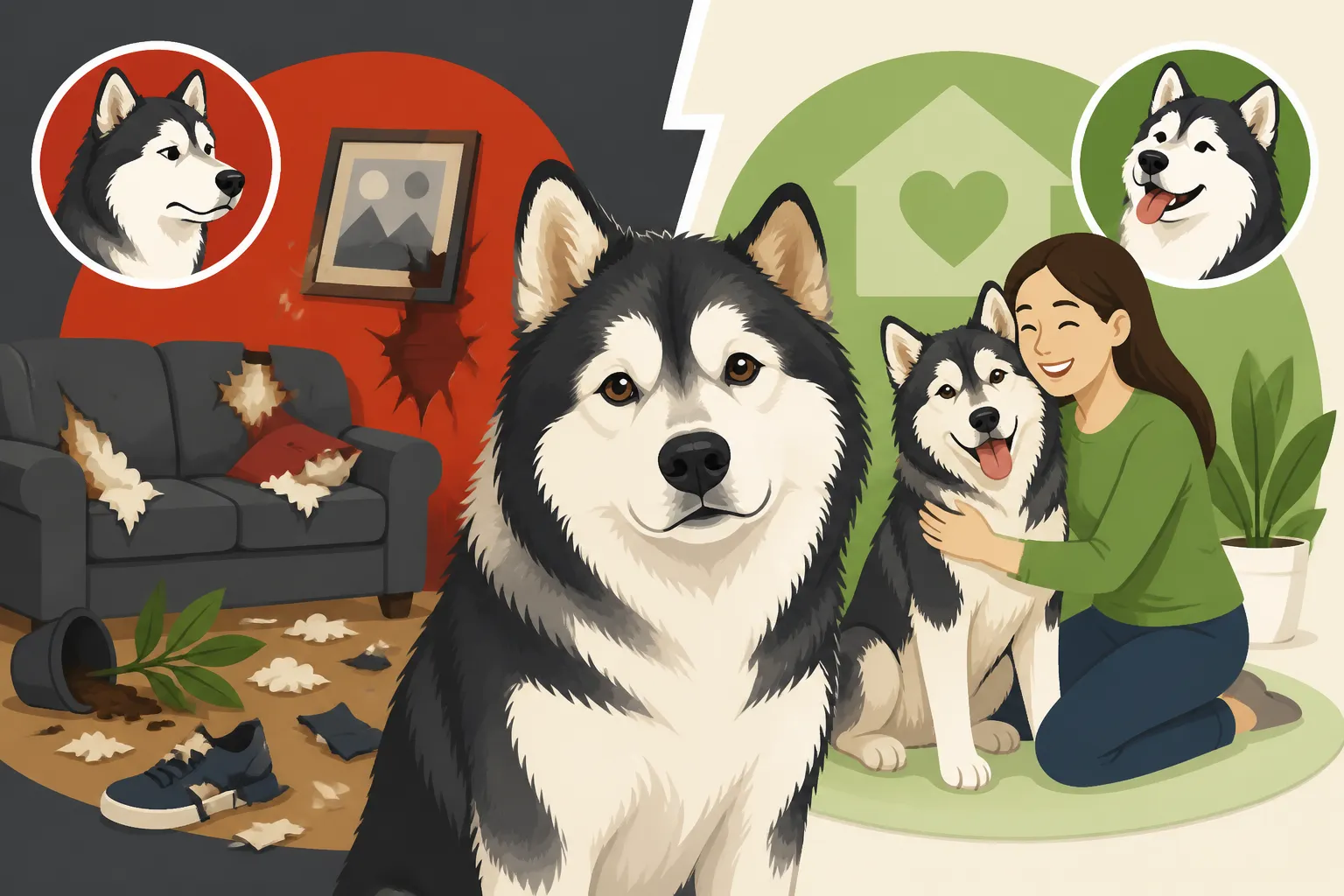
Whether Destruction Is Why Malamutes Are Rehomed
It's a heartbreaking reality for many Alaskan Malamute owners: the dog you brought home, full of fluffy potential, has somehow managed to dismantle your couch, excavate your yard, or chew through a door frame. This kind of widespread destruction isn't just frustrating; it's a primary reason why many Malamutes, unfortunately, find themselves rehomed, often before they've even truly settled into adulthood. This guide will delve into why Malamutes are prone to such intense destructive behaviors, what forms this destruction often takes, and crucially, how understanding and proactive management can prevent these challenges from leading to the difficult decision of rehoming.
Understanding the Malamute's Innate Drive for Destruction
The Alaskan Malamute is a magnificent, powerful breed, bred for centuries to work in harsh Arctic conditions. Their history isn't one of lounging by a fireplace; it's one of pulling heavy loads, hunting, and surviving in demanding environments. This lineage means they come hard-wired with instincts that, while essential for their original purpose, can become highly destructive when misdirected or unfulfilled in a modern home environment.
The Boredom-Driven Chewer and Excavator
Imagine a dog engineered to perform tasks that require immense physical and mental exertion for hours on end. Now imagine that dog spending its days alone in a backyard or house with little to do. The result is often an explosion of energy and instinctual behavior channeled into whatever is readily available. Malamutes aren't just chewing because they're puppies; they're often chewing because they're bored, stressed, or need to work their powerful jaws. This can manifest as an insatiable desire to chew through furniture, shoes, or even walls. Similarly, their digging instinct is profound. They weren't just pulling sleds; they were digging for shelter, for food, and simply as an outlet for energy. Expecting a Malamute not to dig is like expecting a bird not to fly. It's a fundamental part of who they are.
When Exploration Becomes Exasperation
Malamutes are incredibly intelligent and curious. They are problem-solvers by nature, always looking for a way to get to where they want to be or to access something interesting. This drive to explore can quickly escalate into what owners perceive as destruction. A closed door isn't a barrier; it's a puzzle to be solved, possibly by chewing the frame or ramming it open. A fence isn't a containment system; it's a climbing frame or a barrier to be dug under. This isn't malicious behavior; it's an intelligent animal trying to understand and manipulate its environment. Owners often become exasperated when their dog consistently finds weaknesses in their home security or household items, but for the Malamute, it's just another day of engaging their formidable intellect.
Instinctive Behavior, Not Malice
It’s crucial for owners to understand that a Malamute's destructive tendencies are not born of spite or a desire to "get back" at you for leaving them alone. These behaviors are deeply rooted in their breed history and genetic programming. They are driven by an inherent need for physical exercise, mental stimulation, and an outlet for their strong prey drive and curiosity. When these needs aren't met, destructive behaviors fill the void. A Malamute isn't destroying your couch because it's angry; it's probably because it's under-exercised, under-stimulated, or experiencing separation anxiety. Viewing their actions through this lens of instinct, rather than personal affront, is the first step toward effective management and preventing the cycle of frustration that leads to rehoming.
Common Forms of Malamute Destruction
Malamutes are equal-opportunity destroyers, and their work can be quite comprehensive. It's not usually a small, neat chew mark; it's often a full-scale renovation project, whether indoors or out. Understanding the common targets of their destructive energy can help owners prepare and mitigate the damage.
The Yard as a Personal Construction Site
One of the most common arenas for Malamute destruction is the great outdoors, specifically your yard. These dogs were literally bred to live and work outdoors, and their instincts compel them to modify their environment. Digging is perhaps the most notorious outdoor destructive behavior. They will dig massive craters for fun, to bury treasures, or to create cool spots in the earth for comfort. This can ruin landscaping, undermine fences, and even create escape routes. I've known Malamutes who have completely re-landscaped entire flowerbeds in a single afternoon. Fencing a Yard Against a Malamute That Was Bred to Dig is a topic many owners discover they need to research after the first escape or yard renovation. They'll also chew on outdoor furniture, sprinkler heads, garden hoses, or anything left within reach, especially if bored.
Indoor Demolition: Furniture, Drywall, and More
Indoors, the Malamute's destructive capacity is truly impressive. Pups especially, but even adult Malamutes, will view your home as an endless supply of chew toys if not properly managed. From expensive couches to wooden table legs, nothing is truly safe. What a Malamute Chews Through in a Year can be a surprisingly long list. I’ve seen them chew through drywall to create new doorways or gnaw on baseboards. Whether a Malamute Eats Drywall is a question many frantic owners have typed into search engines. Beds, particularly soft, plush ones, are often shredded within minutes, making you wonder What a Chew Proof Bed for a Malamute Costs. This kind of destruction goes beyond simple puppy chewing; it can be an ongoing battle against boredom, anxiety, or simply an unfulfilled need to chew.
The Escape Artist's Path of Ruin
Malamutes are notorious escape artists. Their intelligence, strength, and persistence combine to make them incredibly adept at finding weaknesses in any enclosure. This quest for freedom often involves a significant amount of destruction. They will chew through wooden fence posts, bend chain link, or dig under barriers. The phrase "built like Fort Knox" takes on new meaning for a Malamute owner trying to secure their property. Even crates, if not heavy-duty, can fall victim. Many an owner has come home to find their Malamute has successfully busted out of a standard wire crate, turning it into a twisted metal sculpture. Whether a Malamute Destroys a Crate is a common concern, and the answer is often a resounding yes if it's not the right kind. This kind of destructive escape behavior is deeply linked to their independent nature and desire to roam, a trait that was vital for their ancestors but less so for your suburban peace of mind.
| Type of Destruction | Common Targets | Underlying Reasons | Management Strategies |
|---|---|---|---|
| Chewing | Furniture, shoes, wood trim, drywall, household items, remote controls | Boredom, anxiety, teething (puppies), stress, lack of appropriate chew toys | Provide durable, engaging chew toys (e.g., KONG, Nylabone), rotate toys, bitter apple spray, crate training with safe chews. |
| Digging | Gardens, lawns, under fences, potted plants | Instinct, boredom, seeking comfort/coolness, escape attempts, burying items | Dedicated digging pit, secure fence footings, increased exercise, supervision, environmental enrichment. |
| Escaping/Breaking Out | Fences, crates, doors, gates | Curiosity, prey drive, boredom, separation anxiety, desire to roam/explore | High-security fencing (buried or with a dig guard), secure crates (heavy-duty), strong latches, training (recall, wait at threshold), GPS collar. |
| Shredding | Beds, blankets, soft toys, pillows | Play, boredom, anxiety, nesting behavior | Provide durable, non-shreddable bedding, supervise with soft items, offer appropriate shreddable toys (e.g., cardboard rolls for destruction). |
Preventing and Managing Destructive Behaviors
The good news is that much of a Malamute's destructive behavior stems from unmet needs, not an inherent desire to ruin your life. By proactively addressing these needs, you can significantly reduce the likelihood of costly and frustrating destruction, helping to keep your Malamute happily in your home.
Meeting Exercise and Mental Stimulation Needs
This is arguably the most critical factor in preventing Malamute destruction. A tired Malamute is generally a good Malamute. These dogs need a lot of exercise, and not just a quick walk around the block. They thrive on vigorous activity. Think long hikes, structured walks with a pulling harness, or even What Weight Pull and Sledding Cost a Malamute Owner if you're serious about channeling their energy. Without sufficient physical exertion, they will find their own ways to burn off steam, and those ways are rarely conducive to a tidy home.
Beyond physical exercise, mental stimulation is equally important. Malamutes are smart, and they get bored easily. Puzzle toys, training sessions, scent work, and interactive games can help tire their minds. Leaving a Malamute alone for hours without any mental engagement is an open invitation for them to devise their own "games" – like trying to dismantle the kitchen cabinets. Brands like Chewy offer a fantastic array of interactive toys and puzzle feeders that can keep their intelligent minds occupied for a while. Remember, a Malamute isn't typically content to just sit around; they need a "job," even if that job is just figuring out how to get treats out of a complicated toy.
Creating a Malamute-Proof Environment
No matter how much exercise and mental stimulation you provide, a Malamute will inevitably have periods of unsupervised time. During these times, prevention is key. You need to think like a Malamute and anticipate what they might destroy.
First, invest in truly durable chew toys. Not just any chew toy, but ones designed for power chewers. Rotate them frequently to keep them interesting. Consider a sturdy crate – a heavy-duty, escape-proof model – if your Malamute struggles with unsupervised freedom. What a Crate a Malamute Cannot Break Costs might seem high, but it's often far less than replacing damaged furniture or dealing with vet bills from ingested foreign objects.
Securing your home means removing temptations. Put shoes away, keep trash cans inaccessible, and use baby gates to limit access to certain rooms if needed. For outdoor spaces, robust fencing is non-negotiable. This often means burying a portion of the fence or adding a "L-footer" to prevent digging out. How Far Down a Malamute Will Dig can be surprising, so plan accordingly. If they have a designated digging pit, encourage its use by burying treats or toys there.
Training, Consistency, and Professional Help
While Malamutes are intelligent, they are also famously independent and can be stubborn. Consistent training from a young age is paramount. Focus on positive reinforcement methods, as harsh corrections tend to backfire with this sensitive breed. Teaching basic cues like "leave it," "drop it," and a solid "place" can be invaluable for managing destructive impulses. Remember, Why Force Fails on an Alaskan Malamute is a common lesson learned by new owners.
If you're struggling, don't hesitate to seek professional help. A certified professional dog trainer or a veterinary behaviorist can provide tailored strategies for managing specific destructive behaviors or underlying issues like separation anxiety. Sometimes, seemingly destructive behavior is a symptom of stress or anxiety, and a professional can help diagnose and treat it. For instance, if your Malamute is destroying items out of genuine anxiety, your vet might recommend medication in conjunction with behavior modification, and pet insurance from providers like Healthy Paws can sometimes help with unexpected veterinary costs, especially if ingestion of foreign objects leads to an emergency.
The Heartbreaking Reality of Rehoming
It's a tough pill to swallow, but the truth is, destructive behavior is one of the leading reasons why Alaskan Malamutes end up in shelters or rescue organizations. When owners aren't prepared for the sheer intensity of these dogs, the situation can quickly spiral out of control.
Misunderstood Behaviors and Owner Frustration
Many owners fall in love with the Malamute's stunning looks and powerful presence without fully understanding their inherent needs and traits. They envision a calm, fluffy companion, and instead get a canine wrecking ball. The constant cleanup, the financial burden of replacing items, and the sheer effort required to keep a Malamute stimulated can wear even the most patient person down. When the digging isn't understood as an instinctual need, but rather as "bad behavior," frustration mounts. When the chewing isn't seen as an outlet for boredom, but as a personal attack, the bond can erode. This misunderstanding often leads to ineffective punishment, which only exacerbates the problem, creating a cycle of resentment for both dog and owner.
The Cycle of Rehoming and Its Impact
When destruction becomes overwhelming, owners often feel they have no choice but to rehome their Malamute. This is often the period when Why Alaskan Malamutes Fill Rescues at Eighteen Months becomes clear – it's typically when their energy peaks, they reach maturity, and their destructive behaviors are in full swing if not managed. While rescues do incredible work, the constant churn of dogs can be stressful for the animals. A Malamute who has already been rehomed once might carry behavioral baggage, making it even harder to settle into a new environment. Each new home offers a chance at success, but also carries the risk of another failure, further traumatizing the dog. It's a tragedy that could often be avoided with better preparation and understanding upfront.
Commitment and Realistic Expectations
Bringing an Alaskan Malamute into your home is a significant commitment, and it requires realistic expectations. They are not a breed for the faint of heart, or for those seeking a low-maintenance pet. Prospective owners must be honest with themselves about the time, energy, and resources they can dedicate to managing a dog with such powerful instincts. This means budgeting not just for quality food (like what you might find on Ollie for premium nutrition, or at Chewy for bulk options) and vet care, but also for heavy-duty fencing, indestructible toys, and potentially professional training.
By understanding that destructive behavior is often a cry for help – a manifestation of unfulfilled breed-specific needs – owners can approach the problem with empathy and effective strategies. A Malamute that is well-exercised, mentally stimulated, properly trained, and lives in a secure, Malamute-proofed environment is far less likely to be a destructive force of nature. This proactive approach not only saves your home from ruin but, more importantly, keeps these magnificent dogs in the loving homes they deserve.
Disclaimer
This article is for general informational purposes only and does not constitute professional advice. Laws, prices and regulations vary by location and change over time. Consult a qualified professional for guidance on your specific situation.