Whether a Malamute’s Three Diseases Appear Together
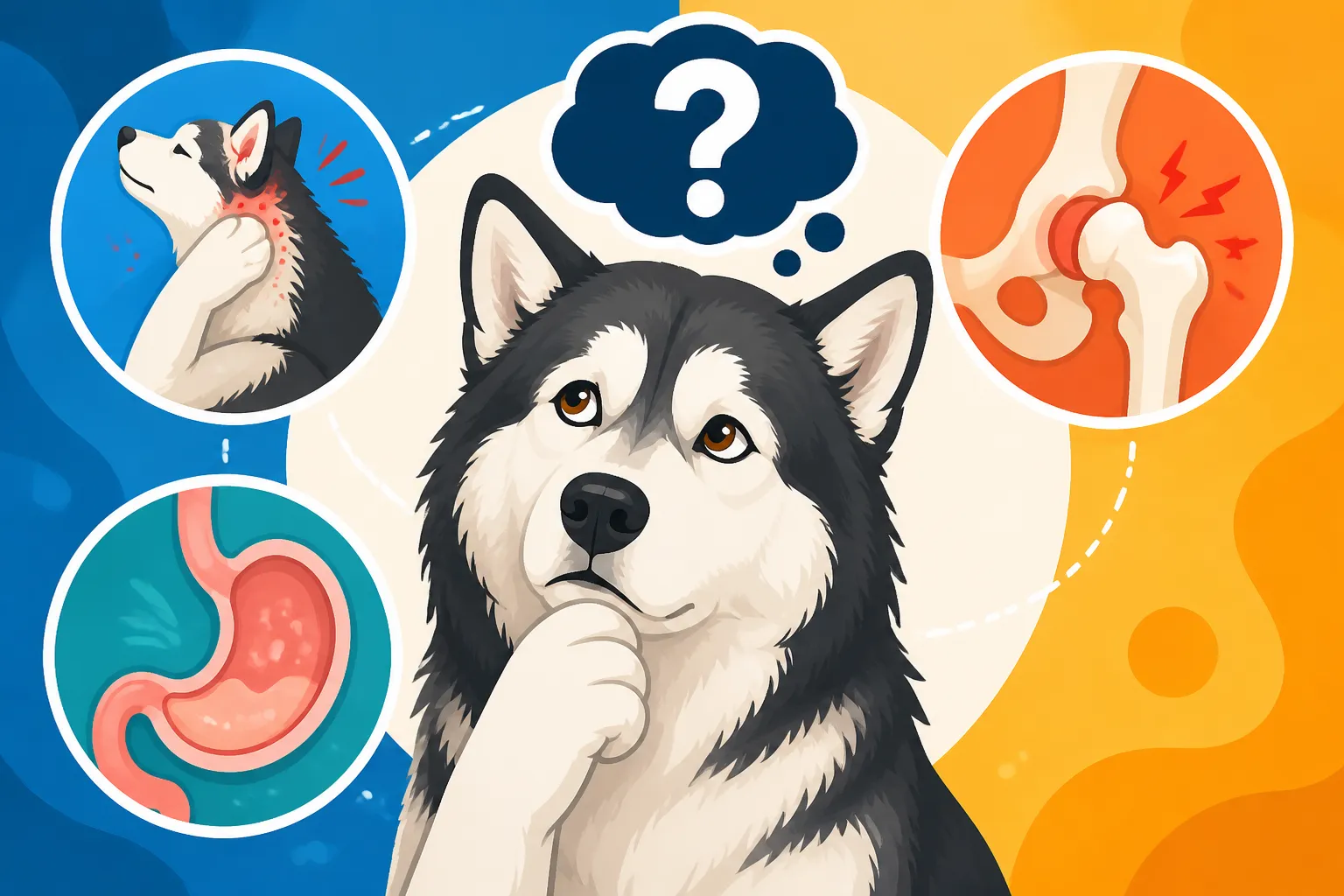
It’s a common worry for Alaskan Malamute owners and prospective families alike: when we hear about certain genetic health issues prevalent in the breed, a nagging question often surfaces. Does our beloved Malamute, or the puppy we're considering, have to face all of them at once? The good news is that while Alaskan Malamutes are unfortunately susceptible to a few significant inherited health challenges, these issues don't typically "come together" as a package deal, nor are they caused by a single, overarching genetic flaw. This guide will help clarify these concerns, focusing on the three most discussed conditions: chondrodysplasia (dwarfism), inherited polyneuropathy, and day blindness.
Understanding the "Three Diseases" in Alaskan Malamutes
When we talk about the "three diseases" in the context of Alaskan Malamutes, we're typically referring to three distinct inherited conditions that, thankfully, are largely preventable through responsible breeding and genetic testing. It's crucial for any Malamute enthusiast to understand what each one entails so you can make informed decisions and be prepared for what might come. These are not related in their genetic origin, meaning one doesn't cause the other, nor do they often manifest simultaneously from a single genetic fault.
Chondrodysplasia: The "Dwarfism" Gene
Chondrodysplasia, often simply called dwarfism, is a severe skeletal disorder in Alaskan Malamutes. It’s caused by a specific recessive gene. This means a puppy must inherit a copy of the gene from both parents to be affected. If they inherit only one copy, they are considered a carrier but will not show symptoms themselves. The impact on affected puppies is significant: they exhibit disproportionate dwarfism, characterized by abnormally short and bowed legs, particularly the front ones. You might notice that the week a dwarf Malamute's legs fall behind as they start to grow.
The bones in their limbs don't develop correctly, leading to a much shorter stature than a typical Malamute. While their body size might be somewhat normal, their legs are dramatically shortened. Beyond the physical appearance, dogs with chondrodysplasia can suffer from a range of issues, including lameness, joint pain, and difficulty moving. It's not just a cosmetic difference; it impacts their quality of life. Owners might initially wonder whether a dwarf Malamute puppy looks normal at birth, but by a few weeks of age, the signs become evident. The struggle for these dogs is real, and it's heartbreaking to witness. Thankfully, there is a DNA test available to identify carriers and affected dogs, allowing breeders to make informed choices. More information can be found on Chondrodysplasia and the Malamute That Absorbs a Quarter of Its Zinc.
Inherited Polyneuropathy: A Neurological Challenge
Inherited polyneuropathy is another distinct genetic condition found in Alaskan Malamutes, and it's quite different from chondrodysplasia. This is a progressive neurological disorder that affects the peripheral nerves, which are responsible for transmitting signals between the brain and spinal cord and the rest of the body. Again, this is an autosomal recessive condition, so a dog must inherit a copy of the affected gene from both parents to develop the disease. Carriers show no symptoms.
Symptoms typically begin to appear when the Malamute is around one year old, sometimes earlier or later, leading many owners to wonder about the age polyneuropathy appears in a Malamute. Initially, you might notice weakness in the hind limbs, leading to an unsteady gait, stumbling, and difficulty rising. As the condition progresses, the weakness can spread to all four limbs. Owners often report a change in their dog's bark, which becomes weaker or hoarse, as the nerves controlling the larynx are affected; why a Malamute's bark changes with polyneuropathy is a distressing symptom. Breathing difficulties can also arise in advanced stages, making this a serious and life-altering condition. It's a cruel disease that slowly robs a strong, active Malamute of its ability to move and function normally. Just like chondrodysplasia, a specific DNA test is available to identify affected dogs and carriers, which has been a game-changer for responsible breeders in managing this disease. You can learn more about inherited polyneuropathy and the Malamute that stumbles at a year.
Day Blindness (CNGB3): Vision Impairment in Bright Light
The third condition often discussed is day blindness, specifically the type caused by a mutation in the CNGB3 gene (Cone-Rod Dystrophy 2, or CRD2). This is another recessive inherited eye disease. As with the other two, a Malamute must inherit two copies of the mutated gene to be affected. Carriers, with only one copy, will have normal vision. Day blindness is exactly what it sounds like: affected dogs have significantly impaired vision in bright light conditions. Their cone cells, which are responsible for vision in bright light and color perception, do not function correctly.
Imagine trying to navigate the world when everything is washed out and blurry in full daylight; that's the reality for a dog with day blindness. These dogs often squint, appear hesitant to go out in bright sunshine, or may even bump into objects when outdoors on a sunny day. They often see much better at dawn, dusk, or indoors, which can be baffling for owners until they understand the specific nature of the condition. Many owners notice how a day blind Malamute behaves in sunlight. The good news is that thanks to widespread genetic testing using the CNGB3 test for Malamute day blindness, this condition has become much rarer in responsibly bred Alaskan Malamutes. The success of this testing highlights the importance of asking a breeder for their health clearances. Dive deeper into this topic by reading day blindness and the CNGB3 test that nearly ended it in Malamutes.
Do These Diseases Always Appear Together? Exploring Genetic Links
This is the core of the question, and it's a critical one for peace of mind. The short answer is no, these diseases do not inherently appear together, nor are they linked by a single genetic flaw. Each of these three conditions—chondrodysplasia, inherited polyneuropathy, and day blindness—is caused by a distinct, separate genetic mutation.
Independent Genetic Mutations
Think of it like this: each disease is a separate book in a large library, not different chapters within the same book.
- Chondrodysplasia is caused by a specific mutation in a gene responsible for skeletal development.
- Inherited Polyneuropathy stems from a different mutation affecting nerve function.
- Day Blindness is caused by yet another mutation in a gene crucial for proper cone cell function in the retina.
Because these are independent genetic mutations, a Malamute can be a carrier for one, an affected individual for another, or completely clear of all three. It’s entirely possible for a dog to inherit chondrodysplasia without any risk of polyneuropathy or day blindness, and vice versa. It’s also possible for a dog to be a carrier for one or more without ever showing symptoms. The only way for a dog to be affected by any of these recessive conditions is to inherit two copies of the specific faulty gene—one from each parent. Therefore, unless a Malamute happened to inherit problematic genes for each condition from both of its parents, it wouldn't be affected by all of them simultaneously due to a single genetic link.
This table summarizes the key distinctions between these three conditions:
| Condition | Genetic Cause | Typical Age of Onset | Primary Symptoms | DNA Test Available? |
|---|---|---|---|---|
| Chondrodysplasia | Recessive gene | Weeks to Months | Short, bowed limbs; disproportionate dwarfism; lameness | Yes |
| Inherited Polyneuropathy | Recessive gene | ~1 year (variable) | Progressive weakness (hind limbs first); gait changes; voice change | Yes |
| Day Blindness (CNGB3) | Recessive CNGB3 gene | Puppyhood | Impaired vision in bright light; squinting; bumping into objects | Yes |
The Role of Responsible Breeding and Testing
This is where responsible breeding truly shines and makes a profound difference. Because specific DNA tests exist for each of these conditions, ethical breeders can screen their breeding stock to ensure they do not produce affected puppies.
- For chondrodysplasia, breeders can perform whether Malamute dwarfism has a DNA test.
- For polyneuropathy, the DNA test that finds Malamute polyneuropathy is essential.
- And for day blindness, the CNGB3 test for Malamute day blindness ensures clear vision in offspring.
A responsible breeder will test both parent dogs for these conditions. If a dog is a carrier for one of these recessive traits (meaning it has one copy of the faulty gene but doesn't show symptoms), it can still be safely bred, provided it is paired with a dog that is completely clear of that specific genetic mutation. This pairing ensures that no puppy in the litter will inherit two copies of the faulty gene and thus will not be affected by the disease. At worst, puppies from such a pairing might be carriers themselves, but they will be healthy.
It's absolutely vital to inquire about the health tests both Alaskan Malamute parents should have before committing to a puppy. Any reputable breeder will readily provide documentation of their dogs' health clearances. This proactive approach has dramatically reduced the incidence of these devastating diseases in the Alaskan Malamute population. Thanks to these efforts, you are much less likely to encounter a Malamute puppy affected by any of these conditions, let alone multiple ones. Pet insurance providers like Healthy Paws are a great resource, but it's important to understand whether an insurer excludes Malamute inherited disease when considering coverage for future health needs.
Recognizing the Signs and Seeking Diagnosis
Even with careful breeding, anomalies can occur, or perhaps you've adopted a rescue Malamute whose history isn't fully known. Knowing the subtle signs and understanding the diagnostic process for each condition is incredibly valuable. Early detection, while it might not always lead to a cure, can certainly impact management and improve your dog's quality of life.
Early Detection for Each Condition
Catching these conditions early is key, especially for polyneuropathy where supportive care can make a difference.
- For Chondrodysplasia: The signs are usually quite apparent in puppyhood. Keep an eye out for abnormally short limbs, especially the front ones, and a bow-legged appearance that becomes noticeable around 4-8 weeks of age. While all puppies grow, if your Malamute puppy's leg growth seems stunted compared to its body, or if its gait appears stiff or clumsy, it’s worth a vet visit.
- For Inherited Polyneuropathy: This one often creeps up on you. You might first notice a subtle clumsiness, perhaps an unusual high-stepping gait, or a slight dragging of the back paws. They might seem weaker after exercise, or struggle more than usual to get up after resting. The characteristic change in their bark, becoming hoarse or weak, is a significant red flag. These symptoms typically begin around the dog's first birthday, a time when they should be at their most robust. Don't dismiss these as simple growing pains; an early vet check can be crucial.
- For Day Blindness: Affected puppies will show aversion to bright light. They might squint excessively outdoors, prefer shaded areas, or seem disoriented and bump into things when the sun is particularly strong. Indoors or at dusk, their vision might appear perfectly normal, making it a baffling condition to pinpoint. If you notice your puppy struggling in bright sunlight but doing fine in dimmer light, it's a strong indicator to discuss with your veterinarian.
Diagnostic Processes and What to Expect
If you suspect any of these conditions, don't hesitate to reach out to your veterinarian. They are your best resource for guidance and diagnosis.
- Genetic Testing: The most definitive diagnosis for all three conditions comes from a DNA test. A simple cheek swab or blood sample can be sent to a specialized veterinary genetic testing lab. These tests identify whether the dog is clear, a carrier, or affected by the specific genetic mutation. If you're buying a puppy, ask to see the results for both parents. If you have a rescue or an adult dog, you can order these tests yourself through your vet or directly from reputable labs.
- Veterinary Examination: Your vet will perform a thorough physical and neurological examination. For chondrodysplasia, X-rays can confirm skeletal abnormalities. For polyneuropathy, a neurological exam will assess reflexes, muscle tone, and gait. Electromyography (EMG) or nerve conduction velocity (NCV) studies, performed by a veterinary neurologist, can measure nerve function and provide further diagnostic clues. For day blindness, an ophthalmologist can perform an electroretinogram (ERG) to assess retinal function, though the DNA test is usually sufficient for diagnosis.
- Cost and Insurance: Diagnostics can be costly. This is where pet insurance can be a lifesaver. Providers like Healthy Paws offer various plans, and while some may have limitations on pre-existing conditions, understanding your policy before a diagnosis is crucial. It’s always a good idea to consider insurance coverage for potential health issues as part of the full cost of twelve years with an Alaskan Malamute.
Managing and Living with Diagnosed Conditions
Receiving a diagnosis for any of these conditions can be devastating, but it’s important to remember that a diagnosis is not the end of the road. With appropriate management and dedicated care, many Malamutes can still lead fulfilling lives.
Treatment and Supportive Care
The approach to "treatment" varies greatly depending on the specific condition.
- Chondrodysplasia: Since this is a structural defect, there is no cure for the underlying skeletal abnormalities. Management focuses on supportive care to minimize pain and maximize mobility. This might include pain medication, anti-inflammatory drugs, joint supplements, physical therapy, and maintaining a healthy weight to reduce stress on joints. Specialized orthopedic interventions might be considered in some cases, but they are often complex. The focus is on ensuring comfort and a good quality of life despite the physical limitations.
- Inherited Polyneuropathy: As a progressive neurological disease, there is currently no cure for inherited polyneuropathy. Treatment is primarily supportive. This involves helping the dog maintain muscle mass and mobility for as long as possible through physical therapy, hydrotherapy, and assisted walking devices. Nutritional support and keeping them mentally stimulated are also important. As the disease progresses, owners may need to consider measures to support breathing. The decision of whether a Malamute with polyneuropathy should be euthanized is incredibly difficult and one that should be made in consultation with your veterinarian, focusing on the dog’s quality of life.
- Day Blindness (CNGB3): There is no direct "treatment" to restore cone cell function. Management focuses on adapting the dog's environment. This means ensuring they are in shaded areas during bright daylight, adjusting walk times to early morning or late evening, and potentially providing special dog goggles (Doggles) for protection and comfort outdoors. These dogs often adapt remarkably well, learning to navigate by scent and sound, especially in familiar environments. Creating a consistent home environment and minimizing changes can greatly help them. Whether a day blind Malamute can live normally often depends on the severity and the adaptations made by their loving owners.
Long-Term Outlook and Quality of Life
The long-term outlook for a Malamute with one of these conditions is highly individual and depends on the specific disease, its severity, and the level of care and management provided.
- Malamutes with Chondrodysplasia can live long lives, but they will always have their physical limitations. Their quality of life is greatly enhanced by managing pain, ensuring easy access to food and water, and providing a comfortable, safe environment. Adaptations like ramps instead of stairs or orthopedic bedding can make a huge difference.
- For Inherited Polyneuropathy, the prognosis is guarded due to its progressive nature. Some dogs stabilize for periods, while others decline more rapidly. The goal is to maximize their comfort and function for as long as possible. Regular veterinary check-ups are essential to monitor progression and adjust supportive care.
- Malamutes with Day Blindness generally have a good quality of life, as their condition doesn't typically cause pain or shorten their lifespan. They learn to cope with their visual impairment in bright light and can enjoy a full life with understanding owners who make necessary environmental adjustments.
Ultimately, living with a Malamute affected by any of these conditions requires patience, dedication, and a deep well of love. It reinforces the importance of genetic testing and choosing a responsible breeder who prioritizes the health of their lines. And for those with older Malamutes, understanding the normal signs of aging, as covered in caring for an Alaskan Malamute past eight, helps differentiate age-related changes from these specific inherited conditions.
Disclaimer
This article is for general informational purposes only and does not constitute professional advice. Laws, prices and regulations vary by location and change over time. Consult a qualified professional for guidance on your specific situation.