What Replacing a Door Frame a Malamute Chewed Costs
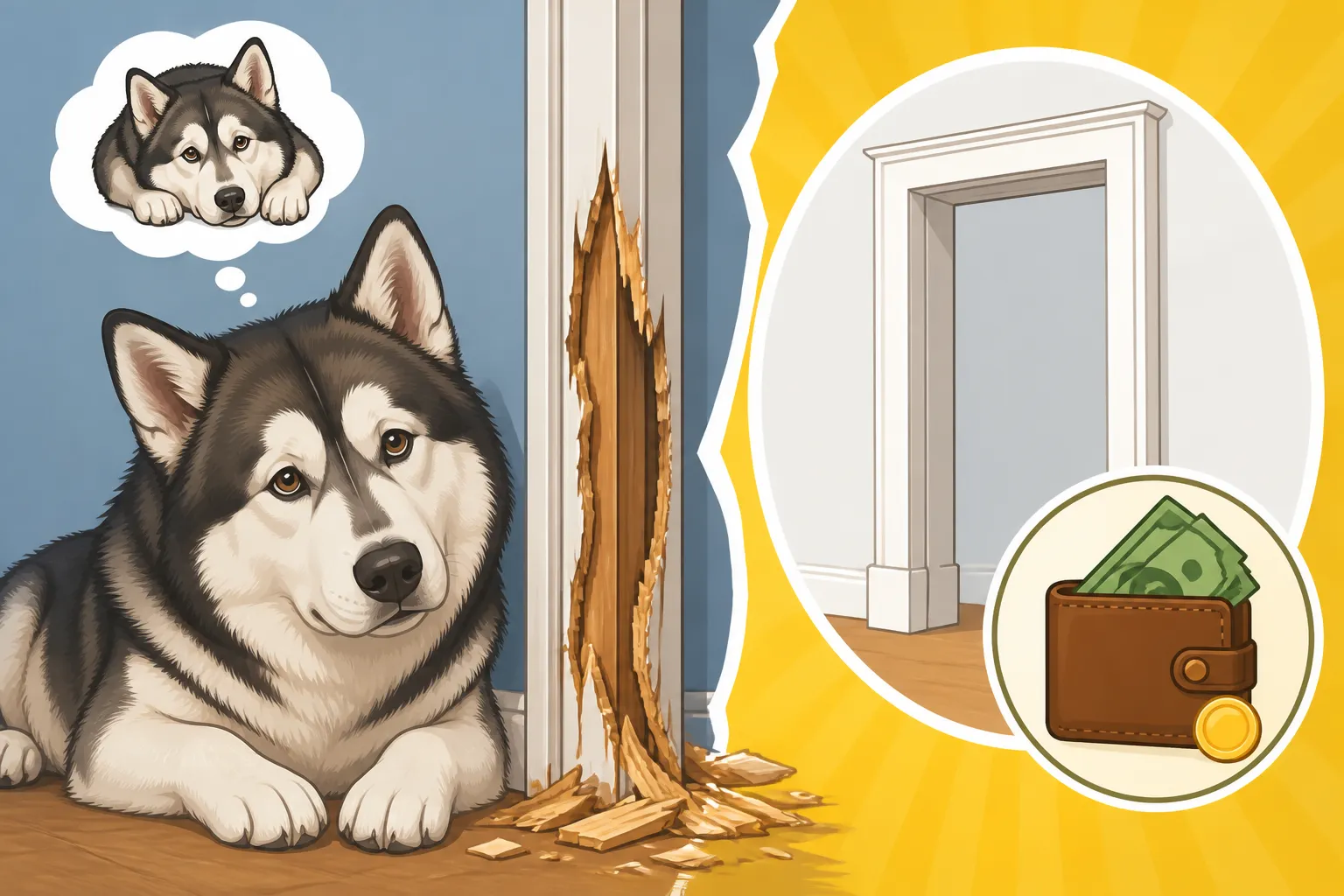
Coming home to discover your beautiful Alaskan Malamute has taken a personal vendetta against your door frame can be utterly heartbreaking, not to mention a serious blow to your wallet. You stand there, surveying the splintered wood and exposed drywall, wondering if your majestic, furry companion is trying to redecorate in a "rustic chic" style you certainly didn't approve of. This guide will walk you through the various factors contributing to the cost of repairing or replacing a Malamute-chewed door frame, offering realistic expectations and helpful strategies.
The Root of the Chewing: Why Your Malamute Targets Door Frames
It's easy to get frustrated when you see the damage, but understanding why your Malamute might be chewing on your door frames is the first step toward preventing it from happening again. These magnificent dogs are not malicious, but they are incredibly intelligent, powerful, and driven by instinct. Their destructive chewing often stems from underlying needs or anxieties that aren't being met.
Boredom and Lack of Mental Stimulation
Alaskan Malamutes are working dogs through and through. They were bred for endurance and problem-solving, not for lounging on the couch all day. If a Malamute isn't getting enough physical exercise or, crucially, enough mental stimulation, they can become incredibly bored. A bored Malamute is a destructive Malamute. Imagine a canine engineer with nothing to build – they'll start deconstructing your house instead. Chewing a door frame offers a satisfying texture, a bit of a challenge, and a way to pass the time when they feel under-stimulated. This isn't just a puppy phase; even an adult Malamute can resort to this if their needs aren't met, particularly during that "teenage" phase around The Adolescent Malamute That Rewrites the Rules at Fourteen Months.
If your Malamute spends long hours alone without engaging activities, that door frame might look like an inviting project. They're not trying to be bad; they're simply finding an outlet for their immense energy and intelligence. Offering a variety of robust chew toys, puzzle feeders, and regular training sessions can make a huge difference. Think about durable chew options from places like Chewy that can stand up to a Malamute's powerful jaws.
Separation Anxiety or Stress
For some Malamutes, chewing is a coping mechanism for anxiety, especially separation anxiety. If your dog gets stressed when left alone, they might target exit points like doors and door frames in an attempt to get closer to you or simply to relieve their nervous energy. This isn't just a minor whine; separation anxiety can manifest in drooling, pacing, accidents in the house, and intense destruction, often focused around doors and windows. The damage isn't just an inconvenience; it's a symptom of deeper distress.
If you suspect separation anxiety, the chewing might be accompanied by other signs of distress. It's a tough situation, and it requires more than just chew toys. Sometimes, this intense need for connection is Why Alaskan Malamutes Fill Rescues at Eighteen Months – owners simply aren't prepared for the commitment. Consulting with a professional dog behaviorist can be invaluable to develop a plan to address the root cause of the anxiety, rather than just patching up the latest damage.
Teething or Inappropriate Chewing Habits
While more common in puppies, a younger Malamute, especially during their first year, might still be teething or developing inappropriate chewing habits. Their mouths hurt, they need to relieve pressure, and soft wood can feel incredibly satisfying. Even after all their adult teeth are in, if they weren't properly taught what is acceptable to chew on, they might simply continue to chomp on whatever is available and interesting. This is part of The First Year With an Alaskan Malamute Puppy journey, which often includes a fair amount of teething and testing boundaries.
It's crucial during these early stages to redirect chewing onto appropriate items. Having a variety of textures and types of chews available is key. If they start gnawing on the door frame, immediately interrupt them with a firm "no," redirect them to an appropriate chew toy, and praise them when they chew the right thing. Consistency is absolutely vital in shaping good chewing habits from the start.
Assessing the Damage: From Superficial Scratches to Structural Havoc
Before you can even think about the cost, you need to realistically assess the extent of the damage your furry architect has inflicted. A small chew mark on the trim is a vastly different project than a completely demolished jamb, and the repair approach—and associated costs—will vary wildly.
Superficial Damage to Door Trim
This is often the "best case" scenario, if there is such a thing with a Malamute's destructive tendencies. Superficial damage might include light gnawing, scratching, or small gouges primarily on the door trim or casing. This is the decorative molding that surrounds the door frame, not the structural part. You might see teeth marks, some splintering, or perhaps a section where the paint or veneer has been completely removed.
For this type of damage, you might be able to get away with sanding, applying wood filler, sanding again, priming, and repainting. If the damage is extensive on one piece of trim, but not the whole frame, you could potentially replace just that section of casing. This is usually a DIY-friendly project if you have basic tools and a bit of patience, keeping material costs relatively low. However, matching paint exactly or seamlessly blending new wood filler can still be a challenge for the inexperienced.
Moderate Damage to Door Jambs and Casing
Now we're moving into more serious territory. Moderate damage means your Malamute has gone beyond the surface and has started to compromise the door jamb itself – the structural parts that form the sides and top of the door frame, inside the wall. This could involve deep gouges, significant splintering, or even sections of the jamb being chewed completely away. If the chewing is focused on the jamb, it can affect how the door sits or closes, leading to drafts or difficulty latching.
In these cases, simple wood filler might not cut it. You might need to patch in new sections of wood, or if the damage is concentrated on one side, replace an entire side jamb. This is a more complex DIY project, requiring precise measurements, cutting skills, and a good understanding of carpentry. Many homeowners opt for professional help at this stage, as a poorly repaired jamb can lead to ongoing issues with your door. The type of wood the jamb is made from will also influence the repair method and cost.
Severe Damage and Structural Compromise
This is the nightmare scenario. Your Malamute, in their boundless enthusiasm for destruction, has not just chewed the trim or the jamb, but has potentially compromised the structural integrity of the entire door frame or even the surrounding wall. You might see large chunks of wood missing from multiple parts of the frame, exposed studs, or even damage to electrical wiring if it runs near the frame. This level of destruction often indicates a deeply rooted behavioral issue, possibly linked to Whether a Bored Malamute Destroys the House or severe separation anxiety.
When the damage is severe, replacing the entire door frame is often the most sensible and long-lasting solution. This is definitely not a beginner-level DIY project. It involves removing the existing frame, potentially repairing drywall or framing, installing a new pre-hung door frame, and then finishing it with trim, paint, or stain. Professional carpenters or contractors are usually required for this, adding significantly to the labor costs. Failing to address structural issues properly could lead to safety hazards or further degradation of your home's integrity.
Breaking Down the Costs: Materials, Labor, and Hidden Expenses
The price tag for fixing a Malamute-chewed door frame can fluctuate wildly depending on the severity of the damage, whether you tackle it yourself, and the materials you choose. It’s never just about the wood; there are always other elements that add up.
Material Costs: From Filler to Full Frames
The cost of materials will be the most variable factor, largely dictated by the extent of the damage and your aesthetic preferences.
- Wood Filler and Putty: For superficial nicks and scratches, you might only need a tube of wood filler or epoxy putty. These are entry-level expenses, usually under a certain threshold. Brands like Elmer's or Minwax offer various types for different wood finishes. This is the cheapest route if the damage is truly minor.
- Replacement Trim/Casing: If you're replacing just the decorative trim, the cost will depend on the profile (style) and material. Simple pine trim is more affordable, while elaborate profiles or hardwoods will naturally cost more. You'll buy this by the linear foot, and prices can vary. If you have unique, historical trim, matching it might require custom milling, which significantly drives up the price. Don't forget the caulk, nails, and adhesive needed to secure it.
- Door Jamb Kits or Lumber: For moderate damage to the jamb, you might purchase a door jamb kit, which includes the two side jambs, a head jamb, and often the door stop. These kits come in various wood species like pine, oak, or even MDF, each with different price points. Alternatively, a carpenter might custom-cut pieces from larger lumber. Hardwoods will be on the higher end of the spectrum.
- Pre-Hung Door Frame Units: When the damage is severe and requires a full replacement, you'll be looking at a pre-hung door frame. This includes the frame, hinges, and often the door itself already assembled. Again, materials range from budget-friendly hollow core doors with pine frames to solid wood doors with robust oak or maple frames. Expect these to be a significant investment, especially if you opt for high-quality wood or specific finishes. Remember, you're not just buying wood; you're buying a ready-to-install unit, which streamlines labor but increases material costs.
Labor Costs: DIY vs. Professional Expertise
This is where the financial impact really shifts. Deciding whether to DIY or hire a professional can mean the difference between spending a few dollars on supplies and hundreds or even thousands on skilled labor.
- DIY Approach: If you're handy and the damage is superficial or moderate, going the DIY route can save a lot on labor. Your costs will primarily be materials, tools you might need to buy (like a miter saw for trim, if you don't already own one), and your time. While seemingly free, your time has value, and a botched DIY job can lead to more expensive repairs down the line. For example, if you replace a section of trim but don't get the angles right, it will always look a bit off. What a Malamute Chews Through in a Year articles often highlight that these DIY repairs can become a recurring cost if the underlying behavioral issue isn't addressed.
- Professional Carpenter/Handyman: For moderate to severe damage, or if you simply lack the time, tools, or expertise, hiring a professional is recommended. Their rates will vary based on their experience, location (urban vs. rural), and the complexity of the job. They might charge an hourly rate or provide a fixed bid for the entire project. Expect hourly rates to start at a certain point and go up from there, not including materials. A full door frame replacement, especially with custom work, could involve several hours or even a full day's work. Always get multiple quotes and check references.
Hidden and Ancillary Expenses
The initial material and labor costs are just part of the picture. There are often several "hidden" expenses that can sneak up on you.
- Paint, Primer, and Caulk: Unless you're lucky enough to have leftover paint, you'll need to buy new paint to match your existing trim or walls. Don't forget primer, especially if you're working with new wood or areas that have been heavily filled. Caulk is essential for sealing gaps between trim and walls, ensuring a professional finish. These seemingly small purchases add up quickly.
- Tools and Supplies: If you're doing it yourself, do you have a miter saw for accurate cuts, a good quality wood chisel, sandpaper, a putty knife, a paint brush, or a caulk gun? If not, these initial tool investments contribute to the overall project cost.
- Disposal Fees: Old, chewed-up wood might not be accepted in regular household trash. You might need to pay a small fee to dispose of construction debris, especially for a full frame replacement.
- Damage to Surrounding Areas: Did your Malamute chew beyond the door frame itself? Perhaps they scratched the wall, damaged the flooring, or even chewed on nearby baseboards. These additional repairs will add to the overall expense.
- Behavioral Consultation: If the chewing is linked to anxiety or persistent behavioral issues, investing in a professional behaviorist or trainer might be necessary. While not a direct repair cost, it's an essential expense to prevent future damage. This kind of proactive spending can save you a fortune in home repairs.
Here's a simplified breakdown of potential repair scenarios and general cost implications (remember, these are illustrative of relative cost, not specific figures):
| Damage Level | Typical Repair Strategy | DIY Difficulty | Material Cost Implication | Labor Cost Implication (Professional) |
|---|---|---|---|---|
| Superficial | Sand, wood filler, prime, paint | Low | Minimal | Low (if professional) |
| Minor Trim Damage | Replace damaged trim piece(s) | Moderate | Low to Medium | Medium |
| Moderate Jamb Damage | Patch/splice new wood into jamb, re-finish | High | Medium | High |
| Severe Jamb/Frame | Replace entire door frame (pre-hung unit) | Very High | High | Very High |
Preventing Future Destruction: Strategies to Save Your Home (and Your Sanity)
Repairing a chewed door frame is one thing; making sure it doesn't happen again is another challenge entirely. With an Alaskan Malamute, prevention isn't just a suggestion, it's a necessity. Their intelligence and drive mean you need to be constantly a step ahead.
Increase Exercise and Mental Stimulation
This is perhaps the most critical component of prevention for a Malamute. A tired Malamute is a good Malamute, but it's not just about physical exertion. These dogs need to use their brains. Incorporate daily activities that tap into their natural instincts and intelligence. This could include long, brisk walks, runs, or even better, activities like Pulling Is the Only Job an Alaskan Malamute Really Wants or hiking with a weighted pack.
Beyond physical exercise, provide plenty of mental challenges. Puzzle toys filled with treats, regular training sessions that teach new commands or tricks, and even scent work can be incredibly stimulating. Rotate their toys regularly to keep them interesting. Consider a subscription box that introduces new and challenging toys and treats from a place like Chewy to keep things fresh. Remember, a bored Malamute will find their own entertainment, and it's usually at the expense of your home.
Provide Appropriate Chew Outlets
Your Malamute needs to chew. It's a natural, healthy behavior for dogs, especially strong-jawed breeds like Malamutes. The key is to redirect that instinct to appropriate items. Offer a variety of durable, interesting chew toys. Think about different textures: hard rubber, nylon bones, and sturdy natural chews. Avoid anything that can splinter or be easily ingested, which could lead to a costly vet visit or even emergency surgery.
When you see your Malamute chewing on something inappropriate, calmly redirect them to an approved chew toy. Praise them enthusiastically when they chew on the right item. Making the "right" chew more appealing than the door frame takes consistent effort. Some Malamutes are particularly discerning about their chews, so finding their preference can be a bit of trial and error. Make sure these chews are always accessible and regularly refreshed to maintain interest.
Management and Containment Strategies
Sometimes, despite your best efforts, your Malamute still finds ways to cause mischief. This is where effective management and containment become crucial, especially if you need to leave them alone for periods of time. Crate training, when done correctly, can be a Malamute owner's best friend. A properly sized, secure crate provides a safe den for your dog and protects your home when you can't directly supervise them. Remember, a flimsy wire crate might not stand up to a determined Malamute, so investing in a heavy-duty, chew-proof crate is often necessary, which can be explored in articles like What a Crate a Malamute Cannot Break Costs.
For longer periods, or if crating isn't an option, consider a dog-proofed room or a secure kennel run. Remove anything valuable or easily chewed, and provide plenty of appropriate toys and water. You might also consider applying bitter apple spray or other deterrents (ensure they are pet-safe) to the door frames, though these are often only temporary solutions. Consistency in supervision and prevention is key, as is understanding How Many Hours an Alaskan Malamute Can Be Left to avoid unnecessary stress.
Address Underlying Behavioral Issues
If the chewing is severe, persistent, or accompanied by other concerning behaviors, it's crucial to address any underlying behavioral issues. As mentioned, separation anxiety is a common culprit. A certified professional dog trainer or veterinary behaviorist can help diagnose the problem and create a tailored behavior modification plan. This might involve counter-conditioning, desensitization, and potentially medication in severe cases. While there's an upfront cost for these services, it's an investment in your dog's well-being and your peace of mind, potentially saving you far more in property damage over the long run.
In cases where medical issues are suspected (e.g., pain, gastrointestinal upset making them restless), a vet visit is paramount. If your Malamute ingests wood or other foreign objects while chewing, leading to a trip to the vet, pet insurance plans from providers like Healthy Paws can be a lifesaver, helping to offset the potentially high costs of diagnostics and treatment. Addressing these deep-seated issues is often the only way to truly stop destructive behaviors.
Disclaimer
This article is for general informational purposes only and does not constitute professional advice. Laws, prices and regulations vary by location and change over time. Consult a qualified professional for guidance on your specific situation.