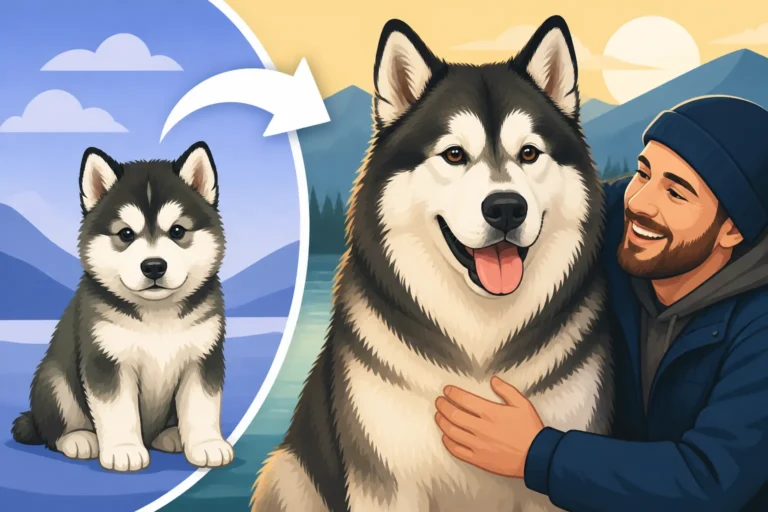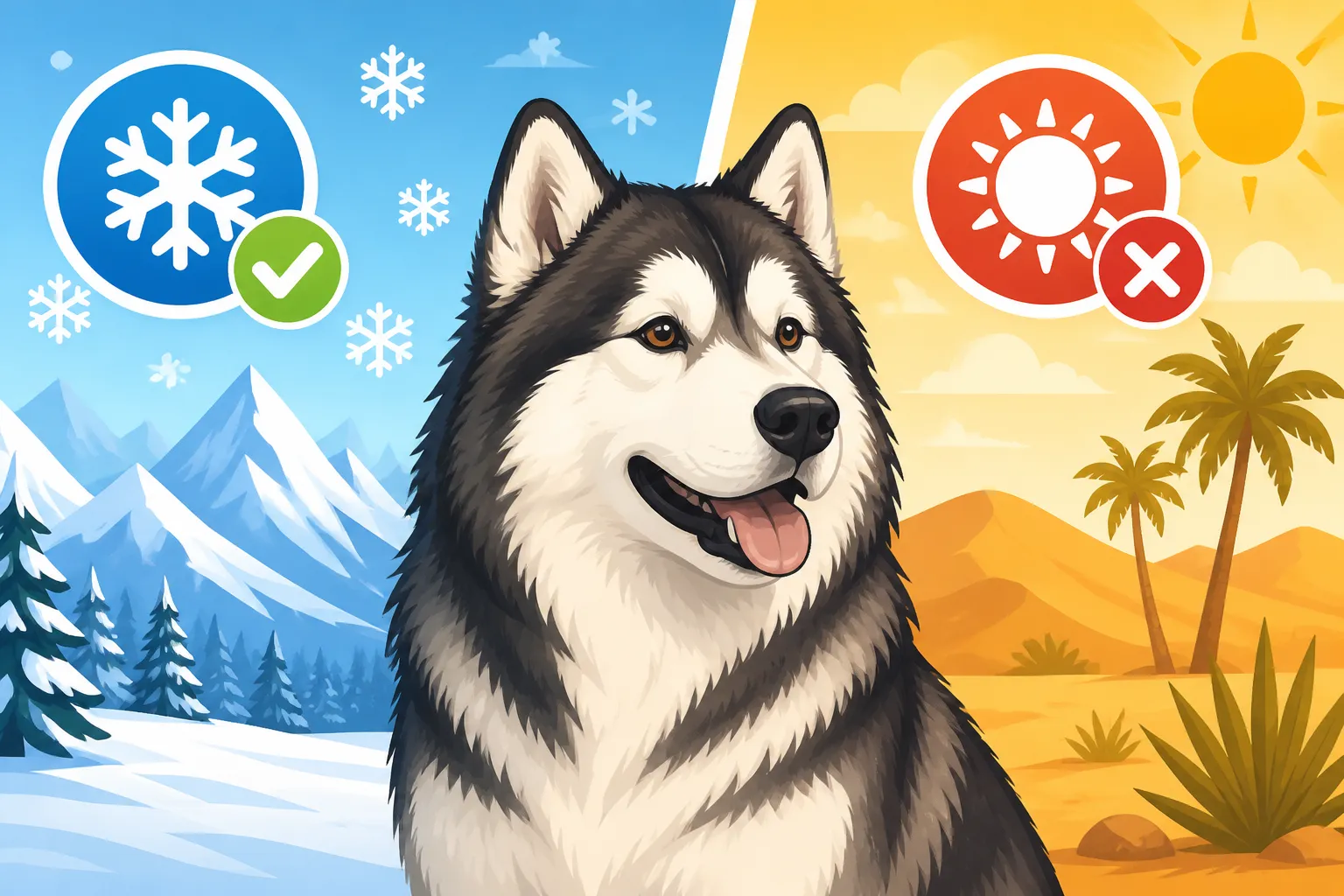
Whether a Malamute Owner Should Live Somewhere Cold
It’s a question that weighs heavily on the hearts of many Alaskan Malamute owners, especially as the temperatures start to climb: should I live somewhere cold for my Malamute? The truth is, looking at your beautiful, thick-coated companion panting on a summer day can make you feel an undeniable pang of guilt, wondering if you've truly set them up for the best life. This guide will explore the deep-rooted reasons why Malamutes thrive in colder climates, the very real challenges they face in warmer areas, and, crucially, how you can create an environment where your Malamute can be happy and healthy, no matter where you call home.
The Malamute's Deep Connection to Cold Climates
To understand why cold weather suits an Alaskan Malamute so well, we have to travel back in time to their origins. These magnificent dogs weren't just designed for cold; they evolved in it, alongside the Mahlemut people of the Arctic. Their entire physiology is a testament to survival in some of the harshest, most unforgiving cold environments on Earth.
An Arctic Ancestry and Purpose-Built Physiology
The Alaskan Malamute, as its name suggests, hails from the frigid regions of Alaska, specifically around the Kotzebue Sound. For thousands of years, they were indispensable working partners to the Mahlemut, pulling heavy freight across vast, snowy distances. This wasn't about speed; it was about endurance and strength in bitter cold. Their history isn't just a fun fact; it's etched into their very DNA. When you look at your Malamute, you're seeing a direct descendant of dogs that thrived where few other creatures could. This ancient lineage is why we still see their natural instincts for cold weather enjoyment today. For more on their heritage, read The Mahlemut of Kotzebue Sound Bred the Alaskan Malamute.
Their physical traits are perfectly adapted to their environment. Think about that plush, luxurious double coat. It’s not just for show; it's a marvel of natural engineering. The coarse outer guard hairs are waterproof and snow-shedding, protecting them from the elements. Beneath that lies an incredibly dense, woolly undercoat that acts as superior insulation, trapping warm air close to their body. This combination allows them to withstand temperatures far below freezing without discomfort. In fact, many Malamute owners will tell you that Winter Is When an Alaskan Malamute Comes Alive, eagerly romping in the snow while humans bundle up.
The Efficient Metabolism That Handles the Cold
Beyond their coat, Malamutes possess a remarkably efficient metabolism, a trait honed by generations of surviving on what might be meager rations during long Arctic winters. Unlike many other large breeds that seem to be constantly hungry, Malamutes often eat less than their size would suggest, especially if they aren't actively working. This metabolic efficiency means their bodies are adept at converting food into energy and warmth, rather than burning through it quickly. The Efficient Metabolism That Surprises Every New Malamute Owner is a common revelation for first-time Malamute parents.
This efficient metabolism, coupled with their dense coat, means that in cold temperatures, their body doesn't have to work as hard to maintain a comfortable internal temperature. They conserve energy, making them ideal for sustained activity in freezing conditions. However, this same trait becomes a double-edged sword in warmer climates. Their bodies are so good at retaining heat that they struggle immensely to dissipate it. They're built like furnaces, which is fantastic when you need to stay warm, but can be dangerous when you're trying to cool down. It’s a delicate balance that highlights why understanding their biology is key to their well-being.
The Inevitable Challenges of Warm Climates
If you live in a region where winter is mild or summer lasts for many months, you're probably already keenly aware of the struggles your Malamute faces. It’s not just about them being a bit warm; it’s about a constant, underlying stress on their system and a significant risk to their health.
Overheating Risks and Health Concerns
For an Alaskan Malamute, warm weather isn't just uncomfortable; it can be life-threatening. Their thick double coat, which is such a blessing in winter, becomes a heavy blanket in the heat. They simply cannot shed heat as effectively as breeds with single coats or those bred for warmer climates. This makes them highly susceptible to overheating, which can quickly escalate into heat exhaustion and, critically, heatstroke. Heatstroke is an emergency that can cause organ damage, brain injury, and even death if not addressed immediately. It's a terrifying prospect for any owner. You might notice subtle signs at first, like excessive panting, drooling, or a reluctance to move. As it progresses, you could see wobbliness, vomiting, or collapsing. Being aware of Signs an Alaskan Malamute Is Overheating is not just good practice, it's essential for their survival.
The humidity often found in many warm climates exacerbates this problem. When the air is saturated with moisture, a Malamute's primary cooling mechanism – panting – becomes far less effective. They pant to evaporate moisture from their tongues and respiratory tracts, which carries heat away. If the surrounding air is already full of moisture, this evaporation process slows down dramatically, making it even harder for them to cool off. This means that a seemingly mild 75°F day with high humidity can be just as dangerous, if not more so, than a dry 90°F day. Owners in places like Florida or the Gulf Coast have an even steeper hill to climb than those in dry desert heat, though both present serious challenges. Summer Is the Season That Kills Alaskan Malamutes is a stark reality that every owner in a warm region must internalize.
Decreased Activity and Behavioral Issues
Beyond the immediate health risks, prolonged exposure to warm temperatures profoundly impacts a Malamute's quality of life. A dog bred for endless miles of pulling in freezing conditions simply cannot perform in the heat. Their natural drive to work, explore, and be active is stifled. What happens when a highly intelligent and energetic working breed can’t exercise? Boredom sets in, and with boredom often comes destructive behavior. Chewed furniture, dug-up yards, and general restlessness are common complaints from Malamute owners whose dogs are cooped up indoors for months on end due to heat.
Imagine your Malamute, who instinctively wants to pull and run, being restricted to short, early morning walks or just backyard potty breaks for weeks. This lack of appropriate physical and mental stimulation can lead to frustration, anxiety, and even aggression towards other dogs or people. While moving to a colder climate might seem like the ultimate solution, the reality is that many people live in warmer areas with their Malamutes. The key isn't necessarily to relocate, but to develop robust strategies to mitigate these challenges, ensuring their physical and mental needs are met without risking their health. What an Alaskan Malamute Needs Every Day remains true, regardless of the thermometer reading.
Strategies for Keeping Your Malamute Comfortable in Any Climate
So, you love your Malamute, but you live somewhere that isn't exactly the Arctic. Does that mean you're a bad owner, or that your dog is doomed? Absolutely not. It means you have a bigger responsibility to mitigate the environmental challenges. It's about adapting your lifestyle and home to suit their inherent needs.
Mastering Indoor Climate Control
Your home becomes your Malamute's sanctuary during warm periods. This means investing heavily in effective climate control. Air conditioning is not a luxury for a Malamute in a warm climate; it's a necessity. Keep your home cool, even when you're not there. You might find your electricity bill jumps, but it's a non-negotiable part of responsible Malamute ownership in these environments. What Cooling a House for a Malamute Costs in Summer is a real expense you must factor in.
Beyond just the AC, strategic use of fans can make a big difference. Place floor fans in areas where your Malamute likes to rest, creating a circulating breeze that helps with evaporative cooling. Cooling mats, which contain a gel that stays cool or activates with pressure, can be a godsend. These can be placed in crates or on their favorite napping spots. Look for durable options from retailers like Chewy, as Malamutes are notorious for testing the limits of everything with their powerful jaws. Elevated dog beds, which allow air to circulate underneath, also provide a cooler resting surface than lying directly on the floor. Provide multiple fresh water stations, perhaps with ice cubes, to encourage hydration throughout the day. Some owners even use kiddie pools outdoors in shaded areas for their Malamutes to splash in, provided they enjoy water.
Adapting Exercise and Grooming Routines
When the mercury rises, your outdoor routine needs a complete overhaul. Forget midday walks or strenuous activities during the hottest parts of the day. All exercise must be shifted to the very early morning hours or late evening after the sun has set and the pavement has cooled down. Always check the pavement temperature with the back of your hand; if it’s too hot for your skin, it's too hot for their paw pads. Even then, keep sessions shorter and prioritize mental stimulation indoors. Puzzle toys, training sessions, and interactive games can help burn off energy and satisfy their intelligent minds without overheating.
Grooming is another critical component. While it might seem counterintuitive, you should never shave an Alaskan Malamute. Their double coat provides insulation not only against cold but also against heat and sunburn. Shaving disrupts this natural system and can lead to discomfort, skin issues, and even make them more susceptible to overheating and skin cancer. Instead, focus on meticulous and frequent brushing, especially during their intense "coat blow" periods. This removes loose undercoat, which is vital for allowing air to circulate through their remaining fur, helping them regulate their temperature. A good undercoat rake and a powerful force dryer (if you have one) will be your best friends. The Malamute Coat Blow That Fills a Vacuum in an Afternoon is no exaggeration, and tackling it properly helps them immensely. Read Why an Alaskan Malamute Must Never Be Shaved for a deeper dive.
Prioritizing Health and Emergency Preparedness
Owning a Malamute in a warm climate means you must be extra vigilant about their health and always prepared for emergencies. Regular vet check-ups are important for all dogs, but for Malamutes in the heat, they offer an opportunity to discuss heat management strategies specific to your dog's age, weight, and overall health. Your vet can provide guidance on hydration, appropriate exercise levels, and how to recognize the early signs of heat-related illness.
It's also a smart move to have a plan in case of an emergency. Know the location and contact information for the nearest emergency veterinary clinic that's open 24/7. Familiarize yourself with immediate first aid for heatstroke, which includes gradually cooling them with cool (not ice-cold) water, moving them to a cooler environment, and getting them to a vet immediately. Many pet insurance providers, like Healthy Paws, can help cover the unexpected costs of emergency vet visits, which can quickly add up if your Malamute suffers from heatstroke or other climate-related health issues. Being proactive about their care is the best way to ensure they live a long, happy life, no matter the climate.
The Reality of Location: Does Moving North Guarantee a Better Life?
While it's easy to romanticize the idea of moving to Alaska or a similar northern state to provide your Malamute with their "natural habitat," the decision is far more complex than just checking the average temperature. A truly happy Malamute needs more than just cold weather; they need a suitable lifestyle, engaged ownership, and consistent care.
Lifestyle Trumps Latitude for a Malamute
Let's be realistic: simply relocating to a colder state doesn't automatically solve all the challenges of Malamute ownership. A Malamute living a sedentary life in Maine, cooped up indoors with minimal exercise, will likely be less content and well-adjusted than a Malamute in Arizona whose owners are dedicated to early morning runs, evening hikes, and ample mental stimulation in a carefully climate-controlled home. The adage "lifestyle trumps latitude" really holds true for this breed.
A Malamute needs a job, whether it's pulling a sled, participating in weight pull, or simply engaging in vigorous daily activity that burns off their energy and satisfies their intelligent, independent minds. If you move somewhere cold but still only provide short leashed walks, your Malamute will likely develop behavioral problems born of boredom and unfulfilled instincts. Conversely, if you live in a place like, say, Southern California, but you dedicate yourself to waking up before dawn for long sniff walks, investing in professional training, providing engaging enrichment, and ensuring your home is an arctic oasis, your Malamute can absolutely thrive. It's about commitment, not just geography. The Household an Alaskan Malamute Was Built For really emphasizes this point.
Financial and Logistical Considerations
Moving is a huge undertaking, and it comes with significant financial implications. Beyond the cost of physically relocating, you need to consider the cost of living in different regions. Furthermore, your ability to provide for your Malamute financially might change. The expenses associated with a Malamute are considerable: food (consider specialized diets, perhaps from brands like Ollie, depending on your dog's needs and activity levels), vet care, grooming, training, and enrichment. Will a new location make it harder or easier to afford these necessities?
Beyond finances, there are logistical hurdles. Do you have a support system in a new location? What about access to quality veterinary care experienced with northern breeds? Are there opportunities for appropriate Malamute activities, like dog sledding clubs or weight pull competitions, if that's something you and your dog enjoy? While some areas naturally lend themselves to these activities, others require significant travel and investment. Consider all these factors before making such a major life decision based solely on your dog's coat.
A Balanced Perspective: Adapting Where You Are
Ultimately, the decision of "whether a Malamute owner should live somewhere cold" comes down to a realistic assessment of your capacity to meet your dog's needs. If you currently live in a warm climate, acknowledge the extra effort required. This might mean adjusting your own schedule, investing more in cooling equipment, and being hyper-vigilant about their comfort and safety. It might also mean coming to terms with the fact that your Malamute won't be a year-round hiking partner in the same way they would be in a colder climate.
| Factor | Cold Climate (Ideal) | Warm Climate (Challenging) |
|---|---|---|
| Coat Benefits | Perfect insulation, natural element protection | Acts as a heat trap, high risk of overheating |
| Activity Level | Can exercise vigorously for longer periods outdoors | Restricted outdoor activity, often requires indoor alternatives |
| Metabolism | Efficiently converts food to warmth, maintains body temp | Struggles to dissipate heat, higher heatstroke risk |
| Grooming Needs | Regular brushing important, especially during coat blow | Critical and frequent brushing to manage shedding and air flow |
| Environmental Control | Less critical indoors, natural outdoor enjoyment | Essential indoor AC, fans, cooling aids; high utility costs |
| Health Risks | Hypothermia (rare), frostbite (extreme), generally low | Heatstroke (high risk), dehydration, paw pad burns |
| Behavioral Impact | Easier to provide mental/physical stimulation | Increased risk of boredom, destructive behavior due to confinement |
| Owner Adaptation | Less direct environmental mitigation needed | Significant lifestyle changes, constant vigilance, higher costs |
If you live in a cold climate, you still have responsibilities, of course – providing adequate shelter, proper nutrition, and engagement. But the daily battle against the heat is significantly reduced. For those in warmer areas, it’s a constant commitment to mitigation. It’s a testament to the dedication of many Malamute owners that these dogs can thrive in diverse environments, but it's never without significant, intentional effort. The most important thing is that your Malamute lives in a home where they are understood, loved, and their unique needs are consistently met.
Disclaimer
This article is for general informational purposes only and does not constitute professional advice. Laws, prices and regulations vary by location and change over time. Consult a qualified professional for guidance on your specific situation.