What Retrieving a Loose Malamute Costs
There are few things more terrifying for an Alaskan Malamute owner than realizing your powerful, independent companion has slipped its leash or found a weakness in your fencing. The immediate panic gives way to a desperate search, and what many owners don't realize is that beyond the emotional strain, retrieving a loose Malamute can incur a surprisingly wide array of financial costs. This guide will meticulously break down the potential expenses you might face, from the moment you realize they're gone until they're safely back home, and even the preventative measures that save money in the long run.
Initial Search and Recovery Costs
When your Malamute goes missing, the first few hours are often a frantic blur of adrenaline and desperate action. While your primary concern is their safety, the immediate steps you take can quickly add up financially. It's not just the direct "rescue" fees; it's the cost of your time, travel, and getting the word out to your community.
Time Off Work and Lost Wages
Let's be real: when your Malamute is missing, very little else matters. You're likely calling out of work, cancelling appointments, or taking sick days. This isn't just an inconvenience; it can translate directly into lost income. If you're an hourly employee, that's immediate wages gone. If you're salaried, the impact might be less direct but still affects your productivity and potentially your standing at work. Imagine missing an important meeting or deadline because you're driving around neighborhoods, shouting your dog's name, or coordinating with local shelters. For many, this is the most significant, albeit indirect, initial cost. The mental distraction alone can make any attempt to work utterly futile, pushing you to prioritize the search over your professional obligations, and rightly so.
Fuel and Travel Expenses
Malamutes are built for covering vast distances, and when they're off-leash, they can travel surprisingly far, shockingly fast. How Far a Loose Alaskan Malamute Travels is often underestimated by new owners. Your search might take you across multiple towns, rural roads, or even into neighboring counties. This means burning through a lot of gasoline or charging your electric vehicle repeatedly. Factor in the wear and tear on your car from driving on unfamiliar roads, perhaps at odd hours, or making repeated trips to animal shelters far from home. These are not trivial costs, especially if your search extends over several days. You might find yourself driving for hours, feeling every mile drain your wallet along with your hope, all while trying to cover as much ground as possible.
Printing and Posting Flyers
In the age of social media, many owners immediately turn to Facebook groups and online lost pet sites, which is certainly a smart move. However, physical flyers remain a powerful tool, especially in areas where not everyone is online, or for reaching people who might not see your digital post. The cost of designing, printing, and laminating dozens, if not hundreds, of "Lost Dog" flyers can add up quickly. Think about the paper, the ink, the plastic sleeves to protect them from the elements, and the tape or zip ties to secure them. You might even consider offering a reward, which, while not a direct retrieval cost, is a common practice that adds to the potential expense if your Malamute is found by someone outside your immediate network. This effort often requires a community-wide alert, and those paper notices are still incredibly effective for catching the eye of a potential rescuer.
Professional Assistance Expenses
Sometimes, despite your best efforts, your Malamute might evade your search, or be picked up by animal control. This is where more formalized and often unavoidable costs come into play. These are the fees associated with official channels and, in some cases, specialized services to bring your dog home.
Animal Control Fees and Fines
If your Malamute is picked up by local animal control or a humane society, you're almost certainly going to incur fees. These typically include a impoundment fee for housing your dog, daily boarding fees, and potentially fees for any necessary vaccinations or medical checks they perform upon intake. On top of that, depending on local ordinances, you might face fines for having an animal at large, especially if your Malamute has a history of escaping or if they caused any kind of disturbance. Imagine showing up to collect your beloved companion, only to be hit with a bill for several hundred dollars, just for their safe return. It’s a bitter pill to swallow, but often a necessary one to reunite with your pet. These costs underscore the importance of proper containment, as well as ensuring your dog is always identifiable.
Microchip Registry Fees and Vet Scans
A microchip is an absolute lifesaver for a lost Malamute, as it provides undeniable proof of ownership and a direct link back to you. However, the microchip itself needs to be registered and kept up-to-date with your current contact information. If your chip isn't registered, or if your contact details are outdated, it can cause significant delays and further stress. While the initial microchip implantation is a one-time vet fee, some registries charge a small annual or lifetime fee to maintain your information in their database. If your Malamute is found and scanned, and the chip isn't current, you might face a scramble to update information, potentially incurring late fees or requiring a new registration. It’s a small cost compared to the others, but a crucial one often overlooked until it's too late. When a shelter or vet scans a found dog, they rely entirely on that chip to get them home, highlighting why keeping the information current is paramount.
Professional Tracker or Search Dog Services
For particularly challenging or long-term searches, especially in vast or wooded areas, some owners turn to professional lost pet recovery services. These services often employ trained search dogs, drones, or specialized tracking equipment and techniques. Engaging a professional tracker, while highly effective, can be quite expensive. Their fees can range significantly based on the duration of the search, the complexity of the terrain, and the specific equipment utilized. While some of these compassionate professionals might offer their services at a reduced rate or on a volunteer basis, many operate as legitimate businesses. This is often a last resort for many owners, but when your Malamute has been missing for days, or even weeks, the cost can feel secondary to the overwhelming desire to get them back. The peace of mind that comes from knowing experts are on the case can sometimes outweigh the financial burden.
Preventative Measures and Long-Term Savings
The best way to mitigate the costs of retrieving a loose Malamute is to prevent them from getting loose in the first place. Investing upfront in robust containment and training strategies can save you a tremendous amount of money, and heartache, down the line.
Secure Fencing and Containment Upgrades
Malamutes are escape artists, plain and simple. Their intelligence, strength, and innate desire to explore means a standard fence often isn't enough. Many owners find themselves needing to invest in significant fencing upgrades. This could mean taller fences, burying wire or concrete footings along the bottom to prevent digging (which Malamutes excel at, as discussed in Fencing a Yard Against a Malamute That Was Bred to Dig), or adding coyote rollers to the top to prevent climbing. How a Malamute Climbs a Fence might surprise you. These aren't cheap modifications. The cost of materials, labor for installation, and even permits can easily run into thousands of dollars. However, compare this to the emotional and financial cost of repeatedly searching for and retrieving a loose dog, or worse, facing legal repercussions if your Malamute causes an incident while roaming. Think of it as an essential investment in your dog's safety and your peace of mind.
GPS Tracking Devices
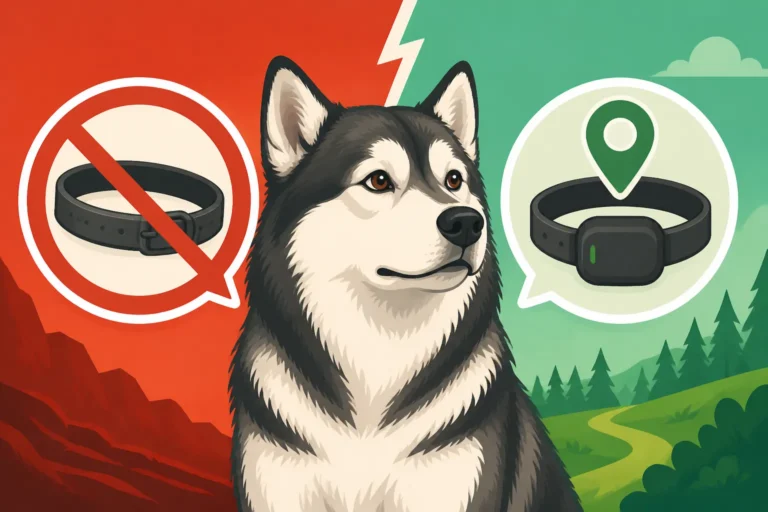
In today's world, technology offers a fantastic preventative tool: GPS trackers. Attaching a lightweight, durable GPS device to your Malamute's collar allows you to monitor their location in real-time via your smartphone. While there's an initial cost for the device itself, and often a subscription fee for the tracking service, this expense is usually far less than the cost of a full-blown search and rescue operation. Why a GPS Collar Is Essential for a Malamute cannot be overstated. Should your Malamute ever get out, you'll know almost instantly where they are, making retrieval much quicker and less stressful. This proactive measure drastically reduces fuel costs, time off work, and the need for professional trackers. Some pet insurers, like Healthy Paws, might even offer wellness plans that help cover preventative expenses, though a GPS tracker might fall outside typical coverage; it's always worth checking their terms. It’s like having a digital safety net constantly deployed around your adventurous companion.
Training and Enrichment Investments
A well-exercised, mentally stimulated, and well-trained Malamute is less likely to feel the urge to escape in the first place. Investing in professional training, especially focusing on recall and impulse control, can be invaluable. While a "reliable recall" is a tricky concept for Malamutes (Why an Alaskan Malamute Will Never Have a Reliable Recall), consistent training can improve their responsiveness. Similarly, ensuring your Malamute receives adequate physical exercise and mental enrichment can reduce boredom-driven escapes. This could mean enrolling in specialized classes, purchasing puzzle toys, or committing to regular, structured exercise. The cost of a good trainer or quality enrichment items, perhaps even subscription boxes from places like Chewy that offer a variety of stimulating toys and treats, is an investment in your dog's overall well-being and a deterrent against escape attempts born out of boredom or frustration.
Here's a quick overview of potential costs:
| Cost Category | Description | Typical Expenses Involved |
|---|---|---|
| Initial Search | Immediate actions taken by owner after realizing dog is missing | Lost wages, fuel, printing flyers, supplies |
| Animal Control/Shelter Fees | Costs incurred if dog is impounded by authorities | Impoundment fees, daily boarding, medical checks, fines |
| Professional Services | Engaging experts for challenging searches | Professional pet trackers, search dog teams |
| Prevention (Upfront) | Investments to prevent future escapes | Secure fencing, GPS trackers, training classes, enrichment items |
| Unexpected Medical | Vet care for injuries/illness sustained while loose | Emergency vet visits, medications, surgery |
| Legal/Liability | Costs associated with damage or incidents caused by loose dog | Property damage, livestock claims, legal fees |
Hidden Costs and Emotional Toll
Beyond the direct financial outlays, there are many less obvious, but equally impactful, costs associated with a loose Malamute. These can drain you financially, emotionally, and even legally. Understanding these helps paint a complete picture of the true expense.
Veterinary Care for Injuries or Illness
A loose Malamute is a vulnerable Malamute. They can be hit by cars, get into fights with other animals, fall victim to predators, ingest toxic substances, or suffer from exposure to harsh weather. If your Malamute is found injured or ill, the veterinary bills can be astronomical. Emergency visits, X-rays, sutures, medications, and even surgery are all distinct possibilities. Bloat in an Alaskan Malamute or other sudden illnesses can be brought on by stress or ingesting inappropriate items. Even if they return seemingly unscathed, a vet check-up is always recommended to ensure they haven't suffered any internal injuries or contracted any illnesses. These unplanned veterinary expenses can easily be the most significant financial hit of the entire ordeal, far outweighing any impoundment fees. Considering pet insurance from reputable providers can help buffer these unexpected costs.
Legal Liabilities and Property Damage
The powerful prey drive of an Alaskan Malamute, discussed in What an Alaskan Malamute Was Bred to Hunt, means a loose Malamute can unfortunately cause damage or harm. If your dog chases or injures livestock, other pets, or even people, you could be held legally and financially responsible. This could mean paying for veterinary bills for another animal, replacing damaged property, or even facing lawsuits. Fines for "dog at large" incidents can vary wildly by municipality, sometimes escalating if there are repeat offenses or if your dog causes actual harm. Whether a Malamute Owner Faces Livestock Claims is a very real concern in rural areas. The cost of legal representation alone can be substantial, not to mention the settlements or damages you might be ordered to pay. These are the kinds of costs that can truly devastate a household budget and ripple through your life for years.
The Psychological Impact on Owners
While difficult to quantify in dollars and cents, the emotional toll of a lost Malamute is immense. The anxiety, guilt, fear, and sheer exhaustion of the search are profound. Owners often report sleepless nights, an inability to focus on anything else, and a deep sense of despair. The reunion, if it happens, is often overwhelming with relief, but the memory of the ordeal can linger, making owners perpetually anxious about future escapes. This stress can impact mental health, relationships, and overall quality of life. The time spent worrying, strategizing, and searching is time not spent on family, hobbies, or rest. It’s a non-monetary cost that profoundly affects an owner's well-being, proving that sometimes, the greatest expenses aren't those that can be itemized on a receipt.
Conclusion: Weighing the Costs of Freedom
The sheer range of costs associated with retrieving a loose Alaskan Malamute can be daunting. From the immediate expenses of fuel and lost wages to the potentially astronomical veterinary bills, legal fees, and the immeasurable emotional toll, it's clear that prevention is not just preferable, it's financially prudent. Investing in robust fencing, like what you might find comprehensive solutions for at retailers like Chewy, implementing a reliable GPS tracker, consistent training, and ensuring your dog is microchipped with up-to-date information are not luxuries but necessities for Malamute ownership.
These magnificent dogs are incredible companions, but their independent spirit and innate drive to roam demand a higher level of vigilance and investment from their owners. Proactive measures, from secure containment to quality nutrition (perhaps even explored through tailored meal plans like Ollie provides), contribute to their overall health and reduce the risk factors associated with escapes. While some costs are unavoidable if an escape occurs, being prepared and preventing it in the first place will always be the most cost-effective and emotionally sound approach.
Disclaimer
This article is for general informational purposes only and does not constitute professional advice. Laws, prices and regulations vary by location and change over time. Consult a qualified professional for guidance on your specific situation.