Why an Alaskan Malamute Will Never Have a Reliable Recall
Few things are quite as frustrating for an Alaskan Malamute owner as watching their beloved, powerful dog pretend you don't exist the moment something more interesting appears on the horizon. If you've ever found yourself calling, pleading, or even yelling for your Malamute to come back, only to be met with a wagging tail disappearing into the distance, you're not alone. This guide will explore the deep-rooted reasons why reliable recall is such an uphill battle with this magnificent breed and offer realistic strategies for managing their innate independence and boundless curiosity.
Understanding the Malamute's Core Instincts
To truly understand why an Alaskan Malamute's recall often feels like a suggestion rather than a command, we first have to journey back to their origins. These aren't your average domesticated couch potatoes; they are a working breed forged in one of the harshest environments on Earth, with instincts deeply ingrained over thousands of years. Their very existence depended on their ability to make decisions, think for themselves, and pursue opportunities that meant survival.
A History of Independence and Survival
The Alaskan Malamute was developed by the Mahlemut people of Alaska's Kotzebue Sound. These indigenous people relied on their dogs as powerful freighting animals, capable of hauling heavy loads over vast, often dangerous, distances. This wasn't a job for a dog that constantly looked back to its handler for instructions. Instead, they needed dogs that could assess terrain, find safe passage, and make intelligent choices, sometimes miles ahead of their human companions, especially during whiteout conditions or treacherous ice.
This historical role meant that independence wasn't just tolerated; it was essential for survival. Unlike many herding or retrieving breeds that thrive on close cooperation and constant human direction, the Malamute's ancestors were selected for their ability to problem-solve autonomously. They might work in a team, but each dog was expected to contribute its own intelligence. This genetic blueprint means that when a modern Malamute is faced with a captivating scent or an interesting sight, their instinct is often to investigate, not to check in with you first.
The All-Consuming Prey Drive
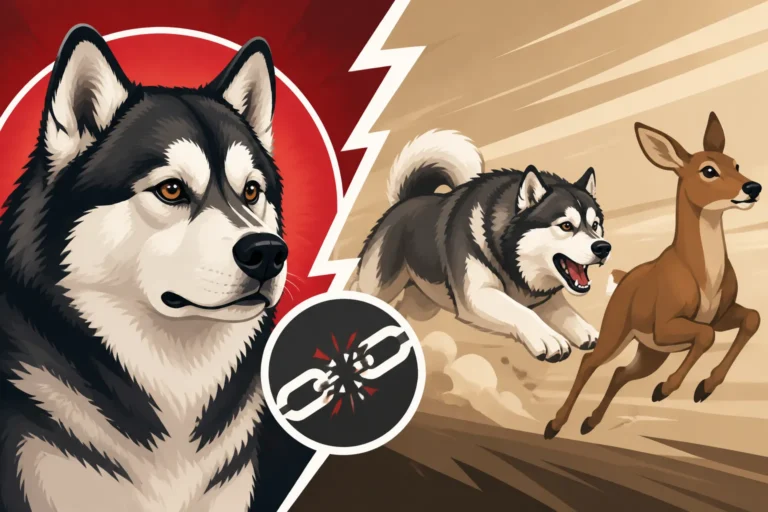
Perhaps one of the most significant factors working against a reliable recall in an Alaskan Malamute is their incredibly strong prey drive. These dogs were not just haulers; they were also vital hunting partners, assisting the Mahlemut in tracking and holding large game like seals and even bears. A Malamute Was Bred to Hunt Bears and It Has Not Forgotten, and those instincts are very much alive in the modern Malamute.
Picture this: you're walking your Malamute in a supposedly safe, fenced area, and suddenly a squirrel darts across their path. In that instant, every fiber of their being, every genetic memory of the chase, ignites. The squirrel becomes a primal target, overriding all training, all treats, and often, all sense of self-preservation. This isn't naughtiness; it's instinct. It’s a hardwired program that tells them to pursue, to hunt, to catch. This isn't limited to squirrels, either. Cats, rabbits, deer, even small dogs can trigger this powerful response. Their focus narrows, their hearing dims to everything but the rustle and scurry, and your voice becomes nothing more than background noise.
The Thrill of the Chase and the Joy of Freedom
Beyond the functional aspects of survival and hunting, there's a deeply rooted joy that Malamutes derive from running free. Anyone who has witnessed a Malamute in full flight, head down, tail streaming, covering ground with powerful, effortless strides, understands this. It's often called the "Malamute 500" – a sudden, explosive burst of running that seems to convey pure, unadulterated bliss. This innate desire to run, to explore, to feel the wind in their fur, is incredibly self-rewarding. The thrill of the chase and the joy of freedom is not just a phrase; it's a fundamental aspect of their being.
When a Malamute gets off-leash, even momentarily, they aren't just escaping; they are embracing a profound sense of freedom that few other breeds understand quite so deeply. The internal reward of this experience often far outweighs any external reward you could possibly offer—a delicious treat, a favorite toy, or even your most enthusiastic praise. They are, in that moment, living out their ancestral purpose: exploring, moving, feeling the vastness of the world. Trying to recall them from this state is like asking a bird to stay in its cage when the sky is open.
The Unique Malamute Communication Style
If you've spent any time around Alaskan Malamutes, you'll know they have a distinctive way of communicating. It's often not through barks but through a wonderful array of "woos," howls, and expressive body language. This unique communication style, coupled with their independent nature, shapes how they perceive and respond to human commands, particularly recall.
Selective Hearing: It's Not Disobedience, It's Choice
It's easy to accuse a Malamute of having "selective hearing." You call their name, they glance back, acknowledge you, and then turn their head to continue sniffing that interesting bush or pursuing that distant scent. It certainly looks like willful disobedience, and it can feel incredibly disrespectful. But for a Malamute, it's often more about weighing options and making a choice based on what they perceive as most advantageous or interesting to them at that moment.
These are highly intelligent dogs, capable of complex thought processes. They understand what "come" means. They're just very good at calculating the perceived value of responding versus the perceived value of continuing their current activity. If investigating a new smell or chasing a rustling leaf offers a higher immediate reward than returning to you for a piece of kibble, they will often choose the former. It’s not that they don't hear you; it's that they process your command as one input among many, and they often decide that other inputs are simply more compelling. This independent decision-making is a hallmark of the breed, a direct legacy of their survivalist past.
The Language of the Wilderness vs. Domestic Cues
Imagine living in a world where survival depends on acute senses and understanding subtle environmental cues. The rustle of a rabbit in the undergrowth, the scent of a distant animal, the shift in wind direction – these are the true languages of the wilderness that Malamutes are hardwired to understand. Human verbal commands, while important, are relatively new additions to their sensory world. When a sudden, exciting stimulus arises, their ancient brain prioritizes the primal language of the wild over your shouted command.
Your sharp "COME!" is a domestic cue, a sound that, while learned, doesn't always hold the same primal urgency or inherent reward as the natural world's whispers. They might respond in a quiet, controlled environment, where your voice is the most dominant stimulus. But introduce a deer bounding across a field, or another dog engaging in play, and your carefully taught cue struggles to compete. It's not that they can't learn domestic cues, but rather that their deepest instincts sometimes speak a much louder language, especially when the stakes (from their perspective) are high.
Why Traditional Recall Training Often Falls Short
Many standard dog training methodologies, particularly for recall, are designed for breeds that inherently crave human approval and cooperation. While Malamutes are affectionate and can be eager to please on their terms, their independence means that a "one-size-fits-all" approach to recall training often hits a wall.
High-Value Rewards Competing with High-Value Distractions
The cornerstone of positive reinforcement recall training is making "coming to you" the most rewarding option available. For many dogs, this works brilliantly. A tasty treat, a favorite toy, or enthusiastic praise can easily outcompete a mild distraction. However, with an Alaskan Malamute, the "distractions" are often incredibly high-value experiences in themselves, making your rewards seem meager in comparison.
Think about it: a piece of dry kibble versus the exhilaration of chasing a rabbit across an open field. For your Malamute, the field and the rabbit win every time. Even the most delectable hot dog or chunk of cheese might not compete with the sheer joy of unbridled running. While a high-value treat might work in your living room or a quiet park, the moment a genuine, instinct-triggering distraction appears, the scale often tips dramatically in favor of the distraction. This isn't a flaw in your training or your dog's intelligence; it's a fundamental difference in how Malamutes prioritize rewards and experiences.
The "One and Done" Mentality: They Learn Quickly
Malamutes are incredibly intelligent, which can be both a blessing and a curse in training. They learn exceptionally quickly, including learning the consequences of recall. If "come" always means the end of fun, getting put on a leash, or going home, they'll quickly make that association. They are not dogs that can be tricked or fooled repeatedly.
If you call your Malamute, and they eventually come, only to be immediately leashed and taken away from whatever fun they were having, they will eventually resist. They'll start to drag their feet, meander, or simply avoid eye contact, knowing what's coming. They're not being stubborn for the sake of it; they're rationally attempting to prolong their enjoyable activity. This "one and done" mentality means you have to be very strategic about how and when you practice recall, always striving to make the return a positive, sometimes even neutral, experience that doesn't immediately end the fun.
Consistency, Context, and the Elusive Perfect Environment
Effective training relies heavily on consistency and proofing behaviors in various environments. For a typical dog, gradually introducing distractions and practicing recall in different settings builds a solid foundation. For a Malamute, however, the gap between a controlled environment and a real-world scenario can be enormous and often insurmountable for recall.
A Malamute might have a flawless recall in your securely fenced backyard where there are no squirrels, no other dogs, and no intriguing human strangers. But take that same dog to a busy park, a dense forest trail, or even just a new neighborhood, and suddenly that perfect recall vanishes. The multitude of new scents, sights, and sounds, each triggering their inherent curiosity and prey drive, creates an entirely different context. The challenge is that you can never truly replicate the sheer, overwhelming pull of a high-value, instinct-driven distraction in a controlled training setting. This makes building a universally reliable recall incredibly difficult, often impossible, for the breed.
Managing a Malamute's Freedom: Prevention Over Cure
Given the Malamute's deep-seated instincts and the inherent challenges with recall, the most responsible and effective approach for their owners is often centered on prevention and diligent management, rather than solely relying on a perfect "come." It's about accepting who they are and creating a safe world around them.
The Absolute Necessity of a Secure Environment
If you own an Alaskan Malamute, your property needs to be a fortress. These dogs are master escape artists, driven by an insatiable curiosity and a desire to explore. A standard four-foot fence is often little more than a suggestion to a determined Malamute. They can jump surprisingly high, and if they can't jump over, they will dig under. Digging is a natural behavior for them, stemming from their need to burrow in snow or dirt for shelter and to unearth small prey.
Your fence should ideally be at least six feet tall, preferably made of sturdy materials like solid wood or heavy-gauge chain link. More importantly, it needs to be "dig-proofed." This means burying the fence line at least 18-24 inches deep with concrete footings or L-footings to prevent tunneling. Fencing a Yard Against a Malamute That Was Bred to Dig is a vital investment in their safety and your peace of mind. Double-gating systems are also highly recommended, providing an extra barrier between your Malamute and the great outdoors. Never leave your Malamute unsupervised in the yard, even for a moment, as they can exploit the smallest weakness. A lapse of even thirty seconds can be all they need to be over or under that fence.
Leash Laws and Long Lines: Their Lifeline
It cannot be stressed enough: for an Alaskan Malamute, a leash is not a constraint; it is a lifeline. Why an Alaskan Malamute Can Never Be Off Leash is a reality that every owner must accept. Their prey drive, combined with their instinct to roam and explore, means that an off-leash Malamute is a dog in potential danger, and a danger to wildlife or even other domestic animals. Respect local leash laws, not just because it's the law, but because it's the safest way to enjoy your Malamute.
Long lines (15-30 feet) can be an excellent tool for giving your Malamute a sense of freedom in a controlled environment. Use them in large, securely fenced areas, or on trails where you are absolutely certain there is no risk of encountering livestock or sensitive wildlife, and where the line cannot snag. Always ensure your Malamute wears a comfortable, well-fitting harness rather than just a collar when on a long line, to prevent neck injury if they hit the end of the line at speed. Furthermore, a GPS tracking collar, from companies like Fi or Whistle, can be an invaluable backup tool, providing peace of mind and significantly increasing the chances of recovery should an escape happen. Remember, these are management tools, not substitutes for a physical leash. Whether a GPS Collar Is Essential for a Malamute is a question many owners answer with a resounding yes.
Creating Engaging, Controlled Exercise Opportunities
Since free-running off-leash is rarely a safe option, it's crucial to provide your Malamute with other outlets for their immense energy and working drive. These dogs were bred to work, and they thrive on purpose. Engaging them in activities that tap into their natural inclinations can significantly reduce their desire to "self-employ" by escaping.
Activities like weight pulling, sledding (or dryland mushing with a cart or scooter), and canicross are fantastic ways to fulfill their desire to pull and expend energy. Pulling Is the Only Job an Alaskan Malamute Really Wants, and channeling this natural urge can be incredibly satisfying for them. Hiking on leash in varied terrain, allowing them to carry a backpack with some weight, also engages their physical and mental capacities. Look for local clubs or groups that offer these types of structured activities. For mental stimulation, consider advanced obedience, scent work, or even just puzzle toys and regular training sessions to keep their intelligent minds busy. A tired Malamute is a good Malamute, but more importantly, a fulfilled Malamute is a happier, safer companion.
Rebuilding Trust: Training for Management, Not Perfection
While the goal of a 100% reliable recall for an Alaskan Malamute is often unrealistic, it doesn't mean you should give up on training it entirely. Instead, shift your mindset from achieving "perfection" to building a functional, trustworthy recall for management purposes, and strengthening your overall bond.
The Foundation: Relationship and Respect
Before any command, especially one as critical as recall, can be effective, you need a strong relationship built on trust and mutual respect. A Malamute won't blindly obey; they will choose to respond to an owner they have a deep connection with, who provides clear leadership, and whose requests are consistently rewarding. This means spending quality time with your dog, engaging in play, grooming, training, and simply being a consistent, fair presence in their life.
Positive reinforcement is key. Why Force Fails on an Alaskan Malamute is a critical lesson for any owner. These independent, often sensitive dogs shut down or become more stubborn when faced with harsh corrections or force. Instead, focus on building their confidence, rewarding desired behaviors generously, and making every interaction a positive experience. When your Malamute genuinely enjoys being with you and sees you as a source of all good things, they are far more likely to engage with your commands, even if only to get back to the good stuff you offer.
The "Emergency Recall" – A Different Approach
Since everyday recall can be so challenging, many Malamute owners establish a separate, "emergency recall" cue. This is a special, extremely high-value command that is never used for normal situations. It could be a specific word you don't use otherwise (e.g., "ATTENTION!") or a distinct whistle pattern. The rules for an emergency recall are strict:
- Only for emergencies: Never use it to call your dog in from the yard, or when they are just mildly distracted. Save it for when you absolutely need them back.
- Massive reward, every single time: When you use the emergency recall, the reward must be utterly irresistible and consistent. Think a whole cooked chicken, a giant handful of prime steak, or an extended, exuberant play session with their favorite toy. This reward must be far superior to anything they could possibly find in the environment.
- No punishment: Coming back to this cue should never lead to anything negative. No scolding, no immediate leashing and going home (unless it's a true emergency that requires it). If possible, reward, praise, and then let them go back to whatever they were doing for a few minutes before calling them in with a regular recall.
- Practice in low-distraction environments: Practice this cue only a handful of times in very controlled settings, making it a huge, positive event, then put it away. You don't want to "poison" it by over-using it or associating it with everyday experiences. The idea is to keep it fresh, powerful, and utterly unique in its rewarding potential.
Everyday Check-Ins and Fun Recalls
Beyond the emergency recall, integrate frequent, fun recall practice into your daily routine, both indoors and in safe, fenced outdoor areas. Instead of calling your Malamute only when you need them for something, call them just to say hello, give a quick treat, a head scratch, and then let them go. Make coming to you a game. Hide and call their name, run away from them to encourage them to chase you, then reward them when they catch up.
The key is to make coming to you a positive, low-pressure experience that happens frequently and isn't always followed by the end of fun. Use high-value treats that are a step above their regular kibble. Consistency in positive experiences will gradually build a stronger association with your voice and the command, even if it never reaches the iron-clad reliability of other breeds. Think of it as building a habit of checking in, rather than enforcing an absolute command.
Tools and Resources for the Realistic Malamute Owner
Living with an Alaskan Malamute means being prepared. Since reliable recall is a perpetual challenge, having the right tools and knowing where to turn for support are paramount for their safety and your peace of mind.
Essential Gear for Safety and Control
Investing in the right equipment is non-negotiable for a Malamute owner. You need gear that can withstand their power and prevent escapes:
- Strong, escape-proof harness: A well-fitting harness is crucial for controlling a pulling Malamute without putting strain on their neck. Look for harnesses with a front clip option, which can help redirect their pulling power, or those designed specifically for strong breeds. Brands like Ruffwear or similar durable options available on platforms like Amazon offer excellent choices. Avoid back-clip harnesses exclusively, as they can encourage pulling.
- Sturdy leashes and long lines: A strong, comfortable leash that won't snap under pressure is a must. A standard 6-foot nylon or leather leash is good for everyday walks. For controlled exercise in safe areas, a 15-30 foot long line made of biothane or durable nylon provides freedom while maintaining connection. Ensure you have a good grip on the long line and inspect it regularly for wear and tear.
- GPS Tracking Collar: As mentioned, a GPS tracker is an essential backup for any Malamute. While it won't prevent an escape, it significantly increases the chances of finding your dog if they do get loose. These devices typically attach to their regular collar and use cellular or satellite technology to pinpoint their location. Whether a GPS Collar Is Essential for a Malamute is a question worth considering carefully, and many owners find it to be a worthwhile investment.
Training Aids and Professional Guidance
While you might adjust your expectations for recall, consistent training is still vital for a well-behaved Malamute. Knowing what works best for their unique temperament is key:
- Positive Reinforcement and Clicker Training: These methods are incredibly effective for Malamutes. They respond well to clear markers (like a clicker) that tell them exactly what behavior earned the reward. This approach builds enthusiasm and avoids the confrontation that often makes Malamutes shut down.
- Professional Trainers: If you're struggling, don't hesitate to seek out a professional dog trainer, but be selective. Look for trainers who specialize in positive reinforcement and have extensive experience with independent, primitive breeds like Alaskan Malamutes or Siberian Huskies. Avoid any trainer who advocates for dominance theory, alpha rolls, or harsh correction methods, as these are detrimental to the Malamute temperament. An online platform like BAXTER & Bella offers virtual training programs that can be tailored to your Malamute's needs and can provide invaluable support and guidance from experienced trainers.
- Muzzle Training: Although not directly related to recall, teaching your Malamute to comfortably wear a muzzle is an important safety measure for any strong-willed dog. In an emergency, for vet visits, or if your dog ever needs to be around smaller animals, a muzzle can prevent accidents and ensure safety. It's a tool of responsible ownership, not a sign of a "bad" dog.
Embracing the Malamute's True Nature
Ultimately, successfully living with an Alaskan Malamute and their challenging recall comes down to embracing their true nature. They are magnificent, independent, intelligent animals with a rich history rooted in survival and self-reliance. They are not Golden Retrievers or Border Collies, and expecting them to behave like those breeds will only lead to frustration for both you and your dog.
Accept that while you can improve their attentiveness and responsiveness, a perfectly reliable, off-leash recall in all environments is likely an unattainable fantasy. Instead, focus on rigorous management, consistent positive training, fulfilling their needs through appropriate activities, and building an unbreakable bond of trust. Celebrate their unique quirks, their stubborn streak, and their profound independence. With realistic expectations and diligent care, your Malamute will thrive as a beloved and safe companion, even if they always keep one ear perked for the call of the wild.
| Feature / Trait | Alaskan Malamute (Typical) | Other Highly Trainable Breeds (e.g., Retriever, Herder) |
|---|---|---|
| Primary Motivation | Self-interest, exploration, primal instincts | Human approval, cooperation, task fulfillment |
| Prey Drive | Extremely high, easily overrides commands | Moderate to low, often can be trained through |
| Response to Distraction | Highly susceptible, selective hearing | Can be trained to focus despite distractions |
| Recall Reliability | Generally unreliable off-leash in open environments | High reliability with consistent training |
| Need for Containment | Absolutely essential (high fences, leashes) | Often can be trusted off-leash in safe areas |
| Exercise Fulfillment | Needs purpose-driven work (pulling, hiking) | Enjoys a wider range of activities, less "job" specific |
| Training Approach | Positive reinforcement, patience, consistency | Positive reinforcement, often responds well to force-free |
| Intelligence | High, but often applied to independent problem-solving | High, often applied to learning and performing commands |
Disclaimer
This article is for general informational purposes only and does not constitute professional advice. Laws, prices and regulations vary by location and change over time. Consult a qualified professional for guidance on your specific situation.