How a Malamute Grieves a Lost Housemate
Losing a beloved animal companion is an incredibly painful experience, a wrenching sorrow that settles deep in your heart. And if you share your life with an Alaskan Malamute, you've likely discovered just how profoundly they bond with their pack, often including other furry housemates. When one of these cherished members passes, it leaves a void that your Malamute feels acutely, and their grief can manifest in ways that are both heartbreaking and confusing. This guide will walk you through understanding and supporting your Malamute as they navigate the difficult journey of losing a friend, helping you both find comfort during this tender time.
Understanding Malamute Bonds and the Nature of Their Grief
It's easy to assume that only humans mourn deeply, but anyone who has lived with a Malamute knows this isn't true. These magnificent dogs are not just pets; they are deeply social, pack-oriented creatures whose entire world revolves around their family unit. When a member of that unit, especially a canine companion, is no longer there, it creates a profound emotional disruption.
The Deep, Pack-Oriented Connections of Malamutes
Alaskan Malamutes are, at their core, pack animals. This isn't just a quaint descriptor; it's fundamental to their very being and how they perceive the world. In the wild, their survival depended on the strength and cohesion of their pack. While our modern homes are a far cry from the Arctic tundra, these ancient instincts remain incredibly strong. Your Malamute views you, your family, and any other pets in the household as their pack. They form incredibly strong, often unspoken, bonds with these individuals.
Think about how your Malamutes interact on a daily basis. Perhaps they always curl up together for naps, even if it's just a paw touching, or they'll lie back-to-back, facing opposite directions, effectively guarding each other. Maybe they have a favorite game they always play, complete with ritualistic chases and playful nips, or a shared spot on the couch that’s become their domain. They communicate in subtle barks, nuanced growls, and characteristic Malamute "woos," often developing their own language that only their housemate seems to truly understand. Why a Malamute Wooes Instead of Barking These aren't just casual friendships; they are deeply ingrained social structures, routines, and emotional dependencies. When one of these constant presences vanishes, it's not merely an absence; it's a disruption of their entire understanding of safety, routine, and companionship. It’s a loss that hits them right at the core of their pack identity.
How Grief Manifests Differently in Dogs
It's crucial to understand that while dogs grieve, they don't process death with the same cognitive understanding as humans. They don't grasp the finality of "forever" or intellectualize the concept of mortality. Instead, their grief is a visceral, emotional, and behavioral response to the absence of a loved one and the sudden, unexplained change in their world. They know their companion is simply gone. The familiar scent, the body heat, the wrestling partner, the other half of their greeting chorus – all are suddenly missing.
This absence can manifest as confusion, anxiety, sadness, and even depression. Imagine waking up one day and a fundamental part of your daily life, your routine, and your emotional support system is simply no longer there, with no explanation. That's closer to what your Malamute experiences. Their grief often appears as a blend of behavioral changes that can mimic symptoms of illness, or simply a profound sadness that is unmistakable to their devoted human companion. Their usual joy in a walk, their excitement for mealtime, or their enthusiasm for a favorite toy might completely disappear. It’s a very real emotional pain, and it’s important to acknowledge it as such, rather than dismiss it as simply "missing their friend."
Common Signs of Grief in an Alaskan Malamute
When a Malamute is grieving, their behavior can change dramatically. It’s important to remember that every dog is an individual, and just like people, they will experience and express grief in their own unique way. However, there are some common patterns to look for.
Behavioral Changes You Might Observe
The loss of a housemate can lead to a wide spectrum of behavioral shifts in your Malamute. Some might become overtly sad, while others may seem confused or anxious.
- Loss of Appetite or Changes in Eating Habits: This is one of the most common signs. A Malamute who was always eager for mealtime might suddenly turn their nose up at food, or only pick at it. Some might even refuse to eat for days. Conversely, a stressed Malamute might eat more as a coping mechanism, though this is less common. If your Malamute, known for its efficient metabolism, suddenly isn't interested in food, pay close attention. It's not just about the food; it's about the disruption of their routine and perhaps the missing ritual of eating together.
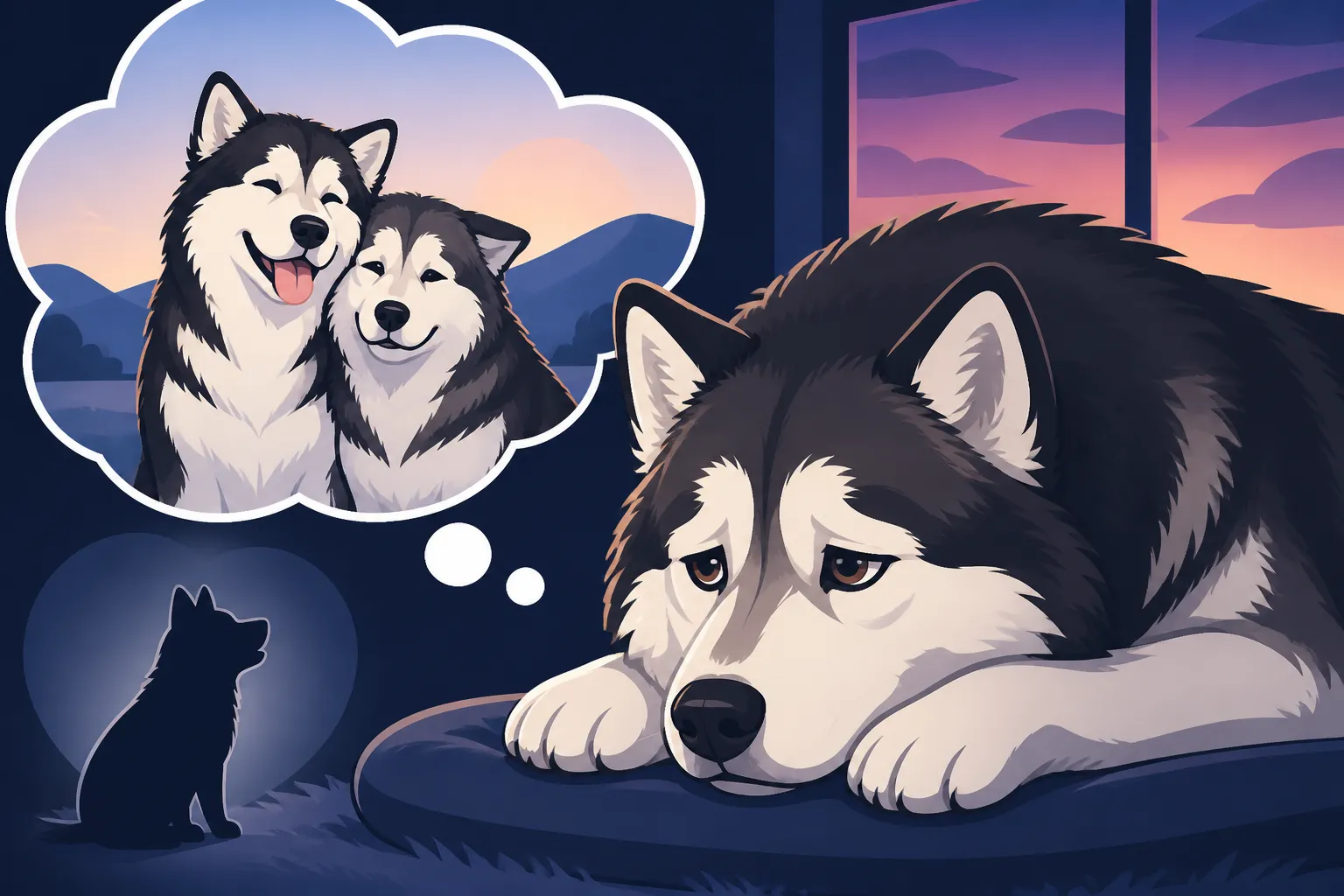
- Lethargy and Decreased Activity: Your usually boisterous and energetic Malamute might become incredibly withdrawn. They may sleep more than usual, seem less interested in their regular walks or playtime, and generally just lack their typical Malamute spark. They might spend more time curled up in their bed, seemingly lost in thought, or just lying around listlessly. This isn't laziness; it's often a sign of canine depression or profound sadness.
- Seeking Attention or Clinginess: Some Malamutes will become intensely needy, almost as if they're trying to fill the void left by their lost companion by demanding more attention from you. They might follow you from room to room, lean on you constantly, whine softly, or paw at you for reassurance. They are looking for comfort and confirmation that their remaining pack members are still there and stable.
- Withdrawal and Isolation: On the other end of the spectrum, some Malamutes might retreat into themselves. They might find a quiet corner of the house, perhaps a spot where they and their lost companion used to nap, and avoid interaction. They might not respond to their name as readily or show little interest when you try to engage them. This can be particularly heart-wrenching to witness in such a typically gregarious breed.
- Anxiety and Restlessness: Grief can also manifest as anxiety. Your Malamute might pace aimlessly, especially around the times they would have interacted with their lost friend. They might whine or sigh frequently, unable to settle down. This restlessness can be particularly noticeable at night, when the house is quiet and the absence might feel most acute. It's a sign of their emotional distress and confusion.
- Searching Behaviors: This is a truly poignant sign. Your Malamute might wander through the house, sniffing intensely in places their companion used to sleep or lay. They might wait by the door for extended periods, hoping their friend will return, or even go to the food bowl at mealtimes and look for the other dog. These behaviors indicate a clear understanding that someone is missing and a desperate hope for their return.
- Changes in Vocalization: A typically vocal Malamute, known for their expressive "woos" and chuffs, might suddenly become silent. Or, conversely, they might start howling more frequently, a mournful sound that speaks volumes of their sadness. They might use a different kind of vocalization, a whimper or a low groan, that you've never heard before. Whether a Malamute's Voice Change Means Nerve Disease While you might consider Why a Malamute Wooes Instead of Barking to be their normal, happy communication, grief can alter this dramatically.
Physical Manifestations and Health Considerations
Beyond behavioral changes, grief can also take a toll on your Malamute's physical well-being. Their bodies, much like ours, can react to severe stress and emotional upset.
- Changes in Sleep Patterns: While some Malamutes may become lethargic and sleep more, others might struggle to sleep deeply. They could wake up frequently, appear restless during sleep, or even suffer from insomnia, especially if they relied on their companion for comfort or a sense of security during rest.
- Digestive Upset: Stress and anxiety can manifest physically in the form of gastrointestinal issues. Your Malamute might experience diarrhea, vomiting, or a general upset stomach. This is often directly linked to the emotional distress they are enduring. Always be mindful of changes in stool or any signs of nausea.
- Dull Coat and Weight Loss: A Malamute's coat, usually thick and lustrous, might become dull and shed more excessively than usual outside of their normal coat blows. This can be a secondary effect of poor appetite leading to nutritional deficiencies, or simply a reflection of general poor health due to stress. If they are refusing food for an extended period, weight loss can become a serious concern, especially for a large breed like the Alaskan Malamute.
- Increased Vulnerability to Illness: Chronic stress can suppress the immune system. A grieving Malamute might be more susceptible to minor infections, or existing conditions might worsen. This makes it even more critical to monitor them closely.
It’s absolutely vital to remember that any significant change in appetite, energy level, or the onset of digestive issues should always warrant a visit to your veterinarian. While these can be signs of grief, they can also be symptoms of an underlying medical condition. It's important to rule out any physical ailments before attributing everything solely to grief. Your vet can assess their overall health, provide advice on managing stress, and ensure there isn't another issue at play.
Helping Your Grieving Malamute Cope
Navigating your Malamute’s grief can feel overwhelming, especially when you're dealing with your own sadness. However, your consistent, loving support is the most powerful tool you have to help them heal.
Maintaining Routine and Providing Comfort
In times of great uncertainty and emotional upheaval, routine acts as an anchor. Malamutes thrive on predictability, and sticking to their established schedule can provide a much-needed sense of security and normalcy.
- Stick to the Schedule: Try your best to maintain regular feeding times, even if they aren't eating much initially. Keep walk times consistent, even if they show less enthusiasm for them. The very act of upholding these rituals, even if imperfectly, signals to your Malamute that the world hasn't completely fallen apart. A predictable environment can significantly reduce anxiety.
- Offer Physical Comfort and Reassurance: Malamutes are often tactile dogs. Offer extra cuddles, long grooming sessions, or simply sit with them. Allow them to lean on you, curl up at your feet, or even sleep closer to your bed if they normally don't. Your physical presence and gentle touch can be incredibly soothing. A soft blanket or a special dog bed might also provide a comforting retreat.
- Handle Deceased Dog's Items Thoughtfully: This is a tricky one, and it's highly individual. Some Malamutes find comfort in the scent of their lost companion's favorite blanket or toy, almost as if it's a piece of them still there. Others might become more distressed by these reminders, constantly searching for the missing dog. Observe your Malamute closely. If they seem to find solace in sniffing a bed or toy, you can leave it out. If it causes them more anxiety, gently put it away for a while, perhaps wash it to remove the scent, and reintroduce it later if you wish. There's no right or wrong answer here; it's about what brings your Malamute peace.
Encouraging Engagement and Positive Reinforcement
While respecting their need for quiet, it’s also important to gently encourage your Malamute back into engaging with life. Small, positive interactions can gradually lift their spirits.
- Gentle Play and Enrichment: Don't force vigorous play if they're not up to it. Instead, try short, low-pressure games. A puzzle toy filled with high-value treats can engage their mind and offer a positive distraction. A brief game of tug-of-war, or a slow walk on a new trail can stimulate their senses without overwhelming them. Malamutes, being intelligent and task-oriented, benefit greatly from mental stimulation.
- Short Training Sessions: Even a few minutes of revisiting familiar commands like "sit," "stay," or "down" can be beneficial. Use their favorite treats as rewards and keep the sessions positive and upbeat. This reinforces your bond, reminds them of their capabilities, and provides a sense of accomplishment. Platforms like BAXTER & Bella can be great for structured, positive reinforcement training from home, offering a routine and mental exercise without the pressure of an external class. A new, exciting chew toy from Amazon can also provide hours of healthy distraction.
- Embrace Their Working Drive: Remember, Malamutes were bred to work and pull. Engaging in appropriate pulling activities, even light ones like pulling you on a scooter or wagon in cool weather, can be a fantastic emotional and physical outlet. This taps into their innate drive and can provide a strong sense of purpose. Consider activities like canicross or even just a long, structured walk with a harness. Pulling Is the Only Job an Alaskan Malamute Really Wants
- Patience and Celebration of Small Victories: Healing isn't linear. There will be good days and bad days. Don't get discouraged if your Malamute regresses. Celebrate every tiny step forward – a wag of the tail, a moment of interest in a toy, finishing a meal. Your patience and unwavering positive attitude will be their guiding light. Remember, The Adolescent Malamute That Rewrites the Rules at Fourteen Months will still need your guidance and patience in this new challenge.
Considering a New Companion or Professional Support
Sometimes, despite your best efforts, a Malamute's grief can be prolonged or severe, or you might find yourself wondering about the next steps for your pack.
- Timing of a New Companion: This is one of the toughest decisions. While some people believe a new puppy will "fix" the problem, it's rarely that simple. A new dog is a new relationship, not a replacement. Bringing a new dog into the home too soon can overwhelm your grieving Malamute or even lead to resentment. It’s vital to ensure your Malamute has processed some of their grief and is showing signs of recovery before considering another companion. If you do decide to introduce a new dog, be mindful of potential issues like Same Sex Aggression in a Pack Bred Alaskan Malamute, especially if you're bringing in another dog of the same gender.
- Professional Help: If your Malamute's grief is severe, prolonged (lasting more than a few weeks with no improvement), or impacting their physical health significantly, don't hesitate to seek professional help. Your veterinarian can recommend a certified veterinary behaviorist or a professional dog trainer experienced in canine grief. They can offer tailored strategies, behavioral modification techniques, and sometimes, short-term medication or supplements to help ease anxiety or depression. There are gentle, calming supplements available through online retailers like Amazon that your vet might suggest, too.
- Malamute Rescue Organizations: If you are considering adding another Malamute, many Alaskan Malamute rescue organizations are excellent resources. They often have experienced foster homes who can assess an older rescue dog's temperament and help you find a suitable companion that might integrate more smoothly into your grieving household, rather than a boisterous puppy.
The Owner's Own Grief and Its Impact
It’s easy to focus solely on your Malamute during this time, but it’s crucial to acknowledge your own heartache. You've lost a family member, and your grief is valid and real. Understanding how your own emotions can affect your sensitive Malamute is key to supporting both of you.
Acknowledging Your Own Loss
The bond we form with our dogs is unlike any other. They are constant companions, confidantes, and sources of unconditional love. Losing a pet leaves an enormous hole in your life, disrupting routines, causing quiet spaces where there was once playful noise, and leaving behind a profound sense of emptiness. It’s perfectly normal, and indeed necessary, to mourn this loss. Don't minimize your feelings or feel guilty for grieving a pet as deeply as you would a human family member. You've shared years of your life with this animal – perhaps The Ten to Fourteen Years an Alaskan Malamute Lives – and that connection runs deep.
Malamutes are incredibly perceptive creatures. They are highly attuned to human emotions and body language. If you are constantly sad, crying, or withdrawn, your Malamute will pick up on this. They don't understand why you're sad, but they will sense your distress, and it can add to their own confusion and anxiety. They might even feel a need to comfort you, or they might mirror your sadness, making it harder for them to heal. Your emotional state, while completely understandable, can inadvertently impact their journey through grief.
Finding Strength Together
While it’s vital to allow yourself to grieve, there are ways to find strength and comfort in your Malamute's presence, allowing you both to heal, albeit at different paces.
- Practice Self-Care: You cannot pour from an empty cup. Make sure you are also taking care of yourself – eating, sleeping, and allowing yourself moments of peace. Seeking support from friends, family, or a grief counseling service for pet loss can be incredibly beneficial. The healthier and more stable you are emotionally, the better you can support your Malamute.
- Share Quiet Moments: Sometimes, the most healing thing you can do is simply be with your Malamute. Sit quietly together, offering gentle strokes. Go for peaceful walks, allowing them to sniff and explore at their own pace. These shared, calm experiences reinforce your bond and provide a sense of mutual comfort. It’s a reminder that even though one pack member is gone, the rest of the pack is still strong and together.
- Remember, Healing Takes Time: Grief is not something you "get over"; it's something you learn to carry. For both you and your Malamute, the journey through grief is unique and has no set timeline. There will be good days and bad days, moments of joy mixed with pangs of sadness. Be patient with yourself and with your Malamute. Focus on the present, one day at a time, and trust that with love, consistency, and patience, you will both find a new sense of peace and a way to honor the memory of the loved one you’ve lost.
| Sign of Grief | How it Manifests in a Malamute | Coping Strategy |
|---|---|---|
| Loss of Appetite | Refusal to eat, picking at food, weight loss. | Maintain routine, offer high-value treats, consult vet to rule out illness. |
| Lethargy/Withdrawal | Sleeping more, lack of interest in walks/play, hiding. | Gentle encouragement for short activities, quiet companionship, extra cuddles. |
| Anxiety/Restlessness | Pacing, whining, inability to settle, searching for lost companion. | Stick to routine, provide mental enrichment (puzzle toys), consider vet/behaviorist. |
| Clinginess/Attention Seeking | Following you everywhere, constant nudging, increased vocalization. | Offer reassurance, engage in calm petting, acknowledge their need for connection. |
| Changes in Vocalization | More howling, less characteristic wooing, or unusual silence. | Respond calmly, maintain routine, gently encourage normal interaction, rule out pain. |
| Digestive Upset | Diarrhea, vomiting, upset stomach due to stress. | Vet visit to rule out illness, bland diet, minimize other stressors. |
Disclaimer
This article is for general informational purposes only and does not constitute professional advice. Laws, prices and regulations vary by location and change over time. Consult a qualified professional for guidance on your specific situation.