Why a Malamute Digs to Stay Cool
Finding your yard peppered with fresh craters can be incredibly frustrating, especially when you've put so much effort into your landscaping. It often feels like your Alaskan Malamute is intentionally trying to redecorate with holes, but the truth is, a lot of that digging, especially when the mercury rises, is an ancient, instinctual behavior driven by a very real need: to stay cool. This guide will dive deep into why your magnificent Malamute feels compelled to excavate, and how you can manage this natural behavior while keeping them comfortable and your garden a little less lunar.
The Instinctual Roots of Malamute Digging
When you see your Malamute systematically scooping out dirt, it's not just mischief; it's a profound instinct, deeply wired into their very being. These dogs hail from a harsh, unforgiving environment, and many of their behaviors, including digging, are survival mechanisms honed over centuries. Understanding this helps us move past frustration and towards empathetic solutions.
A Legacy of Arctic Living
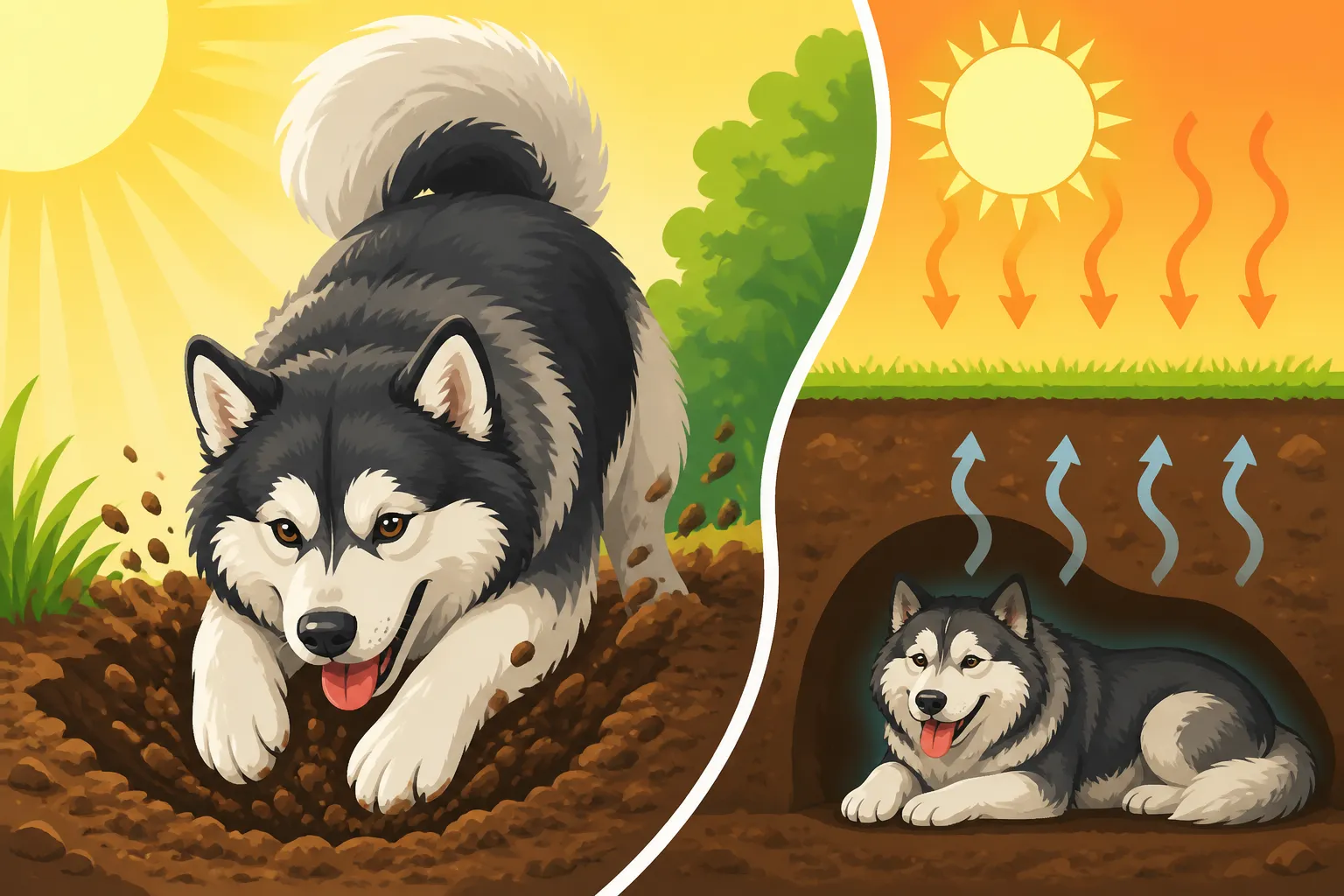
Imagine living in a place where the sun beats down relentlessly on open tundra in summer, or where freezing winds whip across vast, treeless expanses. For the Mahlemut people and their dogs, survival depended on resourcefulness. While we often think of Malamutes thriving in the snow, they also had to contend with periods of intense heat in the Arctic summer. Snow would melt, turning into mud and exposing bare, often sun-baked earth. The ground, however, retains a much cooler temperature just a few inches below the surface, even when the air is scorching.
Their ancestors learned to create shelters, whether from snow in winter or by digging into the earth in summer. This wasn't a recreational activity; it was a matter of life or death. A cool depression in the ground offered a vital reprieve from overheating, a place where they could regulate their body temperature and conserve energy. This practice became ingrained, a genetic blueprint passed down through generations, meaning your modern Malamute carries that ancient wisdom in their DNA. It’s why you might witness them digging even when a perfectly good shade tree is nearby; the ground itself is the desired cooler surface.
Beyond Simple Boredom
While it's true that a bored Malamute can and will dig – sometimes just for the sheer joy of it, or to find buried treasures (or forgotten toys!) – attributing all digging to boredom misses a crucial point, especially in warmer weather. If your Malamute has had plenty of exercise, mental stimulation, and companionship, yet you still find them diligently digging shallow depressions in shaded areas or against the cool side of the house, heat is almost certainly a primary motivator.
It's easy to assume they're just being destructive or not listening, but in their mind, they're performing a vital function, one that their ancestors relied upon. Dismissing it as mere naughtiness can lead to ineffective training methods or, worse, misunderstanding their needs. Their powerful paws and strong desire to dig are not simply for entertainment; they are tools for survival, used to create a personal sanctuary from environmental stressors. You might also notice them trying to eat the dirt, which can sometimes be a sign of mineral deficiency, but if it's accompanied by panting and seeking cool spots, it's more likely about temperature regulation. Why a Malamute Cannot Be Stopped From Digging explores this deeply ingrained behavior further.
The Science Behind the "Cooling Pit"
It might seem rudimentary, but the "cooling pit" your Malamute creates is surprisingly effective, employing basic thermodynamic principles to provide relief from the heat. They're not just digging random holes; they're creating a strategic, purpose-built sanctuary.
Accessing Cooler Earth
The ground acts as a natural insulator and heat sink. Even on the hottest days, the earth a few inches below the surface remains significantly cooler than the ambient air temperature. This is because the sun's rays don't penetrate deeply, and the ground itself has a high thermal mass, meaning it absorbs and releases heat slowly.
When your Malamute digs down, they are exposing this cooler layer of earth. They'll often lie directly in the excavated area, allowing the cooler soil to draw heat away from their belly, chest, and paws – areas where they have less fur and where blood vessels are closer to the surface. This direct contact cooling is far more efficient for them than simply lying on top of hot grass or pavement. Think of it like a natural, self-made cooling pad, much more effective than a mat that warms up over time. It’s a primal response that harnesses the earth’s stable temperature.
Creating a Microclimate
A Malamute's digging isn't just about reaching cool earth; it also creates a localized microclimate. The depression itself offers a degree of shade, blocking direct sunlight. Furthermore, the act of digging can churn up slightly moist soil, which, as it evaporates, can have a mild cooling effect on the air within the pit.
The sides of the hole also provide a barrier against any light breeze, which, paradoxically, can be beneficial. While a strong wind might feel nice to a human, it can also carry hot air. A semi-enclosed pit creates a pocket of air that, once cooled by the earth, stays relatively stable. This combination of cooler ground contact, shade, and a slightly modified air temperature within the pit makes for a powerful natural cooling system. It’s a testament to their innate intelligence and adaptability, demonstrating how well they understand their own physiological needs in relation to their environment. This is particularly important for a breed known to struggle in heat. Summer Is the Season That Kills Alaskan Malamutes highlights the dangers they face.
Recognizing When Heat is the Driver
It’s crucial to differentiate between a Malamute digging out of boredom or for sheer entertainment, and one digging because they are genuinely hot. Recognizing the signs can help you intervene appropriately and prevent serious heat-related issues.
Seasonal Patterns and Timing
Heat-related digging tends to be seasonal. You’ll notice an increase in this behavior during late spring, summer, and early fall, especially on days when temperatures climb quickly. Pay close attention to the time of day your Malamute is digging. If they are most active with their excavations during the hottest parts of the day – late morning through afternoon – it’s a strong indicator they’re seeking relief from the heat. Similarly, if they target shaded areas, under bushes, or against the cool foundation of your house, rather than just random spots in the sun, heat is likely the primary motivation.
You might also observe that this type of digging subsides as evening approaches and temperatures drop. If your Malamute stops digging and opts for a cooler indoor spot or simply lies down on the patio as the sun sets, it reinforces the idea that their earlier efforts were all about temperature regulation. The Temperature at Which a Malamute Should Stay Indoors provides helpful guidelines on safe temperatures.
Accompanying Signs of Overheating
Beyond the digging itself, your Malamute will likely exhibit other signs if they are genuinely feeling the heat. These can range from subtle to severe:
- Excessive Panting: This is their primary way of cooling down. If their panting is rapid, heavy, and doesn't subside even when resting, they're likely too hot.
- Seeking Shade or Cool Surfaces: Even if they're not digging, they'll gravitate towards any cool tile floor, shady spot, or a water source.
- Lethargy or Reduced Activity: A hot Malamute will be less interested in playing or moving around, preferring to conserve energy.
- Drooling: More drool than usual can indicate overheating.
- Bright Red Gums or Tongue: While some panting causes redness, an unusually vivid red can be a warning sign.
- Elevated Body Temperature: If you can safely take their temperature (rectally), anything over 103°F (39.4°C) is cause for concern.
- Vomiting or Diarrhea: These are serious signs of heatstroke and require immediate veterinary attention.
If you observe digging accompanied by any of these symptoms, particularly the more severe ones, it's not just a nuisance; it's an emergency. Get your Malamute indoors, start cooling them down, and contact your vet. Signs an Alaskan Malamute Is Overheating and How to Cool an Overheated Alaskan Malamute offer critical advice on these situations.
Managing the Digging Impulse for Your Malamute's Comfort
While you can't erase a Malamute's instinct to dig, you can certainly manage it. The goal isn't to stop them entirely, but to redirect the behavior and provide effective alternatives for their comfort, especially during warmer months.
Providing Alternative Cooling Solutions
Since their primary goal with heat-related digging is to cool down, offering alternative, safer, and equally effective cooling methods can significantly reduce their desire to excavate your yard.
- Cooling Beds and Mats: There are many excellent cooling beds available, some gel-filled that absorb heat, others elevated mesh beds that allow air circulation underneath. You can find a good selection on platforms like Amazon. These can be placed in shaded areas outdoors or on cool indoor surfaces.
- Kiddie Pools: A shallow plastic kiddie pool filled with a few inches of water can be a godsend. Many Malamutes absolutely adore splashing and lying in cool water, providing instant relief. Place it in a shaded area and keep the water fresh.
- Access to Indoors: During the hottest parts of the day, the best place for your Malamute is often inside, in an air-conditioned or well-ventilated space. Make sure they have a comfortable, cool spot to lie down. What Cooling a House for a Malamute Costs in Summer discusses related expenses.
- Frozen Treats and Ice: Offer ice cubes in their water bowl, or create large ice blocks with treats frozen inside for them to lick and enjoy. You can also freeze Kong toys filled with wet food or peanut butter.
- Cooling Vests and Bandanas: These items, often soaked in water, can help keep their core temperature down during supervised outdoor time. Ensure they are designed for dogs and fit well. Which Cooling Gear Reaches a Malamute Through Its Coat delves into effective options.
- Timing of Exercise: Adjust your walking and play schedule to early mornings or late evenings when temperatures are much lower. Avoid midday heat entirely. Even if it doesn't feel that hot to you, their thick double coat traps heat. How Long an Alaskan Malamute Can Be Outside at Ninety Degrees provides perspective on safe outdoor limits.
Establishing a Designated Digging Zone
If your Malamute is determined to dig, why not give them a place where it's not only allowed but encouraged? A designated digging pit can be a fantastic outlet for this natural behavior.
- Choose the Right Spot: Select an area in your yard that's a bit out of the way, preferably in a shaded location or one that gets shade during the hottest parts of the day.
- Define the Boundary: Use landscaping timbers, rocks, or even an old tire to create a clear border for the digging pit. This helps your Malamute understand where digging is permitted.
- Fill with Appropriate Material: You can fill it with loose sand, a mix of sand and dirt, or even just fresh, loose topsoil. The softer the material, the easier and more rewarding it is for them to dig.
- Introduce and Encourage: When you first introduce the pit, bury some of their favorite toys or high-value treats just below the surface. Encourage them to "find it!" This teaches them that this specific area is for digging.
- Consistency is Key: Whenever you see them start to dig elsewhere, gently redirect them to their digging pit. Consistency and positive reinforcement are vital for success. Programs like those offered by BAXTER & Bella can provide structured guidance on redirecting unwanted behaviors like indiscriminate digging. Over time, they’ll learn that the digging pit is their special spot. For more detailed instructions, check out Giving an Alaskan Malamute Its Own Digging Pit.
Modifying Your Yard for a Cooler Canine
Beyond immediate solutions, consider making some long-term changes to your yard that inherently make it a cooler, more comfortable space for your Malamute, thus reducing their need to self-cool through digging.
- Increase Shade: Plant more trees or shrubs that will eventually provide natural shade. For immediate relief, consider installing shade sails or canopies over areas where your Malamute spends time.
- Cooler Ground Cover: Replace heat-retaining materials like dark asphalt or large expanses of concrete with cooler options. Grass is generally cooler than hardscaping, but even better, consider permeable pavers or gravel in areas where grass struggles.
- Strategic Watering: Lightly dampen certain areas of your lawn or designated digging pit a couple of times a day during peak heat. The evaporating water will create a slightly cooler surface for your Malamute to lie on. Ensure it doesn't create muddy, unsanitary conditions, though.
- Outdoor Water Access: Make sure there are multiple sources of fresh, cool water readily available outside. Consider a gravity-fed water bowl or a large bucket with ice. Hydration is crucial for temperature regulation.
By understanding the deeply ingrained reasons behind your Malamute's digging – especially when it's driven by the need to escape the heat – you can create a safer, more comfortable environment for them, and perhaps save your landscaping in the process. It's all about empathy, prevention, and redirection, rather than just punishment.
Disclaimer
This article is for general informational purposes only and does not constitute professional advice. Laws, prices and regulations vary by location and change over time. Consult a qualified professional for guidance on your specific situation.