Whether an Alaskan Malamute Passes the Canine Good Citizen Test
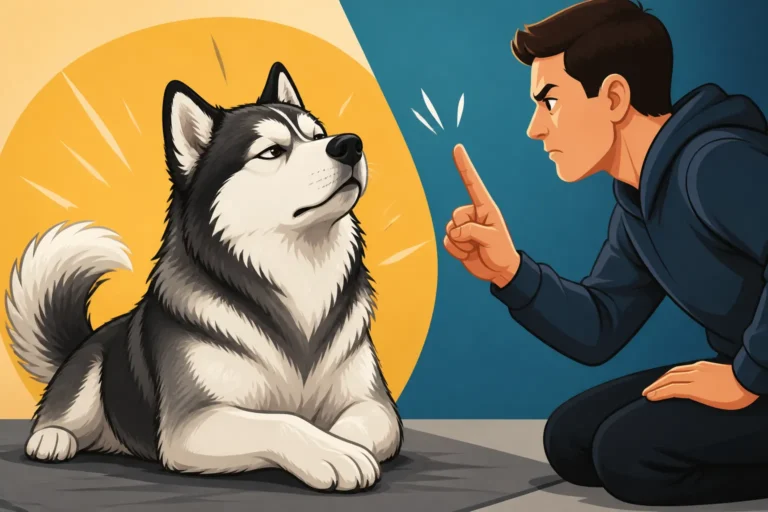
It's a common and completely understandable concern for Alaskan Malamute owners: "My dog is amazing, but can they really pass something like the Canine Good Citizen test?" You're dealing with a breed renowned for its intelligence, strength, and fiercely independent spirit, often leading to questions about their 'trainability' in conventional obedience settings. This guide is here to tell you that while it might not be a walk in the park, achieving CGC certification with your Malamute is absolutely possible with the right approach, patience, and a deep understanding of what makes your furry companion tick.
Understanding the Canine Good Citizen Test's Core Expectations
When you look at the list of requirements for the American Kennel Club's Canine Good Citizen (CGC) test, it can feel a bit daunting for a Malamute owner. Many of these behaviors seem to go against the very grain of what these magnificent dogs were bred to do. But let's break down what the CGC truly entails and why some of these items might initially feel like an uphill battle.
What the CGC Test Actually Measures
The CGC test is designed to recognize dogs that have excellent manners both at home and in the community. It’s not about precision heeling or lightning-fast recalls in a busy park. It's about demonstrating basic obedience and good behavior in a controlled, yet real-world, environment. There are ten components, and each is judged on whether your dog can perform it politely and calmly.
For instance, one component involves accepting a friendly stranger. This means your Malamute should allow a friendly person to approach them and you, and accept a pat on the head without shying away or jumping up. Another is sitting politely for petting, where your dog holds a sit while a stranger pets them. Then there's the appearance and grooming segment, where the evaluator gently checks your dog's ears and paws, simulating a vet visit or a basic grooming session. The goal here isn't absolute stillness, but a tolerant and cooperative attitude.
Other elements include out for a walk (walking on a loose leash), where your Malamute must walk without pulling; walking through a crowd, which tests their ability to remain calm and attentive to you amidst people; sit and down on command and staying in place, which are foundational obedience cues; coming when called (a big one for Malamutes!); reaction to another dog, which asks them to remain calm and non-reactive to a passing dog; and finally, supervised separation, where your dog is left briefly with the evaluator while you step out of sight. You can see how many of these are about practical, everyday manners.
Why Malamute Owners Feel Discouraged
Let's be real: owning an Alaskan Malamute is an adventure, but it's rarely a journey of effortless obedience. These dogs were literally bred for independent decision-making in harsh Arctic environments, often working far from their human companions. Their survival depended on their ability to think for themselves, which translates into a strong will and a "what's in it for me?" attitude when it comes to training. So, when you try to teach a perfect "stay" while a leaf blows by or another dog prances past, it can feel like you're speaking a different language.
The frustrations are valid. You might spend months on loose-leash walking, only for your powerful Malamute to decide that today, they really need to investigate that smell, dragging you along for the ride. Their infamous prey drive means that Why an Alaskan Malamute Will Never Have a Reliable Recall is a very real concern, making the "coming when called" portion of the CGC feel nearly impossible without a fenced area. Then there's their vocalizations – the adorable "woo-woos" and howls they're famous for can sometimes be misunderstood in a formal setting, even if they're not barking aggressively. Many owners struggle because the traditional training methods that work for a Golden Retriever might completely backfire with a Malamute. You might feel like you're constantly fighting their natural instincts, which can be incredibly discouraging.
Malamute Strengths and Challenges in the CGC Arena
It’s crucial to recognize that while Malamutes present unique challenges, they also bring surprising strengths to the table when it comes to the Canine Good Citizen test. Understanding these can help you leverage their natural traits for success.
Where Malamutes Shine (Surprisingly)
Despite their independent nature, Malamutes often have a deep-seated love for people, which can be a huge asset in the CGC test. Many Malamutes are incredibly social and enjoy meeting new people, making the "accepting a friendly stranger" and "sitting politely for petting" components surprisingly easy. They thrive on human attention and often relish being the center of it. I've seen Malamutes who, while stubborn about a "stay" for their owner, will happily allow an evaluator to pet them and check their paws, almost as if they understand the temporary nature of the interaction and the positive attention it brings.
Their calm demeanor, especially when not actively engaged in stimulating activities, can also work in their favor. While they are powerful and energetic, a well-exercised and mentally stimulated Malamute can be quite relaxed indoors or in a quiet setting. This calm presence can help them maintain composure during tasks like the "appearance and grooming" check or the "supervised separation" if they are already comfortable with crating or being left alone for short periods. Caring for an Alaskan Malamute Past Eight and even younger, well-adjusted Malamutes often display a stoic patience that can be beneficial. They might not be exuberant, but they can be remarkably steady, which is exactly what the CGC looks for in many of its segments.
The Uphill Battle: Common Malamute Hurdles
Now, for the parts that truly test a Malamute owner's mettle. There are specific CGC components that often clash with the Malamute's ingrained instincts and breed characteristics.
One of the biggest hurdles is loose leash walking. Alaskan Malamutes were literally bred to pull, to haul heavy loads for miles. Pulling Is the Only Job an Alaskan Malamute Really Wants – it's in their DNA. Asking them to walk politely on a loose leash, especially when there are enticing smells, other dogs, or new sights, is like asking a fish not to swim. It requires immense patience, consistent training, and often specialized equipment. Many Malamutes don't see the point in not pulling, and it takes a lot of convincing, often with high-value treats, to show them that a slack leash is more rewarding.
Then there's the dreaded stay in place and coming when called. These commands demand a level of compliance and focus that can be challenging for a breed known for its independence. A Malamute's mind is always working, always assessing, always looking for something more interesting. If they see a squirrel, a leaf, or another dog, their instinct to investigate or chase often overrides any command you've given. Why an Alaskan Malamute Will Never Have a Reliable Recall isn't a myth; it's a profound aspect of their breed. This makes practicing these skills in distraction-rich environments incredibly tough.
Reaction to another dog can also be a sticking point. While many Malamutes are social, their pack-dog heritage can sometimes lead to Same Sex Aggression in a Pack Bred Alaskan Malamute, or simply an overly enthusiastic desire to greet (or challenge) other dogs. The CGC requires a calm, non-reactive response, which means no pulling, no barking, no lunging, and no intense staring. For a breed that often communicates loudly and boldly with other canines, this requires significant desensitization and counter-conditioning. Even a friendly Malamute might be too boisterous for the calm expectation of the test.
Finally, while Malamutes can handle supervised separation if they're used to being crated, being left alone with a stranger in an unfamiliar public setting can sometimes trigger anxiety or protest vocalizations, even if they are just "woos" rather than frantic barks. It depends heavily on the individual dog's confidence and prior socialization.
Strategies for CGC Success with Your Alaskan Malamute
Achieving Canine Good Citizen certification with an Alaskan Malamute is absolutely possible, but it requires a strategic, patient, and Malamute-centric approach. Forget what you think you know about traditional obedience training and lean into methods that respect your dog's intelligence and independent spirit.
Building a Foundation of Trust and Motivation
The cornerstone of any successful training program with a Malamute is building a strong, trusting relationship. These dogs respond best to owners they respect and who make training fun and rewarding. Force and harsh corrections will only lead to resentment and a dog that shuts down or actively resists. Why Force Fails on an Alaskan Malamute is a truth every Malamute owner learns quickly.
Instead, embrace positive reinforcement with gusto. This means finding what truly motivates your Malamute – often, it's incredibly high-value food rewards like cheese, cooked chicken, or hot dogs. Praise and toys can also be effective, but typically, food is king, especially in distracting environments. Keep training sessions short, frequent, and upbeat. Think of it as a game you play together, not a chore. If your Malamute isn't having fun, they simply won't engage.
Consider structured online training programs that emphasize positive reinforcement and cater to intelligent, independent breeds. Programs like BAXTER & Bella, for example, can provide a step-by-step curriculum that you can work through at your own pace, focusing on building those foundational skills without the pressure of a group class that might not understand the Malamute temperament. They often include strategies for managing distractions and increasing motivation, which are key for these dogs. Building this positive association with training from puppyhood is paramount. The First Year With an Alaskan Malamute Puppy should be filled with fun, positive interactions that teach them learning is a rewarding experience.
Tackling Specific CGC Exercises with Malamute Flair
Let's look at how to approach the trickier parts of the CGC test, keeping your Malamute's unique traits in mind.
Loose Leash Walking: This is where many Malamute owners want to pull their hair out. Start in a very low-distraction environment and gradually increase the challenge. Use a front-clip harness, as these provide better leverage and discourage pulling without causing discomfort to their throat. You can find a wide variety of effective front-clip harnesses on Amazon. The key is to make you more interesting than the environment. Every time your Malamute walks with a loose leash, even for a step, mark it with a verbal cue ("yes!") and immediately reward with a high-value treat. If they pull, stop dead in your tracks. Don't move until the leash is slack. It takes incredible consistency, but they will eventually learn that pulling gets them nowhere.
Stay/Recall: For "stay," start with very short durations and minimal distractions. Practice in your living room, then your yard, then a quiet park. Gradually increase distance and duration. Remember, a Malamute will decide if the reward for staying is worth more than investigating something. So, those high-value treats are crucial. For "coming when called," always make it a joyous occasion. Practice in safe, enclosed areas, using a long line (a 30-foot leash, also easily found on Amazon) in open spaces. Every time they come, even if you have to reel them in, reward like they've won the lottery. Never call them for something unpleasant. Remember, the goal isn't a perfect, instant recall in a busy city park, but a reliable response in a controlled test environment.
Distractions: The CGC has a "reaction to distractions" component. Your Malamute needs to remain calm when a person drops a crutch or someone jogs past. This comes down to controlled exposure and positive association. Practice in varied environments, exposing them to different sights and sounds from a distance. Every time they notice a distraction but remain calm and look to you, reward them. Counter-conditioning is vital: if they react to another dog, for example, give them a treat as the dog passes, associating the trigger with something positive. Leash Reactivity in an Alaskan Malamute training strategies will be very useful here.
Supervised Separation: If your Malamute is comfortable with crate training, this can be an easier component. Practice leaving them briefly in a quiet room at home, then gradually introduce short separations in more open, but still controlled, environments. The key is to build their confidence that you always return. For dogs prone to separation anxiety, this might take more gradual work.
The Importance of Socialization and Exposure
Early and ongoing socialization is absolutely critical for an Alaskan Malamute aiming for a CGC. This isn't just about meeting other dogs; it's about positive exposure to a wide variety of people, sounds, environments, and situations. A well-socialized Malamute is a confident Malamute, less likely to be stressed or reactive in new situations.
During puppyhood, focus on controlled, positive interactions. Don't throw your puppy into a dog park free-for-all; instead, arrange playdates with calm, vaccinated adult dogs. Expose them to different surfaces, sounds (city noises, sirens, children playing), and types of people (hats, glasses, wheelchairs). Take them on car rides, visit pet-friendly stores, and simply sit on a park bench observing the world from a distance. The more positive experiences they have in varied settings, the more resilient and composed they will be during the CGC test. Remember, a Malamute's early experiences shape their adult behavior, and a well-rounded foundation can mitigate many potential challenges.
Realistic Expectations and the Value Beyond the Certificate
While pursuing the Canine Good Citizen test with your Alaskan Malamute is an admirable goal, it's vital to maintain realistic expectations and appreciate the immense value of the training journey itself, regardless of the final outcome.
Is the CGC a Realistic Goal for Every Malamute?
In all honesty, passing the CGC test with an Alaskan Malamute is a significant achievement and a testament to an owner's dedication. It's definitely a realistic goal for many Malamutes, especially those who start training young and have committed owners who understand their breed's unique motivations. However, it might not be for every Malamute, and that's perfectly okay. Some individuals might have higher prey drives, more pronounced dog-selectivity, or a deeper-seated independence that makes some components exceptionally difficult.
The process often takes longer with a Malamute than with, say, a Labrador Retriever or a Border Collie, breeds known for their strong desire to please and high biddability. You might find yourself taking multiple attempts at the test, or spending many more months on a single exercise. But here’s the secret: the value isn't just in the piece of paper. The value is in the journey you undertake together, the bond you strengthen, and the skills you both acquire. Even if your Malamute never earns the official certificate, the dedicated training will result in a much better-mannered, more confident, and safer companion.
The Broader Benefits of CGC Training for Malamute Owners
The real triumph of CGC training with an Alaskan Malamute isn't just the certificate; it's the profound improvement in your dog's overall manners and your relationship with them. This structured training forces you to address behavioral issues you might have otherwise learned to live with. You'll develop better communication with your dog, understanding their body language and motivations more deeply. This leads to a stronger, more respectful bond built on trust and mutual understanding.
Successfully navigating these challenges builds incredible confidence in both you and your Malamute. You'll feel more assured taking your dog to new places, knowing they have a baseline of good behavior. Your Malamute, in turn, will be more comfortable and secure in various public settings because they've been positively exposed and trained in those environments. It provides a solid foundation for further training, whether that's therapy dog work or just enjoying a calm walk around the neighborhood.
Moreover, for such a powerful and sometimes misunderstood breed, having a well-mannered Malamute who can pass a test like the CGC is an incredible ambassador for the breed. It helps dispel myths about their untrainability and shows the world what a truly dedicated Malamute owner can achieve. Even the simple act of consistently practicing basic obedience, like walking nicely on a leash or settling politely, makes life with a large, strong dog much more enjoyable and manageable. This journey teaches you resilience, patience, and creative problem-solving – all essential traits for any Malamute owner. And who knows, you might even discover some fantastic new training gear or high-value treats on Amazon that become your secret weapons!
| CGC Test Item | Malamute Tendency | Training Approach |
|---|---|---|
| Accepting Friendly Stranger | Often social, but can be boisterous. | Practice calm greetings; "four on the floor" rule with high-value rewards. |
| Sitting Politely for Petting | Enjoys attention, but might lean or stand. | Lure into a sit, reward heavily for holding position. Gradual introduction to gentle petting. |
| Appearance & Grooming | Can be sensitive about paws and ears. | Daily desensitization, pair with treats. Make it a positive, routine experience. |
| Loose Leash Walking | Strong pulling instinct. | Front-clip harness, stop-start method, high-value rewards for slack leash. Make you more interesting. |
| Walking Through a Crowd | Curious, prone to sniffing or greeting strangers. | Practice in low-traffic areas first, gradual increase. Focus on "look at me" command with rewards. |
| Sit & Down on Command / Stay | Independent, easily distracted, "what's in it for me?" | High-value treats, short sessions, gradual increase in duration/distraction. Never punish for breaking stay. |
| Coming When Called | Strong prey drive, selective hearing. | Only practice in secure areas/long line. Make coming back the best thing ever with massive rewards. |
| Reaction to Another Dog | Can be dog-selective or overly enthusiastic. | Controlled exposure from a distance, counter-conditioning with treats. Maintain focus on owner. |
| Reaction to Distractions | Alert, curious, might startle. | Positive exposure to varied sounds/sights from a distance, reward calm focus on handler. |
| Supervised Separation | Can protest or be anxious when left alone. | Build comfort with alone time at home, crate training. Gradually introduce brief public separations. |
Disclaimer
This article is for general informational purposes only and does not constitute professional advice. Laws, prices and regulations vary by location and change over time. Consult a qualified professional for guidance on your specific situation.