Caring for an Old Alaskan Malamute
Aging Alaskan Malamutes experience subtle mobility shifts and appetite changes, requiring adjusted routines and supportive joint care.
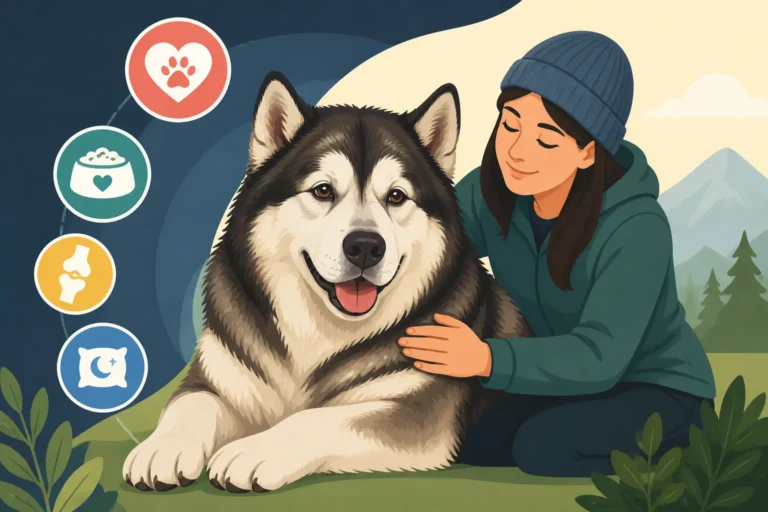
Aging Alaskan Malamutes experience subtle mobility shifts and appetite changes, requiring adjusted routines and supportive joint care.
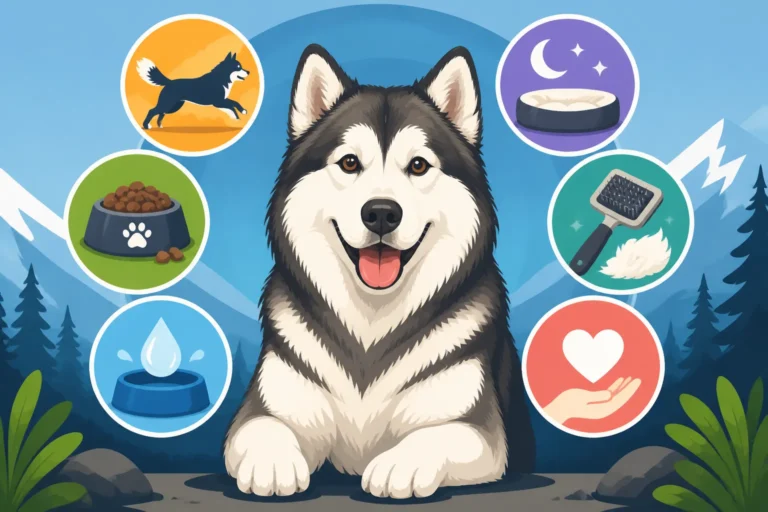
Alaskan Malamutes need two hours of daily vigorous physical exercise and consistent mental stimulation to prevent destruction.

Alaskan Malamute dietary needs differ between working dogs and pets, influenced by their efficient Arctic metabolism and history.
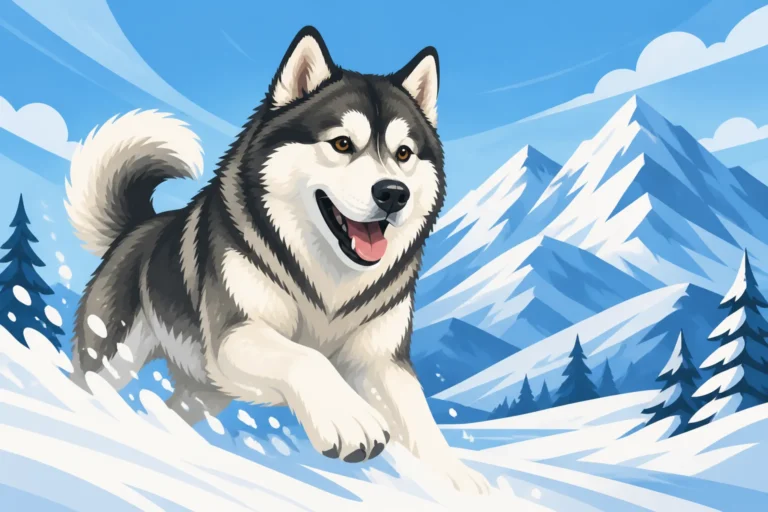
Alaskan Malamutes thrive in winter through natural insulation and efficient metabolisms, enjoying seasonal snow activities and cold weather.
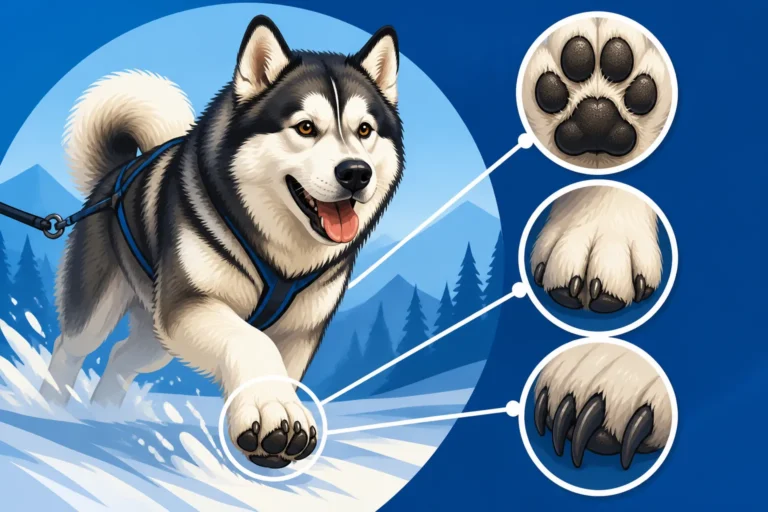
Alaskan Malamute paw health prevents serious injuries from ice balls, tears, and overgrown nails during heavy freighting.
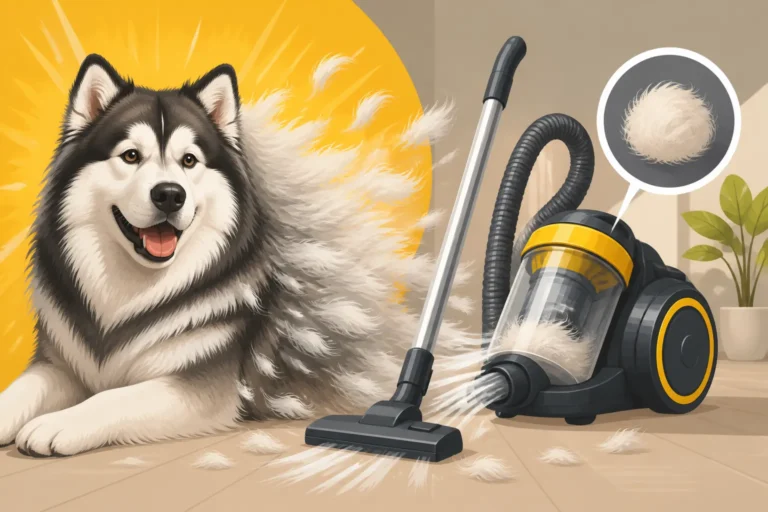
Alaskan Malamute coat blows cause massive seasonal shedding of double coats, requiring owners to manage dense undercoats and heavy fur.
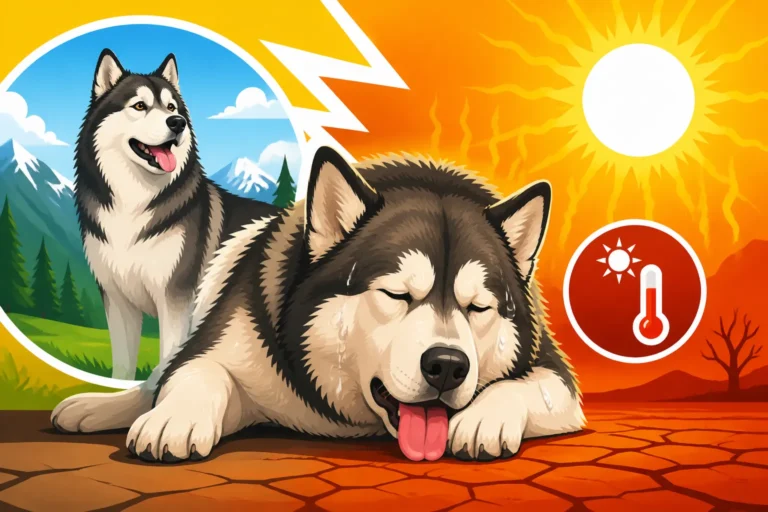
Alaskan Malamute summer dangers include rapid heatstroke, double coat insulation, and the serious risks of shaving your dog.
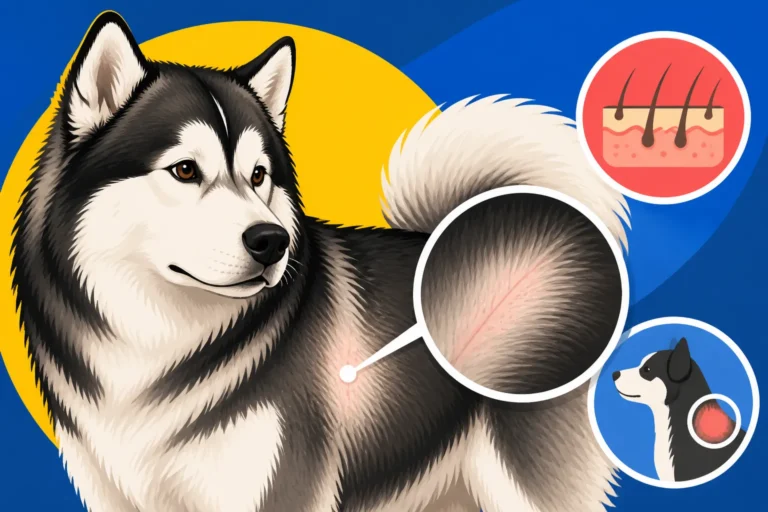
Alaskan Malamute skin conditions, early warning signs, and hidden symptoms explained for owners seeking early detection.

Alaskan Malamute metabolism explains why these dogs need less food and how to prevent dangerous weight gain in everyday life.

Zinc absorption issues in Alaskan Malamutes cause skin problems, requiring specific diets and management for this genetic condition.