Whether a Prong Collar Belongs on a Malamute
Prong collar mechanics, physical injury risks, and humane front-clip harness alternatives for strong Alaskan Malamute leash pullers.
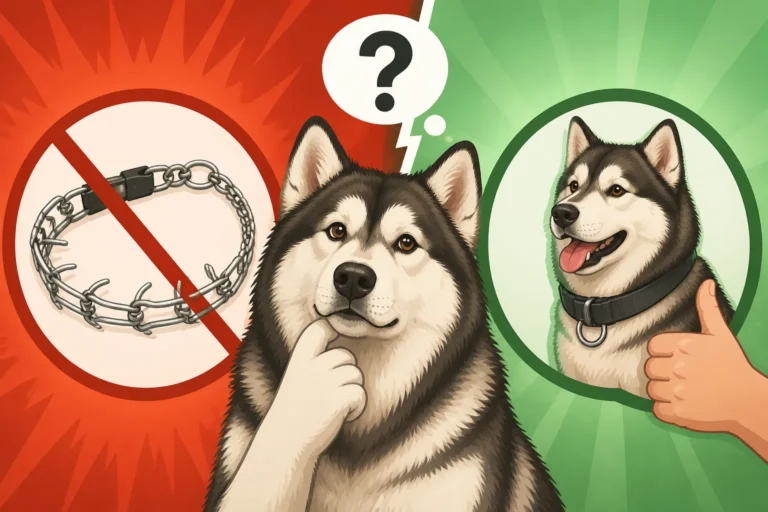
Prong collar mechanics, physical injury risks, and humane front-clip harness alternatives for strong Alaskan Malamute leash pullers.
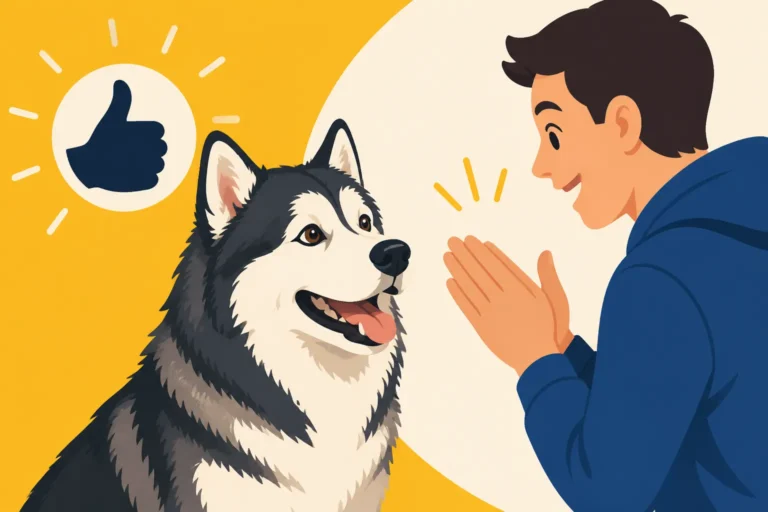
Alaskan Malamute independence means traditional praise rarely works without tangible food rewards, play, and purposeful work.

Alaskan Malamute food motivation relies on ancestral survival instincts, high-value treat choices, and independent cost-benefit evaluations.
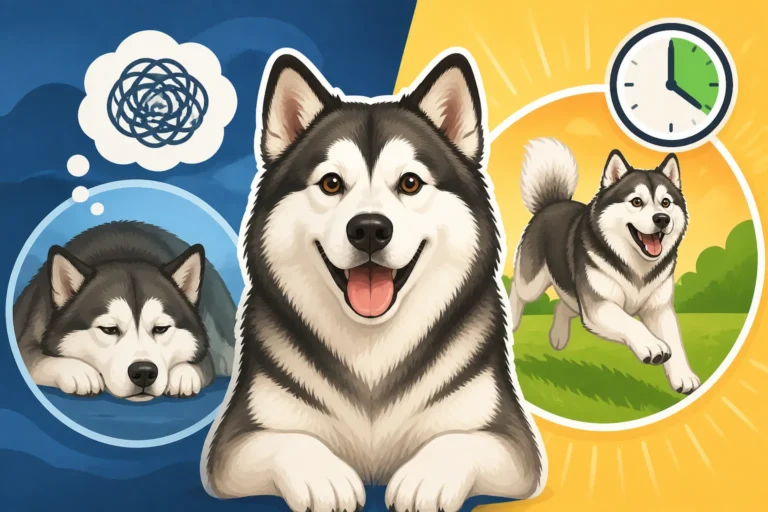
Short training sessions lasting five to ten minutes prevent boredom and build cooperation with independent Alaskan Malamutes.
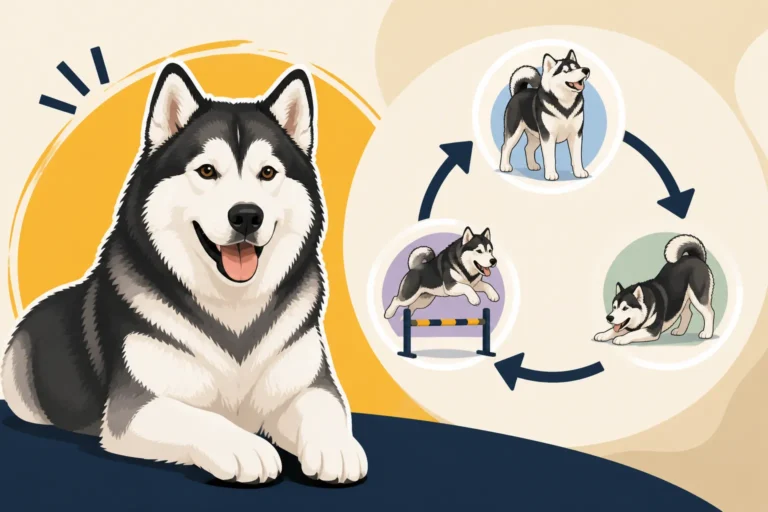
Alaskan Malamutes need short, high-quality training repetitions backed by high-value rewards, mental engagement, and proper environmental proofing.
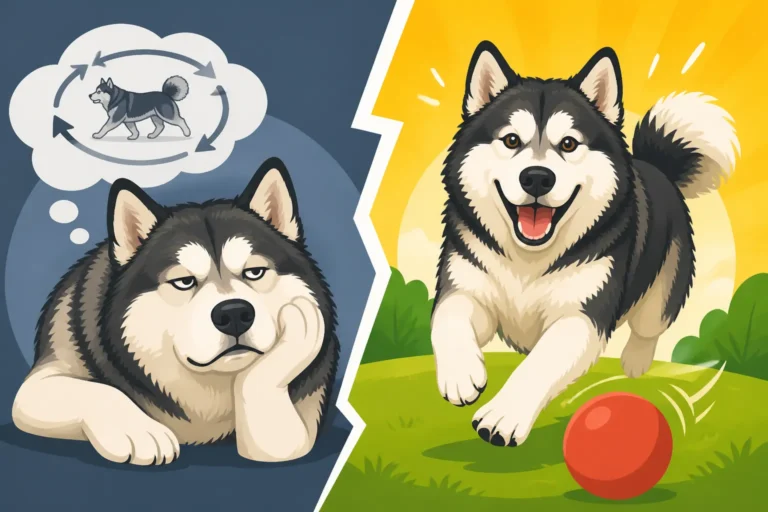
Alaskan Malamutes possess independent intelligence and low tolerance for pointless drills, causing apparent boredom during repetitive training sessions.
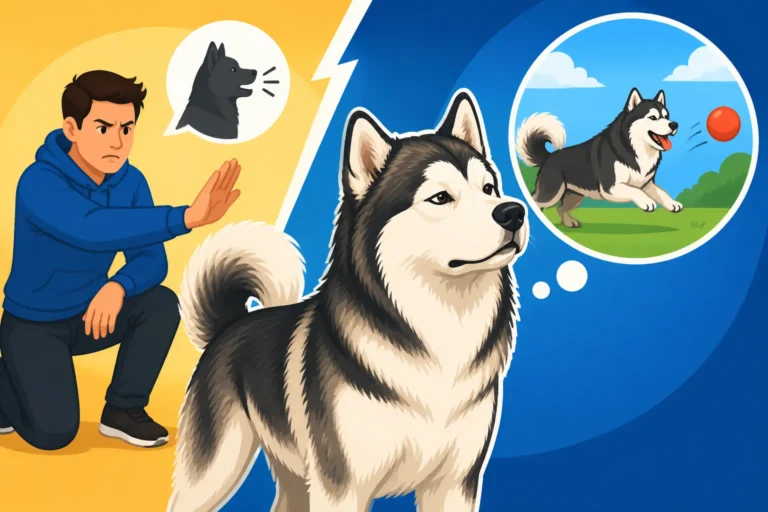
Independent Alaskan Malamutes ignoring known cues can overcome stubborn habits through better motivation, reward variety, and positive reinforcement.

Alaskan Malamutes respect multiple household members through consistent training, shared leadership, and daily care routines.
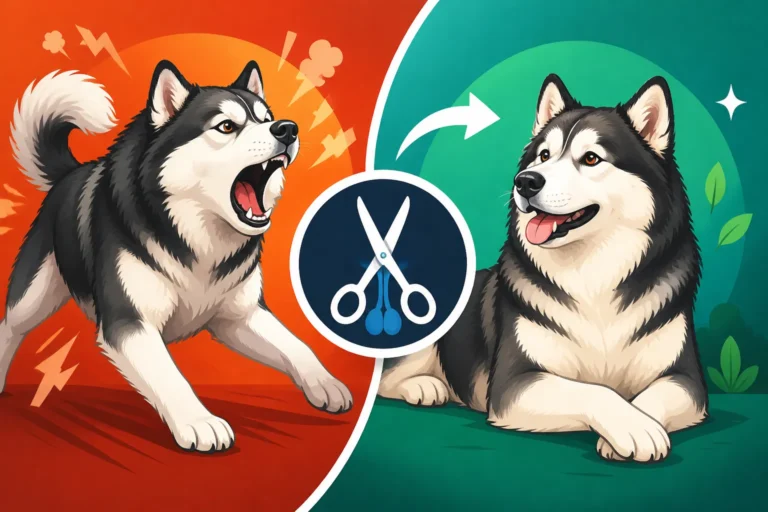
Alaskan Malamute neutering reduces sexual behaviors and roaming, but does not alter genetic energy levels or ingrained breed traits.
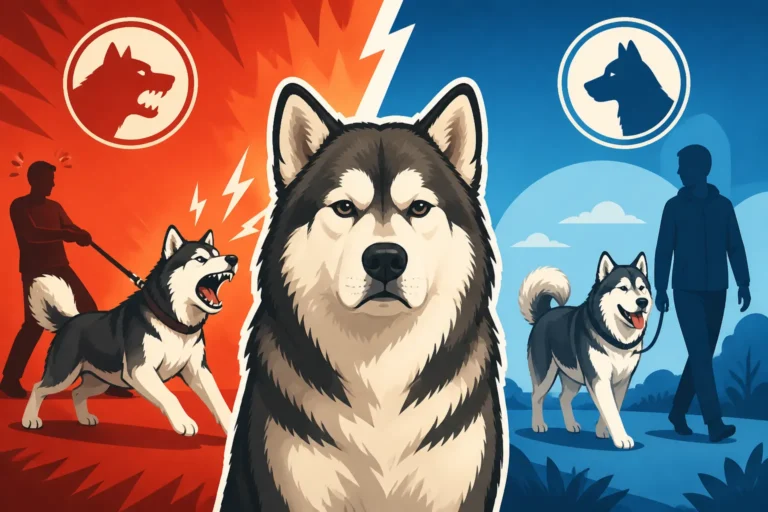
Intact male Alaskan Malamutes present unique behavioral challenges caused by testosterone, roaming instincts, territorial marking, and male-to-male aggression.