Why a Male and Female Malamute Pair Better
A male and female Alaskan Malamute pair offers reduced competition and peaceful pack dynamics compared to same-sex pairings.

A male and female Alaskan Malamute pair offers reduced competition and peaceful pack dynamics compared to same-sex pairings.
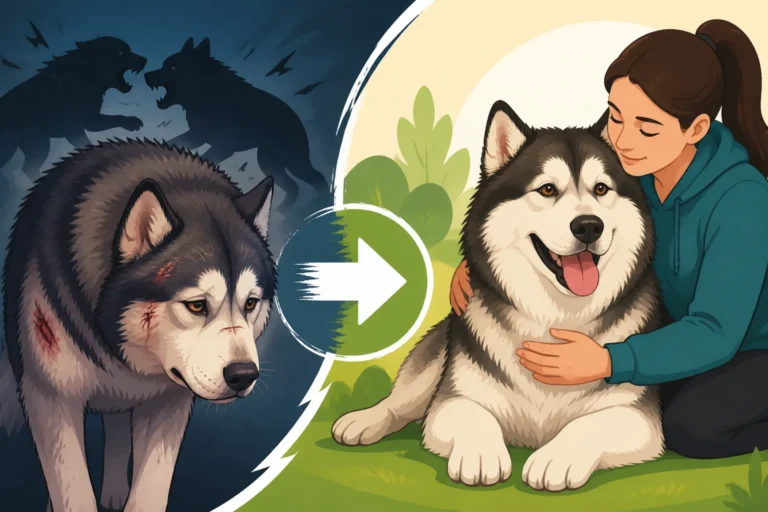
Alaskan Malamute rehabilitation after fights involves veterinary care, strict separation methods, and identifying environmental triggers.

Malamute dog fights cause severe hidden physical injuries, deep puncture wounds, and long-term psychological trauma to victims.

Alaskan Malamute management involves a crate and rotate system to keep multiple dogs separated, safe, and content at home.

Aggression between Alaskan Malamutes involves pack instincts, same-sex traits, and shifting hierarchies that trigger fights.

Alaskan Malamute same-sex aggression typically emerges during adolescence and early adulthood, specifically between twelve and thirty-six months of age.

Alaskan Malamute dog aggression stems from ancestral pack instincts and same-sex rivalry, requiring careful management strategies.

Alaskan Malamute daycare options, prey drive risks, and secure facility features explain how to find safe pet care or home alternatives.

Alaskan Malamutes face heightened risks at dog parks due to strong prey drives, same-sex aggression, and unpredictable environments.

Malamute interactions with small dog housemates require careful management, supervised meetings, separate play times, and safety measures.