Arthritis in an Older Alaskan Malamute
Arthritis in an older Alaskan Malamute is explained, including signs of joint pain, veterinary diagnosis, medications, and home care.
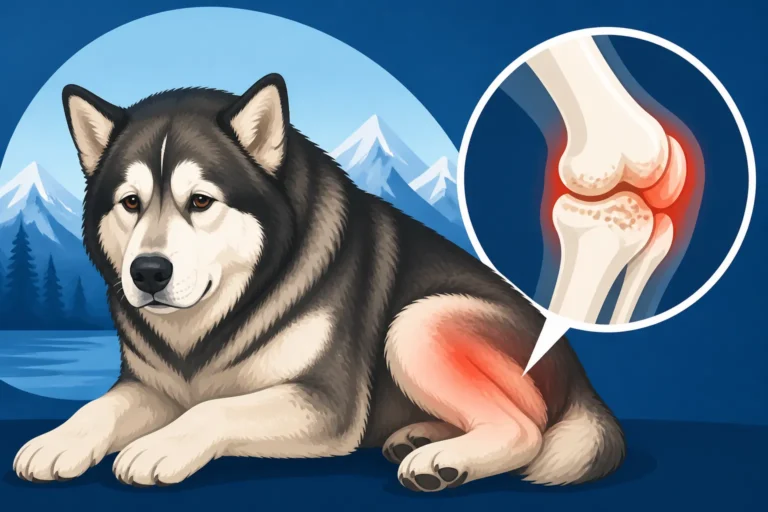
Arthritis in an older Alaskan Malamute is explained, including signs of joint pain, veterinary diagnosis, medications, and home care.
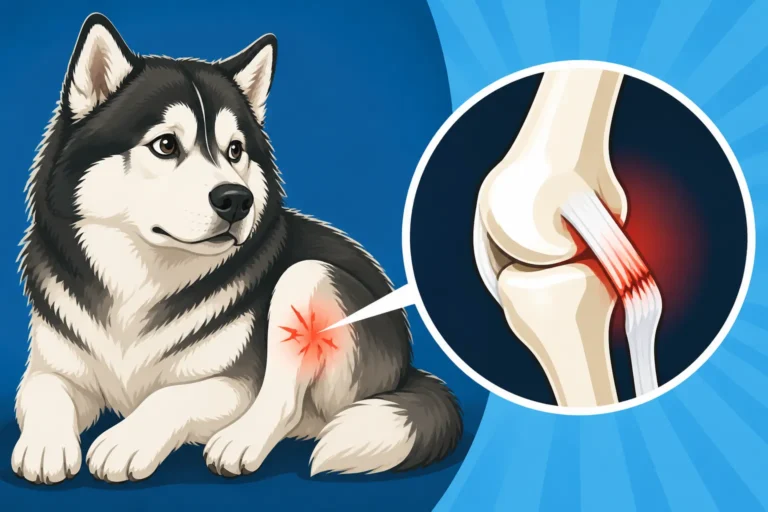
Alaskan Malamute cruciate ligament tears explain signs, surgical options, recovery steps, and injury prevention strategies.
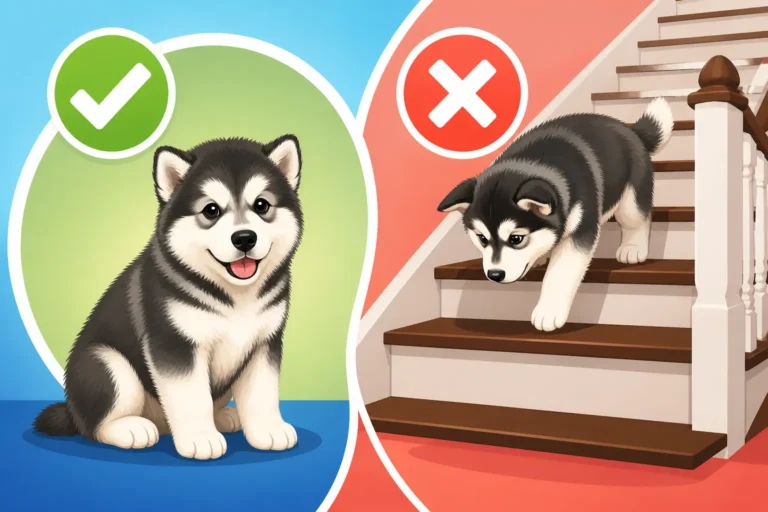
Stair usage for an Alaskan Malamute puppy requires careful management to protect vulnerable growth plates and developing joints from injury.
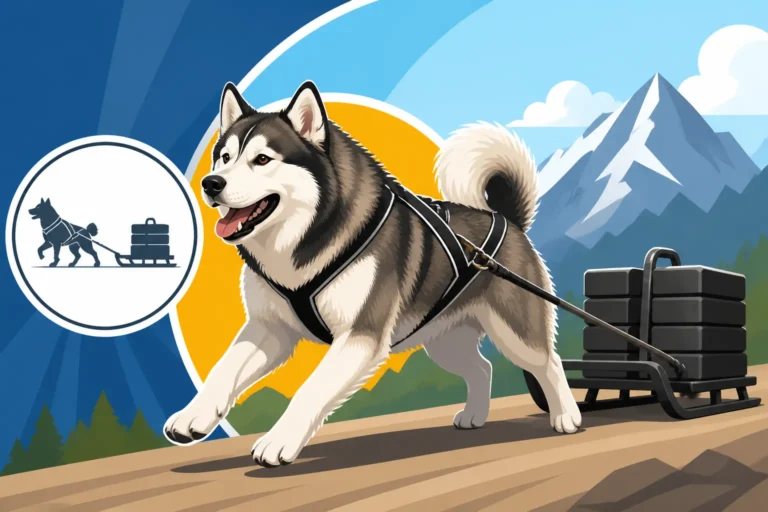
Alaskan Malamute safe pulling limits vary by age, health, and training, ranging from light loads to competitive weights.
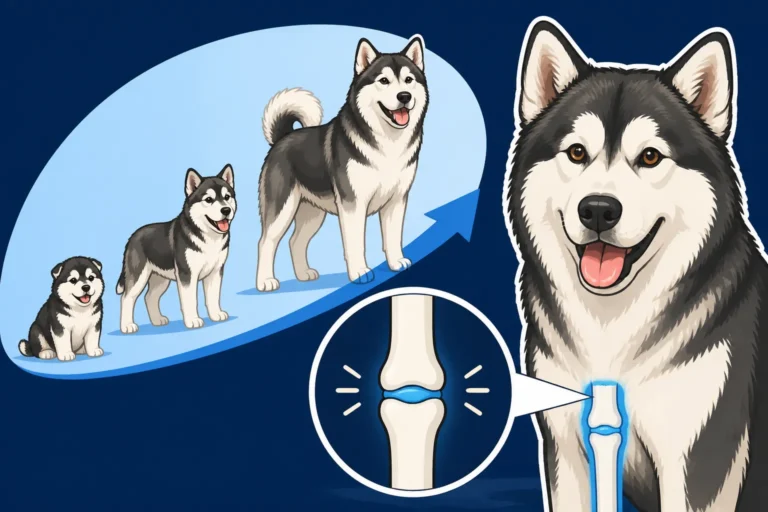
Alaskan Malamute growth plates typically close between twelve and twenty-four months of age depending on the specific joint.
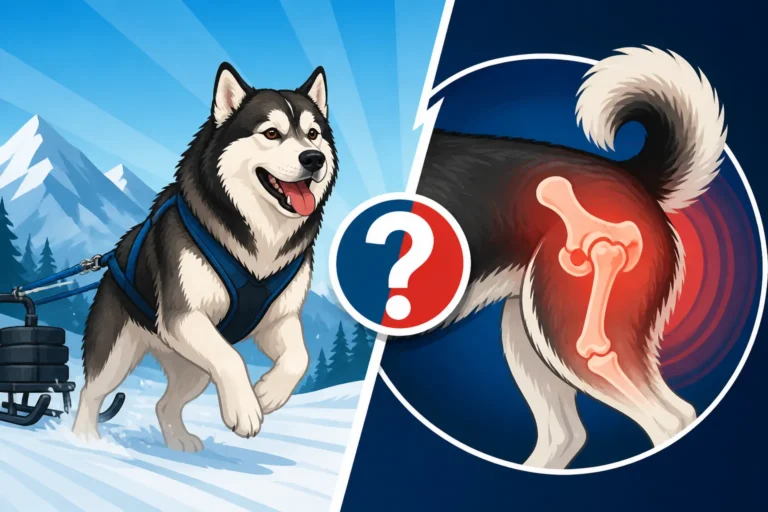
Alaskan Malamute pulling does not damage healthy hips if dogs reach eighteen to twenty four months and receive proper conditioning.
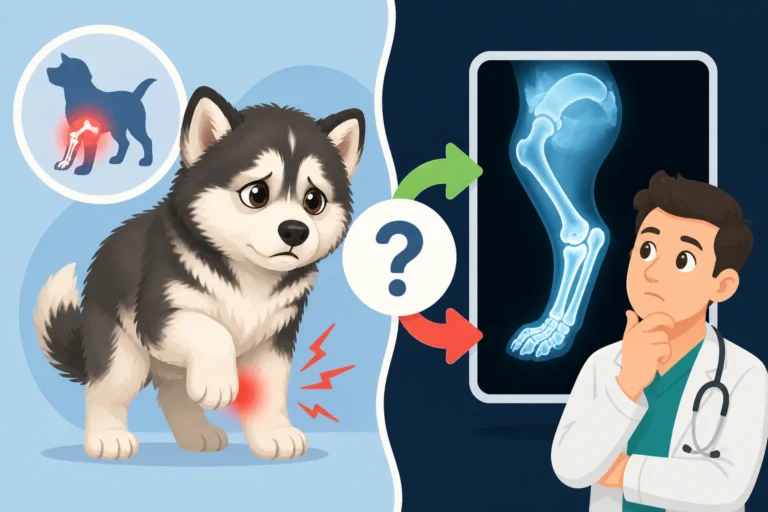
Alaskan Malamute puppy lameness requires monitoring, and veterinarians use X-rays to diagnose fractures, growth plate injuries, and dysplasia.
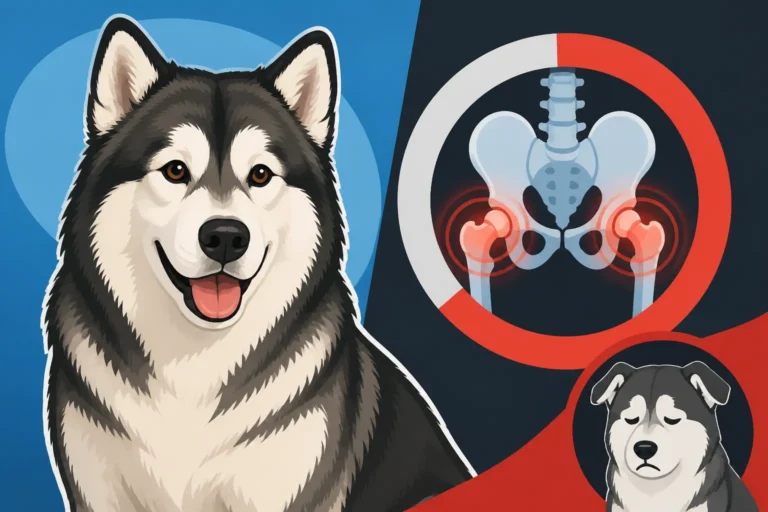
Alaskan Malamute hip dysplasia statistics reveal that roughly eighteen percent fail OFA evaluations and seven percent are borderline.
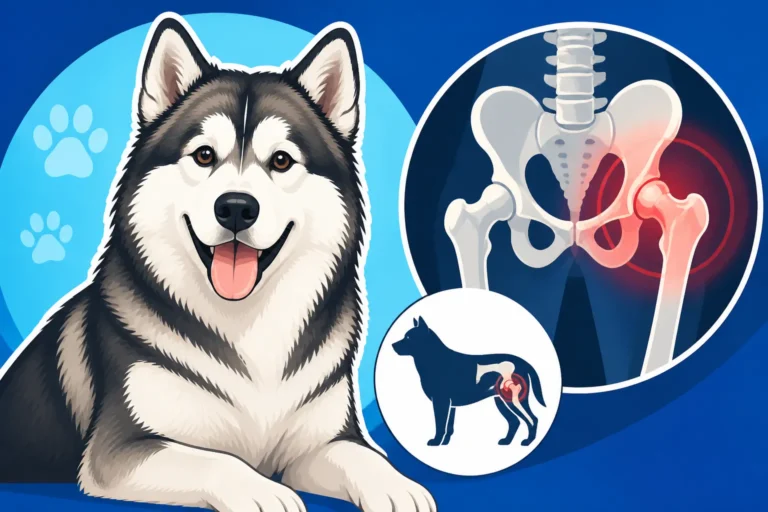
Alaskan Malamute hip dysplasia affects fifteen to twenty percent of submitted dogs, causing joint pain and mobility issues.
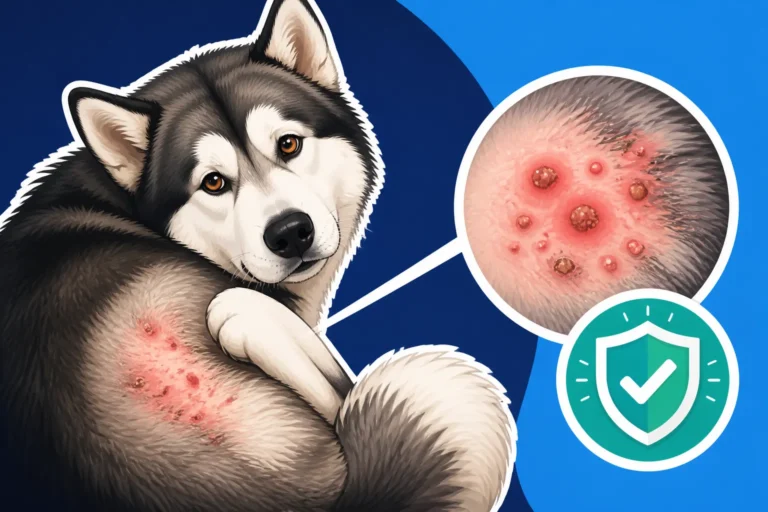
Persistent Alaskan Malamute skin issues often indicate underlying secondary infections caused by zinc deficiency, allergies, or hormonal imbalances.