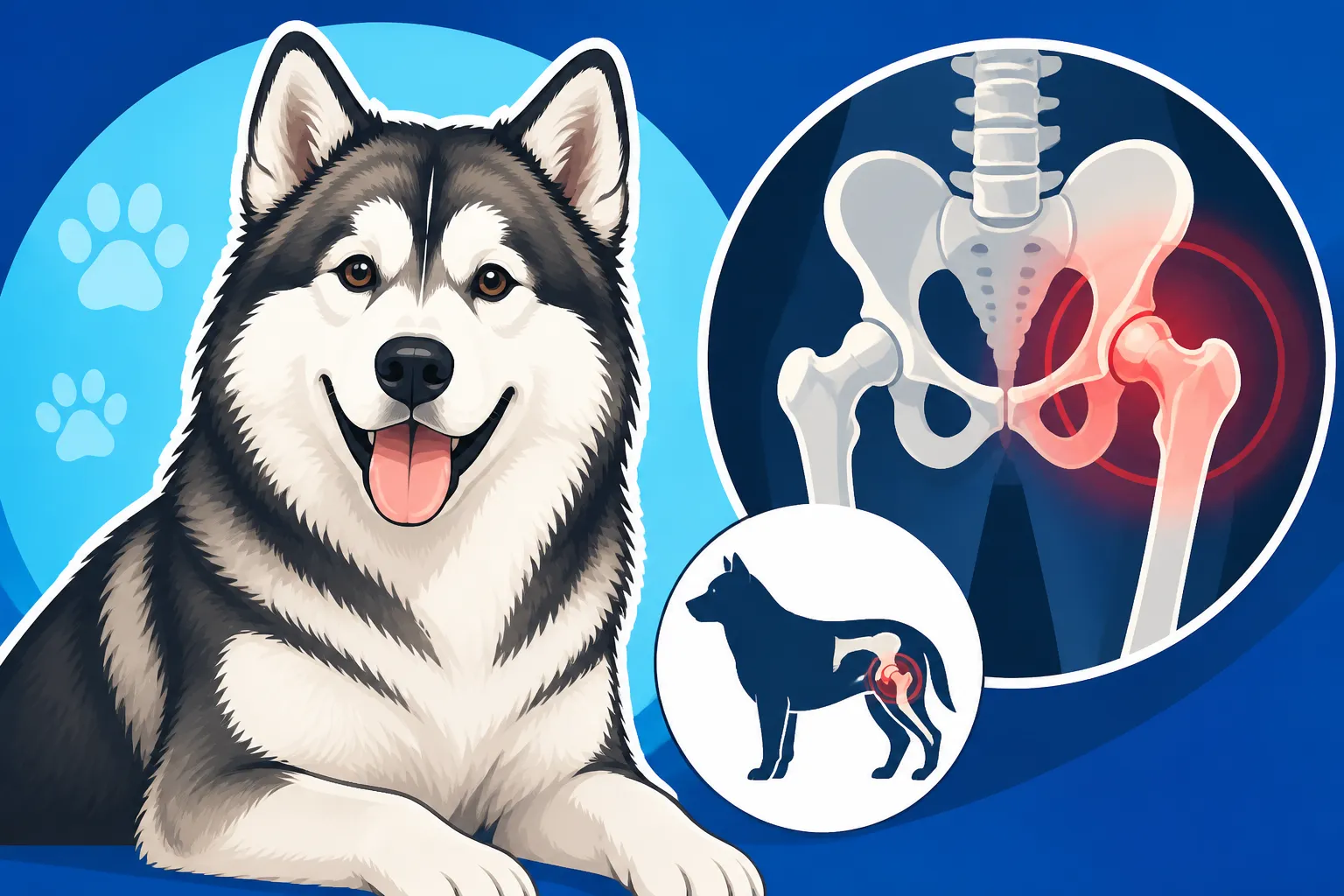
How Common Hip Dysplasia Is in Alaskan Malamutes
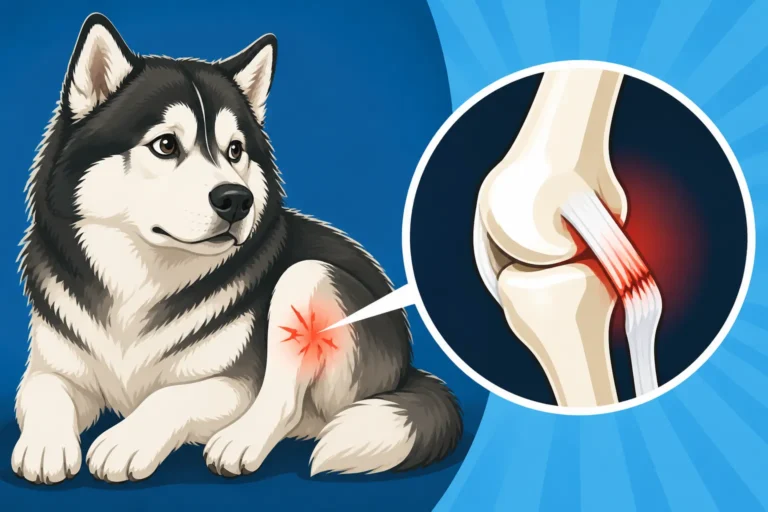
It’s a heart-wrenching moment when you notice your robust Alaskan Malamute, a breed known for its power and endurance, start to favor a leg or move with a stiffness that just doesn’t seem right. The worry immediately creeps in: could it be hip dysplasia? This isn't just a fleeting concern; it's a common fear for many Malamute owners, and understanding the prevalence, signs, and management of this condition is crucial for ensuring our furry companions live their happiest, most comfortable lives. This guide will walk you through just how common hip dysplasia is in Alaskan Malamutes and what you can do about it.
Prevalence and Genetic Roots of Hip Dysplasia in Alaskan Malamutes
Let's cut right to it: hip dysplasia is unfortunately a notable concern within the Alaskan Malamute breed. While it's certainly not every single Malamute that develops this condition, the breed is indeed predisposed, meaning it's something responsible breeders and owners alike need to be acutely aware of. It's not as simple as a yes or no answer to "how common is it," because the degree of severity varies greatly, and screening practices have fortunately worked to reduce its overall incidence in well-bred lines.
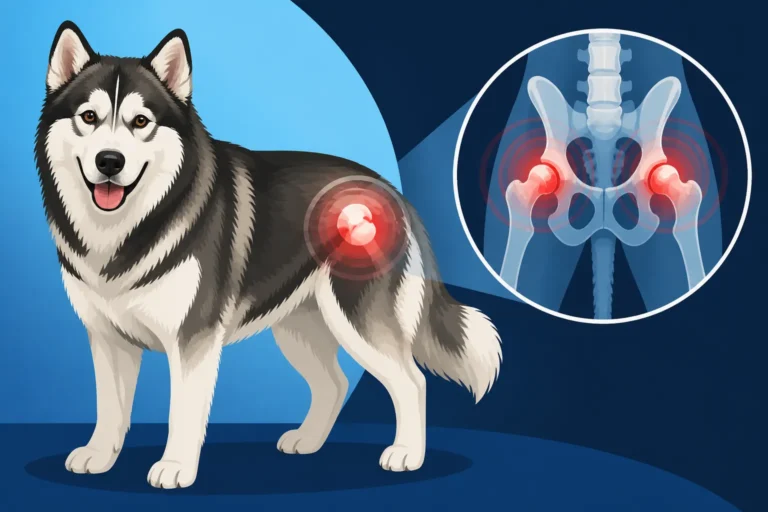
Hip dysplasia is a polygenic trait, meaning it's influenced by multiple genes, which makes eradication a complex challenge. Essentially, it's a malformation of the hip joint where the ball (femoral head) and socket (acetabulum) don't fit together perfectly, leading to laxity, grinding, and eventually, painful degenerative joint disease like arthritis. While genetics lay the groundwork, environmental factors play a significant role in how and when it manifests. Rapid growth, excessive exercise at a young age, poor nutrition, and even slippery surfaces can exacerbate an already predisposed condition. It's a cruel twist of fate that these majestic, active dogs, bred for powerful work, can be so susceptible to a condition that limits their mobility.
The Orthopedic Foundation for Animals (OFA) collects data on hip and elbow certifications for various breeds, and their statistics offer a clearer picture. While the numbers fluctuate over the years as breeding practices evolve, Alaskan Malamutes generally show a prevalence rate that places them among breeds with a moderate risk for hip dysplasia. For instance, looking at recent data, typically around 15-20% of Alaskan Malamutes submitted for OFA certification receive a dysplastic rating (ranging from mild to severe). This figure, while significant, actually reflects a positive trend compared to decades past, highlighting the impact of diligent screening by responsible breeders. However, it's important to remember that this data is based on submitted X-rays, often from breeders actively trying to improve the breed, so the overall prevalence in the general Malamute population (including those from less scrupulous sources) could potentially be higher.
Spotting the Subtle Signs and Seeking a Diagnosis
One of the most frustrating aspects of hip dysplasia is that its signs can be incredibly subtle, especially in stoic breeds like the Alaskan Malamute who are often masters at hiding pain. You might not see a dramatic limp right away. Instead, you might observe a gradual change in their demeanor or activity level. They might be less enthusiastic about walks, struggle to get up after resting, or seem less agile when running and jumping. It’s like they’re saying, "I'm not quite myself today," but without the words to explain why.
Keep a keen eye out for what we call "Malamute shuffling." This is where they might bunny-hop with their back legs, or their gait might appear stiff and awkward, particularly after a long nap or a vigorous play session. Some dogs might show reluctance to use stairs or jump into the car. Muscle atrophy in the hindquarters can also be a tell-tale sign over time, as they subconsciously shift weight away from the painful joint. They might stand with their hocks closer together, a stance often referred to as "cow-hocked." These aren't always definitive indicators of hip dysplasia, but they are certainly red flags that warrant immediate veterinary attention.
Diagnosis typically involves a thorough physical examination by your veterinarian, which will include palpating the hips and checking for any pain, laxity, or grinding. The definitive diagnosis, however, comes from X-rays. These radiographs allow your vet to visualize the hip joints and assess their conformation. For breeding animals, specific radiographic evaluations like those done by the OFA or PennHIP are crucial. The OFA provides ratings such as Excellent, Good, Fair (all considered passing), Borderline, Mild, Moderate, and Severe dysplasia. Typically, dogs are not certified by OFA until they are at least 24 months old, as their hip joints are still developing before that age. You can learn more about The Age a Malamute Is Certified by OFA if you're considering this for your dog. For pets not intended for breeding, early X-rays can sometimes give an indication, but a final, official diagnosis is generally made once growth plates have closed. Early detection, regardless of breeding plans, is vital as it allows for proactive management and can significantly improve your Malamute's quality of life.
Navigating Treatment Options and Long-Term Care
Once a diagnosis of hip dysplasia has been confirmed, it can feel overwhelming, but thankfully, there are many avenues for managing the condition and ensuring your Malamute maintains a good quality of life. The approach to treatment often depends on the severity of the dysplasia, the dog's age, and your family’s resources. It's a journey, not a sprint, and it requires a dedicated partnership with your veterinarian.
For many Malamutes, conservative, non-surgical management is the first line of defense, especially for mild to moderate cases. Weight management is absolutely paramount; every extra pound puts more strain on those compromised joints. A lean Malamute is a more comfortable Malamute. Controlled exercise, like swimming or leash walks on soft surfaces, can help build muscle around the joint without causing excessive impact. Avoiding high-impact activities or long periods of intense running is key. Many owners find great success with physical therapy and hydrotherapy, which can strengthen supporting muscles and improve range of motion. Joint supplements, often containing glucosamine, chondroitin, and MSM, are widely recommended to help support cartilage health and reduce inflammation. Your vet might also suggest specific non-steroidal anti-inflammatory drugs (NSAIDs) during flare-ups or for daily pain management. It's worth researching Joint Supplements for an Alaskan Malamute to understand the options available.
When conservative measures are no longer enough, or for severe cases, surgical interventions may be considered. Common surgical options include Femoral Head Ostectomy (FHO) where the head of the femur is removed, allowing a "false joint" to form, or Total Hip Replacement (THR), which involves replacing the damaged joint with prosthetic implants. THR is generally considered the gold standard, offering excellent outcomes, but it's a significant investment in terms of cost and recovery. While options like FHO and THR can be life-changing, they require careful consideration, extensive rehabilitation, and a commitment to post-operative care. Having good pet insurance, like a plan from Healthy Paws, can be incredibly helpful in mitigating the financial burden of such extensive diagnostics and treatments, allowing you to focus on your Malamute’s recovery.
Proactive Prevention and Responsible Breeding Practices
The best treatment for hip dysplasia, as with many genetic conditions, is prevention. For Alaskan Malamutes, whose working heritage demands strong, healthy joints, this responsibility largely falls on ethical breeders and informed prospective owners. It’s about making choices that prioritize health over aesthetics or convenience, a commitment that ensures the future well-being of the breed.
Responsible breeding is the cornerstone of preventing hip dysplasia. This means that both parents of a litter should have their hips evaluated and certified by organizations like the OFA or PennHIP, showing a rating of Fair, Good, or Excellent. Breeders should also consider the hip health of the dogs in the pedigree, not just the immediate parents, as it’s a polygenic trait. This dedication to health testing is a significant investment for breeders, both in time and money, but it’s absolutely non-negotiable. If you're looking for a Malamute puppy, always ask to see the hip certifications for both parents. A reputable breeder will be proud to share these results and explain their breeding philosophy regarding genetic health. For more on what to look for, check out The Health Tests Both Alaskan Malamute Parents Should Have.
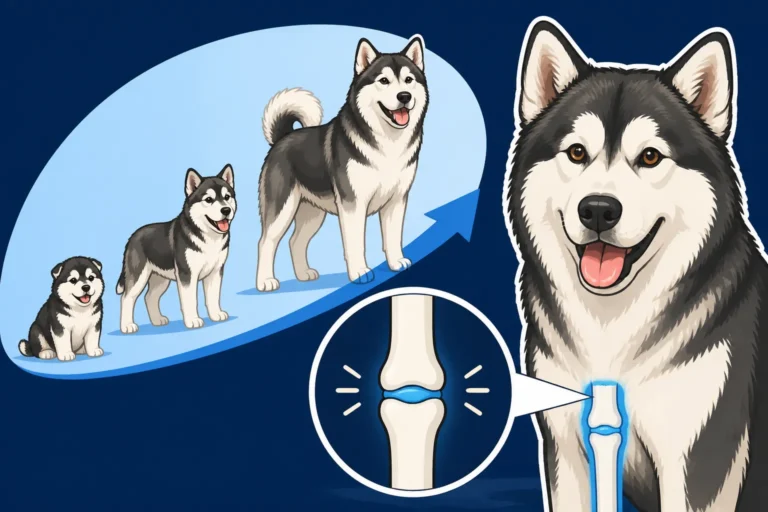
As an owner, you also play a crucial role in prevention, especially during your Malamute’s critical growth phase. Avoid strenuous, high-impact exercise that can stress developing joints in puppies and adolescents. This means no excessive jumping, long runs on hard surfaces, or prolonged forced exercise before their growth plates have fully closed, usually around 12-18 months of age. Even seemingly harmless activities like constantly jumping off high surfaces can contribute to joint stress. Maintaining a lean body condition from puppyhood through adulthood is also critical. An overweight puppy grows faster and puts more stress on immature joints. A balanced diet designed for large breed puppies can help ensure slow, steady growth rather than rapid weight gain, which can exacerbate hip laxity. Remember, a Malamute’s body is a magnificent engine designed for endurance, but it needs careful maintenance, especially when young, to ensure it doesn’t wear out prematurely. This careful approach can help prevent a working Malamute from experiencing Whether a Working Malamute Wears Out Early due to joint issues.
Ultimately, while hip dysplasia is a genuine concern in Alaskan Malamutes, it's not a guaranteed sentence for poor quality of life. With awareness, diligent care, and responsible choices, we can ensure our beloved Malamutes lead active, joyful lives, even if they carry some genetic predisposition. The journey of managing a dog with hip dysplasia is a testament to the incredible bond we share with our Malamutes, proving that with love and proper care, they can thrive.
Disclaimer
This article is intended for informational purposes only and does not constitute veterinary advice. Always consult with a qualified veterinarian for any health concerns or before making any decisions about your Alaskan Malamute's care or treatment.