What Percentage of Malamutes Fail OFA Hips
There's nothing quite like the boundless energy and majestic presence of an Alaskan Malamute, but owning one comes with a unique set of responsibilities. One of the biggest anxieties many Malamute owners or prospective puppy parents face is the specter of hip dysplasia, a condition that can severely impact their active lives. This comprehensive guide will delve into what the Orthopedic Foundation for Animals (OFA) evaluations mean for our beloved Mals, shedding light on the actual statistics of hip health in the breed and, crucially, what we can do about it.
Understanding OFA and Malamute Hip Health
When you’re deep into researching the Alaskan Malamute breed, whether you’re considering bringing one home or you’re already a seasoned owner, the term "OFA" comes up a lot. It’s not just some acronym thrown around by breeders; it’s a critical tool in understanding and promoting the health of our dogs. OFA testing provides a standardized way to assess a dog's orthopedic health, particularly for conditions like hip and elbow dysplasia, which can be heartbreaking for owners and debilitating for dogs.
What is the Orthopedic Foundation for Animals OFA?
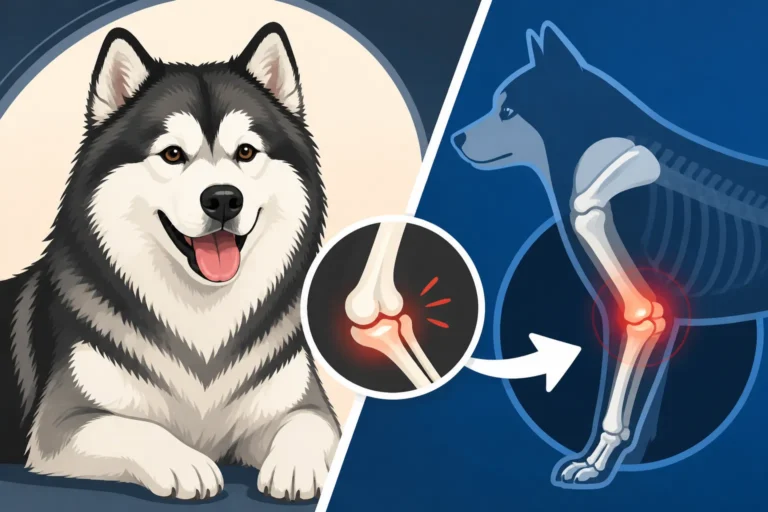
The Orthopedic Foundation for Animals (OFA) is a not-for-profit organization dedicated to improving the health and welfare of companion animals through a reduction in the incidence of genetic disease. For hip evaluations, OFA collects radiographs (X-rays) of a dog's hips, and these images are then reviewed by three independent, board-certified veterinary radiologists. These experts assess the hip joint for evidence of laxity (looseness) and degenerative joint disease, which are hallmarks of hip dysplasia. The results are then assigned a grade, ranging from excellent to severe. An "Excellent" rating means the hips are nearly perfect, "Good" means well-formed, and "Fair" means they are adequate but with minor irregularities. These three grades are considered "passing" for breeding purposes. However, scores of "Borderline," "Mild," "Moderate," or "Severe" indicate varying degrees of dysplasia, with "Borderline" suggesting some concern but not outright dysplasia, and the latter three being clear indications of hip dysplasia. Understanding these grades is paramount for any responsible owner or breeder.
Why Alaskan Malamutes Are Prone to Hip Issues
Alaskan Malamutes are magnificent, powerful dogs, bred for hauling heavy loads over long distances in harsh conditions. Their very purpose required robust bone structure and powerful musculature. However, like many large and rapidly growing breeds, they are genetically predisposed to hip dysplasia. This complex condition isn't solely genetic; environmental factors such as diet, exercise, and growth rate during puppyhood can also play a significant role. A Malamute puppy that grows too quickly, or one that experiences excessive, strenuous exercise on immature joints, can be at higher risk. The heavy body mass and the powerful rear-end propulsion they use for pulling can put considerable strain on their hip joints, exacerbating any underlying genetic predisposition. It's a cruel irony that the very traits that make them so capable can also contribute to their vulnerability. This is why paying close attention to their joint health from a young age, and throughout their lives, is so incredibly important for the well-being of our furry companions.
Diving into Alaskan Malamute OFA Statistics
When you’re considering a Malamute puppy, or even just thinking about your current dog's future, one of the most pressing questions is often about the likelihood of them developing serious health issues. Hip dysplasia is high on that list for a large, active breed. Knowing the statistics helps prospective owners make informed decisions and gives current owners a realistic perspective on managing their dog's health.
The Data on Malamute Hip Dysplasia
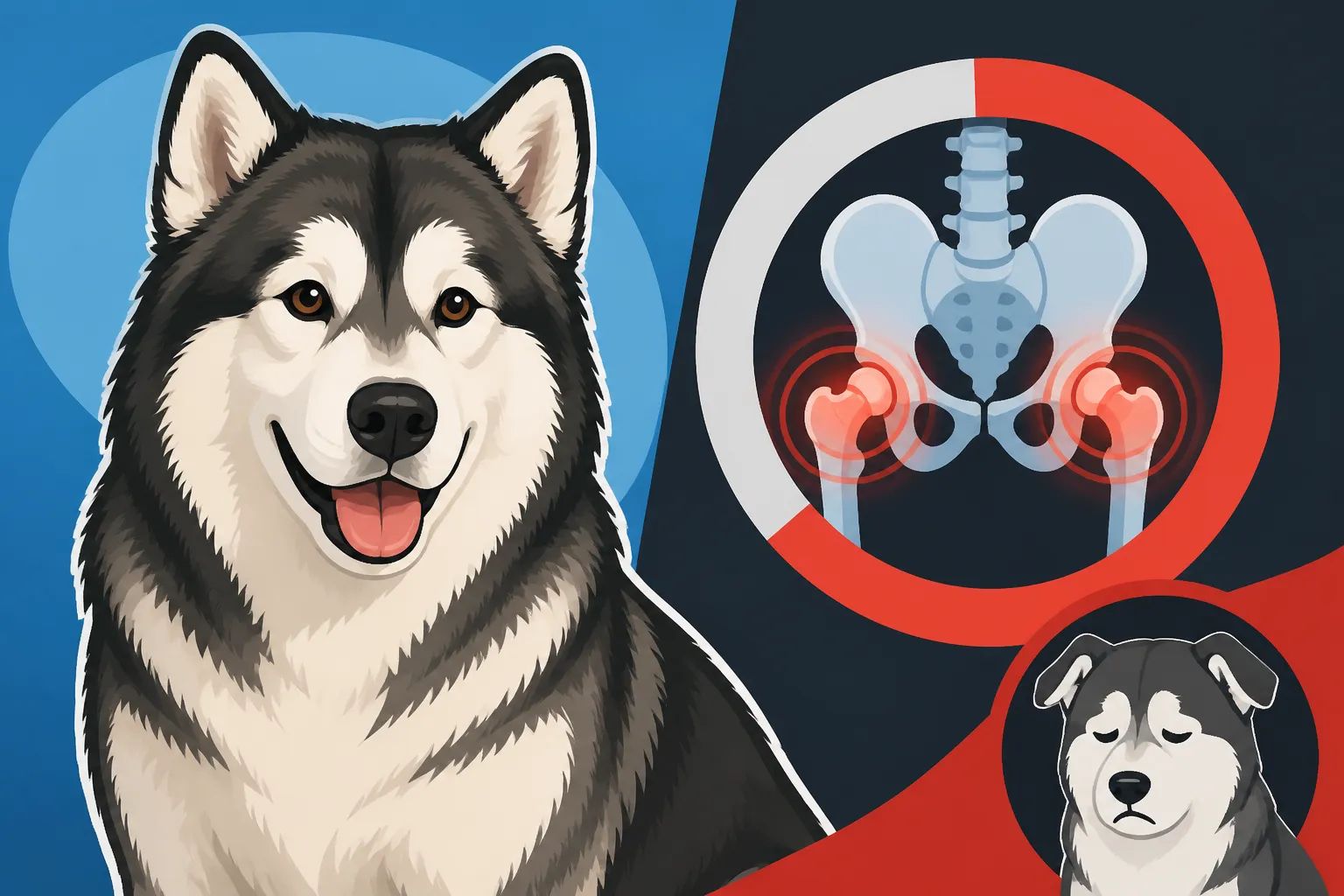
Based on publicly available data from the Orthopedic Foundation for Animals (OFA) – which compiles evaluations from thousands of dogs over many years – we can get a good picture of hip health in Alaskan Malamutes. When we look at the total number of Alaskan Malamutes evaluated for hip dysplasia, which often tallies into the tens of thousands, the statistics reveal a persistent challenge. Roughly 18% of Alaskan Malamutes evaluated by OFA receive a dysplastic grade (Mild, Moderate, or Severe). Additionally, approximately 7% are graded as "Borderline," meaning their hips are not entirely normal but do not show definitive signs of dysplasia. If we consider any grade below "Fair" as not meeting optimal health standards for breeding, then about 25% of Malamutes evaluated by OFA do not receive a clear passing grade. This means that while the majority of Mals do pass, a significant portion still faces hip health challenges. This is not a number to dismiss lightly; it underscores the importance of thorough health screening for breeding dogs.
For a clearer breakdown, let's look at what these grades mean:
| OFA Hip Grade | Description | Breeding Recommendation |
|---|---|---|
| Excellent | Superior hip conformation with a deep seated femoral head and a tight fit. | Ideal for breeding. |
| Good | Well-formed hip joint with good congruence and coverage. | Acceptable for breeding. |
| Fair | Functional hips but with minor irregularities, often slight joint laxity or minor remodeling. | Acceptable for breeding, though "Good" or "Excellent" is preferred. |
| Borderline | Hips are not clearly normal nor dysplastic; mild changes may be present, often re-evaluation is advised. | Not recommended for breeding without further evaluation; generally considered a "fail" for producers. |
| Mild | Slight evidence of hip dysplasia, often characterized by shallow socket and/or mild subluxation. | Not recommended for breeding. |
| Moderate | Significant evidence of hip dysplasia, including shallow sockets, poor fit, and secondary arthritic changes. | Not recommended for breeding. |
| Severe | Marked evidence of hip dysplasia with major structural changes, often associated with significant pain. | Not recommended for breeding. |
Interpreting the OFA Scores for Malamute Owners
So, what do these percentages really mean for you, the Malamute owner or future owner? First and foremost, they highlight why choosing a responsible breeder is absolutely non-negotiable. A breeder who dismisses these statistics or doesn't actively health test their breeding stock is taking a gamble with your future puppy's health and your emotional and financial well-being. The fact that roughly one in four Malamutes evaluated by OFA doesn't achieve a passing grade for hip health underscores the genetic component of this disease. While it doesn't mean your particular puppy is destined for trouble, it does mean that the gene pool carries this risk, and careful screening is the best defense. This is precisely why seeking out a breeder who prioritizes The Health Tests Both Alaskan Malamute Parents Should Have is so critical.
For current Malamute owners, these statistics offer a framework for understanding potential health challenges. If your dog is showing signs of discomfort or mobility issues, these numbers might help you understand the breed's predisposition and encourage you to seek veterinary advice sooner rather than later. It's also a reminder that even a dog from fully cleared parents isn't entirely immune, though their risk is significantly reduced. This awareness can help you be more proactive in their care, from managing their weight to providing appropriate exercise, and even considering Joint Supplements for an Alaskan Malamute as they age.
Proactive Steps and Management for Malamute Hips
Understanding the statistics is one thing, but actively using that knowledge to safeguard your Malamute's health is another. It's about being proactive, making informed choices, and committing to lifelong care that supports their magnificent, powerful bodies.
Choosing a Puppy from Health-Tested Parents
This is perhaps the single most impactful decision you can make. When you're looking for an Alaskan Malamute puppy, don't just fall for those adorable fluffy faces. You absolutely must inquire about the health clearances of both parents. A responsible breeder will have proof of OFA hip (and elbow) certifications for both the dam and sire, showing they have received "Fair," "Good," or "Excellent" ratings. They should be transparent and willing to provide the OFA numbers, which you can then verify on the OFA public database. Don't accept excuses like "the vet checked them" or "they come from healthy lines." Only certified OFA clearances will do. These tests are typically performed when the dog is at least 24 months old because The Age a Malamute Is Certified by OFA. This ensures the hip joints are fully developed for accurate assessment. Buying from untested parents is like playing Russian roulette with your dog's future health, and it's a risk no caring owner should take.
Supporting Your Malamute's Joint Health
Even with the best genetic start, proper care throughout your Malamute's life is essential for maintaining optimal joint health. First, nutrition plays a massive role, especially during their rapid growth phase. Feed a high-quality, large-breed puppy food that promotes slow, steady growth rather than rapid weight gain, which can stress developing joints. Maintaining a healthy weight throughout their life is equally crucial; every extra pound puts more strain on their hips.
Appropriate exercise is key. While Malamutes are working dogs, intense, high-impact activities like repetitive jumping or long-distance running on hard surfaces should be limited, particularly when they are young and their growth plates are still open. Instead, focus on controlled walks, hiking, and pulling activities when they are mature enough, ensuring they don't overexert themselves. You might be surprised to learn How Much Weight a Malamute Can Safely Pull when properly conditioned.
Many owners also consider joint supplements. Ingredients like glucosamine, chondroitin, and MSM can help support cartilage health, while Omega-3 fatty acids (like fish oil) have anti-inflammatory properties that can ease joint discomfort. Always consult your vet before adding any supplements to your dog's diet. Finally, think about pet insurance from a reputable provider like Healthy Paws. While pre-existing conditions typically aren't covered, having a plan in place before any issues arise can provide invaluable financial peace of mind if your Malamute does develop hip dysplasia or other conditions down the line. It's an investment in their long-term well-being and your peace of mind.
Recognizing Signs of Hip Dysplasia
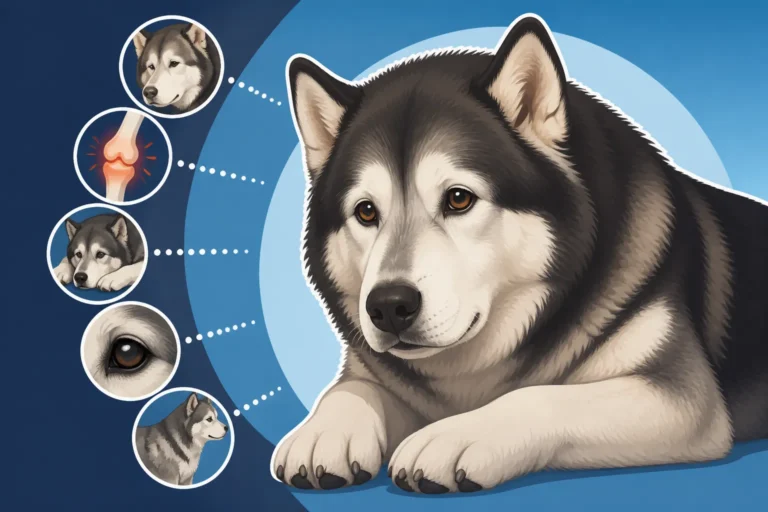
No matter how careful you are, it’s vital to be vigilant and recognize the early warning signs of hip dysplasia. Catching the issue early can significantly impact management and quality of life for your Malamute. Common symptoms to look out for include lameness or limping, especially after exercise or rest, a reluctance to jump, climb stairs, or stand up, and a peculiar "bunny-hopping" gait where both hind legs move together. You might also notice a decrease in activity level, a loss of muscle mass in their hindquarters, or a general stiffness and pain, particularly when they get up. Some dogs may even whine or growl if their hips are touched. These are all critical indicators that warrant a vet visit.
If you observe any of these signs, don't hesitate to contact your veterinarian. They can perform a physical examination and take X-rays to diagnose the condition definitively. Early diagnosis allows for more effective management strategies, which can range from pain medication and anti-inflammatory drugs to physical therapy, weight management, and in some severe cases, surgical interventions. Dealing with a chronic condition like hip dysplasia can be emotionally and financially draining, so having a good pet insurance plan, such as those offered by Healthy Paws, can be a true lifesaver, helping cover costly diagnostics, medications, and treatments without you having to dip into your emergency savings or make difficult choices based on cost. Being proactive and prepared is the best gift you can give your majestic companion.
Disclaimer
Please note that the information provided in this guide is for general educational purposes only and should not be considered a substitute for professional veterinary advice. Always consult with a qualified veterinarian for any health concerns or before making any decisions related to your pet's health and treatment. Breed statistics are general and individual dogs may vary.