Skip to content

Alaskan Malamute Guide

  • Breed Overview
  • Cost & Ownership
  • Care & Nutrition
  • Health & Lifespan
  • Training & Behavior
Alaskan Malamute Guide
  • Why a Malamute's Bark Changes With Polyneuropathy
    Health & Lifespan

    Why a Malamute’s Bark Changes With Polyneuropathy

    ByAlaskan Malamute Guide Editorial Team August 25, 2026October 25, 2026 October 25, 2026

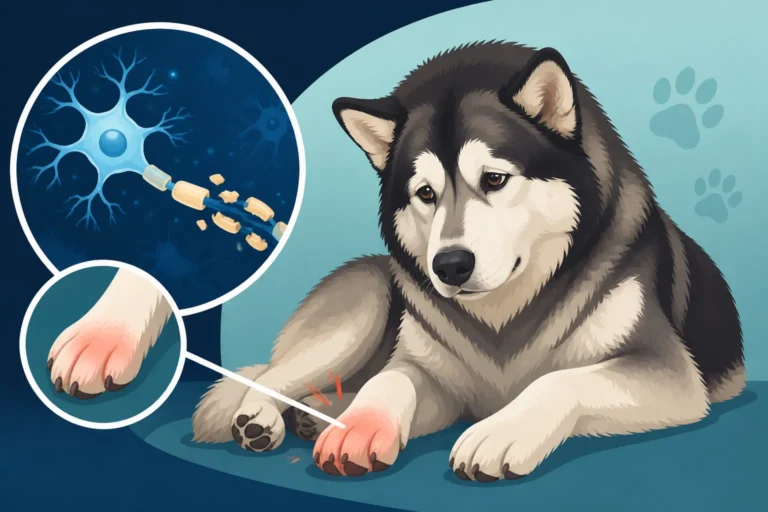
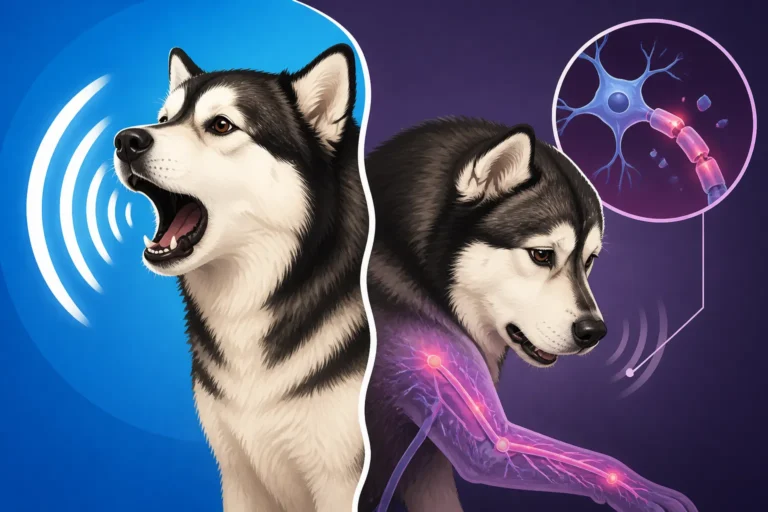
    Inherited Polyneuropathy damages laryngeal nerves in Alaskan Malamutes, causing progressive voice changes and muscle weakness.
    Read More Why a Malamute’s Bark Changes With PolyneuropathyContinue

  • The Age Polyneuropathy Appears in a Malamute
    Health & Lifespan

    The Age Polyneuropathy Appears in a Malamute

    ByAlaskan Malamute Guide Editorial Team August 25, 2026October 25, 2026 October 25, 2026

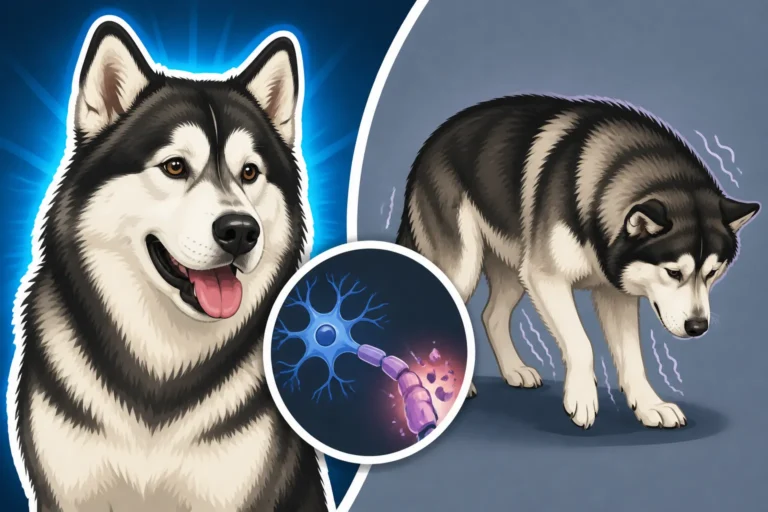
    Alaskan Malamute inherited polyneuropathy symptoms typically emerge between one and three years of age, causing hind limb weakness and stumbling.
    Read More The Age Polyneuropathy Appears in a MalamuteContinue

  • What Inherited Polyneuropathy Does to a Malamute
    Health & Lifespan

    What Inherited Polyneuropathy Does to a Malamute

    ByAlaskan Malamute Guide Editorial Team August 25, 2026October 25, 2026 October 25, 2026

    Inherited polyneuropathy in Alaskan Malamutes causes nerve damage, progressive weakness, and voice changes, presenting between one and three years of age.
    Read More What Inherited Polyneuropathy Does to a MalamuteContinue

  • Whether a Carrier Malamute Can Be Bred
    Health & Lifespan

    Whether a Carrier Malamute Can Be Bred

    ByAlaskan Malamute Guide Editorial Team August 25, 2026September 28, 2026 September 28, 2026

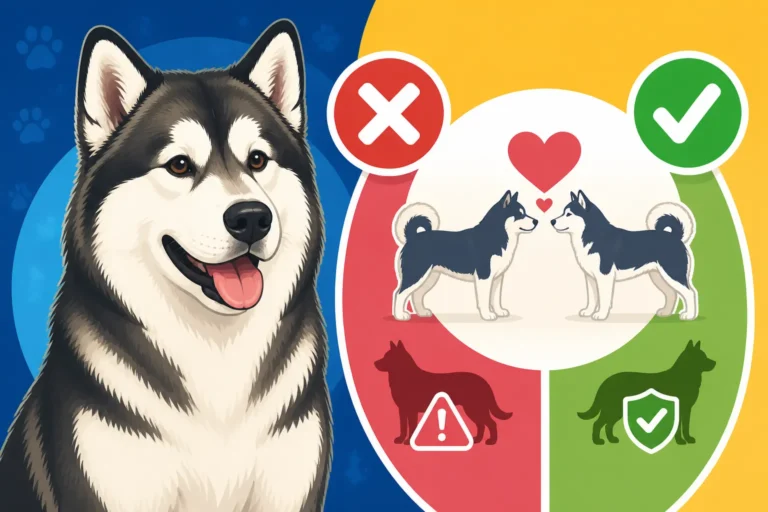
    Breeding a carrier Alaskan Malamute requires understanding genetic testing, recessive inheritance risks, and ethical responsibilities.
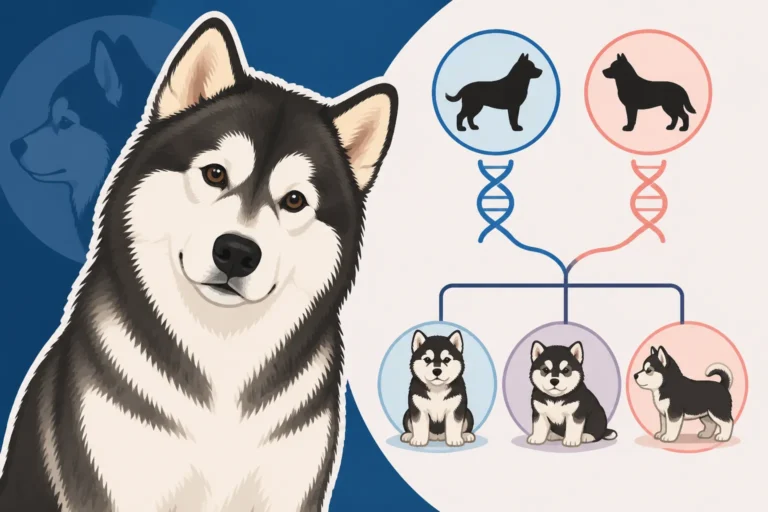
    Read More Whether a Carrier Malamute Can Be BredContinue

  • Whether Malamute Chondrodysplasia Is Recessive
    Health & Lifespan

    Whether Malamute Chondrodysplasia Is Recessive

    ByAlaskan Malamute Guide Editorial Team August 25, 2026October 25, 2026 October 25, 2026

    Malamute chondrodysplasia is a recessive genetic disorder requiring two mutated gene copies to cause disproportionately short limbs.
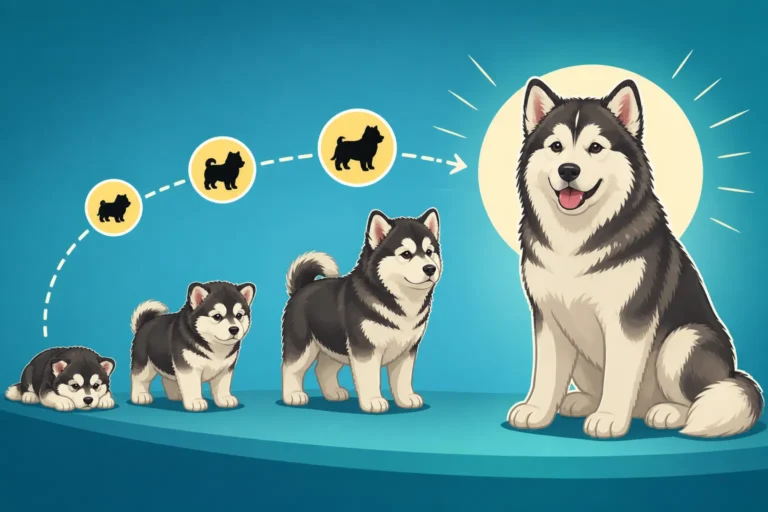
    Read More Whether Malamute Chondrodysplasia Is RecessiveContinue

  • The Age Malamute Dwarfism Becomes Visible
    Health & Lifespan

    The Age Malamute Dwarfism Becomes Visible

    ByAlaskan Malamute Guide Editorial Team August 25, 2026October 25, 2026 October 25, 2026

    Alaskan Malamute chondrodysplasia typically becomes visible between four and twelve weeks of age through shortened, bowed front legs.
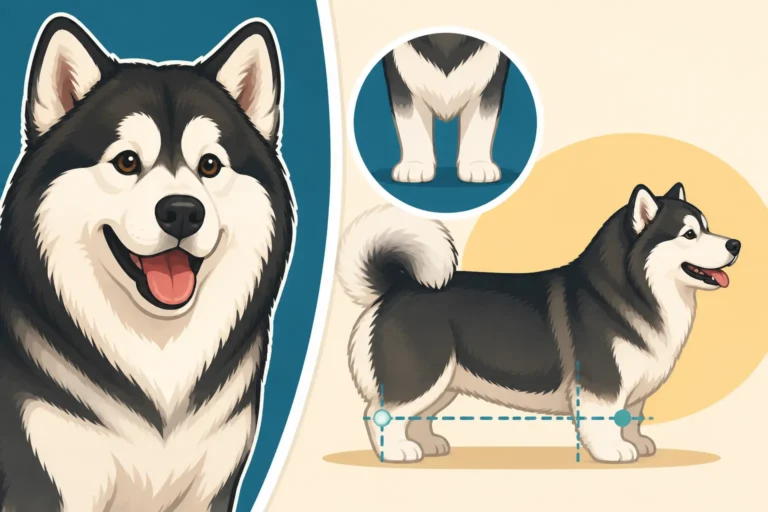
    Read More The Age Malamute Dwarfism Becomes VisibleContinue

  • How Short a Dwarf Malamute's Legs Stay
    Health & Lifespan

    How Short a Dwarf Malamute’s Legs Stay

    ByAlaskan Malamute Guide Editorial Team August 25, 2026September 28, 2026 September 28, 2026

    Dwarf Alaskan Malamute leg length usually matures to fifteen to eighteen inches, which is half to two-thirds normal size.
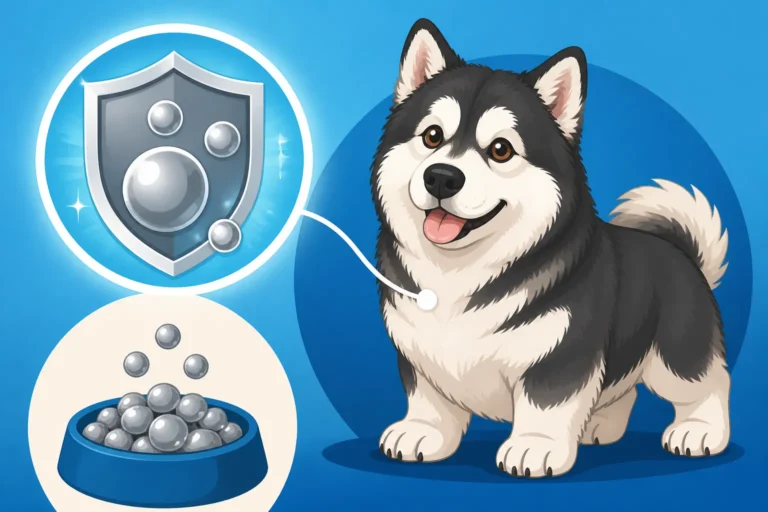
    Read More How Short a Dwarf Malamute’s Legs StayContinue

  • How Much Zinc a Chondrodysplastic Malamute Absorbs
    Health & Lifespan

    How Much Zinc a Chondrodysplastic Malamute Absorbs

    ByAlaskan Malamute Guide Editorial Team August 25, 2026October 12, 2026 October 12, 2026

    Chondrodysplastic Alaskan Malamutes absorb a quarter of their zinc compared to healthy dogs, requiring tailored nutritional care and monitoring.
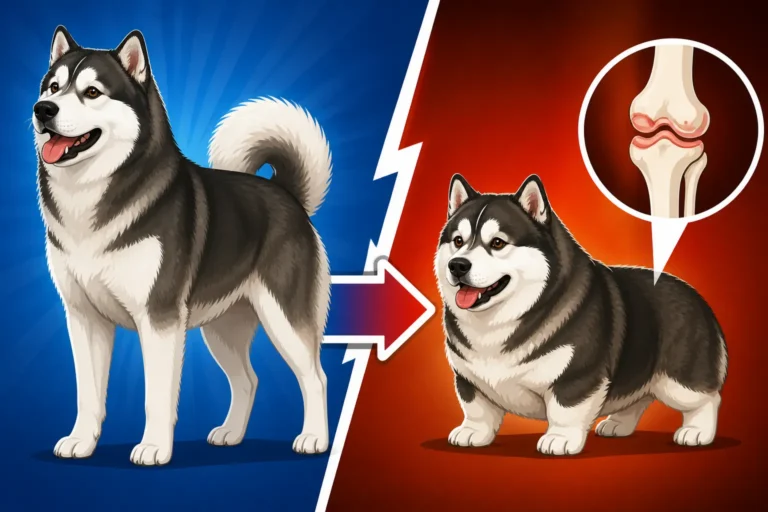
    Read More How Much Zinc a Chondrodysplastic Malamute AbsorbsContinue

  • What Chondrodysplasia Does to an Alaskan Malamute
    Health & Lifespan

    What Chondrodysplasia Does to an Alaskan Malamute

    ByAlaskan Malamute Guide Editorial Team August 25, 2026October 25, 2026 October 25, 2026

    Chondrodysplasia in Alaskan Malamutes causes genetic dwarfism, skeletal deformities, and mobility issues that require careful lifelong health management.
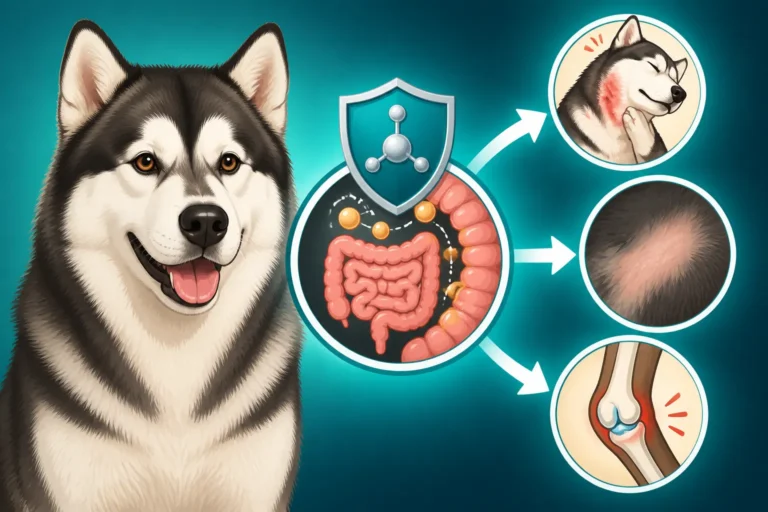
    Read More What Chondrodysplasia Does to an Alaskan MalamuteContinue

  • How Poor Zinc Absorption Links a Malamute's Three Disorders
    Health & Lifespan

    How Poor Zinc Absorption Links a Malamute’s Three Disorders

    ByAlaskan Malamute Guide Editorial Team August 25, 2026October 25, 2026 October 25, 2026

    Poor zinc absorption in Alaskan Malamutes links three disorders: zinc responsive dermatosis, chondrodysplasia, and inherited polyneuropathy.

    Read More How Poor Zinc Absorption Links a Malamute’s Three DisordersContinue

Page navigation

Previous PagePrevious 1 … 67 68 69 70 Next PageNext
  • About Us
  • Contact Us
  • Editorial Policy
  • Privacy Policy
  • Terms of Use

© 2026 CHOIS Media LLC. All rights reserved.

Location: Wyoming, USA    |    Email: [email protected]

Scroll to top
  • Breed Overview
  • Cost & Ownership
  • Care & Nutrition
  • Health & Lifespan
  • Training & Behavior
Search