Whether a Malamute’s Dandruff Means Anything
Seeing flakes in your Alaskan Malamute's beautiful, thick coat can be a bit alarming, especially if you're a new Mal parent. It makes you wonder if it's just normal shedding, a sign of dry skin, or something more serious lurking beneath that dense fur. This guide will walk you through what typical Malamute 'dandruff' looks like, when it's a cause for concern, and how to keep your companion's skin healthy and flake-free.
Understanding Alaskan Malamute Dandruff: What's Normal, What's Not
It's easy to look at a flurry of white flakes on your Malamute's black or grey coat and immediately think "dandruff!" But with a breed known for its incredible double coat and serious shedding habits, not every flake is a sign of trouble. Understanding the difference between normal skin turnover and an actual issue is key.
The "Snowstorm" of a Malamute Coat
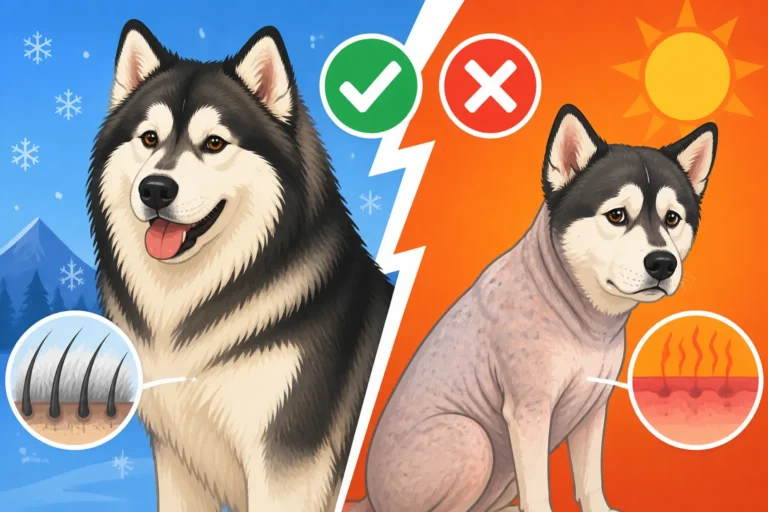
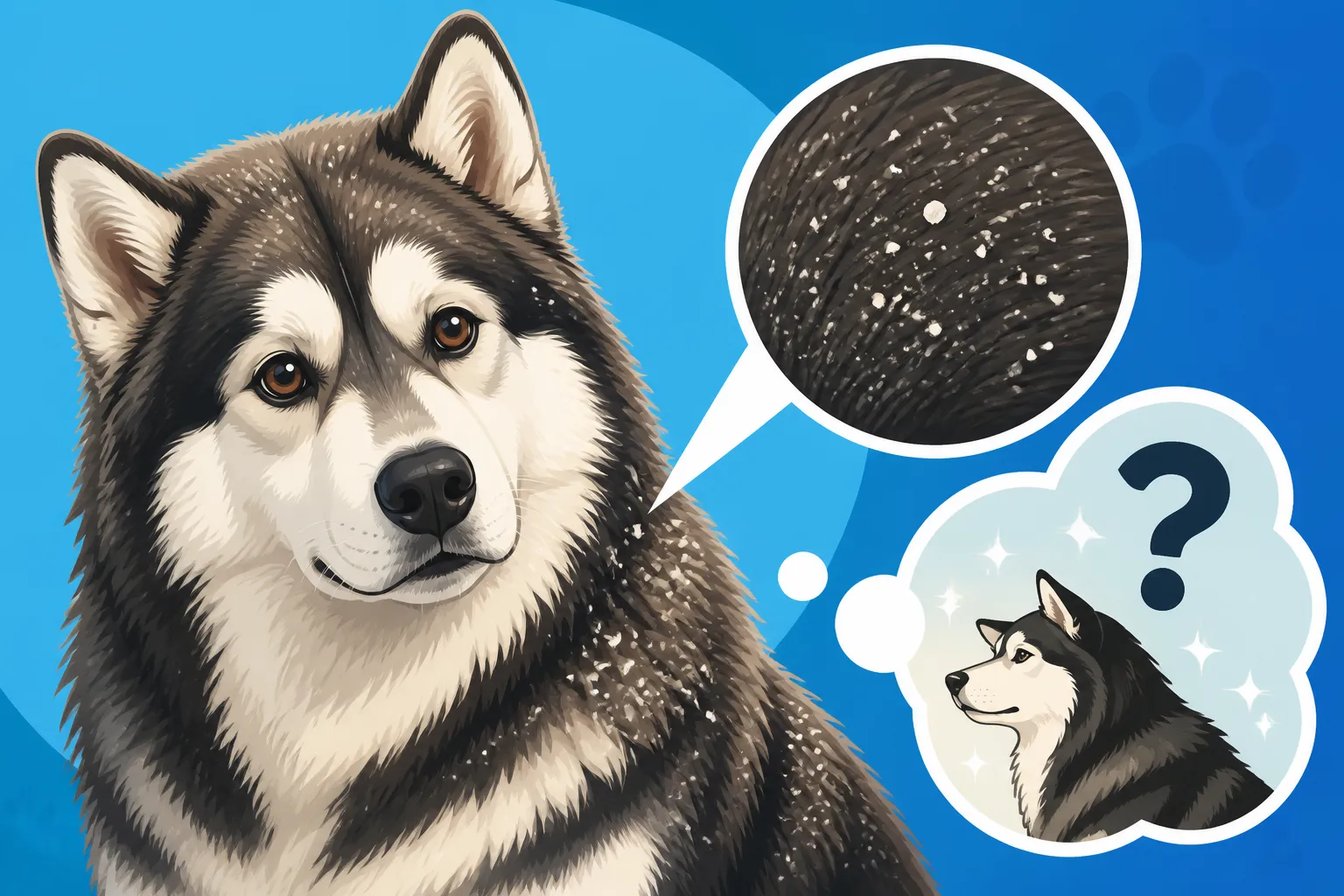
Alaskan Malamutes have a magnificent, dense double coat designed for harsh Arctic conditions. This coat goes through seasonal "blows" where they shed huge amounts of undercoat. During these periods, it's not uncommon to see a lot of loose hair and, yes, some skin flakes. Think of it like a human scalp: dead skin cells are always being shed as new ones are produced. A healthy Malamute's skin naturally desquamates (sheds dead cells) regularly.
These normal flakes are usually small, dry, and often mixed in with loose hair. They tend to brush off easily and don't typically come with other symptoms like redness, intense itching, or an unpleasant odor. It’s part of the natural cycle of the coat blow (The Malamute Coat Blow That Fills a Vacuum in an Afternoon), and while it can be messy, it's generally nothing to worry about. Regular grooming, especially during a coat blow, helps manage this "snowstorm" by removing dead hair and flakes before they become too visible or irritating.
When Dandruff Signals a Problem
While some flaking is normal, persistent, excessive, or accompanied by other symptoms, it's time to pay closer attention. If the flakes are large, greasy, crusty, or if you notice your Malamute is excessively scratching, licking, or rubbing their body, it's a red flag. These aren't just cosmetic issues; they can indicate discomfort or an underlying health problem. You might also notice patches of thinning hair, redness, sores, or a distinct smell coming from their skin.
A good practice is to regularly Reading a Malamute's Skin Before the Crusts Appear. This allows you to catch subtle changes early. If the flakes seem different from their usual shedding, or if they're concentrated in specific areas like the back, tail base, or around the face, it's worth investigating. It’s important not to dismiss these signs, as prompt attention can prevent a minor irritation from escalating into a more serious condition.
Everyday Causes of Malamute Dandruff
Before jumping to worst-case scenarios, it's important to consider the more common, everyday reasons your Malamute might be experiencing dandruff. Many of these are easily remedied with a few simple adjustments to their care routine or environment.
Dry Air and Environmental Factors
Just like humans, dogs can suffer from dry skin, especially when the air around them is dry. This is a common issue in colder climates during winter months when indoor heating is running constantly, or in arid regions. The lack of humidity can strip moisture from their skin, leading to flakiness. Think about how your own skin feels in winter – often dry and itchy. Your Malamute is no different. This can be exacerbated if they spend a lot of time indoors in a heated environment without sufficient humidity.
Even too much sun exposure without proper shade can contribute to dry skin, though this is less common for a well-coated Malamute in typical circumstances. Keeping your home adequately humidified, particularly in winter, can make a significant difference. Placing humidifiers in rooms where your Malamute spends a lot of time can help restore moisture to the air and, consequently, to their skin and coat.
Dietary Considerations and Hydration
What goes into your Malamute's bowl plays a huge role in the health of their skin and coat. A diet lacking essential fatty acids, particularly Omega-3s and Omega-6s, can lead to dry, flaky skin. These fats are crucial for maintaining skin barrier function and coat luster. If your Malamute isn't getting enough high-quality protein or the right balance of nutrients, their skin can suffer. Cheap fillers or an imbalance in their diet can manifest as a dull coat and flaky skin.
Hydration is another simple but critical factor. Dogs need consistent access to fresh water, and if your Malamute isn't drinking enough, their skin can become dehydrated. Ensure their water bowl is always full and clean. Sometimes, encouraging more water intake can be as simple as adding a splash of bone broth or offering wet food. When choosing a food, look for brands that prioritize high-quality protein sources and include beneficial fats. You might consider a brand like Ollie for fresh food options, or look for kibbles available on Chewy that list salmon oil or flaxseed as ingredients.
Grooming Habits and Product Choices
Believe it or not, both too much and too little grooming can contribute to dandruff. Under-grooming, especially with a Malamute, means dead undercoat and skin cells aren't being properly removed, leading to matting and skin irritation beneath the surface. Regular brushing, ideally several times a week, is vital to stimulate blood flow, distribute natural oils, and remove loose hair and dead skin. For Malamutes, a good quality undercoat rake and a pin brush are indispensable tools. Consider How Often an Alaskan Malamute Needs Brushing to ensure you're doing enough.
On the other hand, over-bathing or using harsh shampoos can strip your Malamute's skin of its natural oils, leading to dryness and flakiness. Malamutes really don't need frequent baths; their coats are remarkably self-cleaning. When you do bathe them, use a gentle, moisturizing dog-specific shampoo. Avoid human shampoos, as they have a different pH balance and can be irritating. How Often an Alaskan Malamute Should Be Bathed is generally quite infrequent, perhaps only a few times a year unless they've gotten particularly dirty. After bathing, ensure you rinse thoroughly to remove all shampoo residue, which can also irritate the skin.
Dandruff as a Warning Sign: Underlying Health Issues
While many cases of Malamute dandruff are due to environmental or dietary factors, sometimes, those flakes are shouting that something more significant is going on internally. It’s crucial to be aware of these potential health issues, especially with a breed prone to certain genetic conditions.
Zinc Responsive Dermatosis
This is a condition near and dear to the hearts of many Malamute owners, and it's often the first thing that comes to mind when you see crusty, flaky skin. Alaskan Malamutes, like some other Nordic breeds, can have an inherited inability to properly absorb zinc from their diet, even if the diet itself contains sufficient zinc. This leads to a zinc deficiency that manifests prominently in the skin. The flakes aren't just dry; they often appear as thick, crusty lesions, especially around the eyes, muzzle, ears, elbows, and paw pads.
If you notice Whether a Malamute's Crusty Skin Means Zinc Deficiency and it's accompanied by hair loss or thickening of the skin, especially in those specific areas, Zinc Responsive Dermatosis in an Alaskan Malamute should be high on your list of suspects. It's a genetic predisposition, and left untreated, it can cause significant discomfort, secondary infections, and a very unhappy Malamute. It often requires lifelong zinc supplementation, as discussed in How a Malamute's Zinc Deficiency Is Treated.
Allergies and Sensitivities
Allergies are increasingly common in dogs, and they can certainly manifest as skin issues, including dandruff. Your Malamute could be reacting to environmental allergens like pollen, dust mites, or mold (atopic dermatitis), or they might have a food allergy or sensitivity. With environmental allergies, the itching is often intense, leading to scratching, licking, and chewing that further irritates the skin and can cause flaking, redness, and secondary infections.
Food allergies might present with skin symptoms, but often also include gastrointestinal upset. Pinpointing allergies can be a frustrating journey, requiring careful observation, elimination diets, or veterinary testing. If you suspect allergies, you'll need to work closely with your vet. Eliminating potential triggers from their diet or environment is key. For food sensitivities, exploring different protein sources or limited ingredient diets (many available on Amazon or Chewy) might be helpful. If your Malamute has other allergy signs, reading about Whether an Alaskan Malamute Gets Skin Allergies could provide more insight.
Other Skin Conditions to Rule Out
Beyond zinc deficiency and allergies, several other skin conditions can cause dandruff-like symptoms in Malamutes. These include:
- Bacterial or Yeast Infections: Often secondary to allergies or other irritations, these infections thrive in inflamed or broken skin. They can cause greasy flakes, redness, odor, and intense itching.
- Parasites: Fleas, mites (like Sarcoptes or Demodex), and lice can all cause irritation, itching, and subsequent flaking as your Malamute scratches. A thorough vet exam, including skin scrapes, can identify these culprits.
- Hypothyroidism: While not directly causing dandruff, an underactive thyroid can lead to a dull, dry coat, excessive shedding, and flaky skin due to metabolic changes. This is a systemic issue that often has other symptoms like lethargy and weight gain.
- Seborrhea: This condition involves abnormal production of sebum (skin oil). It can be dry (seborrhea sicca), causing abundant dry flakes, or oily (seborrhea oleosa), causing greasy flakes and a distinct odor. It can be primary (inherited) or secondary to another underlying issue.
It’s clear that "dandruff" isn't a diagnosis in itself, but a symptom that warrants investigation if it's persistent or accompanied by other signs of discomfort. A vet will help you differentiate between these possibilities, ensuring your Malamute gets the correct treatment.
| Dandruff Type | Appearance | Common Causes | Accompanying Symptoms | Action Needed |
|---|---|---|---|---|
| Normal Shedding | Small, dry, white flakes mixed with loose hair | Natural skin turnover, coat blow | No significant itching, redness, or odor | Regular brushing, good grooming |
| Dry Skin | Small to medium, dry flakes, sometimes dull coat | Dry air, low humidity, inadequate diet (fats) | Mild itching, no redness | Humidify, dietary supplements (Omega-3s) |
| Zinc Deficiency | Large, thick, crusty, greyish or yellowish flakes | Genetic malabsorption of zinc | Intense itching, redness, hair loss, lesions around eyes/muzzle/joints, secondary infections | Vet diagnosis, zinc supplementation (lifelong often) |
| Allergy-Related | Varies (dry or greasy), can be patchy | Environmental allergens, food sensitivities | Intense itching, redness, rashes, chewing paws, ear infections, gastrointestinal upset | Vet diagnosis, allergen avoidance, medication |
| Infection/Parasites | Varies (often greasy or with scabs/sores) | Bacteria, yeast, fleas, mites, lice | Intense itching, foul odor, pustules, redness, hair loss, visible parasites | Vet diagnosis, specific anti-infective/parasitic treatment |
Steps to Take When Your Malamute Has Dandruff
Discovering your Malamute has dandruff can be stressful, but taking a systematic approach can help you get to the bottom of it and provide relief. Here’s how to proceed, starting with what you can do at home and when to involve your trusted veterinarian.
At-Home Management Strategies
Before you panic, there are several things you can try at home to address mild cases of dandruff, especially if it seems linked to dry skin or grooming habits. The first line of defense is consistent and appropriate grooming. During a coat blow, brush your Malamute daily to remove dead hair and skin flakes. Invest in a good undercoat rake and a slicker brush, or even a specialized deshedding tool from a brand like Furminator (widely available on Amazon). This physically removes the flakes and stimulates natural oil production.
Next, evaluate their diet and hydration. Ensure your Malamute is on a high-quality dog food with a good balance of protein and healthy fats. Many owners find adding an Omega-3 fatty acid supplement, like fish oil, greatly improves skin and coat health. You can find excellent quality options on Chewy or Amazon. Make sure they always have access to fresh water; a pet drinking fountain might encourage more intake. Lastly, if you live in a dry climate, consider adding a humidifier to the rooms your Malamute frequents. This simple environmental change can make a big difference in rehydrating their skin.
When It's Time for a Vet Visit
While home remedies are a great starting point, there are definite signs that indicate it's time to make an appointment with your veterinarian. If your Malamute's dandruff is persistent, worsening, or accompanied by other worrying symptoms, don't delay. These symptoms include:
- Intense, uncontrollable itching or scratching.
- Redness, inflammation, or visible rashes on the skin.
- Hair loss, especially in patches.
- Open sores, scabs, or crusty lesions.
- A foul odor coming from the skin.
- Lethargy, changes in appetite, or other signs of general unwellness.
These symptoms suggest an underlying issue that requires professional diagnosis and treatment, whether it’s an infection, allergies, or a metabolic condition like Zinc Responsive Dermatosis in an Alaskan Malamute. Early intervention can prevent the condition from becoming more severe, saving your Malamute discomfort and potentially reducing treatment costs in the long run.
Working with Your Veterinarian for Diagnosis
When you visit your vet, be prepared to provide a detailed history. This includes:
- When you first noticed the dandruff.
- Any accompanying symptoms (itching, redness, etc.) and their severity.
- Your Malamute's diet, including any treats or supplements.
- Your grooming routine and products used.
- Any changes in their environment or routine.
- Whether you've tried any at-home remedies and their effectiveness.
Your vet will conduct a thorough physical examination, looking closely at your Malamute's skin and coat. They may recommend diagnostic tests such as:
- Skin scrapes: To check for mites.
- Fungal cultures: To rule out ringworm.
- Cytology: To identify bacterial or yeast infections.
- Blood tests: To check for systemic issues like hypothyroidism or to assess zinc levels, though a direct zinc level test might not be definitive for zinc-responsive dermatosis.
- Biopsy: In more complex cases, a skin biopsy might be taken for histopathology.
Based on the diagnosis, your vet will recommend a specific treatment plan. This could range from medicated shampoos and antibiotics for infections, to dietary changes, allergy medications, or lifelong zinc supplementation if How Much Zinc a Chondrodysplastic Malamute Absorbs is the problem. Remember, your vet is your best ally in figuring out what's really going on under that magnificent Malamute coat.
Prevention and Long-Term Coat Health
Once you've identified and treated any underlying causes of dandruff, the focus shifts to prevention and maintaining your Malamute's overall skin and coat health for the long haul. A proactive approach is always more effective than reactive treatment.
Optimizing Diet and Supplements
A balanced, high-quality diet is the foundation of healthy skin and coat. Look for dog foods that list meat as the first ingredient and contain a good source of omega fatty acids. Sometimes, even with a great diet, a Malamute benefits from additional supplementation. Omega-3s, typically from fish oil (salmon oil, cod liver oil), are excellent for reducing inflammation and supporting skin barrier function. You can find high-quality fish oil supplements from trusted pet retailers like Chewy or Amazon.
For Malamutes specifically, if there's any suspicion of a genetic predisposition to zinc deficiency, working with your vet on appropriate zinc supplementation might be necessary, even if they aren't showing full-blown What Zinc Responsive Dermatosis Looks Like on a Malamute. It’s a delicate balance; too much zinc can be toxic, so always consult your vet before adding supplements. Furthermore, understanding Which Foods Block a Malamute's Zinc Absorption can help you make informed choices about treats and other dietary components. A well-rounded diet supports not just the skin but What an Alaskan Malamute Needs Every Day for overall vitality.
Grooming Routines for a Healthy Coat
Regular and proper grooming is paramount for a Malamute's skin and coat health. Beyond simply making them look good, brushing helps to remove dead hair and skin cells, preventing matting and promoting air circulation to the skin. This in turn reduces the likelihood of skin irritation and dandruff. Aim for brushing sessions several times a week, increasing frequency during seasonal coat blows. A force dryer, available on Amazon, can also be a game-changer during these periods, helping to blast out loose undercoat and dander.
Bathing should be done sparingly, using a gentle, moisturizing dog shampoo. Over-bathing can strip natural oils, leading to dryness. Always rinse thoroughly to ensure no shampoo residue remains. Pay close attention to areas prone to matting or skin issues, such as behind the ears, under the legs, and around the tail. While your Malamute's coat is designed to protect them, regular inspection allows you to catch issues like redness, lumps, or unusual flaking early. How Often an Alaskan Malamute Needs Brushing is usually more frequent than How Often an Alaskan Malamute Should Be Bathed.
Environmental Adjustments for Skin Wellness
The environment your Malamute lives in plays a crucial role in their skin health. If you live in an arid climate or one with harsh winters where indoor heating dries out the air, consider using humidifiers. Maintaining an optimal indoor humidity level can significantly reduce dry, flaky skin for both you and your Malamute. Ensure your Malamute has comfortable bedding that allows for airflow, preventing hot spots or irritation from prolonged pressure.
Regular cleaning of your dog's bedding, toys, and grooming tools is also important to minimize allergens and potential irritants. If your Malamute spends time outdoors, ensure they have access to shade to prevent sunburn, which can also lead to dry, flaky skin. While Malamutes are built for cold, even they can be affected by extreme environmental conditions. By taking a holistic approach—combining excellent nutrition, consistent grooming, and a supportive environment—you can help ensure your Alaskan Malamute's magnificent coat remains healthy, shiny, and wonderfully flake-free. This approach contributes to The Ten to Fourteen Years an Alaskan Malamute Lives by supporting overall health.
Disclaimer
This article is for general informational purposes only and does not constitute professional advice. Laws, prices and regulations vary by location and change over time. Consult a qualified professional for guidance on your specific situation.