Whether an Alaskan Malamute Enjoys Snow
For anyone who shares their life with an Alaskan Malamute, there's often one burning question that comes up as soon as the first snowflake falls: do they really love the snow? You see the pictures, you hear the stories, and you witness that undeniable spark in their eyes, but you might still wonder if it’s just a breed stereotype or a genuine, deep-seated joy. Let me tell you, it's not a myth; for most Malamutes, snow isn't just a weather condition – it's an invitation to pure bliss, a canvas for their inherent nature to shine. This guide will delve into why these magnificent dogs are so utterly smitten with winter wonderland.
The Malamute's Ancestral Connection to Snow and Cold
It's impossible to understand an Alaskan Malamute's relationship with snow without looking at their roots. These aren't just any dogs; they are living, breathing pieces of Arctic history, meticulously shaped by centuries of coexistence with the Mahlemut people in the harsh, unforgiving environment of the Kotzebue Sound. Their very DNA is a testament to resilience and thriving in conditions that would send most other breeds scrambling for warmth indoors.
Built for the Arctic: Coat, Paws, and Metabolism
The Alaskan Malamute is a marvel of natural engineering, perfectly adapted to frigid temperatures and deep snow. Their famous double coat isn't just for show; it's a critical piece of their survival kit. The outer coat is coarse, dense, and water-repellent, shedding snow and ice effortlessly. Beneath that lies a thick, woolly undercoat that provides incredible insulation, trapping warm air close to their body. It's like wearing a custom-made, high-performance winter jacket, all the time. This phenomenal coat allows them to lie comfortably in drifts that would have other dogs shivering uncontrollably.
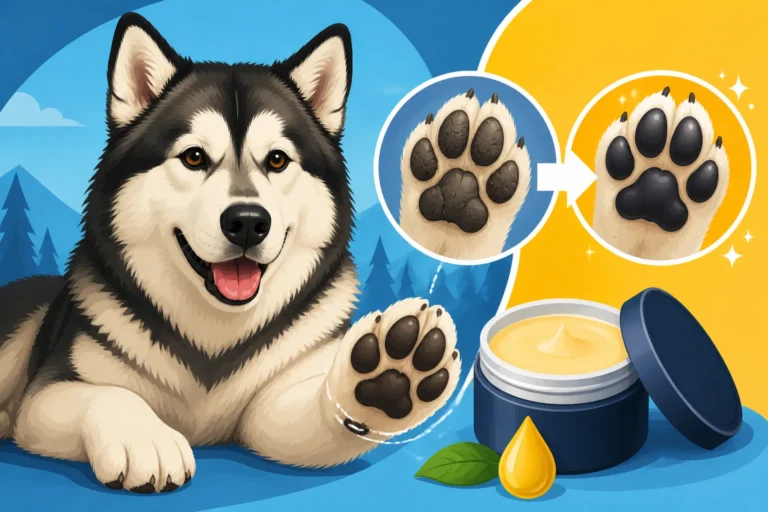
Beyond their coat, consider their paws. They are large, well-padded, and have tough, leathery pads that can withstand extreme cold. Their toes are spread apart, forming a natural "snowshoe" effect that helps them navigate deep snow without sinking too much. This makes traversing snowy landscapes far easier for them than for dogs with smaller, daintier feet. Even their metabolism plays a role; they are incredibly efficient at converting food into energy and heat, a trait that helped them survive lean times in the Arctic. This is also why many new Malamute owners are often surprised that their large dog doesn't eat as much as expected; their bodies are simply more efficient. You can read more about this in The Efficient Metabolism That Surprises Every New Malamute Owner.
Historical Role in Snow-Covered Lands
The Mahlemut people didn't just share their lives with these dogs; they relied on them for survival. Malamutes were primarily freighting dogs, meaning they were bred to pull heavy loads over long distances in snowy, icy terrain. This wasn't about speed; it was about strength, endurance, and an unwavering ability to work in the most challenging winter conditions. A dog that didn't enjoy or couldn't tolerate snow wouldn't have survived, let alone thrived, in that role. This ingrained history means that working in snow, or at least being active in it, is deeply satisfying for a Malamute.
From hauling supplies for the nomadic Mahlemut to assisting legendary explorers like Peary and Byrd on their polar expeditions, snow has always been their element. It's where they were most useful, most content, and most capable. So, when you see your Malamute reveling in a fresh snowfall, remember that they are simply reconnecting with centuries of ancestral purpose and pleasure. It's not just a preference; it’s a profound part of their heritage.
How Malamutes Express Their Love for Snow
When snow blankets the ground, most Malamutes transform into canine versions of excited children on a snow day. Their behavior often becomes a clear, unmistakable declaration of their absolute delight. It’s a joy that’s infectious to witness and truly a sight to behold.
The "Snow Zoomies" and Play Behavior
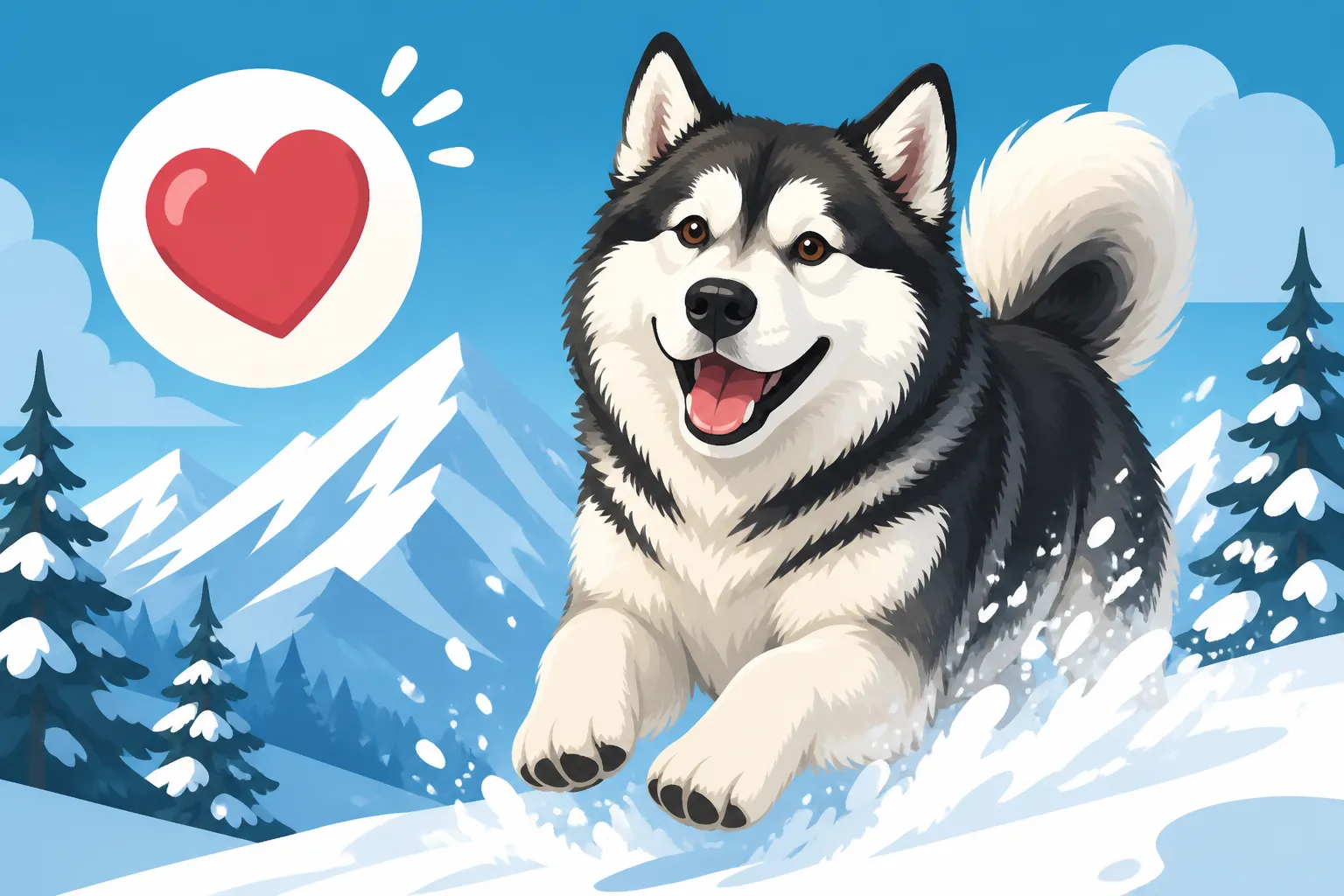
If you've ever owned a Malamute, you've likely seen the "snow zoomies." It's that sudden burst of boundless energy where they tear through the snow, digging their muzzles into drifts, rolling around, and generally acting like they've just won the lottery. They might dash back and forth, tossing snow in the air with their noses, or pounce on invisible prey buried beneath the white blanket. This isn't just random energy; it's pure, unadulterated happiness. The snow acts as a giant, soft playground, inviting them to run, jump, and express themselves without the usual concerns about hard ground impacting their joints.
They love to wallow in it, kicking up snow with their powerful legs. Some will even try to "eat" the falling flakes, snapping at them with playful intensity. It's common to see them burrowing tunnels, creating little snow caves, or just generally making a glorious mess. This playful exuberance is a clear indication that snow stimulates them both physically and mentally. It's an enrichment activity that few other environments can provide, truly bringing out their spirited nature.
Napping and Resting in the Snow
While the snow zoomies are spectacular, a more subtle, yet equally profound, expression of their snow love is their tendency to relax, and even nap, right in the middle of a snowdrift. For many breeds, the idea of lying down in the snow for an extended period would be unthinkable, a recipe for chills and discomfort. For a Malamute, it's often their preferred resting spot. You'll find them curled up in a perfect crescent shape, sometimes completely covered in a fresh layer of white, looking utterly serene and content. Their thick coats are so insulating that the snow actually helps them regulate their body temperature, acting like a natural cooling bed.
This behavior is another strong link to their heritage. In the Arctic, their ancestors would often sleep outdoors, even in blizzards, relying on their incredible coats and adaptations to keep warm. Don't be surprised if your Malamute chooses to lie outside on a snowy day even if the door to the warm house is open. It’s not that they’re being stubborn; they are simply most comfortable in their natural element. You can explore more about this in Whether an Alaskan Malamute Can Sleep Outdoors in Winter. They are designed for this environment, and embracing it is a fundamental part of who they are.
Practical Considerations for Snow Play
While Malamutes generally adore snow, responsible ownership means understanding the practical aspects of allowing them to enjoy it safely. Even a dog built for the Arctic isn't entirely immune to every winter hazard, and a little preparation can go a long way in ensuring their comfort and well-being.
Protecting Paws in Extreme Cold or Icy Conditions
While a Malamute's paws are remarkably tough, they aren't indestructible. Extreme cold, especially when combined with ice, can still pose a risk. Ice can cut their paw pads, and rock salt or chemical de-icers used on roads and sidewalks can cause irritation, dryness, or even chemical burns. When walking in urban areas or on heavily treated surfaces, booties can be a lifesaver. Brands like Ruffwear or Muttluks, available on platforms like Amazon or Chewy, offer durable options designed for cold weather.
It's also crucial to check their paw pads regularly after walks, especially if they've been in deep snow or icy conditions. Snow can ball up between their toes, forming ice clumps that are uncomfortable and can cause frostbite or abrasions. If you notice ice balls, gently remove them. A bit of paw balm can also help prevent cracking and keep their pads supple during the dry winter months. You might find this helpful: Whether an Alaskan Malamute Needs Booties for Pulling or Whether an Alaskan Malamute's Pads Crack in Winter.
Hydration and Nutrition in Winter
You might think that because it's cold, dogs don't need as much water, but that's a common misconception, especially for active Malamutes. They still need plenty of fresh water, particularly if they're playing hard in the snow. Dehydration can happen in winter just as it can in summer, as they're expending energy and often panting. Ensure their outdoor water bowls aren't freezing solid; heated bowls are a great investment for those cold climates.
Nutrition also warrants attention. If your Malamute is highly active in the cold, engaging in activities like sledding or extended runs in deep snow, their caloric needs might increase. They burn more energy to stay warm and to move through the snow. You might need to adjust their food intake slightly or consider a performance-oriented kibble, available from retailers like Chewy or your preferred specialty pet food store. However, for a Malamute that is primarily a pet and not a working dog, increasing calories too much can lead to unhealthy weight gain, as their metabolism is already very efficient. It's a delicate balance; always consult your vet about dietary changes, but remember that a high-quality diet, perhaps like those offered by Ollie, tailored to their activity level is important year-round. You can learn more about this in Feeding a Working Malamute Against a Pet One and Whether a Malamute Needs More Fat in Winter.
Common Misconceptions and Safety
While we celebrate the Malamute's affinity for snow, it's vital to dispel some myths and address safety concerns. Their love for the cold doesn't make them invincible, and even these hardy dogs have limits. Understanding these boundaries ensures their snowy adventures remain joyful and safe.
When Too Much Cold Becomes a Risk
It's easy to assume that because a Malamute is built for cold, they can handle any cold. This isn't entirely true. While they tolerate freezing temperatures far better than most breeds, prolonged exposure to extreme cold, especially without shelter or if they are wet, can still lead to hypothermia or frostbite. Puppies, senior Malamutes, or those with underlying health conditions are more vulnerable. A very thin or ill Malamute might struggle more than a healthy, well-conditioned adult.
Even with their magnificent coats, if temperatures drop to dangerously low levels (think well below zero, especially with wind chill), common sense dictates that even a Malamute should have access to a warm, dry shelter. Their ability to sleep outside in winter assumes they are acclimated, healthy, and have a protected area away from wind and precipitation. Don't mistake their preference for the cold as an invitation to neglect their need for proper care. Always be mindful of the actual weather conditions and your individual dog's health and comfort level. You can read more on this in Whether an Alaskan Malamute Can Sleep Outdoors in Winter.
Avoiding Overexertion in Deep Snow
Playing in deep snow is incredibly fun for a Malamute, but it's also a serious workout. Moving through heavy, deep snow requires significantly more energy than walking or running on clear ground. It’s akin to a human running through sand. A Malamute might not show signs of fatigue as readily as other dogs because they enjoy the activity so much and are bred for endurance. However, overexertion can lead to muscle strains, exhaustion, or even issues like bloat, especially if they're drinking a lot of water or eating snow rapidly during intense play.
It's important to monitor their activity and offer breaks. If you're going for a long hike or a serious play session in deep snow, bring extra water and perhaps some high-energy snacks. Watch for subtle signs of fatigue, such as lagging behind, excessive panting, or a decrease in their usual enthusiasm. Just because they can keep going doesn't always mean they should without a pause. A tired Malamute will appreciate a chance to rest, even if it's just lying in the snow for a few minutes.
Enhancing Your Malamute's Snow Experience
Knowing how much your Malamute loves snow opens up a world of possibilities for enriching their lives during the colder months. Beyond just letting them romp in the backyard, there are many ways you can actively engage with them and make winter their favorite season.
Winter Activities and Gear
For a breed so intrinsically tied to pulling, winter offers the perfect opportunity to engage their natural instincts. Sledding, skijoring (where your Malamute pulls you on skis), or even just pulling a small child on a sled in the park are fantastic ways to channel their energy and fulfill their desire to work. These activities not only provide excellent physical exercise but also mental stimulation, which is crucial for a breed as intelligent and driven as the Malamute. If you're new to these sports, start slow and invest in appropriate gear, such as a proper pulling harness, available from specialized retailers or even on Amazon.
Even if you're not into competitive sledding, winter hikes are a wonderful option. The cooler temperatures mean your Malamute can often go for longer, more vigorous walks without overheating. Just remember the paw protection for icy trails and ensure you have proper control with a sturdy leash and harness. While not directly snow-related, a backpack can be a great way for them to carry their own water and snacks on a hike, giving them a sense of purpose without needing snow. Read How Much a Malamute Should Carry on a Hike for more tips.
Here’s a quick overview of popular winter activities for Malamutes:
| Activity | Description | Benefits | Essential Gear |
|---|---|---|---|
| Sledding | Malamute pulls a lightweight sled, often with a person or gear. | Fulfills natural pulling instinct, great exercise. | Dog sled, proper pulling harness, gangline. |
| Skijoring | Dog pulls a skier. Requires a confident skier and dog. | High-energy exercise, strengthens bond. | Skijoring belt, pulling harness, skijoring lines, skis. |
| Weight Pull | Competitive sport where dogs pull increasingly heavy weights short distances. | Builds strength and discipline, taps into freighting heritage. | Weight pull harness, cart/sled for weights. |
| Snowshoeing | Malamute accompanies you on a snowshoe hike. | Excellent cardio, natural environment exploration. | Regular harness/collar, leash, optional booties. |
| Winter Hiking | Long walks in snowy trails when temperatures are suitable. | Mental stimulation, sustained exercise, sensory enrichment. | Warm layers for owner, leash, harness, water, snacks. |
| Backyard Play | Simple frolicking, digging, and rolling in the snow. | Pure joy, stress relief, self-directed fun. | Just a snowy yard! |
Creating a Snow-Friendly Environment
Beyond structured activities, you can make your home and yard a winter haven for your Malamute. If you have a secure yard, consider leaving a section of it in its natural, snowy state for them to explore. Some Malamutes adore having a specific spot where they can dig deep into the snow, perhaps to create a cool resting spot or just for the sheer enjoyment of digging, which is a very natural behavior for them.
Make sure they have access to fresh water, perhaps in a heated bowl, if they spend a lot of time outside. And always ensure they have a warm, dry place to retreat to indoors when they are ready. Even though they love the snow, they will appreciate a cozy bed after a long play session, especially as they get older. Caring for an Old Alaskan Malamute often involves ensuring their comfort and warmth after a lifetime of loving the cold. Remember, their enjoyment of snow is profound, and providing them with opportunities to safely indulge in it will undoubtedly lead to a happier, healthier Malamute.
Disclaimer
This article is for general informational purposes only and does not constitute professional advice. Laws, prices and regulations vary by location and change over time. Consult a qualified professional for guidance on your specific situation.