Whether an Alaskan Malamute Bolts Its Food
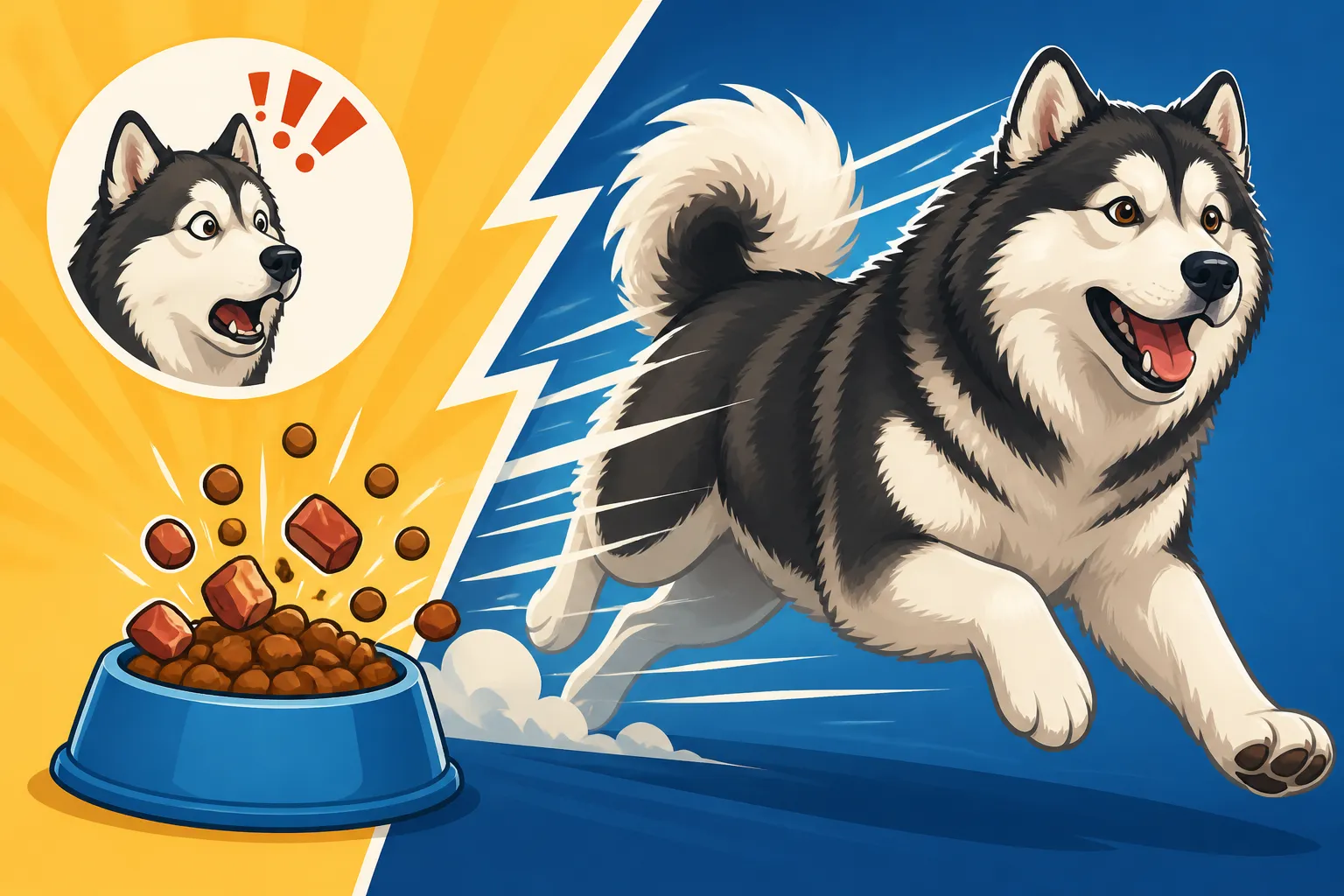
It's a common scene in Malamute households: you put down the food bowl, and before you can even turn around, it's empty, and your majestic Malamute is looking at you like they haven't eaten in weeks. This phenomenon, often called "bolting food," isn't just a quirky habit; it can pose significant health risks for our beloved companions. This guide will delve into why Alaskan Malamutes often eat with such gusto and, more importantly, what practical steps you can take to help them slow down and eat more safely.
Understanding the Malamute's Relationship with Food
When you see your Malamute inhaling their dinner, it's easy to wonder if they're perpetually starving or if you're not feeding them enough. The truth is, their eating habits are deeply rooted in their history and biology, and understanding this can help you approach the problem with more empathy and effective solutions.
The Instinctive Eater
Alaskan Malamutes descend from a lineage of working dogs bred by the Mahlemut people of the Arctic. These dogs were essential for survival, pulling heavy sleds, aiding in hunts, and enduring harsh, unforgiving environments. In such conditions, food was a precious and often scarce resource. A Malamute's ancestors didn't have the luxury of knowing when their next meal would arrive, so when food was available, the instinct was to consume it quickly and efficiently to store energy. This "feast or famine" mentality is hardwired into their DNA. Even though your Malamute lives a comfortable life with regular meals, that primal urge to gobble up food before it disappears can still drive their eating behavior. It's not about being ungrateful; it's about ancient survival instincts kicking in. You might even notice that despite their size, Malamutes often eat less than you'd expect for a dog of their stature, thanks to The Efficient Metabolism That Surprises Every New Malamute Owner. This efficiency, combined with the historical scarcity, further solidifies the drive to eat quickly when sustenance is present. Sometimes, owners wonder Why an Alaskan Malamute Eats Less Than Expected but still gulps it down. The reason lies in this ancestral programming.
Competition and Resource Guarding
Beyond the instinct of scarcity, the drive to eat quickly can also stem from a subtle, inherent sense of competition. Even if your Malamute is the only dog in the house, they are still tapping into a deep-seated behavioral pattern from their pack-dwelling ancestors. In a pack, the fastest eaters often secured more of the available food, ensuring their survival. While your Malamute might adore their canine housemate or even the family cat, the presence of another animal, or even just the potential for competition, can trigger this speedy consumption. They may perceive their meal as a highly valuable resource that needs to be secured rapidly. For Malamutes coming from a rescue background, especially if they had to compete for food or experienced periods of food insecurity, this tendency can be even more pronounced. Settling a Rehomed Adult Alaskan Malamute often involves addressing these kinds of ingrained behaviors. This isn't necessarily aggressive resource guarding in the overt sense of growling or snapping, but rather a more subtle, internal pressure to finish their meal before anyone else (real or imagined) gets a chance.
The Very Real Dangers of Rapid Eating
While a speedy eater might seem harmless, especially if they aren't choking, for large, deep-chested breeds like the Alaskan Malamute, bolting food carries significant and potentially life-threatening risks. These aren't just minor inconveniences; they are serious health concerns that every Malamute owner needs to be aware of and actively work to prevent.
The Shadow of Bloat (GDV)
One of the most terrifying and immediate dangers associated with rapid eating in Malamutes is Gastric Dilatation-Volvulus, commonly known as bloat. This isn't just an upset stomach; it's a critical medical emergency where the stomach first fills with gas and then twists on itself. When the stomach twists, it traps the gas, food, and fluids, cutting off blood supply and quickly leading to shock and death if not treated immediately. Sadly, a major contributing factor to bloat is the rapid ingestion of food, which often leads to the dog gulping down excessive amounts of air. This trapped air initiates the bloating process. Large, deep-chested breeds like Malamutes are genetically predisposed to this condition, making it even more crucial to mitigate any risk factors. If you've ever worried about Bloat in an Alaskan Malamute, then addressing rapid eating is one of the most proactive steps you can take. Recognizing Signs a Malamute Is Bloating can be life-saving, and knowing that every minute counts means you need to get to an emergency vet right away. The terrifying reality is that How Long a Bloating Malamute Has Before Surgery is often measured in just a few short hours.
Choking, Indigestion, and Vomiting
Beyond the extreme danger of bloat, bolting food can lead to a host of other unpleasant and unhealthy consequences. When a Malamute eats too fast, they tend to swallow large, unchewed pieces of kibble. This creates a significant choking hazard, as these large chunks can easily become lodged in their throat. It's a frightening experience for both dog and owner, and can quickly become an emergency.
Even if choking doesn't occur, the rapid intake of unchewed food puts immense strain on their digestive system. Their stomach isn't designed to process large, intact pieces of food quickly, and the gulping of air further exacerbates the problem. This often leads to indigestion, discomfort, and frequent bouts of vomiting shortly after eating. While seemingly less severe than bloat, chronic vomiting means your Malamute isn't properly absorbing the vital nutrients from their food, potentially leading to deficiencies or a less-than-optimal overall health. It also means you're constantly cleaning up messes, which is certainly not ideal for anyone involved!
Practical Strategies to Slow Down Your Malamute's Mealtime
Thankfully, as Malamute owners, we have a variety of tools and techniques at our disposal to help our fast eaters slow down. It's not about punishing their natural instincts but redirecting them into safer, healthier habits. The goal is to make mealtime a more deliberate and less frantic experience.
Enter the Slow Feeder Bowl
One of the most effective and widely adopted solutions is the slow feeder bowl. These aren't just regular bowls; they are ingeniously designed with various obstacles that physically prevent your Malamute from taking huge mouthfuls of food. You'll find a wide array of designs, from bowls with intricate mazes and labyrinths to those with raised ridges, pillars, or even a central "island." The concept is simple: your Malamute has to work around these obstacles, pushing and nudging the food to get to it, which naturally slows down their pace.
Think about it: instead of a clear path to a mound of kibble, they have to use their tongue and nose to navigate a winding path, picking up a few pieces at a time. This significantly extends mealtime, reducing the amount of air they gulp and allowing their digestive system to prepare more adequately. You can find excellent options for slow feeder bowls from retailers like Chewy and Amazon, with different sizes and designs to suit your Malamute's particular "bolting style." Many owners wonder Whether a Slow Feeder Suits an Alaskan Malamute, and for most, the answer is a resounding yes, making a noticeable difference almost immediately.
Beyond the Bowl: Creative Feeding Solutions
While slow feeder bowls are fantastic, you don't have to limit your imagination to just one type of bowl. There are many creative ways to make mealtime a more engaging and slower process, often with the added benefit of mental enrichment.
Consider puzzle toys or food-dispensing toys. These are designed to be interactive, requiring your Malamute to roll, push, or manipulate them to release kibble gradually. A classic Kong toy, stuffed with some of their regular kibble (perhaps mixed with a little water or a safe dog-friendly spread), can provide a good 15-30 minutes of focused eating. Snuffle mats are another brilliant option; these fabric mats have numerous fleece strips where you can hide kibble, forcing your Malamute to sniff and forage for each piece. This activates their natural scent-tracking abilities and turns eating into a fun game.
Scatter feeding is another incredibly simple yet effective method. Instead of putting all their food in one bowl, spread their meal across a clean, hard floor, a designated mat, or even outside on the grass (weather permitting and if the area is clean and safe). This forces them to walk around and pick up individual pieces, dramatically slowing down their eating pace. Not only does this prevent bolting, but it also provides a wonderful outlet for their natural foraging instincts, turning a quick meal into a more enriching experience. You can find a vast selection of these types of enrichment toys on platforms like Amazon, offering a variety of challenges for your clever Malamute.
Managing the Environment and Meal Schedule
Sometimes, the solution isn't just what they eat from, but when and where they eat. Creating the right environment can be just as crucial in curbing fast eating habits.
If you have multiple pets, even if they aren't Malamutes, the mere presence of another animal can trigger that competitive instinct. Try feeding your Malamute in a separate, quiet room where they won't feel pressured or rushed. This reduces perceived competition and allows them to relax into their meal. If space is an issue, feeding them in their crate or behind a baby gate can provide a sense of security and solitude.
Consider adjusting their meal schedule. Instead of one or two large meals a day, try splitting their daily ration into three or four smaller meals. This reduces the intensity of their hunger at any one time, making them less likely to feel the urge to "inhale" their food. Consistency is key here; establishing a regular feeding routine helps your Malamute understand that food will always be available at predictable times, which can alleviate anxiety that contributes to fast eating. How Many Meals a Day an Alaskan Malamute Needs might vary, but for fast eaters, more frequent, smaller portions are often beneficial. Also, allowing a Malamute to settle down and relax after eating, rather than immediately engaging in strenuous activity, can help prevent digestive upset. Some owners even advocate for a quiet rest period after meals, asking Whether a Malamute Should Rest After Eating to minimize bloat risk.
Dietary Considerations and Professional Guidance
While feeding tools and environmental adjustments are crucial, what you put into the bowl can also play a role in how quickly your Malamute consumes it. Moreover, sometimes bolting food can signal a deeper issue that warrants professional attention.
Food Type and Hydration
The type of food you offer can subtly influence eating speed. Dry kibble, especially small, uniform pieces, can be particularly easy for a Malamute to gulp down without much chewing. Consider exploring options that have a different texture or require more deliberate eating.
For example, mixing some water or dog-safe broth into your Malamute's kibble can make it stick together more, forcing them to take smaller, more deliberate mouthfuls. It also adds beneficial hydration. Wet food or canned food, by its very nature, is often harder to bolt down quickly than dry kibble. If you're open to exploring fresh food options, services like Ollie provide meals with varying textures that might encourage slower eating. These meals are often less uniform and can require more chewing, naturally extending mealtime. However, before making any significant changes to your Malamute's diet, it's always wise to consult with your veterinarian to ensure it meets all their nutritional needs, especially if you're concerned about Whether Fresh Food Delivers a Malamute Enough Zinc or Whether Raw Feeding Suits an Alaskan Malamute. They can advise on the best approach for your individual dog's health and any specific dietary requirements they might have.
When to Consult Your Veterinarian or a Behaviorist
While many cases of fast eating can be managed with the strategies mentioned above, there are times when professional intervention is necessary. It's crucial to know when to seek help for your Malamute's well-being.
If your Malamute consistently chokes, gags, or vomits after eating, even after you've implemented slow-feeding measures, it's time for a vet visit. These symptoms could indicate an underlying medical condition that needs to be addressed. Your veterinarian can perform a thorough examination to rule out any physical obstructions, esophageal issues, or other gastrointestinal problems. They might also advise on specific dietary adjustments or medications if a medical cause is found. Remember, What an Emergency Vet Visit Costs for a Malamute can be substantial, so proactive veterinary care for persistent issues is always recommended.
Furthermore, if the fast eating is accompanied by severe resource guarding (growling, snapping, or aggressively protecting their food) or signs of extreme anxiety around meal times, a certified professional dog trainer or a veterinary behaviorist can provide invaluable guidance. These experts can help you understand the root cause of the behavior and develop a tailored training plan to address it safely and effectively. They can teach you techniques to build your Malamute's confidence around food and reduce their anxiety. Addressing the behavioral component is often key to long-term success, and a behaviorist can create a positive and safe environment for both you and your Malamute. Don't underestimate the expertise a professional can bring; What a Behaviorist Costs a Malamute Owner is an investment in a calmer, healthier dog.
Slow Feeding Methods Comparison
To help you decide which method might work best for your Malamute, here’s a quick comparison of popular slow-feeding strategies:
| Method | Description | Pros | Cons | Best For |
|---|---|---|---|---|
| Slow Feeder Bowl | Bowls with ridges, mazes, or obstacles | Easy to use, readily available, clear reduction in speed | Can be messy, some designs are hard to clean | Most Malamutes, especially those new to slow feeding |
| Puzzle Toys/Dispensers | Toys that release food as the dog manipulates them | Mental enrichment, turns mealtime into a game | Can be expensive, some dogs might get frustrated, not for all meals | Malamutes who need mental stimulation, or as supplemental slow-feeders |
| Snuffle Mat | Fabric mat with hiding spots for kibble | Engages foraging instincts, soft on gums | Requires cleaning, can be chewed if left unsupervised | Any Malamute, great for mental engagement |
| Scatter Feeding | Spreading kibble across a clean surface | Very inexpensive, natural foraging, highly effective | Requires clean feeding area, not suitable for all environments | Malamutes with strong foraging drives, or in multi-dog households |
| Multiple Small Meals | Dividing daily food into 3-4 smaller portions | Reduces intense hunger, less gulping of air | Requires more owner involvement, stricter schedule | Malamutes with high anxiety around food or very strong bolting habits |
| Moistened Kibble | Adding water or broth to dry kibble | Simple, aids hydration, can reduce gulping | Can make kibble less appealing, needs to be eaten quickly | Malamutes who are resistant to new bowls, or as an added step |
Disclaimer
This article is for general informational purposes only and does not constitute professional advice. Laws, prices and regulations vary by location and change over time. Consult a qualified professional for guidance on your specific situation.