Whether a Malamute’s Elbows Go Bald
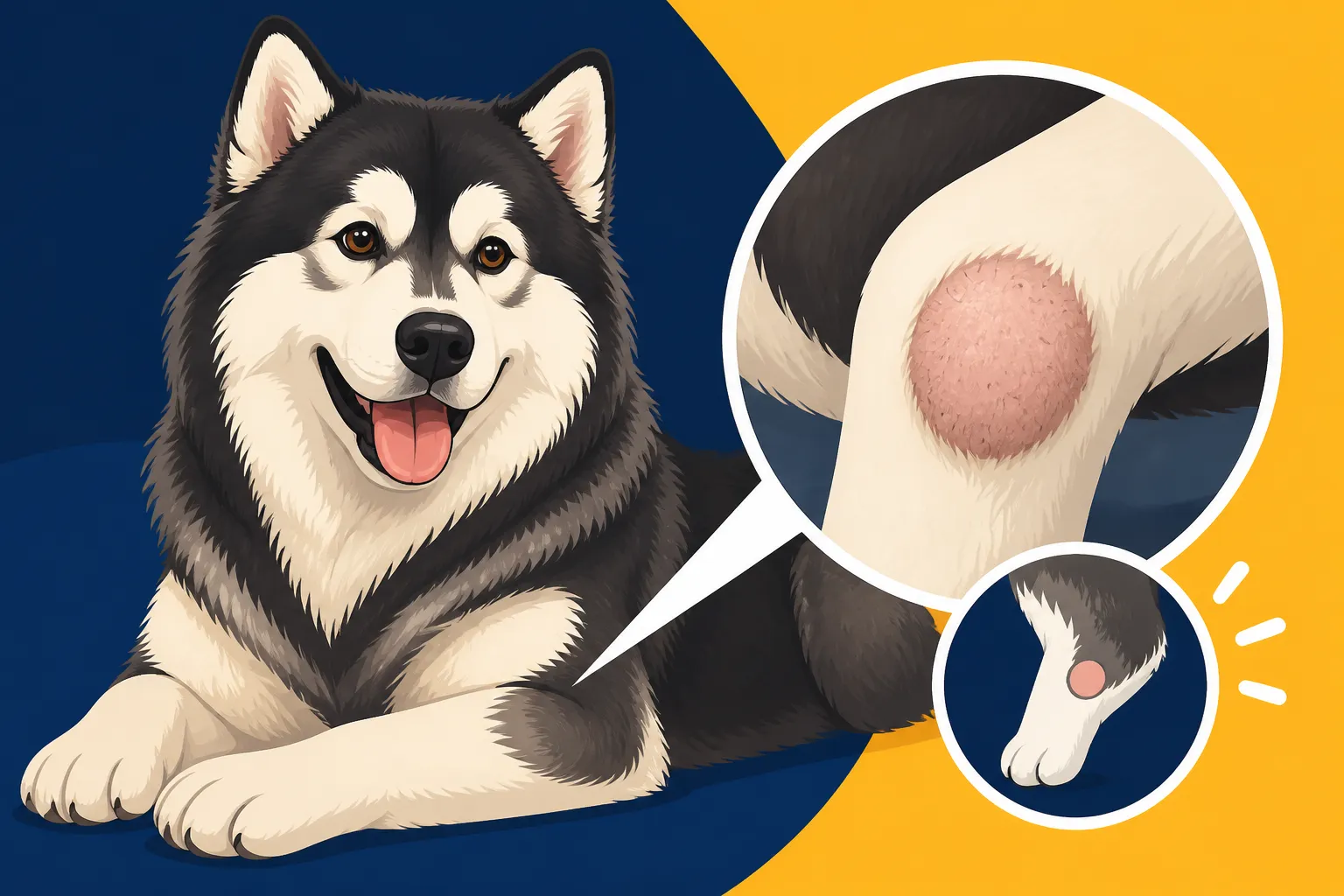
It can be incredibly disheartening to notice your majestic Alaskan Malamute, a picture of strength and endurance, starting to lose hair on their elbows. You might stare at those thinning patches, wondering if it's normal wear and tear, a sign of aging, or something more serious lurking beneath their thick, luxurious coat. Rest assured, you're not alone in this concern, and this guide will walk you through the common reasons why a Malamute's elbows go bald, what you might be able to do about it, and when it’s time to consult your veterinarian.
Understanding Why Elbows Go Bald: The Mechanics of Pressure and Friction
When you see bald spots on your Malamute's elbows, the first thought might be something terrible, but often, it's a very common issue rooted in the simple mechanics of how large dogs interact with their environment. Malamutes, with their substantial size and love for sprawling out, put a lot of pressure on these joints.
The Formation of Calluses and Pressure Sores
Think about it: your Malamute spends a significant amount of time lying down, whether it’s snoozing on the cool kitchen tiles, guarding the doorway from a comfortable spot on the hardwood, or simply relaxing in their favorite sunbeam. Every time they settle down, their body weight, particularly on those prominent elbow joints, presses against the hard surface. This constant pressure and friction lead to the skin thickening and hardening as a protective mechanism, forming what we call calluses. These calluses are essentially nature's way of cushioning the bone against repeated trauma.
Over time, this thickened skin can actually become devoid of hair follicles or the follicles simply stop producing hair, resulting in those bald patches you observe. In many cases, this is purely cosmetic and not indicative of pain or serious illness. However, if the pressure continues to be excessive, or if the surface they're lying on is particularly unforgiving, these calluses can become raw, cracked, or even ulcerated, leading to painful pressure sores. A pressure sore is a more serious condition where the skin breaks down, creating an open wound that is ripe for infection. It’s crucial to distinguish between a harmless callus and a painful sore. Gently feel the area; if it's just tough skin, it's probably a callus. If it's warm, tender, swollen, or broken, it might be a sore requiring immediate attention.
The Role of Surfaces and Bedding
The type of surfaces your Malamute habitually rests on plays a huge role in the development and severity of bald elbows. Concrete, hardwood, tile, and even thin carpets offer very little cushioning, maximizing the impact and friction on those joints. Imagine yourself sleeping on a bare floor every night – you'd likely develop some tender spots too! This is especially true for our heavily coated friends like Malamutes, whose natural insulation might make them seek out cool, hard surfaces during warmer months.
This is where proper bedding comes into play. Providing a thick, supportive, and comfortable bed can make a world of difference. Not just any bed, mind you, but one that genuinely cushions their joints and encourages them to use it. Many Malamutes love to lie on the floor despite having a fancy bed, so finding the right balance of comfort and coolness for them is key. Memory foam orthopedic beds are a fantastic option because they conform to the dog's body, distributing weight evenly and reducing pressure points. Look for options on sites like Chewy or Amazon that are designed for large breeds and offer robust support. Even a thick, plush mat or an old duvet can provide more relief than a bare floor. The goal is to make their preferred resting spots as comfortable and joint-friendly as possible, minimizing the need for the skin to harden in self-defense.
Beyond Simple Calluses: When Bald Elbows Signal More Serious Issues
While calluses are common, bald elbows can sometimes be a symptom of an underlying health problem. It's important not to dismiss these patches, especially if they appear suddenly, spread rapidly, or are accompanied by other symptoms.
Zinc Responsive Dermatosis
Alaskan Malamutes are one of those breeds uniquely predisposed to certain genetic conditions, and zinc responsive dermatosis is a classic example. This isn't just about not getting enough zinc in their diet; it's often about their body's inability to absorb the zinc they do consume, even if they're eating a high-quality kibble. When a Malamute can't properly utilize zinc, it can manifest in a variety of skin issues, and hair loss, particularly around pressure points like the elbows, is a tell-tale sign.
This condition is often characterized by crusty, flaky, and sometimes itchy skin, especially around the eyes, muzzle, and ears, but it absolutely can affect the elbows too. The hair loss might not just be bald patches but also thinning hair with a dull, dry appearance. If you're seeing these crusts or changes in other areas of their face, it's a strong indicator that zinc deficiency might be at play. Early diagnosis and supplementation are vital. Your vet might recommend a specific form of zinc supplement. You can often find a range of options on platforms like Chewy, but always consult your vet for the correct dosage and type. For more information on this specific concern, you might find Zinc Responsive Dermatosis in an Alaskan Malamute or How a Malamute's Zinc Deficiency Is Treated helpful resources.
Hypothyroidism and Other Hormonal Imbalances
Another common culprit for widespread hair loss, including on the elbows, can be hypothyroidism. This is a condition where the thyroid gland doesn't produce enough thyroid hormones, which are essential for regulating metabolism and, yes, healthy skin and coat growth. While calluses are typically localized to the elbows, hormonal imbalances like hypothyroidism can lead to more generalized hair loss, often symmetrical, across the body.
Beyond hair loss, you might notice other symptoms if your Malamute has an underactive thyroid. These can include weight gain despite no change in diet, lethargy, intolerance to cold, a dull or dry coat, and sometimes even behavioral changes. The skin itself might become thickened, darkened, or flaky. If you suspect hypothyroidism, a visit to the vet is necessary for a blood test to check thyroid levels. Treatment usually involves daily medication, which can often resolve the hair loss and other symptoms, bringing your Malamute back to their energetic self. You can learn more about related symptoms by reading Signs a Malamute's Thyroid Has Failed.
Allergies, Parasites, and Infections
Sometimes, what looks like simple hair loss can be exacerbated or caused by skin allergies, external parasites, or secondary bacterial or yeast infections.
- Allergies: Environmental allergies (like pollen or dust mites) or food allergies can cause intense itching, leading your Malamute to chew, lick, or rub their elbows excessively. This constant self-trauma can break the hair shafts and prevent new growth, resulting in bald spots. If you notice your Malamute constantly bothering their elbows, or if the skin is red and irritated, allergies could be a factor. Managing allergies often involves identifying and avoiding triggers, dietary changes (companies like Ollie offer fresh food options that might help with food sensitivities), and sometimes medication.
- Parasites: Fleas, mites (like demodex or sarcoptes), and even lice can cause severe itching and irritation, leading to hair loss. While you might not see the tiny culprits, the signs of their presence can be obvious. Regular flea and tick prevention is crucial, but if the issue persists, your vet can do skin scrapings to look for mites.
- Infections: Once the skin is compromised, whether by pressure, allergies, or parasites, it becomes vulnerable to secondary bacterial or yeast infections. These infections can cause further inflammation, redness, discharge, and often an unpleasant odor. If you notice a distinct smell coming from the bald patches, or if they look crusty, oozy, or inflamed, it's highly likely an infection has taken hold. A vet visit is essential to get the correct diagnosis and treatment, which might involve antibiotics, antifungals, or medicated shampoos. You might find Whether a Malamute's Skin Smells When Infected a helpful read if you suspect an infection.
| Cause of Bald Elbows | Key Characteristics | Common Accompanying Symptoms | When to Seek Vet Care |
|---|---|---|---|
| Calluses/Pressure Sores | Thickened, hardened skin; localized hair loss | Can become raw, cracked, or painful if severe | If skin breaks, becomes infected, or causes pain |
| Zinc Responsive Dermatosis | Symmetrical hair loss; crusts, scales, redness | Crusting around eyes/muzzle, lethargy, dull coat | Immediately, for diagnosis and supplementation |
| Hypothyroidism | Symmetrical hair loss; dry, brittle coat | Weight gain, lethargy, cold intolerance, dullness | If multiple symptoms of hormonal imbalance appear |
| Allergies | Red, inflamed skin; intense itching/licking | Excessive scratching, chewing, recurring infections | If itching is severe, persistent, or causes skin damage |
| Parasites | Itching, redness, visible parasites (sometimes) | Scratching, skin irritation, small bumps | If persistent itching/hair loss despite preventative care |
| Infections | Redness, swelling, discharge, unpleasant odor, crusting | Pain, tenderness, fever (in severe cases) | Immediately, for proper diagnosis and antibiotics/antifungals |
Practical Steps to Prevent and Manage Malamute Elbow Hair Loss
Taking proactive steps is crucial for keeping your Malamute's elbows healthy, especially if they are already showing signs of hair loss or callus formation. A multi-pronged approach usually works best.
Providing Ample, Supportive Bedding
This is perhaps the most straightforward and impactful step you can take. Your Malamute needs comfortable places to rest that properly cushion their joints. Investing in high-quality orthopedic dog beds is paramount. Look for beds with dense memory foam that won't flatten out quickly under their weight. Place these beds in their favorite lounging spots, even if that means having multiple beds around the house. Some Malamutes are notorious for preferring cool, hard floors, especially in warmer climates. If your dog consistently ignores plush bedding for tiles, consider cooling mats or elevated beds (often found on Amazon) that offer comfort while still allowing airflow.
Don't just buy a bed and expect miracles; encourage your Malamute to use it. Make it appealing with their favorite blanket or toy. If they still prefer the cold floor, ensure the floor is clean and free of abrasive debris. For outdoor runs or kennels, provide a thick mat or a raised bed to prevent contact with concrete or hard ground. Remember, consistent pressure is the enemy here, so interrupt those long stretches on hard surfaces whenever possible. Even a quick game or a potty break can help redistribute pressure.
Dietary Considerations and Supplementation
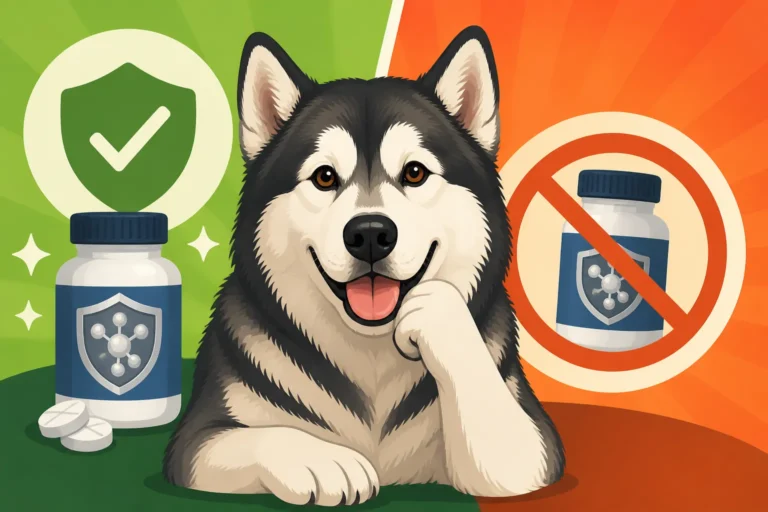
While diet isn't always the primary cause of bald elbows, it certainly plays a role in overall skin and coat health. Ensuring your Malamute receives a balanced, high-quality diet is fundamental. Some commercial dog foods might not contain sufficient levels of easily absorbed zinc, especially for breeds prone to deficiency. If your vet suspects a zinc deficiency, they may recommend a specific zinc supplement. Be cautious about self-supplementing, as too much zinc can be toxic, and it can also interfere with the absorption of other essential minerals. Always follow your veterinarian's guidance.
Beyond zinc, other dietary components contribute to skin health. Omega-3 fatty acids, found in fish oil, are fantastic for reducing inflammation and promoting a healthy skin barrier. Many owners add fish oil supplements to their Malamute's diet, which can be easily purchased from pet supply retailers like Chewy. A well-balanced diet helps maintain skin elasticity and resilience, making it less prone to breakdown. Some fresh food diets, like those offered by Ollie, also emphasize high-quality, easily digestible ingredients that can support skin health. You can explore Whether an Alaskan Malamute Needs Fish Oil for more insights.
Regular Skin Checks and Grooming
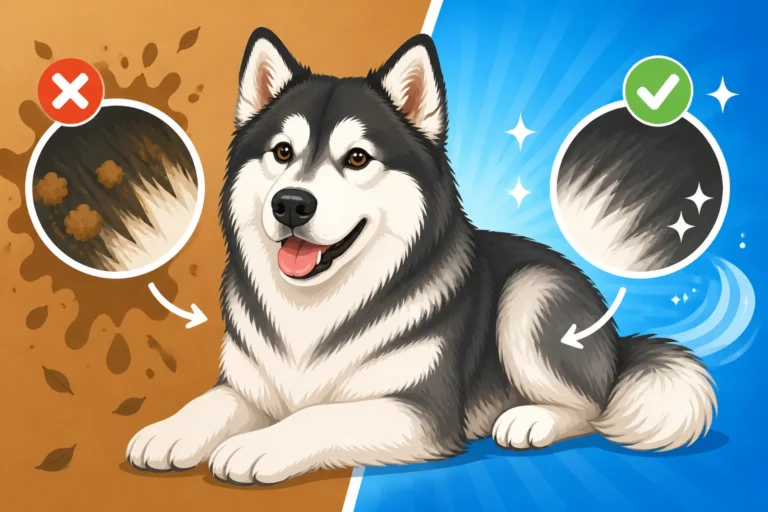
Given the thick coat of an Alaskan Malamute, it's easy for skin issues to go unnoticed until they're advanced. Make it a routine to regularly check your Malamute's elbows (and other pressure points like hocks and hips) as part of your grooming regimen. Gently part their fur to inspect the skin underneath. Look for any signs of redness, inflammation, flaking, crusting, open sores, or changes in skin texture. Reading a Malamute's Skin Before the Crusts Appear offers great advice on early detection.
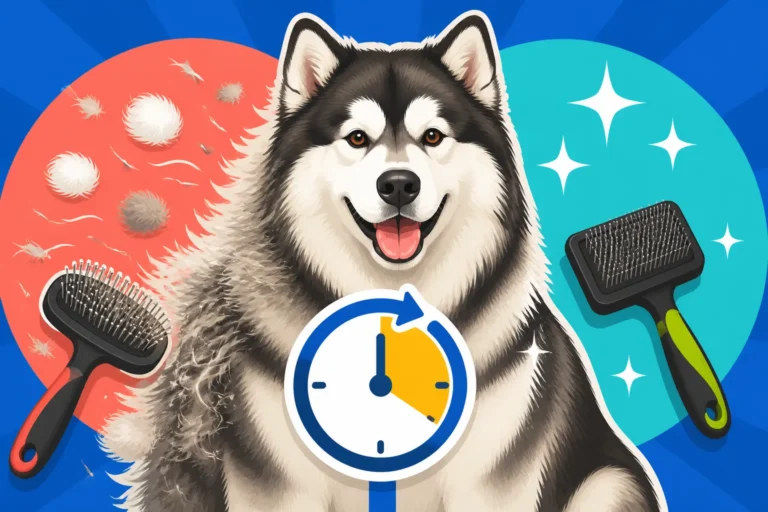
Regular brushing, while primarily for managing their impressive shedding, also helps stimulate blood flow to the skin and distributes natural oils, which can keep the skin healthier. During coat blows, which are truly epic for a Malamute, dead undercoat can trap moisture and debris against the skin, potentially leading to irritation or infection. Ensuring their coat is clean and free of mats, especially around the joints, is important. If you notice any developing sores, keep them clean and consult your vet for appropriate treatment. For daily care, you can refer to What an Alaskan Malamute Needs Every Day.
Living with a Malamute Prone to Elbow Issues: Long-Term Care and Vigilance
Once you've addressed the immediate cause of your Malamute's bald elbows, the journey often shifts to ongoing management and prevention. These magnificent dogs are prone to a few specific challenges, and vigilance is key.
When to Seek Veterinary Consultation
While minor calluses are often a cosmetic concern, there are clear signs that warrant a trip to the vet:
- Sudden onset or rapid worsening: If bald patches appear quickly or seem to be spreading, it's time for professional advice.
- Signs of pain or discomfort: Your Malamute might be limping, licking, chewing, or guarding their elbows. Any indication of pain means something more than a cosmetic callus is happening.
- Skin changes: Redness, swelling, warmth, discharge, bleeding, scabs, or an unusual odor from the bald areas are all red flags. These suggest infection or a more serious skin condition.
- Generalized symptoms: If the elbow hair loss is accompanied by other signs like lethargy, weight changes, increased thirst, or changes in appetite, it points to a systemic issue like a hormonal imbalance or zinc deficiency.
- Non-responsiveness to home care: If you've tried improving bedding and diet, but the problem persists or worsens, your vet can delve deeper.
Your vet will likely perform a thorough physical exam, and may recommend diagnostic tests such as skin scrapings, blood work (to check for thyroid issues or zinc levels), or even a biopsy of the affected skin. Don't hesitate to advocate for your dog and seek answers when you're concerned.
Long-Term Management Strategies
For Malamutes prone to elbow calluses or other recurring skin issues, long-term strategies are crucial. This often involves a consistent routine of prevention and maintenance.
- Orthopedic Bedding Consistency: Keep those comfy, supportive beds in all key resting areas. Consider a rotation of beds if they get worn down. Regularly wash the covers to keep them clean and allergen-free.
- Environmental Management: If your Malamute insists on lying on hard surfaces, try to make those surfaces less appealing or offer alternative cool options. For example, a large cooling mat from Amazon can be placed on a tiled floor to provide comfort without sacrificing coolness.
- Nutritional Support: Continue with any vet-recommended supplements, such as zinc for Zinc Is the Thread Running Through Three Malamute Diseases or omega-3 fatty acids. Discuss your Malamute's diet with your vet, especially if you're considering a change, to ensure it meets their specific needs.
- Topical Care: For toughened calluses, your vet might recommend emollients or creams to keep the skin supple and prevent cracking. Never use human lotions without consulting your vet, as many contain ingredients toxic to dogs.
- Weight Management: Keeping your Malamute at a healthy weight reduces the overall pressure on their joints, including the elbows. An Efficient Metabolism That Surprises Every New Malamute Owner can make weight management a unique challenge, so pay attention to their diet and exercise.
- Regular Veterinary Check-ups: Routine vet visits allow for early detection of recurring issues and adjustments to management plans as your Malamute ages. Caring for an Alaskan Malamute Past Eight becomes particularly important as older dogs may be more susceptible to skin fragility and joint issues.
The Realistic Outlook
It's important to set realistic expectations. For many Malamutes, especially those that love to sprawl on hard floors, some degree of elbow callus and associated hair loss might become a permanent feature. The goal is not always to regrow every single hair, but rather to ensure the skin remains healthy, pain-free, and free from infection. You're aiming for comfort and health, not necessarily a perfectly pristine, fur-covered elbow.
By being proactive, observant, and working closely with your veterinarian, you can effectively manage elbow hair loss and ensure your Alaskan Malamute lives a comfortable, happy, and healthy life, regardless of a few bald spots.
Disclaimer
This article is for general informational purposes only and does not constitute professional advice. Laws, prices and regulations vary by location and change over time. Consult a qualified professional for guidance on your specific situation.