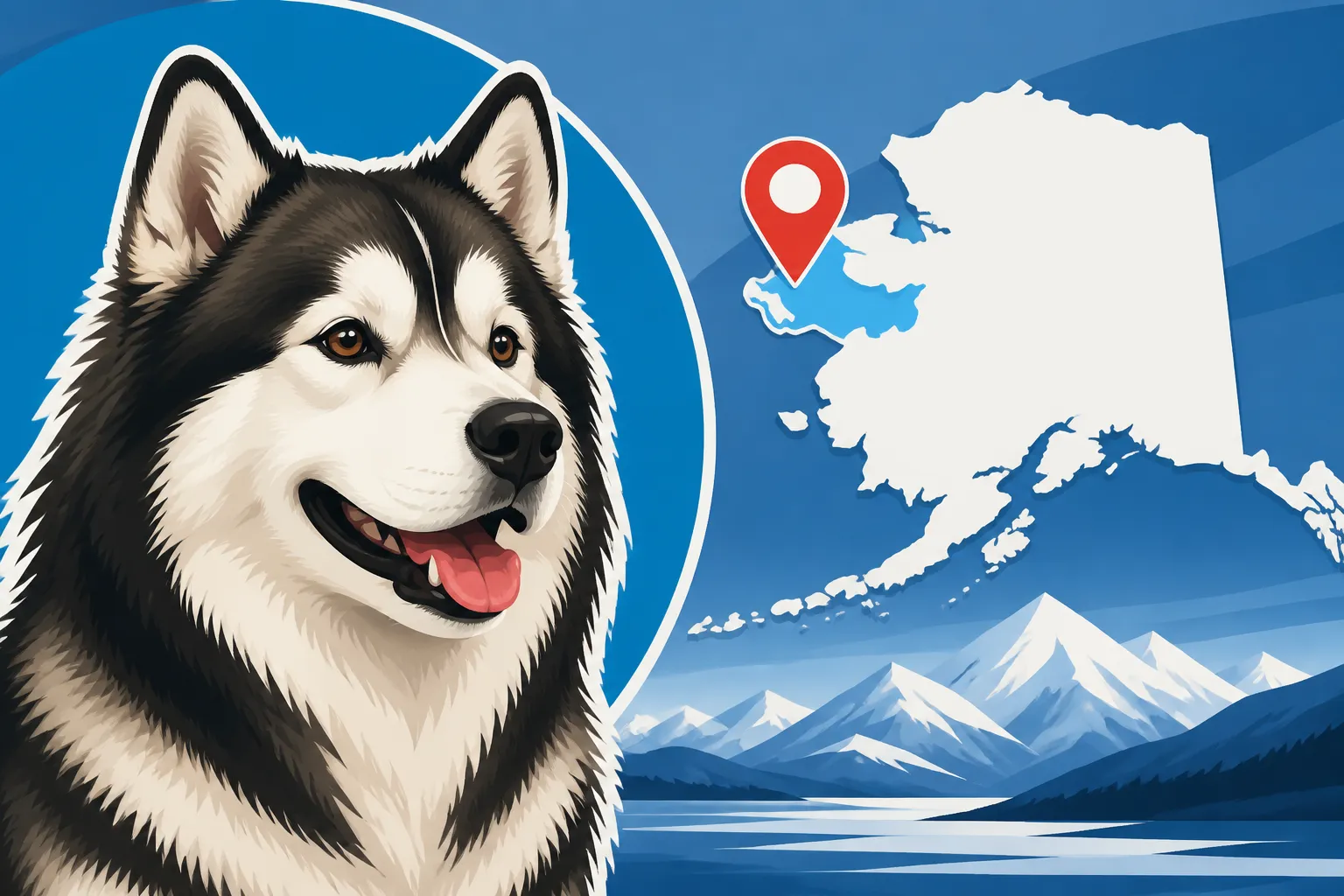
Where the Malamute’s Kotzebue Sound Is
Many Alaskan Malamute owners, and even those just admiring the breed, often hear "Kotzebue Sound" mentioned in hushed tones, almost like a sacred ancestral ground. But what exactly is Kotzebue Sound, and why is this remote Arctic location so profoundly tied to the very essence of our beloved Malamutes? It's more than just a place on a map; it's the crucible where this magnificent breed was forged, a harsh, demanding landscape that sculpted their unique physical and temperamental traits. This guide will take a deep dive into the historical and geographical significance of Kotzebue Sound, unveiling the incredible story of how this region shaped the Alaskan Malamute we know and love today.
The Ancient Landscape: Unveiling Kotzebue Sound
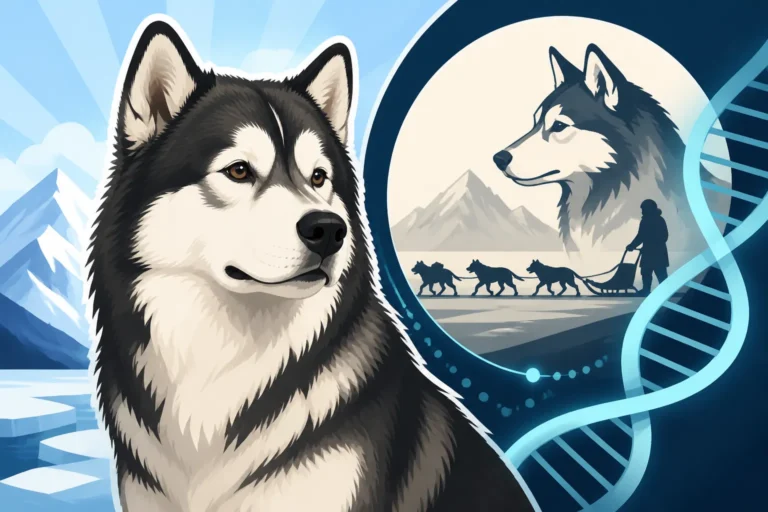
To truly understand the Alaskan Malamute, you first have to understand the land from which it sprang. Kotzebue Sound isn't just a picturesque name; it's a very real, very formidable arm of the Chukchi Sea, located in the remote northwestern part of Alaska. Imagine a vast expanse of water, often choked with ice, bordered by tundra, mountains, and a coastline battered by Arctic winds. This was, and largely still is, the stage upon which the Malamute's ancestors lived and worked.
Geographic Wonders and Harsh Realities
Kotzebue Sound is characterized by its dramatic seasonal changes. During the brief Arctic summer, the sun shines almost constantly, melting some of the ice and revealing a landscape dotted with wildflowers, teeming with migrating birds, and crisscrossed by rivers. This is a time of relative abundance, when game is more accessible. However, this fleeting warmth quickly gives way to the long, dark, and brutally cold Arctic winter. Temperatures plummet far below freezing, often reaching -40 degrees Fahrenheit or colder, accompanied by fierce winds that cut to the bone. The sound itself freezes over, becoming a highway of ice.
The terrain around Kotzebue Sound is a mix of flat coastal plains, rolling tundra, and the imposing Brooks Range mountains further inland. This diverse landscape presented both opportunities and immense challenges for survival. The coastline and sea ice provided access to marine mammals like seals and whales, while the tundra supported caribou herds. However, navigating this environment, especially in winter, required incredible resilience, strength, and a keen sense of direction. Without the right tools, and indeed, the right canine partners, survival would have been impossible for humans. This unforgiving environment wasn't just a backdrop; it was an active participant in the evolutionary process that refined the Malamute.
A Lifeline to the Arctic: Its Historical Significance for Indigenous Peoples
For thousands of years, long before European explorers charted these waters, Kotzebue Sound was a vital home and hunting ground for indigenous peoples. It served as a critical nexus for trade, hunting, and cultural exchange. The natural resources, though demanding to acquire, were plentiful enough to sustain communities that had developed sophisticated knowledge and technologies for Arctic survival. The ability to travel across vast, frozen distances, to hunt large game, and to haul heavy loads back to camp was paramount.
The people who lived in this region, known as the Iñupiat, developed a profound connection with their environment and the animals within it. Their very existence depended on a deep understanding of the land, the weather, and the behavior of wildlife. This intricate relationship extended to their dogs, which were not merely pets, but indispensable partners in every aspect of life. Kotzebue Sound represented not just a geographic location, but a cultural heartland where human ingenuity and canine capability converged to conquer one of the planet's most extreme environments.
The Mahlemut People: Guardians of a Northern Legacy
Within the broader Iñupiat culture, a specific subgroup, the Mahlemut (or Malimiut), lived and thrived along the shores of Kotzebue Sound and the surrounding rivers, particularly the Kobuk River. It is from these remarkable people that the Alaskan Malamute takes its name, a direct homage to their profound connection with this magnificent canine.
Who Were the Mahlemut?
The Mahlemut were a nomadic, semi-nomadic, or village-dwelling Iñupiat group renowned for their skill in hunting large game and their incredible prowess in freighting. Unlike some coastal groups who focused almost exclusively on marine mammals, the Mahlemut were expert hunters of caribou, moose, and even bears further inland, as well as seals and whales from the sea. Their survival depended on their ability to move their camps and possessions with the seasons, following game migrations and accessing different resources. This often meant traversing vast, snow-covered distances, sometimes pulling all their worldly goods over challenging terrain.
Their culture was deeply intertwined with their environment, fostering a resilient, resourceful, and communal spirit. Cooperation was key, both among themselves and with their animal companions. The Mahlemut understood that individual survival often depended on the collective strength and specialized skills of the entire group, including their dogs. This collaborative spirit, born of necessity, is subtly reflected in the Malamute's own pack-oriented nature and its historical role. You can explore more about Who the Mahlemut Who Bred the Malamute Were to grasp the full extent of their cultural significance.
The Dog: An Indispensable Partner
For the Mahlemut, dogs were not just companions; they were the engine of their survival. Imagine trying to live in the Arctic without reliable transportation or the ability to bring back a successful hunt. These dogs provided exactly that, making life in such an unforgiving climate not just possible, but sustainable. The Mahlemut dogs were selectively bred for specific traits that were absolutely crucial for their demanding work. They needed immense strength to pull heavy sleds laden with food, supplies, and even people across frozen landscapes. They required incredible endurance to cover long distances day after day, often on minimal rations.
Beyond physical capabilities, the Mahlemut dogs possessed intelligence and a keen sense of their surroundings. They had to be able to navigate treacherous ice, dense snow, and shifting tundra. Their ability to work as a cohesive team, responsive to their handler's commands and able to make independent decisions when necessary, was vital. These dogs assisted in hunting, locating game, and holding animals at bay. Without these canine partners, the Mahlemut way of life, with its emphasis on freighting and large game hunting, simply could not have existed. Their relationship was a testament to mutual reliance and deep respect. You can read more about What the Mahlemut Used Their Malamutes For to understand the breadth of their partnership.
Crafting the Malamute: A Symphony of Purpose and Place
The Alaskan Malamute, as a distinct breed, didn't just appear fully formed. It was meticulously shaped over centuries by the Mahlemut people through a combination of intentional breeding and the relentless pressures of the Arctic environment. Every characteristic, from their thick coat to their powerful build, served a specific, vital purpose in ensuring survival.
Survival of the Fittest: Natural Selection and Intentional Breeding for Specific Traits
The Arctic environment around Kotzebue Sound was the ultimate proving ground. Only the strongest, most resilient, and most intelligent dogs could survive and reproduce. This natural selection favored certain traits: dense, double coats for insulation; broad, powerful chests and strong legs for pulling heavy loads; efficient metabolisms to conserve energy in frigid temperatures; and keen senses to detect subtle changes in weather or the presence of game. The Malamute's physical makeup is a direct reflection of this environment.
But it wasn't just nature at play. The Mahlemut people were astute breeders, observing their dogs closely and deliberately selecting those with the best working qualities. They understood that a dog that could consistently pull heavy loads, maintain its health in harsh conditions, and demonstrate a cooperative temperament was invaluable. Dogs that were too aggressive, lacked endurance, or couldn't work as part of a team were less likely to be bred. This careful, practical selection process led to a population of dogs that were remarkably consistent in type and purpose. This centuries-long "breeding program" by the Mahlemut is a testament to their deep understanding of animal husbandry and their pragmatic approach to survival. This is why The Mahlemut of Kotzebue Sound Bred the Alaskan Malamute is such a fundamental concept.
More Than Just a Sled Dog: Exploring Their Multi-Faceted Roles
While often celebrated as a premier freighting dog, the Malamute's role for the Mahlemut extended far beyond simply pulling a sled. They were true all-purpose working dogs, essential for various aspects of daily life.
Consider their role in hunting: a Malamute's exceptional sense of smell and robust build made them invaluable in tracking and cornering large game. Imagine a team of Mahlemut hunters venturing out for caribou; the dogs would not only help locate the herd but also assist in driving them or holding them at bay long enough for the hunters to make a successful kill. They were also used in hunting marine mammals. For example, Whether Malamutes Found Seal Blowholes is directly related to their historical use in assisting with seal hunting on the vast, frozen expanses of the sea ice. After a successful hunt, the real work began: hauling the heavy carcasses back to camp, often over many miles of difficult terrain.
Furthermore, these dogs provided warmth and companionship in the extreme cold. Living closely with humans, they contributed to the pack's overall survival and well-being. They were guardians of the camp, alerting the community to approaching wildlife or strangers. Their intelligence and adaptability meant they could be trained for a variety of tasks, making them indispensable partners rather than single-purpose animals. This versatility is a hallmark of the breed's origins. For example, How a Malamute Helped Hunt a Bear illustrates just how formidable and courageous these dogs were, tackling some of the Arctic's most dangerous animals alongside their human partners.
Why Kotzebue's Legacy Endures in Today's Malamute
Even in our modern world, far removed from the icy plains of Kotzebue Sound, the legacy of this ancient home is undeniably present in every Alaskan Malamute. The traits painstakingly developed over centuries for survival and work in the Arctic continue to define the breed today.
Instincts Carved by the Arctic: How Their Ancestral Purpose Manifests Today
Those powerful instincts, honed by generations of work in the Sound, haven't vanished. The Malamute's innate desire to pull, for instance, is a direct inheritance from its freighting ancestors. Even a pet Malamute, living a comfortable life, will often exhibit immense satisfaction when pulling a cart, a person on skis, or even just leaning into their harness on a walk. This drive is so fundamental that many owners find their Malamute thrives when given a "job" that involves pulling, even if it's just recreational weight pull or sledding. This connection highlights that Pulling Is the Only Job an Alaskan Malamute Really Wants.
Their strong prey drive, another characteristic frequently mentioned by owners, also stems from their ancestral hunting roles. The ability to chase down and corner game was crucial for the Mahlemut, and this instinct remains strong in modern Malamutes, requiring careful management around smaller animals. Furthermore, their infamous digging habits aren't just a quirky pastime; they are a survival trait from an environment where digging dens provided shelter from blizzards or a cool spot to escape summer heat. Owners often find themselves wrestling with their Malamute's desire to remodel the backyard, a direct link to their Arctic heritage.
The Enduring Traits of a True Northern Dog
The physical attributes of the Alaskan Malamute are also a living testament to Kotzebue Sound. Their dense, coarse outer coat and soft, woolly undercoat, for example, are perfectly designed for extreme cold. This double coat acts as superb insulation, trapping air close to the body, making them incredibly comfortable in frigid temperatures where other breeds would shiver. However, this same coat also makes them vulnerable to overheating in warmer climates, necessitating careful management by owners. Their powerful build, with deep chests and muscular legs, is ideal for enduring strength, not speed. This distinction is crucial and explains why Freight, Not Speed: What Separates a Malamute From a Racing Dog. They were bred for endurance and power, not for the quick bursts of speed seen in lighter sled dogs.
Temperamentally, Malamutes often display an independent yet affectionate nature. They are intelligent and capable of problem-solving (a necessary trait for survival in a challenging environment), but they also have a strong will, which can be perceived as stubbornness. This independence meant they could be trusted to make decisions on the trail when their human partner might be incapacitated or unable to communicate clearly. They are typically social dogs, thriving on interaction with their human "pack," a reflection of the close cohabitation with the Mahlemut people. This combination of physical and temperamental traits makes them unique and highlights why The Alaskan Malamute Is Alaska's State Dog, symbolizing the resilience and spirit of the far north.
| Trait Type | Malamute Trait | Ancestral Purpose from Kotzebue Sound |
|---|---|---|
| Physical | Dense Double Coat | Insulation against extreme Arctic cold (-40°F and below). |
| Powerful, Broad Chest & Muscular Legs | Pulling heavy loads (freighting) over long distances and varied terrain. | |
| Strong Paw Pads | Traction and endurance on ice, snow, and frozen ground. | |
| Efficient Metabolism | Conserving energy and fat reserves in times of scarcity and extreme cold. | |
| Behavioral | Strong Pulling Instinct | Essential for transportation, moving camps, and hauling game. |
| Digging Habits | Creating shelter from blizzards, finding cool spots in summer, hunting burrowing animals. | |
| High Prey Drive | Hunting caribou, seals, and other game for sustenance. | |
| Independent Problem-Solving | Navigating complex terrain, making choices on the trail, aiding hunting. | |
| Pack-Oriented Social Nature | Living and working cooperatively within human and canine communities. | |
| Vocalizations (Woos/Howls) | Communication over distances, less barking to conserve energy/avoid startling prey. |
From Ancient Shores to Modern Homes: Honoring the Heritage
The connection to Kotzebue Sound isn't just a historical curiosity; it's a vital part of understanding and appreciating the Alaskan Malamute in the 21st century. Breeders, enthusiasts, and owners alike continue to reference this ancestral home as the gold standard for the breed's type, temperament, and health.
The Kotzebue Line's Influence
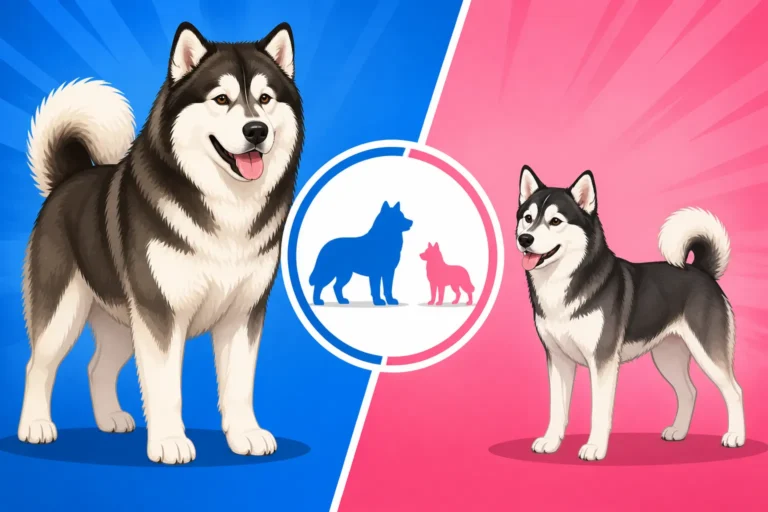
In the early 20th century, as interest in Arctic breeds grew outside of Alaska, efforts were made to standardize and preserve the Alaskan Malamute. Two primary lines emerged in these formative years: the Kotzebue line and the M'Loot line. The Kotzebue line, directly named for the region, traced its ancestry to dogs brought out of the very heart of the Mahlemut territory. These dogs were generally smaller, more compact, and considered by many to be closer to the original Mahlemut type, known for their consistency and stable temperament.
This line's influence is profound, with many modern Malamutes still tracing their pedigrees back to these foundation dogs. While the lines eventually merged to broaden the gene pool and combine desirable traits, the "Kotzebue type" remains an idealized image for many who appreciate the breed's historical roots and function. Understanding What the Kotzebue Malamute Line Is helps owners appreciate the rich tapestry of their dog's lineage. It's not just about ancestry; it's about the preservation of specific characteristics that made these dogs so successful in their original environment. The continued health testing for hereditary conditions like Inherited Polyneuropathy and the Malamute That Stumbles at a Year or Day Blindness and the CNGB3 Test That Nearly Ended It in Malamutes ensures that the breed remains robust, just as its ancestors were, allowing future generations to thrive.
Researching Your Malamute's Roots
For a new Malamute owner, or even a seasoned one, delving into the breed's origins provides invaluable insight into their dog's behavior, needs, and health considerations. Knowing that your dog's ancestors were bred for hauling freight across frozen wastes helps you understand why they might be endlessly enthusiastic about pulling you on a leash, or why they possess such incredible stamina. This knowledge transforms perceived "problems" (like digging or a strong prey drive) into understandable, deeply ingrained instincts that can be managed and even channeled positively.
Many dedicated breeders today still strive to maintain the integrity of the breed's historical function and type, understanding that the health and temperament of the Alaskan Malamute are inextricably linked to its heritage in places like Kotzebue Sound. When looking for a puppy, researching the breeder's commitment to these historical standards and health testing is paramount. Resources from reputable breed clubs can help you find ethical breeders who prioritize the preservation of these traits. Even for daily needs, understanding the breed's robust nature means looking for durable, high-quality products. For example, knowing the Malamute's need for a high-quality diet to support their active, efficient metabolism, you might research various brands on sites like Chewy to find food that aligns with their needs. The breed's unique physical traits, such as its double coat, also inform decisions about grooming tools and practices; you’ll find plenty of specialized brushes and rakes on Chewy for managing that impressive fur, especially during coat blows.
Ultimately, understanding where the Malamute's Kotzebue Sound is, both geographically and historically, enriches the experience of owning one of these magnificent dogs. It fosters a deeper appreciation for their resilience, intelligence, and the enduring bond between humans and canines in one of the world's most challenging environments.
Disclaimer
This article is for general informational purposes only and does not constitute professional advice. Laws, prices and regulations vary by location and change over time. Consult a qualified professional for guidance on your specific situation.