How Much Weight a Malamute Freight Team Hauled
It's an amazing thing to contemplate the sheer strength and endurance of an Alaskan Malamute, isn't it? These dogs weren't bred for flash or speed; they were crafted by centuries of survival and necessity to be powerful, unyielding freight haulers. Many people look at their impressive build and wonder: just how much weight could a historical Malamute freight team truly pull across the treacherous Arctic terrain? This question gets to the very heart of their purpose, and we're going to dive deep into their incredible hauling capabilities, exploring their origins, the factors that influenced their loads, and how this strength translates into their lives today.
The Historical Role of the Alaskan Malamute in Freight
To understand how much weight an Alaskan Malamute team could haul, we first need to appreciate the context of their existence. These weren't pets designed for a leisurely stroll around the block; they were vital working animals, essential for survival in one of the harshest environments on Earth. Their very being was dictated by the need to move goods, people, and supplies.
The Mahlemut's Needs
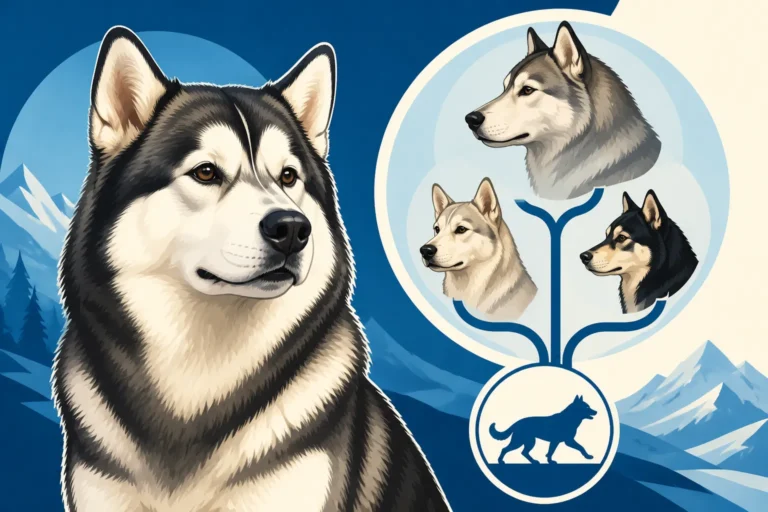
The ancestral people who developed the Alaskan Malamute, the Mahlemut of the Kotzebue Sound region, depended on these dogs for their livelihood and existence. Their lives revolved around hunting, fishing, and trading, all of which required reliable transportation across vast, often snow-covered, distances. Imagine needing to bring back a successful hunt – perhaps a caribou – to your village, or transport furs and tools for trade. There were no trucks, no trains, just dog power. The dogs were an extension of the family, critical for hauling everything from daily necessities to life-saving supplies. Their strength literally kept families alive. This deep interdependence meant the Malamute was meticulously bred for robust health, incredible stamina, and the sheer power to pull heavy loads, not for quick sprints but for sustained, steady effort over many miles. You can learn more about their origins in The Mahlemut of Kotzebue Sound Bred the Alaskan Malamute.
Evolution of the Malamute Physique for Hauling
Over generations, the Alaskan Malamute developed a distinctive physique perfectly suited for freighting. They possess a broad, deep chest for large lung capacity, powerful shoulders, and heavily muscled hindquarters—all vital for generating immense pulling power. Their strong, compact body is designed to move efficiently through snow, with snowshoe-like paws that provide excellent traction. Unlike many other sled dog breeds that prioritize speed, the Malamute's structure is all about leverage and sustained strength. Their thick double coat offers unparalleled insulation, allowing them to work tirelessly in sub-zero temperatures without expending precious energy to stay warm. This evolutionary path created a dog that was essentially a living, breathing, incredibly strong engine, built for the specific task of moving heavy burdens over long distances, often in deep snow.
Impact of the Gold Rush
The Klondike Gold Rush, beginning in the late 19th century, dramatically highlighted the Malamute's freighting prowess to the outside world. Prospectors, desperate to transport their gear and supplies into the Yukon and Alaska's interior, quickly discovered the value of these powerful dogs. While many "mushers" at the time sought out faster, lighter dogs, or resorted to various crossbreeds for racing, the pure Malamute type dogs were prized for their ability to haul significant tonnages over incredibly rough terrain. The demand for strong, reliable freight dogs skyrocketed. Unfortunately, this period also saw a lot of indiscriminate breeding, as many sought to profit from the "gold rush dogs," sometimes diluting the pure Malamute lines. However, the core purpose of the Malamute remained: the slow, steady, powerful haul.
Factors Influencing Hauling Capacity
It's tempting to put a single number on how much weight a Malamute team could haul, but the reality is far more complex. Several critical factors came into play, turning each journey into a nuanced calculation of effort versus reward.
Terrain and Trail Conditions
Imagine trying to pull a heavy sled across a perfectly smooth, icy lake versus dragging it through a foot of fresh, powdery snow up a steep incline. The difference in effort is astronomical. Historical Malamute teams often navigated varied and challenging terrain: dense forests, frozen rivers, and mountain passes. Hard-packed snow or ice allowed for much heavier loads to be moved with relative ease, as friction was minimal. Conversely, deep, soft snow or slush could drastically reduce the weight a team could manage, forcing mushers to lighten loads or make multiple trips. Icy patches, exposed rock, or patches of bare ground also posed unique challenges, demanding different skills from both the dogs and the musher. The nature of the trail was perhaps the single most significant variable in determining how much a team could realistically haul in a day.
Team Size and Configuration
Just like any good engine, a dog team's power multiplies with more units. A single Malamute is strong, but a team of several dogs can achieve truly astonishing feats. Historically, Mahlemut teams often consisted of anywhere from four to eight dogs, sometimes even more for particularly heavy loads or long expeditions. The configuration of the team also mattered. Lead dogs, often intelligent and experienced, set the pace and direction. Powerful "wheel dogs" positioned closest to the sled bore the brunt of the initial pull and often steered the sled around obstacles. A well-matched team, where each dog contributed its strength and worked cohesively, could haul significantly more than a collection of uncoordinated individuals. The synergy within a trained team was paramount, allowing them to distribute the effort efficiently and overcome obstacles together.
Individual Dog Conditioning and Strength
Beyond the team's size, the individual fitness, training, and inherent strength of each Malamute were crucial. A well-fed, healthy, and conditioned Malamute was a far more effective pulling machine than one that was underfed or out of shape. These dogs were athletes in every sense of the word. They underwent rigorous training, building muscle, endurance, and mental fortitude. A dog that understood commands, maintained a steady pace, and was eager to work was invaluable. Malnourished or sickly dogs simply couldn't contribute their share, potentially endangering the entire expedition. This is why proper nutrition and care were not just about kindness, but about ensuring the team's operational capability. Even today, feeding a working Malamute a high-quality, nutrient-dense diet is non-negotiable, and you can find a wide range of suitable options, including high-performance kibbles and supplements, at retailers like Chewy.
Real-World Examples and Estimates of Hauling Loads
While it's difficult to pinpoint an exact average, historical accounts and modern weight-pull competitions give us a good idea of the immense capabilities of these dogs. It's truly eye-opening to see the numbers.
Historical Accounts
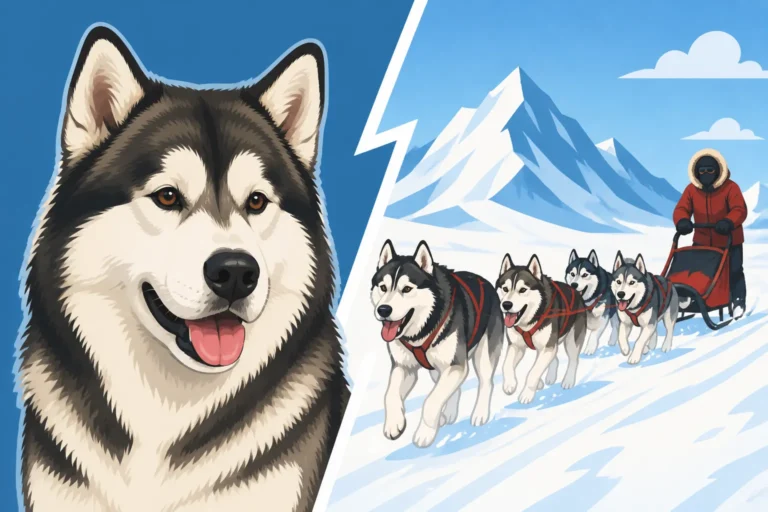
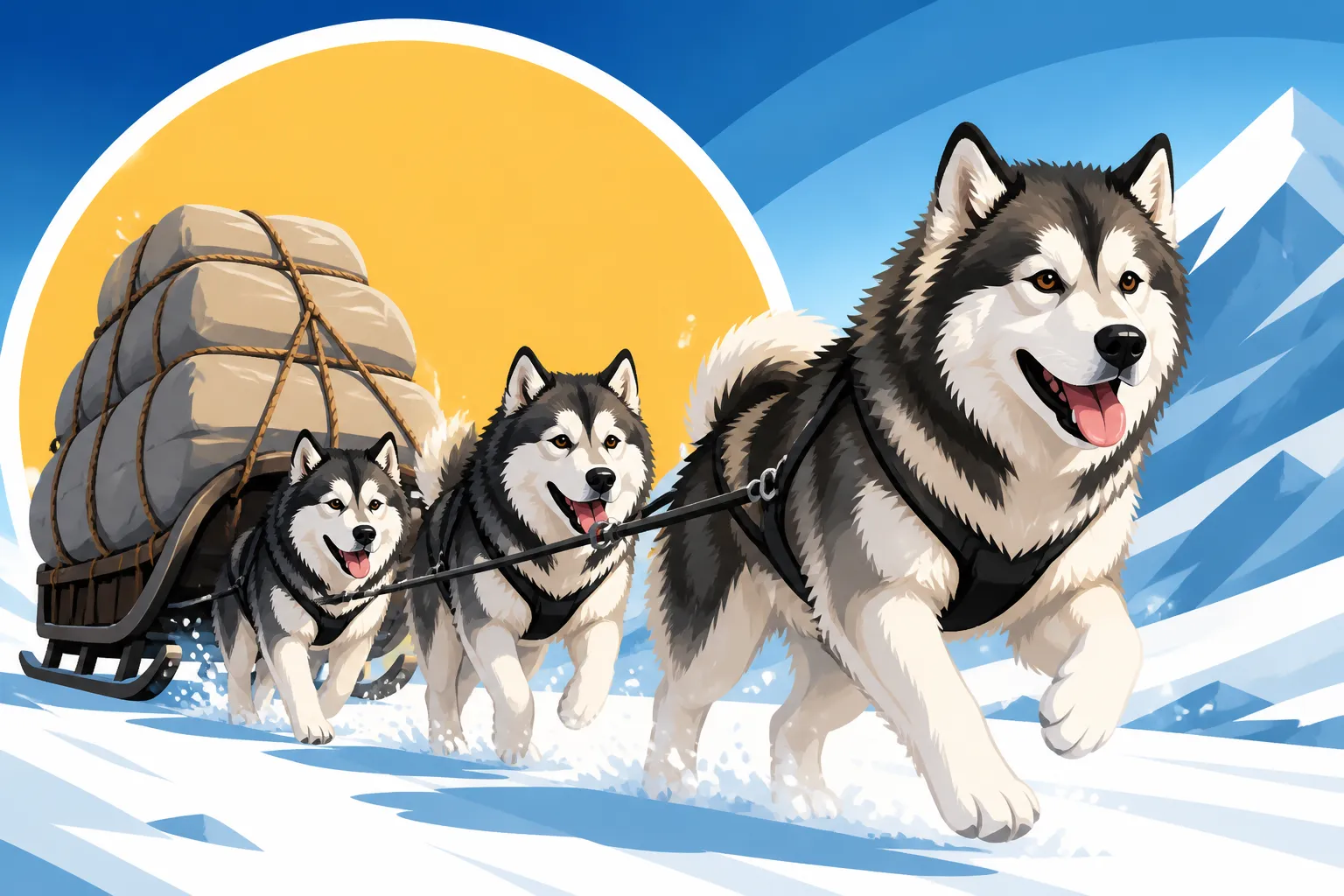
Reports from early explorers, prospectors, and Arctic residents painted a picture of incredible endurance and strength. Stories from the Klondike Gold Rush era often recounted Malamute teams moving hundreds, sometimes thousands, of pounds of supplies over treacherous passes. For instance, it wasn't uncommon for a well-conditioned team of four to six Malamutes to haul 500 to 1,000 pounds of freight over several days, covering significant distances daily. On hard-packed snow or ice, with less friction, these loads could sometimes double for shorter distances. These figures weren't about a one-time heave; they represented sustained effort, day after day, through blizzards and extreme cold. The emphasis was always on steady, deliberate progress rather than speed, ensuring that the precious cargo arrived intact.
Typical Freight Loads
For daily working conditions, a Malamute team wouldn't always be pushing the absolute maximum. A more typical freight load for a team of 4-6 Malamutes, depending on the conditions, would be in the range of 300 to 700 pounds. This allowed for consistent travel, covering respectable distances each day without overtaxing the dogs or requiring constant breaks. This would include provisions for the musher, camping gear, and the primary cargo. The ability to carry such a significant volume meant that expeditions could be self-sufficient for longer periods, reducing the need for frequent resupply points. This type of reliable, sustained freighting is truly Freight, Not Speed: What Separates a Malamute From a Racing Dog.
Record-Breaking Feats
While the historical working loads are impressive, weight pull competitions in modern times showcase the Malamute's absolute peak strength in a controlled environment. These events are designed to demonstrate a dog's raw power over a very short distance, typically on an artificially prepared track (sometimes carpeted or on rails to reduce friction). It's not uncommon to see a single Alaskan Malamute pull thousands of pounds in these events. Some individual Malamutes have reportedly pulled over 3,000 pounds, and sometimes even upwards of 4,000 pounds, particularly on a wheeled cart with very low friction. These are extraordinary feats, demonstrating the breed's incredible power potential, far beyond what they would typically haul over a long trail. It's a testament to their strength, but it's important to remember these are short-distance, maximum effort pulls, not indicative of long-distance freighting. How Much Weight a Malamute Can Pull delves deeper into this.
Here’s a simplified comparison of historical versus modern weight-pull capacity:
| Scenario | Team Size (Malamutes) | Estimated Weight Hauled (Lbs) | Conditions | Purpose |
|---|---|---|---|---|
| Historical Daily Freight | 4-6 Dogs | 300 – 700 | Varied snow, long distance | Sustained transportation of goods |
| Historical Heavy Haul | 6-10+ Dogs | 1,000 – 1,500+ | Hard-packed snow/ice, medium distance | Moving very large supplies/materials |
| Modern Weight Pull (Single Dog) | 1 Dog | 1,000 – 4,000+ | Carpet/rails, short distance | Demonstration of maximum raw strength |
| Modern Recreational Pull | 2-4 Dogs | 100 – 300 | Varied terrain, medium distance | Exercise, sport, maintaining instinct |
The Mechanics of Malamute Pulling Power
How do these magnificent dogs manage such incredible feats of strength and endurance? It’s a combination of their physical attributes, their innate mental drive, and even their unique metabolism. Everything about them is engineered for this demanding task.
Physical Attributes
The Alaskan Malamute's physical design is a marvel of natural engineering, perfectly optimized for hauling. Their sturdy bone structure, which is dense and robust, provides a strong framework for their powerful musculature. A broad, deep chest allows for impressive lung capacity, vital for sustained effort and oxygen intake in thin, cold air. Their thick neck and powerful shoulders are built for pulling, distributing the load effectively through the harness. The large, well-padded feet act like natural snowshoes, providing traction and stability on snow and ice, preventing them from sinking too deeply and conserving energy. Even their dense, double coat plays a role beyond insulation; it helps protect their skin from abrasions during long pulls and can shed snow easily, preventing excessive ice buildup that could add weight and discomfort.
Mental Fortitude and Drive
Beyond sheer physical strength, a Malamute's mental fortitude and unwavering drive are what truly set them apart as freight dogs. They possess an incredible work ethic and a deep desire to pull. This isn't just about obedience; it's an intrinsic part of their being. They thrive on having a job to do, and pulling is their most natural and fulfilling role. This mental toughness allows them to push through fatigue, endure harsh conditions, and maintain focus even when the task is difficult or monotonous. They are known for their independence and problem-solving skills, which are crucial when navigating challenging trails. A Malamute's stoic nature means they often "show nothing until it cannot work" – a characteristic that underscores their incredible resilience and determination. They want to work, and this intrinsic motivation is a powerful engine in itself.
Efficient Metabolism
One of the lesser-known but equally critical factors in a Malamute's hauling ability is their remarkably efficient metabolism. Developed over millennia in a harsh environment where food could be scarce, these dogs are adept at conserving energy and deriving maximum sustenance from their diet. They don't burn through calories as quickly as many other breeds, especially during sustained, steady work. This means they can go longer on less, making them incredibly practical for long expeditions where carrying extra dog food was a significant logistical challenge. Their bodies are designed to convert fat and protein into sustained energy effectively, allowing for prolonged periods of physical exertion without rapid depletion. This efficient metabolism, combined with their thick coat, also contributes to their ability to regulate body temperature in extreme cold, minimizing energy loss. You can find out more about this fascinating trait in The Efficient Metabolism That Surprises Every New Malamute Owner.
Modern Interpretations and Weight Pull Sports
While many Alaskan Malamutes today live as beloved family companions, their inherent desire to pull and their incredible strength haven't diminished. Modern activities provide vital outlets for these instincts, allowing them to engage in the work they were born to do.
Weight Pull Competitions
Weight pull competitions are a fantastic way for Malamutes and their owners to celebrate and exercise the breed's historical strength in a safe, controlled, and competitive environment. These events are specifically designed to showcase a dog's power, usually over a short distance. Dogs are harnessed to a cart or sled, which is then loaded with weights. The goal is to pull the maximum weight a specified distance (often 15 or 16 feet). It's a test of raw power, focus, and conditioning. These events provide not only an excellent physical workout but also a mental challenge for the dogs, tapping into their innate drive to pull. Seeing a Malamute strain with all its might, muscles rippling, to move a sled piled with weights is a truly impressive sight and a direct connection to their heritage.
Recreational Freighting and Sledding
Beyond formal competitions, many Malamute owners engage in recreational freighting or sledding, even if it's just for fun or exercise. This can involve anything from skijoring (where the dog pulls a skier) to recreational sledding with a light rig and a small team, or even simply using a dog cart or scooter on dry land. These activities provide a wonderful way to honor the Malamute's heritage and fulfill their deep-seated desire to pull. It keeps them physically fit, mentally stimulated, and engaged with their owners. It's not about racing, but about the joy of working together, mimicking the slow, steady rhythm of their ancestors' work. Equipment for these activities, from harnesses to specialized lines, can often be found at pet supply retailers like Chewy, ensuring dogs are properly geared up for safe and effective pulling.
The "Pet" Malamute's Need to Pull
Even a Malamute that lives a comfortable life as a cherished family pet still retains that powerful instinct to pull. This isn't something that can be trained out; it's hardwired into their DNA. Ignoring this need can lead to frustration for the dog, manifesting in unwanted behaviors like destructive chewing, excessive digging, or leash pulling that is both strong and persistent. Providing outlets for this natural drive, even if it's just a sturdy harness for walks (rather than a collar), or engaging in simple urban mushing with a cart or scooter, is essential for their overall well-being. It channels their energy constructively and allows them to feel fulfilled. A tired Malamute is often a well-behaved Malamute, and channeling their pulling instinct is one of the most effective ways to achieve that happy exhaustion. The Adolescent Malamute That Rewrites the Rules at Fourteen Months often starts showing this stronger drive to pull.
Caring for a Working Malamute: Nutrition and Health Considerations
For a dog bred to pull significant weight, proper care, nutrition, and health monitoring are paramount. Their incredible strength comes with specific needs that must be met to ensure a long, healthy, and happy life, whether they're a competitive puller or a cherished companion.
Nutritional Demands
A Malamute engaged in any form of pulling activity, from serious freighting to recreational sledding, has distinct nutritional needs compared to a sedentary pet. Their diet must provide sufficient calories, protein, and healthy fats to fuel their muscular work and maintain their dense coat and body condition. High-quality dog foods specifically formulated for active or working breeds are often recommended. These diets are typically richer in easily digestible proteins and fats. It's crucial to adjust their food intake based on their activity level, the climate (working dogs in winter often need more calories), and their individual metabolism. Underfeeding can lead to loss of condition and performance, while overfeeding can lead to obesity, putting unnecessary strain on their joints. You can find a vast selection of high-performance dog foods, as well as nutritional supplements, easily through online retailers like Chewy, making it convenient to meet their dietary requirements. You might also be interested in Feeding an Alaskan Malamute That Works Two Days a Week.
Joint Health and Conditioning
With their lineage as heavy freight haulers, protecting a Malamute's joints is a lifelong commitment. The constant stress of pulling, even with perfect form, can take a toll over time. Maintaining a lean body weight is perhaps the single most important factor in joint health, as extra pounds exponentially increase stress. Regular, appropriate exercise helps build and maintain strong muscles around the joints, providing natural support. Beyond that, many owners consider joint supplements containing ingredients like glucosamine, chondroitin, and MSM, especially as their Malamute ages or if they are particularly active. These supplements are thought to help maintain cartilage health and reduce inflammation. Regular veterinary check-ups can also help catch any joint issues early, allowing for timely intervention. Joint Supplements for an Alaskan Malamute offers further insights.
Veterinary Care and Preventive Measures
Given their predisposition to certain genetic conditions, and the physical demands of their natural inclinations, comprehensive veterinary care is non-negotiable for an Alaskan Malamute. Regular check-ups are essential, not just for vaccinations and parasite prevention, but for monitoring their overall health, including their joints, heart, and metabolic functions. For working or highly active Malamutes, early screening for conditions like hip and elbow dysplasia is particularly important to ensure they are structurally sound for pulling activities. Maintaining their dental health, ensuring their large, strong teeth are in good condition, also contributes to their overall well-being, as dental issues can impact their ability to eat and their general health. Being proactive with preventive care means that your Malamute can enjoy a full, active life doing what they love best – pulling. Finding quality flea, tick, and heartworm preventatives, along with other essential health supplies, is simple with trusted providers like Chewy.
Disclaimer
This article is for general informational purposes only and does not constitute professional advice. Laws, prices and regulations vary by location and change over time. Consult a qualified professional for guidance on your specific situation.