How Short a Dwarf Malamute’s Legs Stay
It's heartbreaking to see your beloved Alaskan Malamute puppy not growing as expected, or perhaps notice their legs seem disproportionately short compared to their body. This can be a deeply concerning experience for any Malamute owner, especially when you envision a powerful, majestic dog known for its endurance and strength. This comprehensive guide will delve into the realities of chondrodysplasia, commonly known as dwarfism, in Alaskan Malamutes, focusing specifically on how short their legs can remain, what that means for their quality of life, and how you can best support your unique companion.
Understanding Chondrodysplasia in Alaskan Malamutes
Chondrodysplasia, or dwarfism, is a condition that, while rare, can appear in Alaskan Malamutes and significantly impacts their growth and development. It's not just a matter of aesthetics; it's a genetic condition that affects the cartilage and bone growth, particularly in the long bones of the legs. Owners often feel a mix of confusion, sadness, and determination when faced with this diagnosis, and understanding the science behind it can be the first step in providing the best possible care.
What Exactly is Chondrodysplasia?
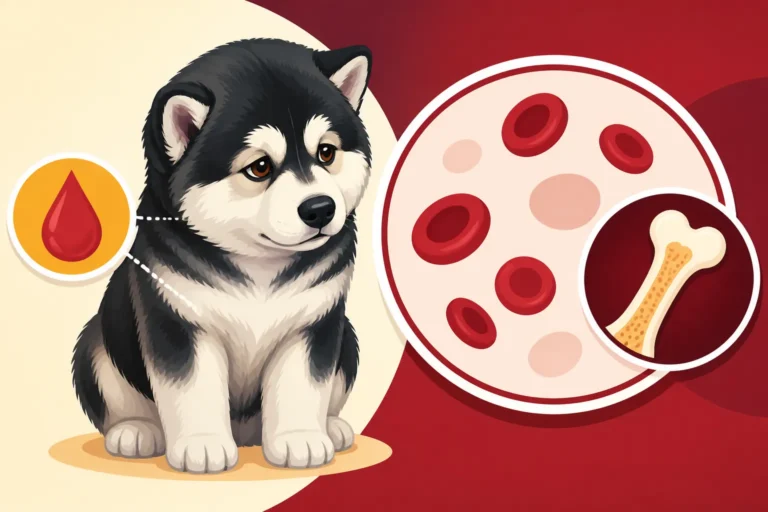
At its core, chondrodysplasia is a genetic disorder that affects the development of cartilage. Cartilage is the precursor to bone in a developing puppy, and in conditions like dwarfism, this cartilage doesn't form or mature correctly. Imagine a blueprint for a building, but certain crucial measurements are off from the start, leading to structural abnormalities. For an Alaskan Malamute, which is naturally a large and robust breed, this means their long bones, especially in the limbs, don't reach their intended length. It’s a recessive genetic trait, meaning a puppy must inherit a copy of the affected gene from both parents to express the condition. This is why even seemingly healthy parents can produce a dwarf puppy if they are both carriers. This knowledge underscores the importance of proper breeding practices and understanding the genetic health of parent dogs. Many wonder Whether Malamute Chondrodysplasia Is Recessive.
The specific genetic mutation in Alaskan Malamutes affects the type II collagen gene (COL10A1). This collagen is vital for the growth plates, which are areas of cartilage located near the ends of bones in growing puppies. These growth plates are where new bone tissue is generated, allowing the bones to lengthen. When chondrodysplasia is present, these growth plates close prematurely or develop abnormally, leading to significantly shortened limbs. It's a fundamental disruption in the skeletal growth process, not merely a minor deviation. This detailed understanding helps us move past simplistic views of dwarfism and appreciate the underlying biological mechanisms at play, which is critical for future care.
The Visible Signs of Dwarfism: Beyond Just Short Legs
While short legs are the most striking and defining characteristic of chondrodysplasia, the condition often manifests with a suite of other physical traits. Owners might first notice that their puppy, while seemingly robust in body, has legs that just aren't keeping up with the rest of their growth. This discrepancy often becomes apparent around 4-6 weeks of age, though some subtle signs might be present earlier. If you're observing your puppy closely, you might pick up on these nuances. Understanding The Age Malamute Dwarfism Becomes Visible can help you identify it early.
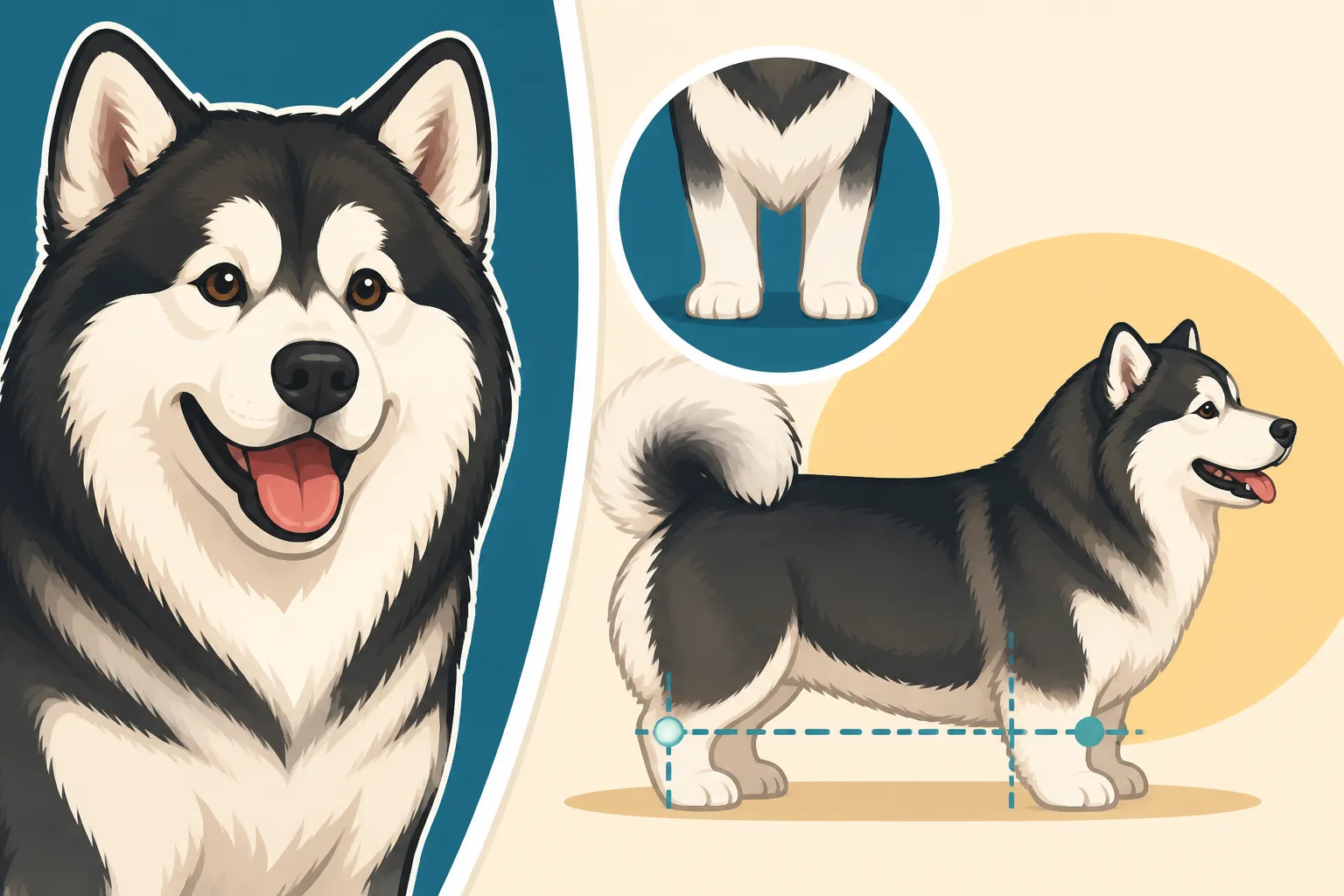
Beyond the obvious leg length, dwarf Malamutes often present with a unique body conformation. Their bodies tend to be broader and more heavily muscled, giving them a somewhat stocky or "cobby" appearance. Their heads might appear larger in proportion to their body, and some might have a slightly rounded skull. In some cases, their front legs can develop with a noticeable bow, known as valgus or varus deformities, where the limbs turn inward or outward. This bowing can impact their gait and put additional strain on their joints. Furthermore, some dwarf Malamutes may have issues with their paws, such as splayed feet, due to the altered bone structure. These combined features create a distinctive look that sets them apart from their normally developing littermates. It's a complex condition that influences their entire skeletal system, not just a single trait.
The Specifics of Leg Length in Dwarf Malamutes
When discussing dwarfism in Alaskan Malamutes, the question of just "how short" their legs get is perhaps the most common and pressing concern for prospective and current owners. It directly impacts their functionality, mobility, and overall quality of life. The mental image of a majestic Malamute is often tied to their strong, capable legs, so seeing a deviation can be quite jarring.
How Short Do Their Legs Really Get?
For an Alaskan Malamute affected by chondrodysplasia, the long bones of the legs typically remain significantly shorter than those of a standard Malamute. While exact measurements can vary from individual to individual, affected dogs usually mature to have legs that are roughly half to two-thirds the length of a normal Malamute's legs. To put this into perspective, a typical adult male Alaskan Malamute stands around 25 inches at the shoulder, with legs built for powerful, sustained pulling. A dwarf Malamute, on the other hand, might only stand 15-18 inches tall, with much shorter limbs, though their body length and overall girth might be closer to that of an average Malamute. This creates that characteristic long-bodied, short-legged appearance.
The most noticeable difference will be in the radius, ulna (forelegs), tibia, and fibula (hindlegs). The vertebrae and ribs are generally less affected, which contributes to the perception of a long body with short legs. It's not uncommon for their chest to appear very deep, almost dragging close to the ground, especially in a dog with a powerful Malamute build. This drastic difference in limb length changes their center of gravity and the mechanics of their movement, leading to a unique gait. While a normal Malamute carries itself with a powerful, ground-covering stride, a dwarf Malamute will have a shorter, more waddling or rolling gait due to the disproportionate limb length and potentially bowed legs. Owners might even notice that The Week a Dwarf Malamute's Legs Fall Behind is a critical period for observing these early differences.
The Impact on Mobility and Function
The shortened legs of a dwarf Malamute have a profound impact on their mobility and overall physical function. While they can still move and enjoy life, their capacity for certain activities, especially those characteristic of the breed, is significantly altered. A normal Alaskan Malamute is bred for endurance, strength, and pulling heavy loads over long distances. Their powerful legs are crucial for this work. For a dwarf Malamute, these physical endeavors are either impossible or must be approached with extreme caution and modification.
Walking and running will be different. They tend to have a distinctive gait, often described as a roll or waddle, and their stamina for long walks or vigorous play might be limited. High-impact activities like jumping or prolonged running on hard surfaces can put undue stress on their joints, which are already predisposed to issues due to their abnormal development. Furthermore, tasks that seem simple for other dogs, such as climbing stairs, jumping into a car, or even navigating uneven terrain, can become significant challenges. Owners often need to make modifications to their home environments to accommodate these physical limitations, such as adding ramps or steps. While they may still have the heart of a sled dog, Whether a Dwarf Malamute Can Pull a Sled is a question that usually yields a disheartening answer when considering their physical well-being.
| Characteristic | Standard Alaskan Malamute | Dwarf Alaskan Malamute |
|---|---|---|
| Height (Shoulder) | 23-25 inches | 15-18 inches |
| Leg Length | Proportionate to body, powerful | Significantly shorter (approx. 1/2 to 2/3 normal) |
| Body Shape | Athletic, deep chest, strong back | Stocky, broader, long-bodied appearance |
| Gait | Effortless, powerful, ground-covering | Shorter stride, waddling/rolling, sometimes bowed legs |
| Joint Health | Prone to hip/elbow dysplasia, but typically better bone structure | Increased risk of arthritis, joint deformities, spinal issues |
| Activity Level | High endurance, strong pulling drive | Modified activities, lower endurance for strenuous tasks |
| Appearance | Majestic, powerful, agile | Unique, "cobby," large head relative to body |
Growth Patterns and Development Milestones
Observing a Malamute puppy grow is one of the joys of ownership. They transform from fluffy little furballs into magnificent, powerful dogs. However, for those with a dwarf Malamute, this growth trajectory takes a different path, often causing concern and questions about when the differences will become truly evident and what their final size will be.
When Dwarfism Becomes Evident in Puppies
The initial weeks of a dwarf Malamute puppy's life might not immediately reveal the condition. Many owners report that their dwarf puppies appear normal at birth, and it can be hard to differentiate them from their littermates. However, as the weeks progress, subtle differences begin to emerge. Typically, around 3 to 6 weeks of age, attentive owners or experienced breeders might start to notice that one puppy's legs seem a little shorter, or its gait is slightly different. This is often the period when Whether a Dwarf Malamute Puppy Looks Normal at Birth becomes a question quickly answered as differences appear.
The period between 4 and 8 weeks is often when the discrepancy becomes more pronounced. While their bodies might continue to grow at a relatively normal rate, the growth plates in their long bones are not performing as they should, leading to their legs visibly falling behind in length. You might notice they struggle a bit more to keep up with their siblings during playtime, or their movements appear more labored. This is a critical time for observation, as an early diagnosis allows owners to prepare for the specific care needs of a dwarf Malamute. It's not an overnight transformation; rather, it's a gradual divergence in growth that becomes increasingly obvious as the puppy matures.
Final Stature: Reaching Adult Size
Like all dogs, dwarf Malamutes eventually reach their adult size, but their growth trajectory will culminate in a stature significantly different from the breed standard. Most dogs achieve the majority of their growth in the first 12-18 months of life, with some continued filling out and muscle development extending up to two years. For a dwarf Malamute, the skeletal growth of their limbs largely stops much earlier due to the premature closure or dysfunction of their growth plates.
Once a dwarf Malamute reaches maturity, typically around 12-18 months, their leg length will be fixed. As mentioned, their height at the shoulder will likely be considerably less than that of a standard Malamute, often in the 15 to 18-inch range. Their body mass and overall weight, however, can still be substantial, often comparable to a smaller standard Malamute, or even a larger one if overfed. This combination of a heavy body and short legs puts unique stresses on their joints and spine throughout their life. It's a testament to their enduring spirit that despite these physical limitations, Whether a Dwarf Malamute Lives a Normal Span is often answered affirmatively, provided they receive appropriate care. Their unique build necessitates a focus on maintaining a healthy weight to reduce strain on their musculoskeletal system.
Health and Lifestyle Considerations for Dwarf Malamutes
Bringing a dwarf Malamute into your life means embracing a unique set of care requirements. While they possess the same loving, independent, and often mischievous spirit as any other Malamute, their physical limitations demand a thoughtful and proactive approach to their health and daily routine. It's a commitment that requires understanding and adaptation, but one that is incredibly rewarding.
Common Health Challenges
Due to their unique skeletal structure, dwarf Malamutes are predisposed to several significant health challenges. The disproportionate growth and altered biomechanics place extra strain on their joints and spine, often leading to chronic conditions that require ongoing management. One of the most prevalent issues is arthritis, particularly in the elbows, knees, and hips. The abnormal development of their bones and cartilage can cause joints to wear down prematurely, leading to pain, stiffness, and reduced mobility as they age. This can significantly impact their comfort and activity levels, making daily movements painful.
Beyond arthritis, spinal problems are also a concern. The combination of a heavy body and a relatively long spine on short, often bowed legs can lead to issues like intervertebral disc disease (IVDD) or other spinal compressions. These conditions can cause severe pain, neurological deficits, and even paralysis in advanced cases. Owners might also observe that Whether a Dwarf Malamute Has Bowed Front Legs contributes to gait abnormalities and further joint stress. Regular veterinary check-ups are crucial for early detection and management of these issues. A good pet insurance plan, like one from Healthy Paws, can be invaluable for covering the potentially high costs associated with diagnosing and treating these chronic conditions throughout their lifespan.
Adapting the Home and Routine
Living with a dwarf Malamute means making conscious adjustments to their environment and daily routine to ensure their comfort, safety, and well-being. What might be a simple jump or climb for a standard dog can be a formidable obstacle for a short-legged Malamute, potentially leading to injury if not managed. This proactive approach helps prevent unnecessary strain and promotes a happier, healthier life.
Ramps and steps become essential tools in a dwarf Malamute owner's arsenal. Installing ramps for beds, couches, and especially for getting into and out of vehicles can prevent painful jumps and falls. Limiting access to stairs or providing carpeted treads can also help. High-impact activities should be minimized or entirely avoided. Instead of long, strenuous hikes or intense games of fetch that involve a lot of jumping and sudden stops, focus on gentler, shorter walks on soft surfaces, or controlled play sessions. Swimming, if they enjoy it, can be an excellent low-impact exercise that builds muscle without stressing joints. Mental stimulation is also vital; puzzle toys, scent work, and training sessions can keep their minds engaged when physical exertion needs to be moderated. It's about modifying the lifestyle, not eliminating it entirely.
The Reality of Their Working Capacity
The Alaskan Malamute was historically bred as a powerful freighting dog, capable of pulling heavy loads over vast distances in harsh Arctic conditions. This deep-seated instinct for work and pulling is often a hallmark of the breed's personality. For a dwarf Malamute, however, the reality of their physical capacity to perform traditional Malamute work is significantly limited. While their spirit might be willing, their body simply isn't equipped for the demands of heavy freighting or competitive sledding.
Engaging a dwarf Malamute in activities like weight pull or long-distance mushing would put immense, potentially damaging, stress on their already compromised joints and spine. This doesn't mean they can't have a "job" or participate in activities. Instead, it requires rethinking what "work" means for them. Lighter forms of carting or scootering, with very minimal weight and over short, flat distances, might be possible with careful veterinary consultation and supervision. Focus on activities that fulfill their Malamute drive without risking injury. This could include scent work, obedience training, or even canine good citizen classes, which provide mental stimulation and a sense of purpose without the physical strain. It’s crucial to respect their physical limitations and prioritize their long-term health over traditional breed expectations.
Living a Full Life with a Dwarf Malamute
While a diagnosis of chondrodysplasia can feel overwhelming, many dwarf Malamutes lead wonderfully rich and fulfilling lives, surrounded by dedicated and understanding owners. It requires commitment, patience, and a willingness to adapt, but the bond forged with these special dogs is incredibly strong.
Ensuring Comfort and Quality of Life
The cornerstone of care for a dwarf Malamute is ensuring their comfort and maintaining a high quality of life through proactive health management. Regular veterinary care is paramount. This includes routine check-ups, but also specific attention to their musculoskeletal health. Your vet might recommend regular X-rays to monitor joint health and spinal integrity, especially as they age. Supplements like glucosamine and chondroitin can be beneficial for joint support, and your vet may also suggest anti-inflammatory medications or pain management strategies as needed. Remember, Whether Zinc Supplements Help a Dwarf Malamute is a question best answered by your veterinarian, as zinc deficiency is a separate genetic issue in Malamutes, and while some general health benefits may be debated, it’s not a direct treatment for dwarfism itself.
Physical therapy, hydrotherapy (swimming), and controlled exercise programs designed by a canine rehabilitation specialist can also play a huge role in building and maintaining muscle strength, flexibility, and overall mobility without putting excessive strain on their joints. Maintaining a lean body weight is absolutely critical to minimize stress on their legs and spine. Overweight dwarf Malamutes will experience exacerbated pain and faster joint degeneration. A high-quality diet, appropriate portion control, and consistent, gentle exercise are key. It’s also wise to consider comprehensive pet insurance. Providers like Healthy Paws can offer significant peace of mind, helping to manage the ongoing costs of specialized veterinary care, medications, and rehabilitation therapies that a dwarf Malamute might require throughout its life.
The Emotional Toll on Owners
Discovering your Malamute has chondrodysplasia can certainly take an emotional toll. Many owners experience a range of feelings, from sadness and worry about their pet's future to frustration, particularly if they were unaware of the genetic risks. It's important to acknowledge these feelings and recognize that you're not alone. Often, the dream of a powerful, working Malamute clashes with the reality of a dog with specific physical limitations, and processing this can be a journey.
Responsible breeders will screen their dogs for genetic conditions, including chondrodysplasia, and provide transparency about their breeding practices. However, because it's a recessive gene, carriers can look completely normal, making it a hidden issue until affected puppies are born. This is why it's so important for prospective owners to ask about health testing. Learning about The Health Tests Both Alaskan Malamute Parents Should Have can empower buyers. For existing owners, connecting with other dwarf Malamute owners through online forums or local breed clubs can provide invaluable support, shared experiences, and practical advice. Seeing the joy and resilience of these dogs, despite their challenges, often inspires a deep and unwavering dedication. This journey becomes about celebrating their unique spirit and providing them with every opportunity for a happy, comfortable life, sometimes with the financial support of a good pet insurance policy such as those offered by Healthy Paws.
Disclaimer
The information provided in this article is for general informational purposes only and does not constitute veterinary advice. Always consult with a qualified veterinarian for any health concerns or before making any decisions about your pet's medical care or treatment plan.