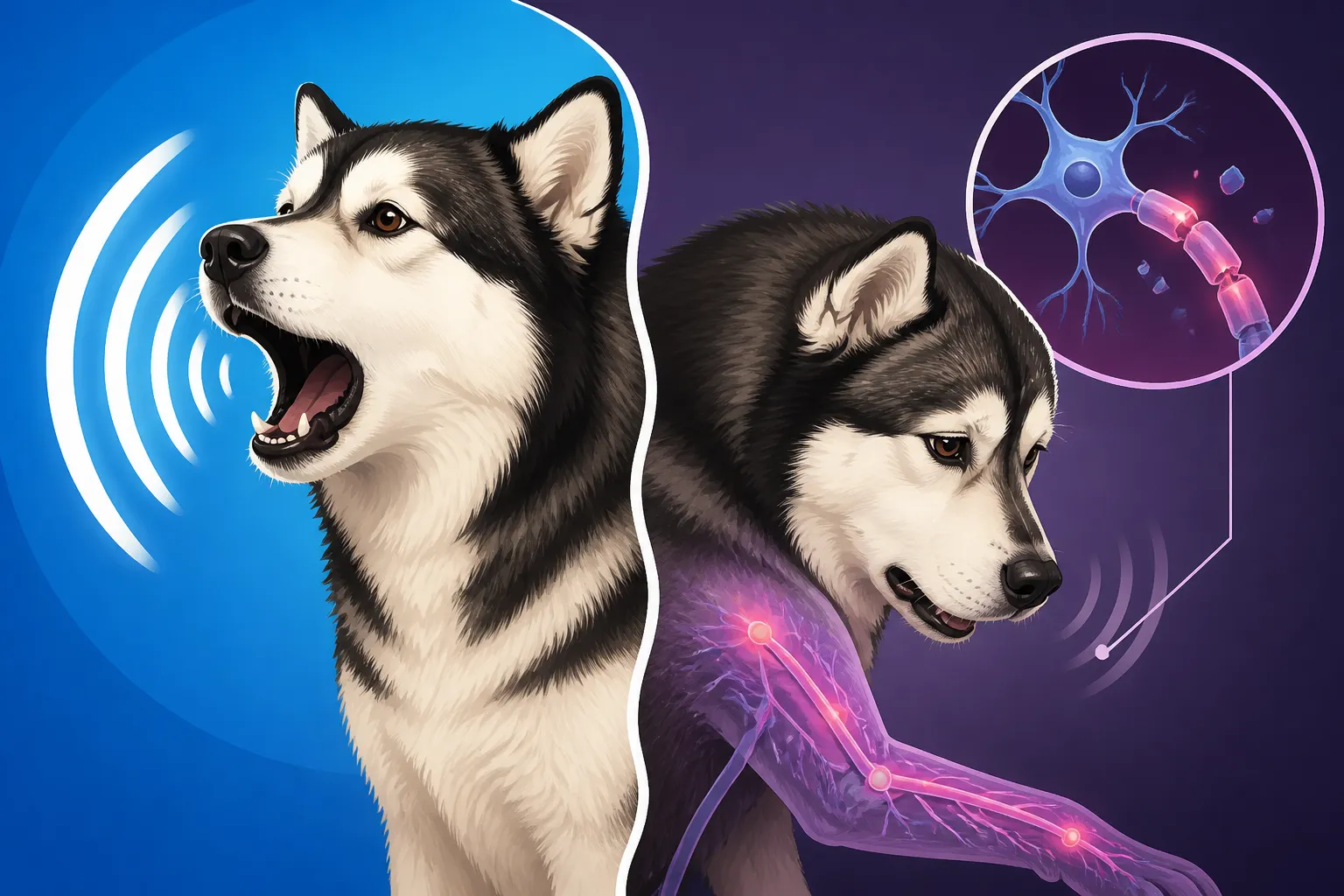
Why a Malamute’s Bark Changes With Polyneuropathy
It's incredibly distressing when your strong, vocal Alaskan Malamute, known for their deep, soulful "woos" and impressive barks, suddenly sounds different. A raspy, hoarse, or even diminished bark can be a heartbreaking sign for any owner, pointing to an underlying health concern that needs immediate attention. This guide aims to shed light on one such condition, Inherited Polyneuropathy (IPN), and meticulously explain why it can profoundly alter your Malamute's voice.
Understanding Inherited Polyneuropathy in Alaskan Malamutes
When you think of your Malamute, you likely picture a robust, powerful dog, full of life and energy. The idea that their internal systems could be silently failing is a difficult one to grasp, but that's precisely the insidious nature of Inherited Polyneuropathy (IPN). This isn't just a fleeting cough or a bit of laryngitis; it's a serious genetic neurological disorder that progressively damages the nerves throughout their body. It's a condition that truly speaks to the often hidden challenges our beloved Mals can face, even when they appear outwardly strong.
The Genetic Underpinnings of the Disease
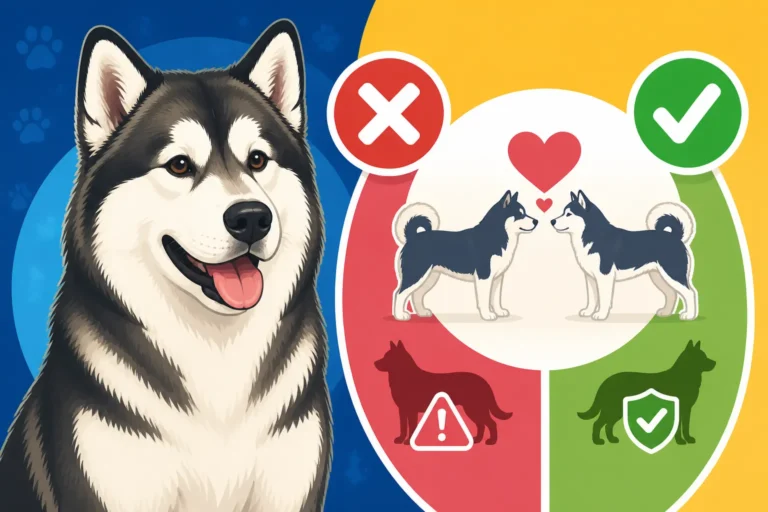
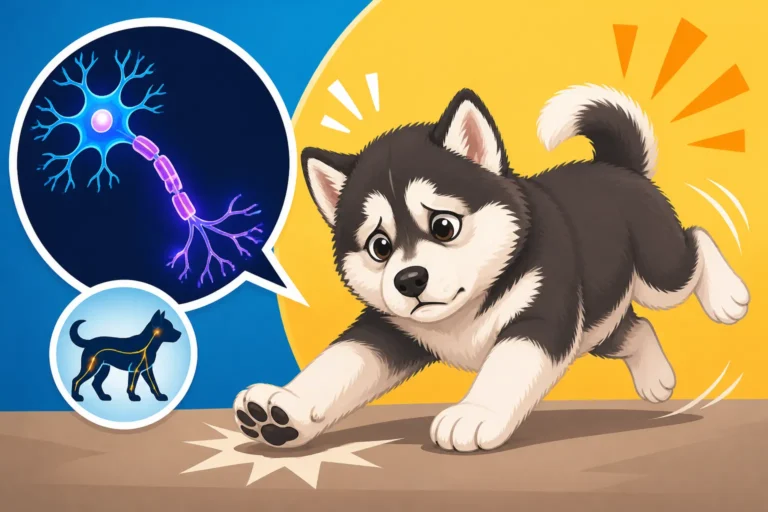
Inherited Polyneuropathy in Alaskan Malamutes is an autosomal recessive condition. What this means in plain English is that a puppy must inherit a copy of the faulty gene from both its mother and its father to develop the disease. If a Malamute inherits only one copy, they are considered a "carrier" – they won't show symptoms themselves but can pass the gene on to their offspring. This genetic component makes diligent screening by breeders absolutely vital, as two seemingly healthy carriers can produce affected puppies. The faulty gene disrupts the normal function and maintenance of peripheral nerves, which are the nerves outside of the brain and spinal cord, responsible for transmitting signals to and from muscles and sensory organs.
Over time, these peripheral nerves begin to degenerate. Imagine the nerves as electrical wires connecting a control panel (the brain) to various appliances (the muscles). In a Malamute with IPN, the insulation around these wires, or even the wires themselves, starts to fray and break down. This leads to a severe disruption in communication. Muscles don't receive the correct signals, or they receive weak, garbled instructions, leading to weakness, loss of coordination, and eventually, atrophy. This process can be slow and heartbreakingly progressive, often starting subtly and worsening over months or even years.
How Nerve Damage Manifests in the Body
The impact of this nerve degeneration isn't confined to just one area; it's systemic. Initially, owners might notice vague signs that are easy to dismiss, like a slight change in gait, a touch of clumsiness, or a decreased desire to play. These are often the earliest clues that the peripheral nerves, which control motor function and sensation, are starting to fail. As the disease advances, these symptoms become much more pronounced. You might see your Malamute struggling with stairs, stumbling on uneven ground, or having difficulty rising from a lying position.
The body's intricate network of nerves controls everything from how they move their legs to how they chew their food, even how their internal organs function. When these connections are compromised, the effects ripple throughout the entire system. It’s why a condition like IPN can lead to such a diverse range of symptoms, including the noticeable and often concerning changes in your Malamute's voice. Understanding that this is a widespread neurological issue helps in recognizing that a bark change is rarely an isolated symptom, but rather one piece of a larger, more complex puzzle. For a deeper dive into the broader impacts, you might find our article on What Inherited Polyneuropathy Does to a Malamute helpful.
The Direct Link Between Polyneuropathy and Voice Changes
One of the most concerning and often baffling symptoms for Malamute owners dealing with Inherited Polyneuropathy is the alteration in their dog's bark. Mals are known for their expressive vocalizations, from deep barks to playful "woos" and mournful howls. When that characteristic sound begins to fade or change, it’s not just a subtle shift; it’s a profound loss that impacts how they communicate and how you recognize them. This change isn't random; it's a direct consequence of the nerve damage central to IPN, specifically targeting the structures responsible for sound production.
The Laryngeal Nerves Under Attack
The ability to bark, howl, or even let out a simple "woof" relies on the precise coordination of muscles within the larynx, often called the voice box. These muscles are controlled by specific nerves, primarily branches of the vagus nerve, which are part of the broader peripheral nervous system. In a Malamute suffering from IPN, these crucial laryngeal nerves, like all other peripheral nerves, are subject to degeneration. When the nerves controlling the vocal cords become damaged, they can no longer transmit strong, consistent signals to the laryngeal muscles.
Imagine trying to play a guitar when the strings are loose and the tuning pegs are faulty. The sound would be weak, off-key, or simply absent. Similarly, when the laryngeal muscles don't receive proper innervation, they become weak, paralyzed, or uncoordinated. This muscle weakness directly impairs the vocal cords' ability to tense, relax, and vibrate effectively. The result is a progressive loss of vocal power and clarity. It's truly heartbreaking to witness your once booming Malamute struggle to produce even a whisper, a stark reminder of the disease's grip.
From a Mighty "Woo" to a Whispered Croak
The change in your Malamute's voice is often one of the more distinctive signs that the laryngeal nerves are being affected. Instead of their usual resonant bark or the classic Malamute "woo," you might start hearing a noticeably hoarse, raspy, or breathy sound. This is because the vocal cords, unable to fully adduct (close together) or maintain proper tension, allow air to pass through inefficiently, creating that characteristic strained quality. Some owners describe it as sounding like their dog has a chronic sore throat, or perhaps has been screaming all day.
As the nerve damage progresses, the vocal cords may become increasingly paralyzed, leading to a complete inability to produce anything more than a soft gasp or a strained sigh. Your Malamute might attempt to bark with all their might, but only a faint, airy sound emerges, if anything at all. This isn't just frustrating for them; it can also affect their confidence and ability to express themselves. They might try to compensate by using more body language or other subtle cues, but the loss of their voice is a profound symptom of the deeper neurological issues at play. Understanding Whether a Malamute's Voice Change Means Nerve Disease is a crucial first step for owners witnessing these troubling shifts.
Beyond the Bark: Other Key Symptoms of Inherited Polyneuropathy
While a change in your Malamute's bark can be a poignant indicator of Inherited Polyneuropathy, it’s important to remember that this disease is systemic. The nerve damage isn’t isolated to the larynx; it affects peripheral nerves throughout the body. This means that a Malamute with IPN will typically display a range of other symptoms that collectively paint a clearer picture of their condition. Recognizing these broader signs is crucial for early detection and for understanding the full scope of what your beloved dog is experiencing.
Gait Abnormalities and Muscle Weakness
One of the most common and earliest signs that often accompanies, or even precedes, a change in bark is a noticeable alteration in your Malamute's gait and overall muscle strength. These are the "red flags" that often first make owners think something isn't quite right. You might observe your typically agile Malamute starting to stumble or trip over their own feet, particularly on uneven terrain. They might struggle with balance, appearing clumsy or uncoordinated, especially during turns or when trying to stop quickly.
As the disease progresses and nerve degeneration leads to muscle weakness, you might notice a distinct "bunny hopping" gait in their hind legs, where both back legs move together rather than independently. Their powerful muscles, once capable of pulling sleds and navigating tough terrain, might start to visibly atrophy, becoming smaller and less defined. This muscle loss is most apparent in the hindquarters, making it difficult for them to jump, climb stairs, or even stand up from a lying position. It's truly heartbreaking to see a once-powerful Malamute struggle with basic movements, a testament to the widespread impact of nerve damage. Our article on Whether a Polyneuropathy Malamute Puppy Trips Constantly delves deeper into early signs.
Respiratory Concerns and Swallowing Difficulties
Beyond the obvious motor control issues and voice changes, Inherited Polyneuropathy can also manifest in more insidious ways, affecting vital functions like breathing and swallowing. These are particularly concerning symptoms because they can have immediate and severe implications for your Malamute's health and comfort. The nerves responsible for controlling the muscles of the diaphragm, throat, and esophagus can also be compromised, leading to a host of internal challenges.
You might notice your Malamute developing noisy breathing, especially during exertion or when they're excited. This can be due to laryngeal paralysis, where the vocal cords fail to open properly, obstructing the airway. In more severe cases, they might exhibit labored breathing, taking rapid, shallow breaths, or even struggle to catch their breath. This respiratory distress can quickly become an emergency. Furthermore, the nerves controlling the muscles involved in swallowing can also be affected, leading to dysphagia. Your Malamute might cough or gag while eating or drinking, drop food from their mouth, or take an unusually long time to finish a meal. This not only makes mealtime stressful but also increases the risk of aspiration pneumonia, where food or liquid accidentally enters the lungs. For more on this critical aspect, explore Whether a Polyneuropathy Malamute Can Breathe Normally. These are serious complications that require immediate veterinary attention and underscore the comprehensive nature of this debilitating disease.
The Progressive Nature of Polyneuropathy Symptoms
Understanding Inherited Polyneuropathy (IPN) means recognizing that it's not a static condition; it's a journey, often a challenging one, that unfolds over time. The symptoms typically don't appear overnight in their full severity but rather progress in a gradual, sometimes subtle, manner. For Malamute owners, this progression can be particularly frustrating because the early signs are often vague and easily mistaken for normal aging, temporary lameness, or even just a quirky personality trait. But as the disease takes hold, these seemingly minor issues deepen, impacting every facet of your dog’s daily existence.
Early Signs vs. Advanced Stages
The onset of Inherited Polyneuropathy can vary, but typically, owners start noticing changes when their Malamute is between one and two years old, though it can appear slightly earlier or later. In the initial stages, the symptoms are usually mild and intermittent. You might notice a slight instability in their hindquarters, a tendency to drag their paws, or a subtle change in their once powerful gait. Perhaps they're not quite as eager for long walks, or they tire more quickly than before. The voice change might begin as a slight hoarseness, perhaps after a bout of enthusiastic "wooing" or barking, which then seems to resolve, only to reappear more frequently. These are the kinds of nuanced shifts that can be incredibly hard to pinpoint without a keen eye and intimate knowledge of your dog.
As the disease progresses into more advanced stages, the symptoms become impossible to ignore. The muscle weakness becomes pronounced, affecting both hind and front limbs, leading to severe ataxia (lack of coordination) and even paralysis. Standing and walking become monumental efforts, and some Malamutes may lose the ability to walk entirely. The voice might fade from a rasp to a complete absence of sound. Breathing difficulties worsen, often leading to laryngeal paralysis and a constant struggle for air. Swallowing becomes a dangerous endeavor, increasing the risk of aspiration. At this point, the disease significantly impacts the Malamute's autonomy and comfort, necessitating intensive supportive care. It's a stark contrast from the playful, energetic companion they once were, highlighting the devastating impact of nerve degeneration. For further insight into how the disease develops, consider reading The Age Polyneuropathy Appears in a Malamute and Whether a Polyneuropathy Malamute Gets Worse.
Impact on Daily Life and Quality of Life
The progression of Inherited Polyneuropathy inevitably takes a heavy toll on a Malamute's daily life and, consequently, their overall quality of life. What starts as minor inconveniences escalates into significant obstacles, fundamentally altering their ability to perform even the most basic activities they once enjoyed. Simple pleasures like a vigorous run in the park, a playful wrestle with a housemate, or even navigating the familiar steps of your home can become arduous or impossible tasks.
Imagine a powerful Malamute, bred for endurance and strength, unable to climb into your car or even walk to their food bowl without assistance. Their independent spirit can be deeply affected by their physical limitations. Their diminished voice means they can no longer express themselves as clearly, whether it's an excited greeting or a warning bark. Respiratory issues can cause chronic discomfort and anxiety, making rest difficult and activity dangerous. Owners are faced with difficult choices about adapting their home environment, providing slings or wheelchairs, and managing constant medical needs. The emotional toll on both the Malamute and their human family is immense, as you watch a once vibrant companion slowly lose their physical capabilities. Evaluating their comfort, happiness, and dignity becomes paramount, prompting conversations with your vet about proactive management strategies to maintain the best possible quality of life for as long as possible.
Navigating Diagnosis for Inherited Polyneuropathy
When your Malamute exhibits worrying symptoms like a changing bark, muscle weakness, or a wobbly gait, the path to a definitive diagnosis can feel overwhelming. It’s a journey that often involves a mix of observation, veterinary expertise, and advanced testing. For Inherited Polyneuropathy, specifically, it’s a process of ruling out other conditions and ultimately, confirming the genetic basis of the problem. This can be a stressful time, but understanding the steps involved can help you advocate for your Malamute and make informed decisions with your veterinary team.
The Importance of a Thorough Clinical Examination
The first and most critical step in diagnosing any suspected neurological condition is a comprehensive clinical examination by your veterinarian. They'll start by taking a detailed history from you, asking about when you first noticed symptoms, how they've progressed, and any other changes in your Malamute's behavior or routine. This initial conversation is invaluable, as you, the owner, are the primary observer of your dog's subtle day-to-day changes. Don't underestimate the power of your observations; even small details can provide important clues.
During the physical exam, your vet will perform a thorough neurological assessment. This includes checking your Malamute's reflexes, evaluating their proprioception (awareness of their body position), observing their gait, and assessing muscle tone and mass. They'll specifically look for signs like decreased withdrawal reflexes, muscle atrophy, and abnormalities in how your dog walks or stands. They'll also carefully examine your Malamute's larynx, listening for abnormal breathing sounds and potentially using a laryngoscope to visualize the vocal cords directly for signs of paralysis or weakness. This initial clinical picture helps the vet narrow down potential causes and decide which further diagnostic tests are most appropriate.
Advanced Diagnostics and the Definitive DNA Test
Once a clinical suspicion for polyneuropathy is established, your vet may recommend a series of advanced diagnostic tests to either confirm the diagnosis or rule out other neurological conditions with similar symptoms. These can include electrodiagnostics, such as electromyography (EMG) and nerve conduction velocity (NCV) studies, which measure the electrical activity in muscles and nerves. These tests can reveal abnormalities consistent with nerve degeneration and confirm the presence of a generalized polyneuropathy. Another diagnostic tool can be a muscle or nerve biopsy, where a small tissue sample is taken and examined under a microscope to look for characteristic changes in nerve structure, such as demyelination or axonal degeneration. While these tests are invasive and often require referral to a specialist, they provide valuable insights into the type and extent of nerve damage.
However, for Inherited Polyneuropathy in Alaskan Malamutes, the ultimate and most definitive diagnostic tool is a specific DNA test. This genetic test identifies the mutation responsible for the disease, providing an unambiguous diagnosis. It's a simple, non-invasive procedure, usually performed using a cheek swab or blood sample, and it can confirm whether your Malamute is clear, a carrier, or affected by IPN. This test is a game-changer because it eliminates guesswork and allows for clear breeding decisions to help eradicate the disease from the Malamute population. It's a relief to finally have a concrete answer, especially after the stress of watching your dog decline. If you're looking for more information on getting your dog tested, check out The DNA Test That Finds Malamute Polyneuropathy. Insurance providers like Healthy Paws may offer coverage for diagnostic tests, depending on your policy and when the condition was first noted, so it’s always worth reviewing your pet insurance plan.
| Symptom Category | Early Stage IPN (Subtle/Intermittent) | Advanced Stage IPN (Pronounced/Consistent) |
|---|---|---|
| Vocal Changes | Occasional hoarseness, slight rasp | Persistent raspy bark, weak "woo", silent gasps, complete aphonia |
| Gait & Movement | Mild clumsiness, occasional stumble, reduced endurance | Marked ataxia, "bunny hopping," difficulty rising, severe muscle atrophy, paralysis |
| Muscle Strength | Slight weakness, tires easily | Pronounced weakness, visible muscle loss (especially hindquarters) |
| Breathing | Noisy breathing during exertion, soft stridor | Labored breathing, severe laryngeal paralysis, risk of respiratory distress |
| Swallowing | Mild coughing after drinking, slower eating | Frequent coughing/gagging, dropping food, aspiration risk |
| Overall Energy | Reduced enthusiasm for activity | Lethargy, reluctance to move, significant impact on daily activities |
Living with and Managing an Alaskan Malamute with Polyneuropathy
Receiving a diagnosis of Inherited Polyneuropathy for your Alaskan Malamute can feel devastating. It's natural to feel overwhelmed, scared, and even angry. While there isn't a cure for IPN, managing the condition effectively can significantly improve your Malamute's quality of life and comfort. The focus shifts from elimination to supportive care, adapting to their evolving needs, and ensuring they live as happily and pain-free as possible for as long as possible. This often requires a dedicated approach, constant vigilance, and a close working relationship with your veterinary team.
Supportive Care and Environmental Adjustments
One of the most immediate and impactful ways to help your Malamute with polyneuropathy is by making thoughtful adjustments to their environment. As their mobility and coordination decline, their surroundings can quickly become challenging and even dangerous. Think about areas where they might slip and fall – non-slip rugs or runners on hard floors can provide crucial traction. Stairs, once easily conquered, might become insurmountable obstacles; consider ramps or even carrying your Malamute up and down, if feasible. Raised food and water bowls can make eating and drinking easier and reduce strain, particularly if they have neck weakness or swallowing difficulties.
Furthermore, monitoring their comfort and safety extends to outdoor activities. Short, frequent walks on stable, even ground are preferable to long, strenuous excursions. Avoiding extreme temperatures is vital, as their ability to regulate body temperature might be compromised. Remember, a Malamute with compromised breathing due to laryngeal paralysis will overheat much faster. A cooling vest or a cooling mat can be a lifesaver in warmer weather. A soft, orthopedic bed can help alleviate pressure on joints and provide maximum comfort as they spend more time resting. These seemingly small changes collectively make a huge difference in their day-to-day well-being.
Therapeutic Approaches and Quality of Life Focus
While there’s no magic pill to reverse nerve damage, various therapeutic approaches can help manage the symptoms of IPN and maintain your Malamute's physical condition. Physical rehabilitation, under the guidance of a certified canine rehabilitation therapist, can be incredibly beneficial. This might include gentle exercises to maintain muscle mass and joint flexibility, hydrotherapy (swimming or underwater treadmill) to allow movement without impact, and massage to improve circulation and comfort. These therapies aim to slow muscle atrophy and preserve as much function as possible.
Regular veterinary check-ups are essential to monitor the progression of the disease and address any secondary issues, such as aspiration pneumonia from swallowing difficulties, or skin sores from decreased mobility. Your vet might recommend specific medications to manage pain or inflammation, or antibiotics if infections arise. Nutritional support is also key; ensuring they receive a high-quality, easily digestible diet, possibly with added supplements like Omega-3 fatty acids, can support overall health. For some Malamutes, managing breathing difficulties might involve a surgical procedure called a laryngeal tie-back, though this is a complex decision that needs careful consideration with a specialist. Ultimately, the goal is to enhance their comfort, maintain their dignity, and focus on the joy they still bring to your life, adapting as needed to cherish every moment. Even with the best care, the question of Whether a Polyneuropathy Malamute Can Be Treated remains centered on symptom management rather than a cure. When considering ongoing care, it's wise to review your pet insurance options; reputable providers like Healthy Paws can often alleviate the financial burden of specialized therapies and regular vet visits, ensuring you can prioritize your Malamute's comfort.
Disclaimer
This article is intended for informational purposes only and does not constitute professional veterinary advice. Always consult with a qualified veterinarian for any health concerns or before making any decisions about your pet's medical care.