What Zinc Responsive Dermatosis Looks Like on a Malamute
It’s incredibly disheartening to watch your beloved Alaskan Malamute develop skin issues, especially when you’re doing everything you can to provide a good diet and proper care. Many Malamute owners find themselves puzzled and frustrated by crusty patches, hair loss, and discomfort that just don’t seem to clear up with typical remedies. This comprehensive guide is here to shed light on a specific genetic condition common in our magnificent northern dogs: Zinc Responsive Dermatosis (ZRD), detailing exactly what these frustrating skin changes look like.
Understanding Zinc Responsive Dermatosis in Alaskan Malamutes
When we talk about Zinc Responsive Dermatosis (ZRD), it’s not just about a simple lack of zinc in the diet. For Alaskan Malamutes, it’s often a much more complex inherited issue. Imagine feeding your dog a top-quality kibble or raw diet, full of essential nutrients, only to find their body simply can’t process one of the most vital minerals: zinc. This can feel incredibly unfair and confusing for owners, who often blame themselves or their dog’s food.
Why Malamutes Are Prone to Zinc Issues
Alaskan Malamutes, along with several other northern breeds like Siberian Huskies, possess a unique metabolic quirk that makes them genetically predisposed to ZRD. It’s not necessarily that their diet is deficient in zinc, but rather their bodies struggle to absorb or utilize the zinc that *is* present. This is a crucial distinction, as simply adding more zinc to their food might not be enough or even effective if the underlying issue is poor absorption. This genetic predisposition means that even well-cared-for Malamutes can develop ZRD, highlighting the importance of understanding this breed-specific challenge.
This inefficiency in zinc metabolism is one of the reasons why understanding conditions like ZRD is so vital for Malamute owners. It's often linked to other health concerns, as Zinc Is the Thread Running Through Three Malamute Diseases. The body requires zinc for countless functions, from immune response to enzyme activity, and when its absorption is hampered, it can create a ripple effect throughout the dog's system. Knowing this helps us approach diagnosis and treatment with the right perspective, focusing on how to best support our Malamutes' unique physiological needs rather than just conventional dietary adjustments.
The Underlying Mechanism of Zinc Deficiency
At its core, ZRD in Malamutes often stems from a genetic defect in the intestinal tract that interferes with the transport of zinc from the gut into the bloodstream. Think of it like a perfectly good delivery truck (the zinc in the food) trying to enter a warehouse (the Malamute’s body), but the loading dock (the intestinal cells) just isn’t working right. The zinc is there, but it can’t get where it needs to go to be effective. Without sufficient zinc circulating, various bodily processes, particularly those involving rapid cell turnover like skin and immune function, begin to falter.
Zinc plays a monumental role in maintaining a healthy skin barrier, promoting wound healing, and supporting the immune system. When the skin cells don't get the zinc they need, they can't regenerate properly, leading to inflammation, scaling, and a compromised protective layer. This compromised skin then becomes vulnerable to secondary invaders, exacerbating the problem and leading to the visible symptoms we often associate with ZRD. It's a frustrating cycle that starts with a tiny, invisible genetic hiccup but manifests as significant and uncomfortable skin distress for our dogs.
Early Warning Signs and Subtle Changes
Recognizing Zinc Responsive Dermatosis isn’t always about dramatic, crusty lesions right from the start. Often, it begins subtly, with changes that might seem minor or easily attributed to other common issues. As Malamute owners, we become incredibly attuned to our dogs, and it’s these initial, almost imperceptible shifts that can be the most telling indicators of an underlying problem.
Initial Skin Texture Alterations
One of the first things you might notice, if you’re really paying attention, is a subtle change in your Malamute’s coat and skin texture. Their usually luxurious, dense fur might start to look a bit duller, losing some of its characteristic sheen. The skin underneath might feel slightly drier or flakier than usual, almost as if they have a persistent case of mild dandruff. These early changes often appear in specific areas, making them easier to spot if you know where to look.
Frequently, these initial dry patches or slight flakiness will show up around the face. The skin around their eyes might seem a little tight, or you might spot fine flakes in the fur along their muzzle or around the base of their ears. It’s easy to dismiss these as seasonal dryness or minor irritation, but for a Malamute genetically predisposed to zinc issues, these are often the quiet precursors to more obvious dermatological problems. Regular grooming sessions offer a perfect opportunity to examine these areas closely and catch these early signs.
Behavioral Clues and Discomfort
Beyond visual cues, your Malamute might start exhibiting some behavioral changes that signal discomfort. An increase in scratching, rubbing their face on furniture or the carpet, or even persistent licking of their paws or flanks can be a sign that something is amiss with their skin. While these behaviors are common for many skin irritations, in the context of the subtle skin texture changes mentioned earlier, they become much more significant.
Your Malamute might just seem generally more restless or uneasy, trying to relieve an itch they can't quite get to. This isn't just a minor annoyance for them; it’s a constant irritation that can impact their quality of life. They might rub their muzzle along your leg or paw at their ears more frequently than usual. These subtle behavioral shifts, when combined with the early physical signs, should prompt a closer inspection and a conversation with your veterinarian about potential underlying issues like ZRD. It's their way of telling you, "Hey, something isn't right here."
Classic Lesions and Their Locations
When Zinc Responsive Dermatosis progresses, the subtle changes give way to more distinct, often uncomfortable lesions that are characteristic of the condition. These aren’t just random bumps or spots; they tend to appear in predictable patterns and locations on a Malamute’s body, making them key diagnostic indicators.
Crusts, Scaling, and Hair Loss Around the Face
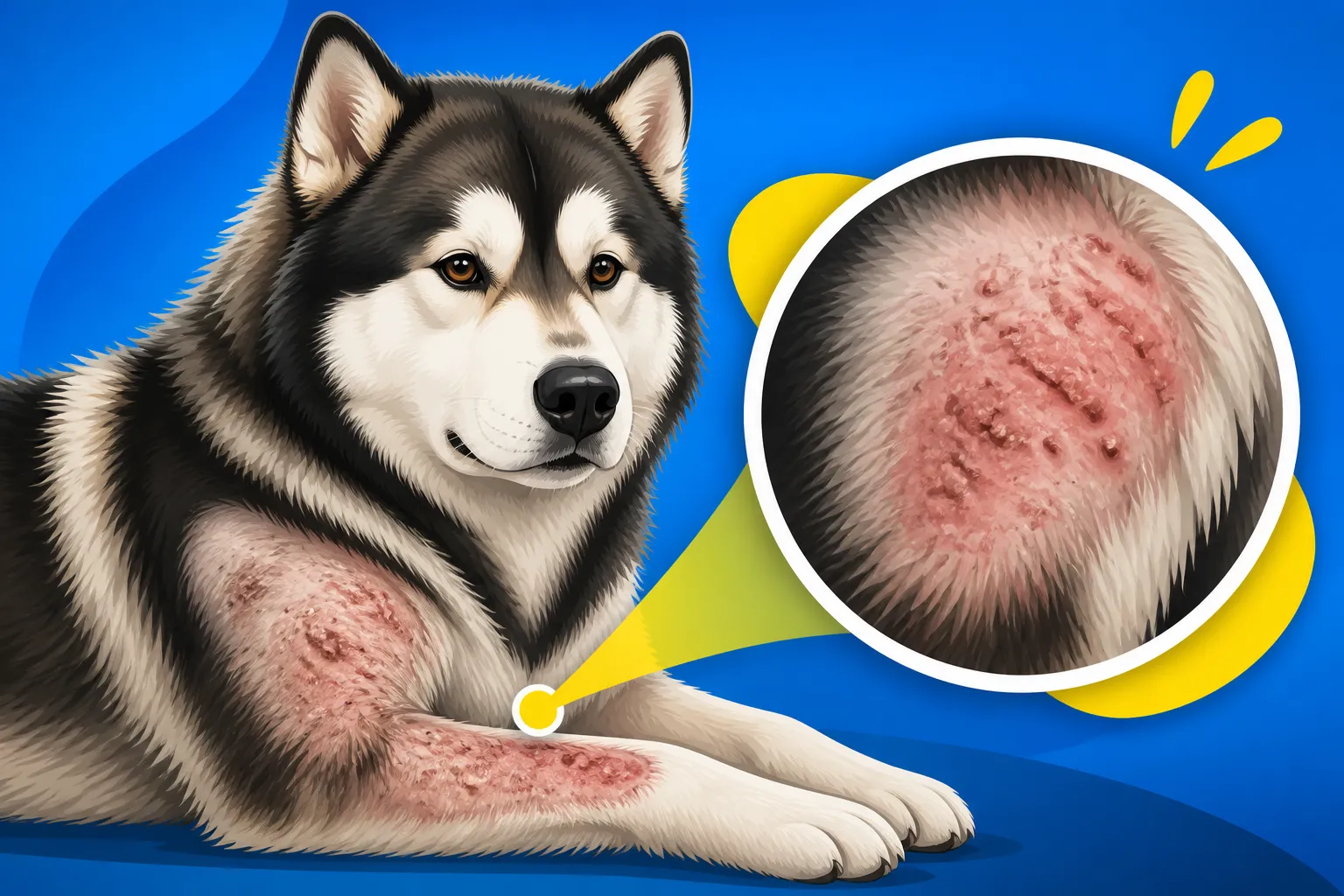
The facial area is almost always one of the first and most prominent sites for ZRD lesions. You’ll start to see a distinct pattern of crusts, thick scales, and hair loss developing around the eyes, giving them what many describe as a “spectacle” appearance. The skin here becomes reddened and thickened, almost leathery, with dry, crumbly crusts that might flake off easily. This isn’t just simple dryness; it’s a severe inflammatory response.
Beyond the eyes, the muzzle and ears are also heavily affected. The skin on the bridge of the nose, around the nostrils, and on the lips can become crusty and scaly. You might observe Whether a Malamute's Muzzle Crusts First and see these lesions progressing to involve the entire muzzle area. The edges of the ears, particularly the pinnae (the floppy parts), will also develop thick, greyish-white scales and crusts, often accompanied by significant hair loss, sometimes leaving the skin raw and sensitive underneath. This specific distribution of lesions is a hallmark of ZRD in Alaskan Malamutes.
Changes to Pressure Points and Paw Pads
Another tell-tale sign of ZRD in Alaskan Malamutes involves areas of the body that bear weight or experience friction, often referred to as pressure points. The skin over the elbows, hocks (the joint above the back paw), and even the stifle (knee) can become thickened, hardened, and lose hair. These areas might feel rough to the touch and develop prominent scales or crusts, similar to those seen on the face.
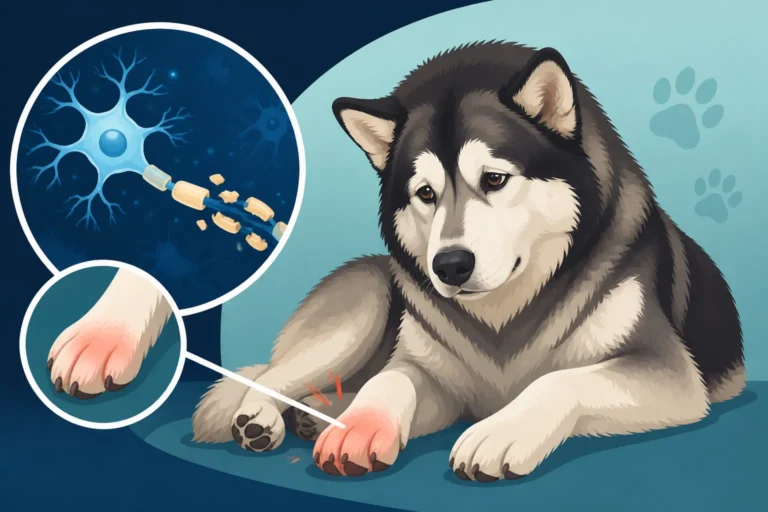
The paw pads are also commonly affected, and this can be particularly painful for your Malamute, especially if they are an active dog. You might notice Whether a Malamute's Paw Pads Thicken, becoming hyperkeratotic – meaning they get abnormally thick, hard, and dry. This thickening can lead to painful cracking, making walking uncomfortable or even causing lameness. These cracked pads are also susceptible to secondary infections, adding another layer of discomfort. The combination of facial lesions and thickened, cracked paw pads is a strong indicator of ZRD.
Genital and Perianal Region Manifestations
While perhaps less commonly discussed, the genital and perianal regions are also vulnerable to the characteristic skin changes of Zinc Responsive Dermatosis. These sensitive areas can develop redness, scaling, and crusting, which can be quite irritating and uncomfortable for your Malamute. The skin might appear inflamed and can be a source of constant licking or scooting behavior as your dog tries to alleviate the itchiness.
In male Malamutes, this might involve the prepuce, while in females, the vulvar area can show signs of irritation and scaling. The skin around the anus can also become affected, appearing dry, flaky, and sometimes reddened. Because of their sensitive nature, these areas are particularly prone to developing secondary bacterial or yeast infections due to the compromised skin barrier and constant self-trauma from licking. It's a good reminder that when examining your Malamute for skin issues, a full body check, even in these less visible areas, is essential.
Secondary Complications and Advanced Stages
Left unaddressed, Zinc Responsive Dermatosis doesn’t just stay a skin problem. The primary lesions create a gateway for other issues, turning a manageable condition into a more complex health challenge for your Alaskan Malamute. It’s when these secondary complications arise that the dog’s discomfort often escalates significantly, demanding urgent veterinary attention.
Bacterial and Yeast Infections
One of the most common and frustrating secondary complications of ZRD is the development of bacterial and yeast infections. The crusts, scales, and compromised skin barrier caused by the zinc deficiency create a perfect breeding ground for opportunistic microbes that are normally kept in check on healthy skin. These secondary infections exacerbate the inflammation and itching, making your Malamute even more miserable.
You might notice an unpleasant odor emanating from the affected areas, alongside increased redness, swelling, and possibly a greasy discharge or even pus. Your dog will likely scratch, lick, and chew at these spots relentlessly, sometimes to the point of self-mutilation. This vicious cycle of itching and scratching only further damages the skin, making it harder for it to heal. It’s vital to understand Whether a Malamute's Skin Infections Are Secondary to the underlying zinc issue, as treating the infection alone without addressing the ZRD will only lead to temporary relief and recurrence.
General Systemic Effects Beyond Skin
While ZRD is primarily a dermatological condition, in severe or prolonged cases, the chronic inflammation and discomfort can lead to more general systemic effects. Your Malamute might become lethargic, losing some of their characteristic energy and enthusiasm for walks or play. Their appetite might decrease, or they might seem generally unwell, reflecting the toll that persistent illness takes on any animal.
The crucial role of zinc in immune function also means that Malamutes with severe ZRD can become more susceptible to other infections, not just on the skin. Their overall immune response might be suppressed, making them more vulnerable to various illnesses. This highlights the interconnectedness of bodily systems and reinforces the fact that ZRD is more than skin deep. When addressing Zinc Is the Thread Running Through Three Malamute Diseases, it becomes clear that zinc's importance extends far beyond just healthy fur and skin, affecting overall vitality and resilience. These broader impacts underscore why timely and accurate diagnosis, followed by consistent treatment, is so important for the long-term well-being of your Malamute.
Differentiating ZRD from Other Skin Conditions
One of the trickiest parts of dealing with skin issues in Malamutes is that many conditions can present with similar symptoms. It’s easy to jump to conclusions, but a proper diagnosis is absolutely crucial for effective treatment. Zinc Responsive Dermatosis often mimics other dermatological problems, making a veterinarian’s expertise invaluable.
Allergic Reactions and Environmental Irritants
Many of the early signs of ZRD, such as redness, itching, and flaking, can look remarkably like allergic reactions. Whether it’s a food allergy, environmental allergens like pollen, or contact dermatitis from something in their environment, allergies are a common cause of skin irritation in dogs. You might see similar scratching and localized inflammation, making it hard to tell the difference.
However, there are often subtle distinctions. Allergic reactions tend to be intensely itchy from the outset, sometimes without the same level of crusting or the distinctive thickening of paw pads seen with ZRD. Allergies might also come and go with exposure to the allergen, whereas ZRD symptoms tend to be more persistent and progressive. While Whether an Alaskan Malamute Gets Skin Allergies is a valid concern, the specific pattern of ZRD lesions—especially around the eyes, muzzle, ears, and pressure points—can help differentiate it from more generalized allergic responses. A veterinary dermatologist will consider the distribution, type of lesion, and your dog's breed predisposition to narrow down the possibilities.
Hypothyroidism and Other Hormonal Issues
Another condition that can cause similar non-specific skin changes is hypothyroidism, where the thyroid gland doesn’t produce enough hormones. Symptoms like a dull coat, hair loss (alopecia), and thickened skin can overlap with ZRD. It’s easy for owners, and even some vets, to initially mistake these conditions, which adds to the frustration and delay in getting the right treatment.
However, hypothyroidism often presents with other systemic signs like weight gain, lethargy, and an intolerance to cold, which aren't typical for ZRD. The pattern of hair loss in hypothyroidism also tends to be more symmetrical and often affects the flanks and tail first, rather than the specific facial and pressure point distribution of ZRD. This is why Whether a Malamute's Thyroid Disease Is Mistaken for Zinc Deficiency is a common question, and comprehensive blood work (including a full thyroid panel) is often necessary to rule out hormonal imbalances and confirm the underlying cause of your Malamute's skin issues.
| Feature | Zinc Responsive Dermatosis (ZRD) | Allergic Reactions | Hypothyroidism |
|---|---|---|---|
| Primary Lesions | Crusts, scales, hair loss, hyperkeratosis | Redness, itching, hives, papules | Symmetrical hair loss, dry/brittle coat, thickened skin |
| Key Locations | Muzzle, eyes, ears, pressure points (elbows, hocks), paw pads, genitals | Paws, flanks, belly, ears (generalized itching) | Flanks, tail, neck, symmetrical distribution |
| Itch Level | Moderate to severe, especially with secondary infection | Intense and immediate, often seasonal or triggered | Mild to moderate, secondary to dryness, less intense |
| Coat Appearance | Dull, brittle, sparse hair | Dull, sometimes greasy, secondary infections possible | Dull, dry, brittle, 'rat tail' appearance |
| Paw Pads | Often thickened, crusty, cracked (hyperkeratosis) | Red, itchy, often licked/chewed | Dry, sometimes thickened |
| Other Symptoms | Lethargy (severe cases), recurrent infections | Sneezing, eye discharge, gastrointestinal upset | Lethargy, weight gain, cold intolerance, mental dullness |
| Breed Predisposition | Alaskan Malamutes, Siberian Huskies, other northern breeds | Any breed, but some are more prone (e.g., Retrievers) | Golden Retrievers, Dobermans, Airedales, many large breeds |
| Diagnostic Test | Skin biopsy, response to zinc supplementation | Allergy testing (serum/intradermal), elimination diet | Thyroid hormone blood panel (T4, fT4, TSH) |
The Importance of Veterinary Diagnosis and Early Intervention
When you notice persistent or worsening skin issues in your Malamute, the most crucial step is to involve your veterinarian. Attempting to self-diagnose or treat can lead to prolonged discomfort for your dog and potentially worsen their condition. Early and accurate diagnosis is key to effectively managing Zinc Responsive Dermatosis.
The Diagnostic Process
Diagnosing ZRD isn’t always a straightforward “one-test-and-done” scenario. Your veterinarian will start with a thorough physical examination, paying close attention to the characteristic distribution of lesions on your Malamute’s face, ears, pressure points, and paw pads. They’ll also take a detailed history, asking about diet, lifestyle, and the progression of symptoms. It’s often helpful to mention that Malamutes are genetically predisposed to this, as not all vets may immediately consider it.
To confirm ZRD and rule out other conditions like allergies or hypothyroidism, your vet might recommend several tests. Skin biopsies are a common and effective diagnostic tool; a pathologist will examine the tissue samples under a microscope for specific cellular changes indicative of ZRD. Blood tests might be performed to check for other systemic issues, and sometimes, a therapeutic trial of zinc supplementation is initiated. If the dog responds positively to zinc, with a significant improvement in skin condition, it strongly supports a ZRD diagnosis. Remember, this is a process, and patience is important for getting it right.
Managing ZRD for a Healthy Life
Once Zinc Responsive Dermatosis is definitively diagnosed, the good news is that it is typically manageable, though it often requires lifelong commitment. The cornerstone of treatment is usually long-term zinc supplementation. This isn’t just about adding a general multivitamin; it often involves specific forms of zinc (like zinc methionine or zinc sulfate) and dosages tailored to your individual Malamute’s needs. `How a Malamute’s Zinc Deficiency Is Treated` is a nuanced process that your vet will guide you through, often requiring adjustments to find the optimal balance.
Dietary considerations also play a role. While ZRD is often about poor absorption rather than dietary deficiency, ensuring a well-balanced diet and avoiding ingredients that can block zinc absorption, such as high levels of calcium or phytates found in some grains, can be beneficial. Many Malamute owners find that once they establish a consistent supplementation routine, their dog's skin clears up remarkably, and they can live a comfortable life. It's truly a testament to consistency, as Whether a Malamute Needs Zinc for Life is almost always answered with a resounding "yes." While ongoing care can add up, especially for chronic conditions like ZRD, many owners find peace of mind with pet insurance providers like Healthy Paws, who often cover diagnostic tests and long-term medications, making consistent treatment more manageable. Understanding What Zinc Supplementation Costs Over a Malamute's Life can help owners plan ahead and budget for this essential, ongoing aspect of their dog's care.
Disclaimer
Please remember that the information provided in this guide is intended for educational purposes only and should not be considered a substitute for professional veterinary advice. Always consult with a qualified veterinarian for any health concerns or before making any decisions about your pet’s medical care.