Whether Dwarf Malamutes Are Sold as Miniatures
It's incredibly disheartening when you're searching for a beloved Alaskan Malamute puppy, full of excitement, only to encounter listings for "miniature" versions. This trend often leaves potential owners confused, wondering if there's a smaller, distinct Malamute type, or if they're stumbling into something less reputable. This guide will meticulously break down the reality behind these "miniature" claims, specifically addressing the genetic condition known as chondrodysplasia, or dwarfism, in Alaskan Malamutes, and how it tragically gets misrepresented in the market.
Understanding Alaskan Malamute Dwarfism
Let's cut right to the chase: there is no recognized "miniature Alaskan Malamute" breed. What you're often seeing marketed as such are actually Malamutes affected by a genetic condition called chondrodysplasia, which results in disproportionate dwarfism. This isn't just about a smaller size; it's a significant health concern that impacts their bone development and overall well-being.
The Genetics Behind Chondrodysplasia
Chondrodysplasia in Alaskan Malamutes is an inherited, recessive genetic disorder. This means that a puppy must inherit two copies of the defective gene—one from each parent—to be affected by the condition. If a dog inherits only one copy, it's considered a carrier; it won't show symptoms itself but can pass the gene on to its offspring. This genetic quirk makes it tricky because two seemingly healthy Malamutes (both carriers) can produce affected dwarf puppies.
The condition primarily affects the growth plates in long bones, particularly in the legs. Instead of developing normally, the cartilage in these growth plates fails to mature and ossify (turn into bone) correctly. This leads to bones that are shorter and thicker than they should be, giving the dog its characteristic "dwarf" appearance. While all puppies look relatively similar at birth, the signs of dwarfism become noticeable as the affected pup begins to grow, usually becoming quite apparent around 4-8 weeks of age when their legs don't lengthen at the same rate as their siblings. To truly understand the full scope, it’s helpful to know What Chondrodysplasia Does to an Alaskan Malamute.
Physical Characteristics of a Dwarf Malamute
A dwarf Malamute often presents with a distinctive appearance that sets them apart from their normally sized littermates. While their body might develop somewhat typically in length and girth, their legs remain markedly short. Imagine a standard Malamute's robust body placed on legs that seem too stocky and stubby for its frame. Their long bones are noticeably thickened and abbreviated, leading to a somewhat squat posture.
Specifically, you'll often see disproportionately short forelegs, which can sometimes appear bowed or curved, giving them a somewhat awkward gait. Their paws might also appear larger in proportion to their legs. Their heads and bodies might develop to a more typical Malamute size, creating a stark contrast with their limbs. This isn't just a minor variation in height; it's a significant structural difference. For a deeper dive into their appearance, you might want to read about How Short a Dwarf Malamute's Legs Stay. These dogs typically weigh less than their standard counterparts, not because they are inherently smaller overall, but because their skeletal structure is compromised.
Health Implications Beyond Stature
Sadly, the impact of chondrodysplasia goes far beyond just appearance. This isn't simply a case of having shorter legs; it's a condition that often brings with it a host of health challenges that can affect a dwarf Malamute's quality of life. Owners of these dogs need to be prepared for potential long-term veterinary care and management.
One of the most common issues involves joint problems. The abnormal bone development can lead to increased stress on joints, making them more prone to conditions like arthritis, hip dysplasia, and elbow dysplasia at a younger age. This can result in chronic pain, lameness, and reduced mobility. They might struggle with stairs, jumping, or even prolonged walks. In severe cases, surgical interventions might be considered, but often management involves pain medication, physical therapy, and careful exercise regulation.
Additionally, some dwarf Malamutes have been observed to suffer from anemia, a condition where the blood lacks enough healthy red blood cells to carry adequate oxygen to the body's tissues. This can lead to fatigue, weakness, and other systemic issues. While not all dwarf Malamutes experience this, it's a recognized potential complication. Understanding the specifics of this aspect can be found in resources like Whether a Dwarf Malamute Is Anemic. The challenges they face require attentive veterinary care and a dedicated owner to ensure they live as comfortably as possible.
The Misleading Market for "Miniature" Alaskan Malamutes
The emergence of "miniature" Alaskan Malamutes in advertisements is a concerning trend, preying on people's desire for a smaller version of a beloved breed without understanding the genetic realities. This isn't a deliberate breeding effort to create a new, healthy variety; it's almost always a misrepresentation of dogs with a serious inherited condition.
The Lure of the "Miniature" Label
In a world where smaller versions of popular breeds are increasingly sought after – think "miniature" Poodles or "toy" breeds – the idea of a "miniature" Alaskan Malamute can seem appealing. Many people adore the Malamute's majestic appearance, loyal temperament, and expressive nature, but find their substantial size and energy requirements a bit daunting for their living situation or lifestyle. A "miniature" version might seem like the perfect compromise, offering the Malamute charm in a more manageable package.
Unfortunately, this desire for a smaller size opens the door for unscrupulous breeders to capitalize on genuine demand. They know that the "miniature" label can fetch a higher price or help them sell puppies that would otherwise be considered "defective" if their true genetic status were disclosed. This isn't about ethically breeding for a specific, healthy trait; it's about marketing a genetic fault as a desirable feature, often at the expense of the dog's long-term health and the unsuspecting buyer's emotional and financial well-being. It's crucial to understand that Whether a Miniature Alaskan Malamute Is a Real Thing is a question with a clear, and often disappointing, answer.
How Dwarf Malamutes End Up Labeled "Miniature"
This is where the real deception lies. Instead of being transparent about a puppy's chondrodysplasia diagnosis, some breeders will deliberately market these affected Malamute puppies as "miniature" or "teacup" Alaskan Malamutes. They leverage the general public's lack of knowledge about canine genetics and breed standards. A potential buyer, seeing a smaller puppy and hearing the "miniature" label, might genuinely believe they are getting a rare or specially bred version of the Malamute.
These breeders might avoid genetic testing, or if they do test, they might simply ignore or conceal the results that identify carriers or affected puppies. They might make vague claims about unique bloodlines or smaller parentage, distracting from the true cause of the puppy's size. The sad reality is that affected dwarf Malamutes are often "sold as miniatures" to bypass the stigma and reduced value associated with a known genetic disorder, instead presenting it as a desirable, designer trait. This practice is deeply unethical and puts both the puppies and their future families at a severe disadvantage. Without proper disclosure, new owners are unprepared for the significant health challenges and financial burdens that can accompany dwarfism.
Ethical Concerns and Buyer Beware
The practice of selling dwarf Malamutes as "miniatures" is rife with ethical issues. It prioritizes profit over animal welfare, knowingly placing dogs with potential lifelong health problems into unsuspecting homes. This often leads to heartbreak and significant financial strain for families who suddenly find themselves facing costly medical bills for conditions they were never informed about. It also perpetuates the cycle of unhealthy breeding practices by rewarding those who engage in deception.
As a potential buyer, you absolutely must exercise extreme caution. If you encounter any breeder advertising "miniature Alaskan Malamutes," consider it an immediate red flag. A reputable breeder would never use such terms because they understand the breed standard and the health implications of dwarfism. Instead, they would be transparent about any genetic conditions in their lines and actively work to breed them out. Always insist on seeing health clearances for the parent dogs, including DNA test results for chondrodysplasia carriers. Don't be afraid to ask probing questions about the lineage, health history, and typical growth of their puppies. Remember, your vigilance protects both you and the welfare of these magnificent dogs.
Protecting Yourself and Finding a Healthy Malamute
Bringing an Alaskan Malamute into your home is a huge commitment, and you want to ensure you're starting with a healthy companion. The best defense against falling victim to deceptive practices is to educate yourself and be incredibly diligent in your search for a reputable breeder.
The Importance of Reputable Breeders
Finding a truly reputable breeder is paramount when seeking a healthy Alaskan Malamute. These aren't people looking to make a quick buck; they are dedicated preservationists of the breed, prioritizing health, temperament, and adherence to the breed standard. A responsible breeder will be intensely knowledgeable about the breed's genetics, potential health concerns, and the importance of screening.
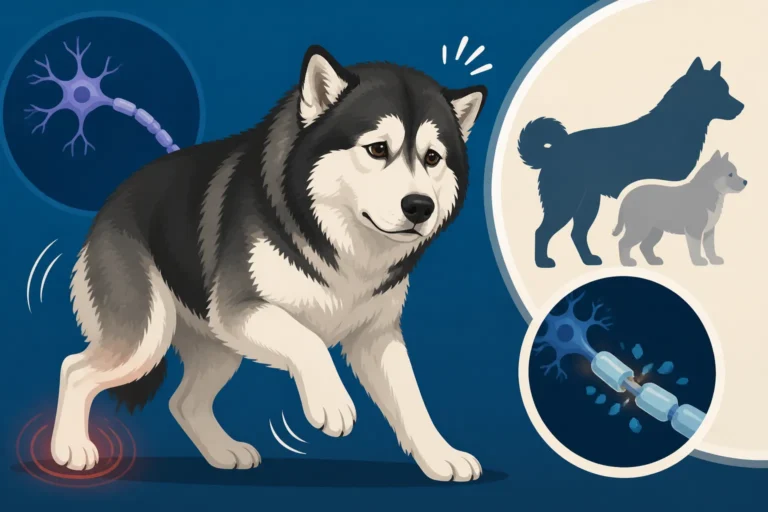
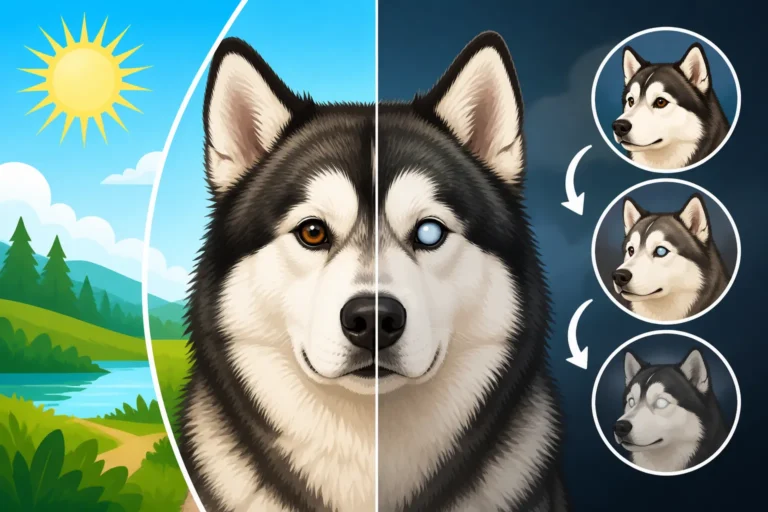
What should you look for? First, they will conduct extensive health testing on their breeding dogs. This includes DNA tests for genetic conditions prevalent in Malamutes, such as inherited polyneuropathy, which you can learn more about by searching for The DNA Test That Finds Malamute Polyneuropathy, and day blindness, details of which are often tied to The CNGB3 Test for Malamute Day Blindness. Importantly for our discussion, they will test for chondrodysplasia (dwarfism) to ensure they are not breeding carriers together. They also typically certify hips and elbows through organizations like the Orthopedic Foundation for Animals (OFA) to check for conditions like hip and elbow dysplasia; understanding What Hip Certification Adds to a Freight Bred Malamute's Price is valuable.
A reputable breeder will be transparent with these results, showing you physical copies or official online listings. They'll also welcome questions, invite you to their facility to meet the parent dogs, and have a clear contract outlining health guarantees and responsibilities. They should also be members of national or regional breed clubs, adhering to their codes of ethics.
Asking the Right Questions
When you're speaking with a potential breeder, don't be shy. This is a significant investment of time, money, and emotion, so you have every right to ask thorough questions. Start by inquiring about the health history of both parent dogs and their lineage. Ask specifically if they test for chondrodysplasia (dwarfism) and if they can show you the DNA test results for the parents. A good breeder will be proud to share these.
Beyond genetic tests, ask about OFA certifications for hips and elbows. Inquire about the puppy's temperament, how they are socialized, and what veterinary care they've received (vaccinations, deworming). Ask about their return policy or rehoming assistance if circumstances change. A breeder should also be asking you plenty of questions to ensure their puppy is going to a suitable home. Remember, you want to ensure Whether a Malamute Buyer Can See the Breeder's Results for all relevant health clearances. If a breeder avoids these questions, becomes defensive, or can't produce documentation, it’s a clear sign to walk away.
Understanding Health Guarantees and Insurance
Even with the most reputable breeders and thorough health testing, a living creature is never 100% guaranteed against all ailments. However, a responsible breeder will offer a health guarantee, typically covering inherited conditions for a specific period (e.g., one to two years). It’s important to read this contract carefully, understanding what conditions are covered and what remedies are offered (e.g., refund, replacement puppy). While a health guarantee is valuable, it often comes with limitations and might not cover the full cost of extensive veterinary treatment. For example, understanding Whether a Malamute Health Guarantee Covers Polyneuropathy can provide insight into the specific conditions typically addressed.
This is where pet insurance becomes a critical safety net. Companies like Healthy Paws offer comprehensive coverage that can help mitigate the financial burden of unexpected illnesses or accidents throughout your Malamute's life, including some hereditary conditions if they're not pre-existing. While a dwarf Malamute's pre-existing conditions related to dwarfism might not be covered, having Healthy Paws can still provide peace of mind for other health issues that may arise. Investing in pet insurance from an early age, ideally before any conditions manifest, ensures you're prepared for whatever your Malamute might encounter, allowing you to focus on their well-being rather than mounting vet bills.
Living with a Dwarf Malamute (If Acquired)
If, despite all precautions, you find yourself with a dwarf Malamute, or if you intentionally adopt one from a rescue, understanding their unique needs is crucial for providing them with a happy and healthy life. These dogs can still thrive with the right care and environment.
Managing Mobility and Joint Health
One of the biggest concerns for dwarf Malamutes is their joint health. Their abnormally formed bones and joints are prone to degenerative joint disease, arthritis, and other orthopedic issues much earlier than typical Malamutes. Therefore, proactive management is key. Maintaining a lean body weight is absolutely vital; even a few extra pounds can put immense strain on compromised joints. Regular, moderate exercise is important to keep muscles strong and support joints, but it must be tailored to their capabilities, avoiding high-impact activities like prolonged jumping or running on hard surfaces.
Many dwarf Malamutes benefit significantly from joint supplements containing ingredients like glucosamine, chondroitin, and MSM. These can help support cartilage health and reduce inflammation. Your veterinarian might also recommend specific pain management strategies, including NSAIDs or other medications, especially as they age. Water therapy or swimming can be excellent low-impact exercise options that strengthen muscles without stressing joints. For more general advice on supporting joint health, you can explore resources like Joint Supplements for an Alaskan Malamute.
Adapting the Home Environment
Their shorter stature and potential mobility limitations mean that a dwarf Malamute's home environment might need some adjustments to ensure their comfort and safety. Ramps, rather than stairs, can be incredibly helpful for accessing elevated areas like furniture or cars, reducing strain on their joints. Consider elevated food and water bowls to prevent them from stooping too low, which can be uncomfortable for their neck and spine.
Ensure their sleeping areas are soft, supportive, and easily accessible. Orthopedic beds can provide extra cushioning and alleviate pressure points. If they struggle with slick floors, consider placing rugs or runners to provide better traction, preventing slips and falls that could exacerbate joint issues. Making these simple modifications can significantly improve their daily quality of life and reduce the risk of injury. Thinking about their entire lifespan, like The Ten to Fourteen Years an Alaskan Malamute Lives, highlights the importance of these long-term adaptations.
Quality of Life and Veterinary Care
Ultimately, ensuring a good quality of life for a dwarf Malamute means committing to consistent, attentive veterinary care. Regular check-ups will allow your vet to monitor their joint health, assess for pain, and address any other health concerns promptly. This might include periodic X-rays to track the progression of arthritis or other orthopedic issues. Open communication with your vet about their mobility, comfort levels, and any changes in behavior is essential.
While dwarfism presents challenges, many affected Malamutes can lead fulfilling lives with proper care. It requires dedication, understanding, and a willingness to adapt. Just as you would care for an older Malamute with age-related mobility issues, like discussed in Caring for an Alaskan Malamute Past Eight, a dwarf Malamute often requires a similar level of consideration from a younger age. Having pet insurance, such as Healthy Paws, can be incredibly beneficial here, helping to manage the ongoing costs associated with specialized veterinary care, medications, and therapeutic interventions, ensuring you can always provide the best possible care without added financial stress.
Comparison: Standard vs. Dwarf Alaskan Malamute
To help visualize the differences, here's a comparative look at a typical standard Alaskan Malamute versus one affected by chondrodysplasia (dwarfism).
| Feature | Standard Alaskan Malamute | Dwarf Alaskan Malamute (Chondrodysplasia) |
|---|---|---|
| Size/Proportion | Large, powerful, well-proportioned body with strong, long legs | Normal body length/girth, but disproportionately short, thick, and sometimes bowed legs |
| Height | Males: 25 inches; Females: 23 inches (at shoulder) | Significantly shorter than breed standard |
| Weight | Males: 85 lbs; Females: 75 lbs (average) | Can be lighter due to shorter bones, but body mass might be similar |
| Leg Bones | Long, straight, strong | Short, thick, often bowed or curved, especially in front |
| Gait/Movement | Powerful, effortless, long-striding | Often awkward, shuffling, stiff, or hesitant; difficulty with stairs/jumps |
| Health | Predispositions to hip/elbow dysplasia, certain eye conditions, etc. (with good breeding) | Higher risk of severe early-onset arthritis, joint pain, mobility issues, potential anemia |
| Lifespan | 10-14 years (with good care) | Potentially shorter lifespan due to orthopedic complications; quality of life can be impacted |
| Breeding Status | Recognized by AKC and other kennel clubs; bred to standard | Not recognized as a breed variation; considered a genetic defect; ethical breeders actively test to prevent |
| Market Terminology | "Alaskan Malamute" | Often deceptively marketed as "Miniature Alaskan Malamute" or "Teacup Malamute" |
Disclaimer
The information provided in this article is for educational purposes only and should not be considered a substitute for professional veterinary advice. Always consult with a qualified veterinarian for any health concerns or before making any decisions about your pet's care.