Whether a Miniature Alaskan Malamute Is a Real Thing
It’s completely understandable why so many people find themselves scratching their heads and wondering about the possibility of a "miniature Alaskan Malamute." You see these gorgeous, majestic dogs, often romping through snow or with that distinctive Malamute smile, and a part of you just longs for one. But then the reality of their size, their incredible strength, and their sheer physical presence sets in, and perhaps you start wishing for a slightly smaller version to fit your living situation. This guide is here to cut through the confusion and explain exactly what’s behind the "miniature Malamute" label and whether such a thing truly exists.
The Allure of the "Miniature" Malamute and the Reality Check
We've all been there: scrolling through social media, a picture pops up of an adorable fluffy Malamute-like puppy, sometimes advertised with a tag that promises all the beauty in a more manageable package. The idea of a smaller Malamute is incredibly tempting for many, offering the appeal of the breed’s stunning looks and often its friendly demeanor without the sheer scale. But it’s crucial to understand that what you often see advertised isn't a true, recognized variant of the Alaskan Malamute.
The Desire for a Smaller Version of a Beloved Breed
There’s no denying the magnetic pull of the Alaskan Malamute. Their wolf-like appearance, their thick, plush coats, and their endearing "woo-woo" vocalizations capture hearts everywhere. However, their substantial size – often weighing between 75 to 85 pounds for females and 85 to 100 pounds for males, with some even larger – can be a significant hurdle for those living in smaller homes, city apartments, or simply those who aren't prepared for the sheer physical power of a dog bred to pull heavy freight across vast distances. This desire for a scaled-down version often stems from a genuine love for the breed's aesthetics and temperament, coupled with practical considerations about space, exercise requirements, and handling. People want the look without feeling overwhelmed, and it's a perfectly natural human response to try and find a compromise.
What the Official Breed Standard Says
Here's where we get to the heart of the matter: there is no official recognition for a "miniature Alaskan Malamute" in any reputable kennel club, including the American Kennel Club (AKC). The breed standard for the Alaskan Malamute is quite specific about size. It describes the ideal freighting Malamute as a dog of great power and endurance, with a sturdy build and heavy bone. The preferred freighting sizes are 25 inches at the shoulder and 85 pounds for males, and 23 inches at the shoulder and 75 pounds for females. While there's always a range, any dog significantly smaller than these specifications would not meet the breed standard and would certainly not be considered a "miniature" version of the breed. This isn't just about showing dogs; the standard defines the true characteristics and purpose of the breed. If you're looking for an Alaskan Malamute that is truly an Alaskan Malamute, it will be a substantial dog. Understanding What an Alaskan Malamute Actually Weighs and How Tall an Alaskan Malamute Stands is essential for prospective owners.
Unpacking the "Miniature" Label: Where Do These Dogs Come From?
So, if there's no official miniature Malamute, what exactly are people seeing when they encounter one advertised? The "miniature" label is usually applied to dogs that are either intentionally crossbred, affected by genetic conditions like dwarfism, or, unfortunately, are part of a misleading marketing scheme designed to capitalize on a popular trend. It's a Wild West out there, and buyers need to be incredibly savvy.
Crossbreeding and Designer Dogs
The most common explanation for a smaller Malamute-like dog is crossbreeding. In the world of "designer dogs," various breeds are mixed to achieve specific looks or traits, often with catchy, hyphenated names. A smaller Malamute-like dog might be a Malamute mixed with a smaller Spitz-type breed, such as a Pomeranian (creating a "Pomsky," for example, which is typically a Husky/Pomeranian mix but similar Malamute mixes exist), or even a Miniature Poodle. These mixes can indeed produce dogs that look like smaller Malamutes, retaining some of their fluffy coats and facial markings, but they are not purebred Alaskan Malamutes.
While these mixes can be wonderful dogs in their own right, it's crucial for prospective owners to understand that they are buying a mixed breed, not a miniature version of a purebred. Their temperament, health predispositions, and full grown size can be much less predictable than with a purebred dog, as they inherit traits from two different gene pools. This isn't inherently bad, but it means you're not getting a "miniature Malamute" in terms of breed integrity or predictable characteristics.
Dwarfism and Health Concerns
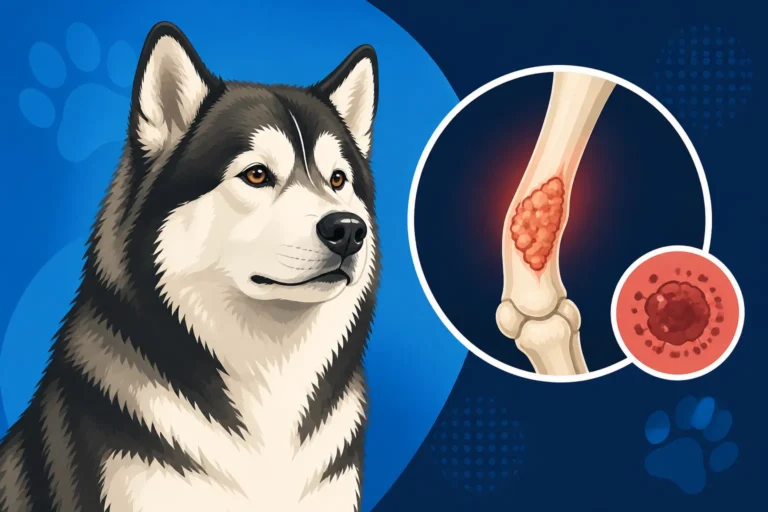
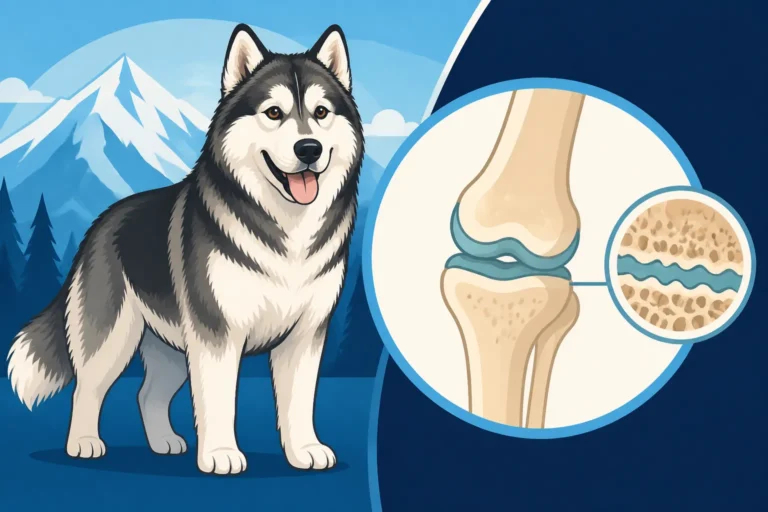
Another, far more concerning, reason for a small Malamute is a genetic condition called chondrodysplasia, which is a form of dwarfism. This is a serious inherited disorder that affects bone and cartilage development, leading to abnormally short limbs. In Alaskan Malamutes, it's sometimes referred to as "Malamute Dwarfism." While a puppy affected by this condition will indeed be smaller, it's not a healthy or desirable trait. It's a genetic disease.
Puppies with chondrodysplasia might appear relatively normal at birth, but their legs will soon fall behind in growth. You might notice that Whether a Dwarf Malamute Puppy Looks Normal at Birth is a common question, but by a few weeks old, their shorter, sometimes bowed legs become apparent. These dogs often have other health issues associated with their skeletal deformities, and their quality of life can be significantly impacted. It's definitely not a "miniature" version of the breed to be sought after; it's a condition that ethical breeders actively test for and try to eliminate from their lines. For more information, you can read about What Chondrodysplasia Does to an Alaskan Malamute, and The Age Malamute Dwarfism Becomes Visible. The cost of caring for a dog with such conditions can be substantial, making reliable pet insurance providers like Healthy Paws incredibly valuable for unexpected veterinary bills.
Scammers and Misleading Advertising
Sadly, the demand for unique or "miniature" versions of popular breeds also attracts unscrupulous breeders and scammers. These individuals might intentionally misrepresent a mixed-breed puppy as a "miniature purebred" to fetch a higher price. They might even lie about the puppy's age, selling a very young, underfed standard Malamute puppy as an older, smaller "miniature." This kind of deceptive practice often results in heartbreak for the buyer, who ends up with a dog that grows much larger than anticipated or suffers from significant health problems due to poor breeding and care.
Always be wary of terms like "teacup," "toy," or "miniature" when applied to breeds that are naturally large. These labels are red flags indicating either a crossbreed, a health issue, or a scam. Responsible breeders of Alaskan Malamutes focus on health, temperament, and adherence to the breed standard, not on creating novel, unofficial variants.
The True Alaskan Malamute: Embracing Their Magnificent Stature
The Alaskan Malamute is a truly magnificent breed precisely because of its size, strength, and working heritage. To wish away these fundamental characteristics is to miss the essence of what makes a Malamute so special. They are built for a purpose, and that purpose requires their substantial build.
The Historical Purpose Behind Their Size
Alaskan Malamutes were bred by the Mahlemut people of Alaska for one primary purpose: to haul heavy loads over long distances in harsh Arctic conditions. This was freighting, not racing. Their substantial bone structure, powerful musculature, and dense double coat were all developed to withstand extreme cold and to pull heavy sleds laden with supplies, often for days on end. Their size is a direct reflection of this demanding job. A smaller, lighter dog would simply not have been able to perform the strenuous work required for survival in the Arctic. Their history is one of resilience and strength, and their physical attributes are integral to that story. They weren't bred for speed, but for raw power and endurance, a key difference from other sled dogs.
The Importance of a Reputable Breeder
If you're truly set on bringing an Alaskan Malamute into your life, finding a reputable breeder is paramount. An ethical breeder will prioritize the health and temperament of their dogs above all else. They will be transparent about the lineage of their puppies, provide health clearances for the parents – often including testing for inherited diseases like chondrodysplasia – and adhere closely to the breed standard. They will never advertise "miniature" Malamutes because they know such a thing doesn't exist within the purebred standard.
A good breeder will welcome questions, allow you to meet the puppy's parents, and provide a contract that outlines health guarantees. They will also be a valuable resource for you throughout your dog's life. Always ask about The Health Tests Both Alaskan Malamute Parents Should Have. Be very cautious of anyone selling puppies without proper health testing or registration, especially if they are marketing "rare" or "miniature" versions of the breed. Buying an untested litter, as discussed in Whether an Untested Alaskan Malamute Litter Is Worth Buying, can lead to unexpected health challenges and significant vet bills down the line.
Managing a Full-Sized Malamute in Smaller Spaces
It's true that a full-sized Alaskan Malamute takes up a lot of space, both physically and in terms of their needs. They are not ideal apartment dwellers unless their owners are incredibly committed to providing extensive daily exercise and mental stimulation. However, "smaller spaces" don't always mean "impossible." A Malamute living in an apartment with a dedicated owner who takes them on long hikes, provides mental games, and offers plenty of structured outdoor time can be happier than a Malamute with a huge yard but no interaction.
The key is meeting their needs, which are substantial. They require significant exercise, not just a quick walk around the block. They also need proper training and socialization from a young age to manage their independence and strength. If you're considering a Malamute in a smaller space, be realistic about the time and effort you'll need to invest. Consider long-term care; even with excellent care, a dog of this size will incur vet costs, and a good insurance plan like Healthy Paws can ease the burden of unforeseen medical expenses.
Making an Informed Decision: Is a "Miniature" Malamute Right for You?
When faced with the choice, it’s essential to evaluate your motivations and consider the realities of what you might be getting. Are you truly prepared for the potential unknowns that come with a mixed breed or a dog with a genetic condition?
Health Implications to Consider
If the "miniature" Malamute you're considering is a result of dwarfism, the health implications are serious and lifelong. Dogs with chondrodysplasia often suffer from joint pain, arthritis, spinal issues, and other complications that can significantly impact their mobility and overall well-being. These conditions require ongoing veterinary care, pain management, and sometimes even surgery. This means not only a reduced quality of life for the dog but also substantial financial and emotional strain on the owner.
For mixed breeds, while they may be healthier than a dog with dwarfism, you still face a wider range of potential health issues. Without knowing the exact genetic makeup and health history of both parent breeds, predicting long-term health can be a guessing game. This is why a reputable breeder and thorough health screening are so important, regardless of the size or breed. Pet insurance, such as that offered by Healthy Paws, can be a lifesaver when dealing with unexpected medical issues in any dog, but especially when dealing with the increased unknowns of a mixed breed or a dog with a congenital condition. Whether a Dwarf Malamute Lives a Normal Span, for example, is a critical consideration for anyone looking at smaller Malamute-like dogs.
Temperament and Behavioral Expectations
A true Alaskan Malamute, regardless of its size within the standard, comes with a specific set of temperament traits honed over centuries. They are intelligent, independent, strong-willed, and have a high prey drive. They are generally friendly with people but can be dominant with other dogs, especially those of the same sex. They are also vocal, known for their "woo-woos" and howling, rather than barking. Their exercise needs are immense, and they thrive on having a "job" to do, whether it's pulling a sled, hiking, or carrying a backpack.
If you opt for a mixed-breed "miniature" Malamute, you're essentially rolling the dice on these traits. Will it have the Malamute's independence or the smaller breed's biddability? Will it howl or bark? Will it have the intense prey drive of a Malamute or be more relaxed around small animals? There's no guarantee, and the combination of traits can be unpredictable. A responsible breeder aims for consistency in temperament, something that is lost when casually mixing breeds for size or appearance. For instance, sometimes a "miniature" Malamute is simply a Siberian Husky puppy being misrepresented. Understanding the nuances between The Alaskan Malamute Against the Siberian Husky is vital, as their temperaments, while similar, also have distinct differences.
Exploring Alternatives
If the size and needs of a purebred Alaskan Malamute genuinely exceed what you can realistically offer, but you still love the look, consider exploring other options that might be a better fit.
Smaller Nordic Breeds: Breeds like the Norwegian Elkhound or the Finnish Spitz offer a distinct Nordic aesthetic and temperament but in a more compact package. They still have strong personalities and exercise needs but are generally smaller and more manageable than a Malamute.
Malamute Rescues: Many Alaskan Malamutes end up in rescues because their owners weren't prepared for their size, strength, or specific needs. Adopting an adult Malamute from a rescue can be a wonderful option. Rescues often have a thorough understanding of each dog's personality and needs, allowing them to match you with a dog that truly suits your lifestyle. An adult dog, while still having its needs, might be past the most destructive puppy phase that is common for Malamutes, as discussed in What a Malamute Destroys Before It Turns Two.
Other Breeds: Perhaps a different breed altogether, one known for a smaller size but a similar fluffy coat or friendly disposition, would be a better choice. Don't fall for marketing gimmicks; research breeds thoroughly to find one that truly aligns with your lifestyle and expectations, rather than trying to force a square peg into a round hole.
| Feature | True Alaskan Malamute | "Miniature" Malamute (Mixed Breed) | "Miniature" Malamute (Dwarfism) |
|---|---|---|---|
| Official Recognition | Yes, by AKC, FCI, etc. | No | No (considered a health defect) |
| Typical Size | 75-100+ lbs, 23-25+ inches tall | Highly variable, generally smaller than standard | Significantly smaller due to skeletal deformities |
| Temperament Predictability | High, characteristic Malamute traits | Variable, mix of parent breeds | Can be similar to Malamute, but health issues impact |
| Health Predictability | Known breed predispositions (ethical breeders screen) | Wider range of potential issues from both parent breeds | Significant, lifelong skeletal & joint problems |
| Purpose | Freighting, endurance | Companion, designer pet | Companion, but with significant health management |
| Breeding Source | Reputable, ethical breeders | Often backyard breeders or puppy mills | Unethical breeders, or accidental from carriers |
| Cost | Higher initial pup cost from reputable breeder | Variable, often overpriced for "designer" status | Variable, potentially higher long-term vet costs |
Disclaimer
This article is for general informational purposes only and does not constitute professional advice. Laws, prices and regulations vary by location and change over time. Consult a qualified professional for guidance on your specific situation.