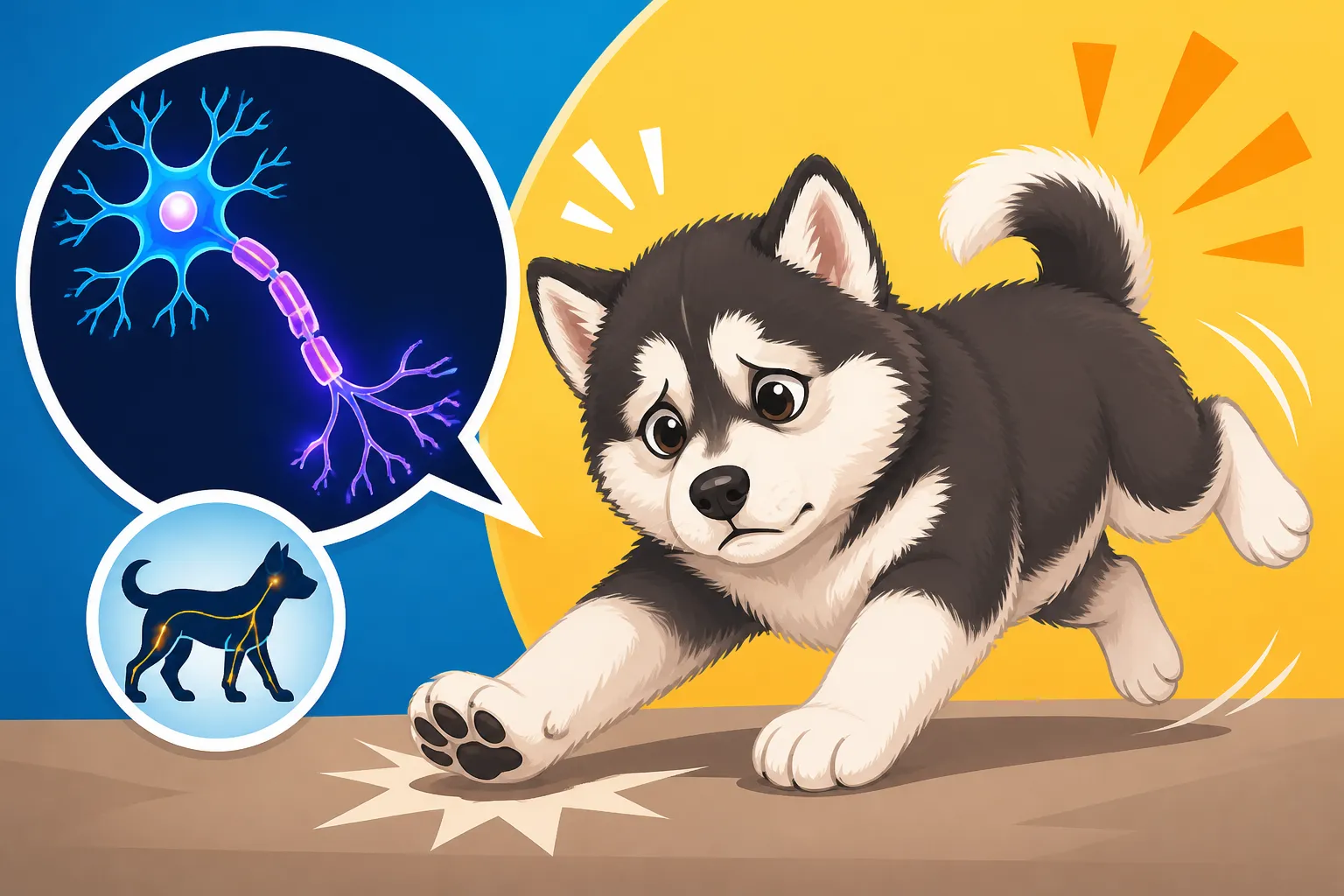
Whether a Polyneuropathy Malamute Puppy Trips Constantly
It's heartbreaking to see your Alaskan Malamute puppy stumble or trip more often than seems normal, and it naturally triggers a wave of worry about what might be going on. This guide is here to help you understand if that persistent clumsiness could be a sign of inherited polyneuropathy, a serious genetic condition affecting our beloved breed, and what steps you can take.
Understanding Inherited Polyneuropathy in Alaskan Malamutes
When you notice your energetic Malamute puppy, who should be bounding with joy and uncoordinated puppy enthusiasm, instead consistently tripping over their own paws, it’s a red flag that deserves attention. Inherited polyneuropathy is a devastating genetic disorder unique to Alaskan Malamutes, directly impacting the peripheral nervous system. This isn't just a simple case of clumsy puppy feet; it's a progressive degeneration of the nerves that transmit signals between the brain and the rest of the body. Think of it like the wiring in your house slowly corroding – the signals get weaker, distorted, or stop altogether, leading to a host of debilitating physical symptoms.
This condition is inherited, meaning it's passed down through specific genes from parents to offspring. For an Alaskan Malamute to develop polyneuropathy, they must inherit two copies of the affected gene – one from each parent. The cruel irony is that the parents themselves can be perfectly healthy carriers, showing no symptoms, yet capable of passing on the gene. This is why understanding the genetics is so crucial for breeders and prospective owners. Without proper screening, this silent gene can continue to cause immense suffering in successive generations. It’s a progressive disease, which means it generally gets worse over time, gradually stripping affected dogs of their mobility and independence.
What is Inherited Polyneuropathy?
At its core, inherited polyneuropathy in Alaskan Malamutes is a neuropathy, a disease of the nerves. Specifically, it affects the myelin sheath surrounding the nerve fibers – the protective insulation that allows nerve signals to travel quickly and efficiently. When this myelin breaks down, or when the axons (the main part of the nerve fiber) themselves degenerate, those vital messages from the brain to the muscles, and sensory information back to the brain, get disrupted. Imagine trying to send a text message with a constantly breaking signal; that's what's happening internally for a Malamute with polyneuropathy. The impact is widespread because peripheral nerves control everything from muscle movement and sensation to some involuntary bodily functions.
The disease typically targets the nerves in the limbs, leading to weakness and a lack of coordination, but it can also affect nerves in the larynx, causing voice changes, and even those controlling breathing. This isn't a condition that suddenly appears overnight in full force; it's a gradual decline. The subtle changes might be easy to miss in an active puppy, but as the degeneration progresses, the symptoms become impossible to ignore. It’s a cruel condition because it often strikes young dogs, just as they are entering the prime of their lives, and there is currently no cure, only supportive care to manage the symptoms. The goal for every Malamute owner and breeder is to prevent this disease from happening in the first place through diligent genetic testing.
How Symptoms Manifest in Puppies and Young Dogs
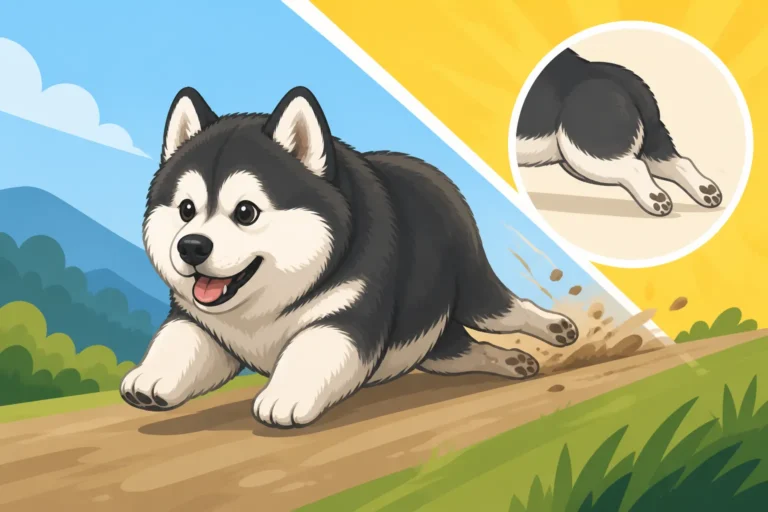
For a worried owner asking, "Whether a Polyneuropathy Malamute Puppy Trips Constantly," the answer is often a resounding yes. Tripping and stumbling are, unfortunately, some of the most common and earliest indicators that something is amiss. These puppies aren't just a bit clumsy; their legs simply don't respond with the strength and coordination that they should. You might observe a subtle awkwardness in their gait, almost like they're walking on stilts or struggling to place their paws correctly. They might drag their feet, especially the hind legs, and their nails might wear down unevenly from the constant scuffing against the ground.
As the disease progresses, this tripping becomes more pronounced and frequent. A puppy that once just seemed a little uncoordinated might start to fall over more regularly, particularly when turning, going up or down stairs, or trying to move quickly. The weakness in their limbs means they can't always recover their balance, leading to more dramatic tumbles. You might see a characteristic high-stepping gait as they try to compensate for the lack of proprioception – their body's awareness of where its limbs are in space. This is often followed by a noticeable muscle wasting, particularly in the hindquarters, making their legs appear thinner and weaker. Owners often report that the puppy seems to be "unraveling" before their eyes, losing strength and coordination steadily over several weeks or months. This worsening can be alarming, especially if you're not aware of the possibility of this genetic condition.
Recognizing the Signs: Beyond Just Tripping
While tripping is a significant red flag, polyneuropathy presents a mosaic of symptoms that collectively paint a clearer picture. It’s vital for Malamute owners to understand that this isn’t just a localized problem with the legs; it’s a systemic issue affecting various nerve functions. Paying close attention to subtle shifts in your dog’s behavior and physical capabilities can be crucial for early detection and intervention, even if that intervention is primarily focused on supportive care and maintaining comfort. Waiting too long might mean missing the window to understand the full scope of what's happening to your beloved companion.
The progression of inherited polyneuropathy can be insidious, starting with barely noticeable signs and gradually escalating to severe debilitation. Owners often describe a feeling of helplessness as they watch their once vibrant and strong Malamute slowly lose their abilities. This emphasizes the importance of understanding the full spectrum of symptoms, so you can act quickly and inform your veterinarian with accurate observations. Early identification, while not leading to a cure, can certainly lead to a better quality of life through management strategies and an understanding of the challenges ahead.
Early Indicators of Neurological Issues
Beyond the initial tripping, several other signs often emerge as inherited polyneuropathy takes its toll. One of the most heartbreaking for many owners is a change in their Malamute's voice. The powerful "woo" or howl that is so characteristic of the breed might become weaker, hoarse, or even completely disappear. This is due to the neuropathy affecting the nerves controlling the laryngeal muscles. Imagine your dog trying to communicate, but their voice just isn't there; it's a stark reminder of the widespread impact of this disease. This symptom, often detailed in articles like Why a Malamute's Bark Changes With Polyneuropathy, can be one of the more unique indicators.
As the muscle weakness progresses, you might also notice a gradual loss of muscle mass, particularly in the hindquarters and sometimes throughout the limbs. This muscle atrophy, highlighted in Whether a Polyneuropathy Malamute Loses Muscle, isn't just about looking thinner; it directly impacts their strength and ability to stand or get up. In more advanced stages, breathing difficulties can arise if the nerves controlling the diaphragm and other respiratory muscles are affected, which is a serious concern. This is a critical point that can lead to life-threatening complications, making it important to monitor for increased effort in breathing, especially after even mild exertion. Owners frequently report their dogs becoming more easily fatigued, unwilling to play or engage in activities they once loved. The general consensus is that Whether a Polyneuropathy Malamute Gets Worse is indeed true, as it's a progressive condition.
Differentiating Normal Puppy Clumsiness from Polyneuropathy
It's completely normal for puppies, especially large, gangly breeds like Alaskan Malamutes, to be clumsy. They're growing rapidly, their bodies are disproportionate, and they're still figuring out how to coordinate their powerful limbs. They might trip over their own feet, misjudge jumps, or barrel into furniture with enthusiastic abandon. This is part of the charm and challenge of raising a puppy, and it's usually nothing to worry about. The difference lies in the nature and progression of the clumsiness.
With normal puppy clumsiness, your Malamute might have an off day, or stumble occasionally, but generally, their coordination improves as they grow and mature. Their strength remains good, and their willingness to engage in physical play doesn't wane. In contrast, a Malamute puppy with polyneuropathy will exhibit clumsiness that is consistent, worsening, and often accompanied by other symptoms like muscle weakness, a change in gait (perhaps a high-stepping action or dragging paws), and eventually, changes in voice or breathing. The tripping isn't just a puppy being a puppy; it feels more like their legs are failing them. If you notice a steady decline in mobility, rather than just isolated clumsy moments, or if the clumsiness is coupled with difficulty rising, an unwillingness to exercise, or a strange, weak "woo," it's time to talk to your vet. The consistency and progression are key markers that help differentiate a serious neurological issue from typical puppy antics.
Diagnosis and Management for Affected Malamutes
Discovering that your Malamute puppy might have inherited polyneuropathy is a devastating blow. The emotional toll on owners is immense, especially given the young age at which symptoms often appear. While there's no magic bullet for polyneuropathy, a timely and accurate diagnosis is critical for managing the condition effectively and providing your dog with the best possible quality of life. This usually involves a multi-faceted approach, starting with your veterinarian and potentially involving specialists. It’s also important to consider the financial implications of long-term care, and how resources like pet insurance can play a vital role.
The journey through diagnosis and management can be challenging, but you're not alone. Many Malamute owners have faced this difficult path, and learning from their experiences and seeking professional support can make a significant difference. Understanding the steps involved will empower you to advocate for your dog and make informed decisions about their care, ensuring they remain as comfortable and happy as possible for as long as possible.
The Importance of Early Veterinary Consultation
If you suspect your Malamute puppy's tripping or other symptoms point towards polyneuropathy, contacting your veterinarian immediately is paramount. Don't wait to see if it "gets better." Early intervention is not about curing the disease, but about getting a definitive diagnosis and ruling out other conditions that might present similarly. Your vet will conduct a thorough physical and neurological examination, looking for signs such as decreased reflexes, muscle atrophy, abnormal gait, and reduced pain perception in the limbs. They might perform tests to rule out other causes of weakness, such as orthopedic issues, nutritional deficiencies, or infections.
The gold standard for diagnosing inherited polyneuropathy in Alaskan Malamutes is a specific DNA test. This test, often discussed in resources like The DNA Test That Finds Malamute Polyneuropathy, can definitively confirm if your dog has the genetic mutation responsible for the condition. Your vet can facilitate this test, which typically involves a simple cheek swab or blood sample sent to a specialized laboratory. This genetic confirmation provides undeniable proof, allowing you and your vet to move forward with a clear understanding of the prognosis and to develop a compassionate management plan. This also helps breeders make informed decisions to prevent future occurrences.
Living with a Polyneuropathy Diagnosis
Receiving a polyneuropathy diagnosis is undoubtedly heartbreaking, but it doesn't mean the end of a meaningful life for your Malamute. While there's no cure, supportive care can significantly enhance their comfort and quality of life. This often involves a team approach, including your regular vet, potentially a veterinary neurologist, and physical therapists. Physical therapy, hydrotherapy, and controlled exercise can help maintain muscle mass, improve coordination, and prevent contractures. Adapting your home environment, such as using non-slip mats, ramps, or even custom mobility aids, can help your dog navigate their surroundings more easily.
Pain management is also a critical component, as nerve degeneration can cause discomfort. Your vet can prescribe medications to alleviate any pain or inflammation. As the disease progresses, owners might need to consider assisted feeding or breathing support if the laryngeal or respiratory nerves are severely affected, as explored in Whether a Polyneuropathy Malamute Can Breathe Normally. The financial burden of managing a chronic condition like polyneuropathy can be substantial, with ongoing vet visits, medications, and specialized therapies. This is where pet insurance, such as plans from Healthy Paws, can be an absolute lifeline, helping to cover a significant portion of these costs and allowing you to focus on your Malamute's well-being without constant financial stress. Many owners find that a good insurance plan, like those offered by Healthy Paws, provides immense peace of mind. Keeping up with regular vet check-ups, monitoring for secondary infections, and ensuring a loving, comfortable environment are paramount. The unwavering love and patience you provide will be the most crucial aspect of their care.
Breeding Considerations and Prevention
The existence of inherited polyneuropathy underscores a fundamental truth about responsible dog ownership and breeding: genetics matter. While it's devastating for an individual dog to be affected, the broader implications for the Alaskan Malamute breed demand careful consideration and proactive measures from breeders. The good news is that because this condition is well-understood genetically and a reliable DNA test exists, it is entirely preventable through responsible breeding practices. This shifts the focus from managing a heartbreaking disease to eliminating its occurrence in future generations.
This section is not just for breeders; it's also for prospective puppy buyers. Understanding these breeding considerations empowers you to choose a puppy from a reputable source, reducing the risk of bringing home a puppy destined for a challenging battle with polyneuropathy. Knowledge is power, and when it comes to inherited diseases, that power lies in informed choices that protect the health and longevity of the Alaskan Malamute breed.
Genetic Testing for Prospective Parents
The key to preventing inherited polyneuropathy lies in comprehensive genetic testing of all breeding stock. Since the disease is recessive, a Malamute must inherit two copies of the defective gene to be affected. However, dogs that inherit only one copy are considered carriers – they won't show symptoms themselves but can pass the gene on to their offspring. This is why testing is so vital; you wouldn't know a dog is a carrier just by looking at them, as highlighted in Whether a Carrier Malamute Shows Any Signs.
Reputable breeders will screen their dogs using the specific DNA test for polyneuropathy. The results classify dogs as "Clear" (no copies of the gene), "Carrier" (one copy), or "Affected" (two copies). The breeding guidelines are straightforward:
- Clear x Clear: All puppies will be clear and unaffected.
- Clear x Carrier: Statistically, half the puppies will be clear, and half will be carriers. None will be affected.
- Carrier x Carrier: This is the breeding that should be avoided. Statistically, 25% of puppies will be clear, 50% will be carriers, and 25% will be affected. This means affected puppies like those whose owners worry Whether a Polyneuropathy Malamute Puppy Trips Constantly are born from such pairings, as discussed in Whether Both Malamute Parents Must Carry Polyneuropathy.
- Affected dogs should never be bred.
By consistently testing and making responsible breeding choices, breeders can ensure that no affected puppies are born, eventually leading to the eradication of this devastating disease from the gene pool. The investment in these tests, though a cost (as explored in What the Malamute Polyneuropathy Test Costs), is a small price to pay for the health and welfare of the breed.
The Role of Responsible Breeding in Eradicating the Disease
Responsible breeders are the frontline defense against inherited diseases like polyneuropathy. Their commitment to ethical breeding practices is crucial for the long-term health and reputation of the Alaskan Malamute breed. Beyond just genetic testing, responsible breeding encompasses a holistic approach that includes temperament, conformation, and overall health. They thoroughly screen not only for polyneuropathy but also other known health concerns, such as hip and elbow dysplasia, eye conditions, and cardiac health.
A responsible breeder will be transparent about their dogs' health testing results and will gladly provide documentation for both parents of a litter. They prioritize the health of the puppies over profit, making difficult decisions if a dog is found to be a carrier, choosing to breed them only with clear mates or removing them from a breeding program entirely if necessary. They also provide comprehensive health guarantees in their contracts, sometimes specifically mentioning genetic conditions like polyneuropathy, as detailed in Whether a Malamute Health Guarantee Covers Polyneuropathy. This level of dedication ensures that prospective owners can confidently bring home a healthy Malamute puppy, free from the shadow of genetic diseases. By supporting these ethical breeders, you contribute to the collective effort to breed out these conditions and protect the future of this magnificent breed.
| Symptom Category | Normal Puppy Clumsiness | Inherited Polyneuropathy |
|---|---|---|
| Tripping/Stumbling | Occasional, situational (e.g., fast turns, new environments), improves with age and coordination. | Consistent, frequent, worsening over time, often unprovoked, may involve dragging paws. |
| Gait Changes | Generally normal, improving coordination. | High-stepping gait, scuffing paws, uneven wear on nails, difficulty with stairs. |
| Muscle Strength | Strong and resilient. | Gradual loss of muscle mass (atrophy), especially in hindquarters; difficulty rising. |
| Voice/Bark | Normal "woo" or howl for the breed. | Hoarse, weak, or absent "woo," changes in barking tone. |
| Breathing | Normal. | Increased breathing effort, especially after exertion, potential for respiratory distress in advanced stages. |
| Onset | Random, decreases with maturity. | Typically appears between 3-19 months of age, progressive. |
| Overall Health | Generally robust, energetic, playful. | Lethargy, reluctance to exercise, progressive weakness. |
| DNA Test | Not applicable, or will be "Clear." | Will confirm "Affected" status. |
Disclaimer
The information provided in this article is for educational purposes only and is not intended to be a substitute for professional veterinary advice, diagnosis, or treatment. Always seek the advice of your veterinarian or other qualified health provider with any questions you may have regarding a medical condition.