Whether a Malamute’s Voice Change Means Nerve Disease
It’s truly unsettling when your beloved Alaskan Malamute, usually so full of their distinctive "woo" and expressive grumbles, suddenly starts sounding… different. That change in vocalization can send a shiver down any Malamute owner's spine, immediately sparking concerns about what might be going on. When you notice your Malamute's voice changing, it's natural to jump to serious conclusions, and sometimes, those worries aren't unfounded. This guide will walk you through potential reasons for a Malamute's voice alteration, focusing particularly on the possibility of nerve disease, and what steps you can take to get answers and support for your furry family member.
Understanding Voice Changes in Alaskan Malamutes
Alaskan Malamutes are known for their incredibly expressive vocal range, which is often a point of fascination and affection for their owners. They're not typically barkers in the traditional sense, but masters of the "woo," howls, grumbles, and a whole symphony of other sounds that communicate their moods, desires, and even their complaints. This unique vocal repertoire is part of their charm, but it also means that any deviation from their normal sounds can be quite noticeable and concerning.
The Distinctive Malamute "Woo" and Normal Vocalizations
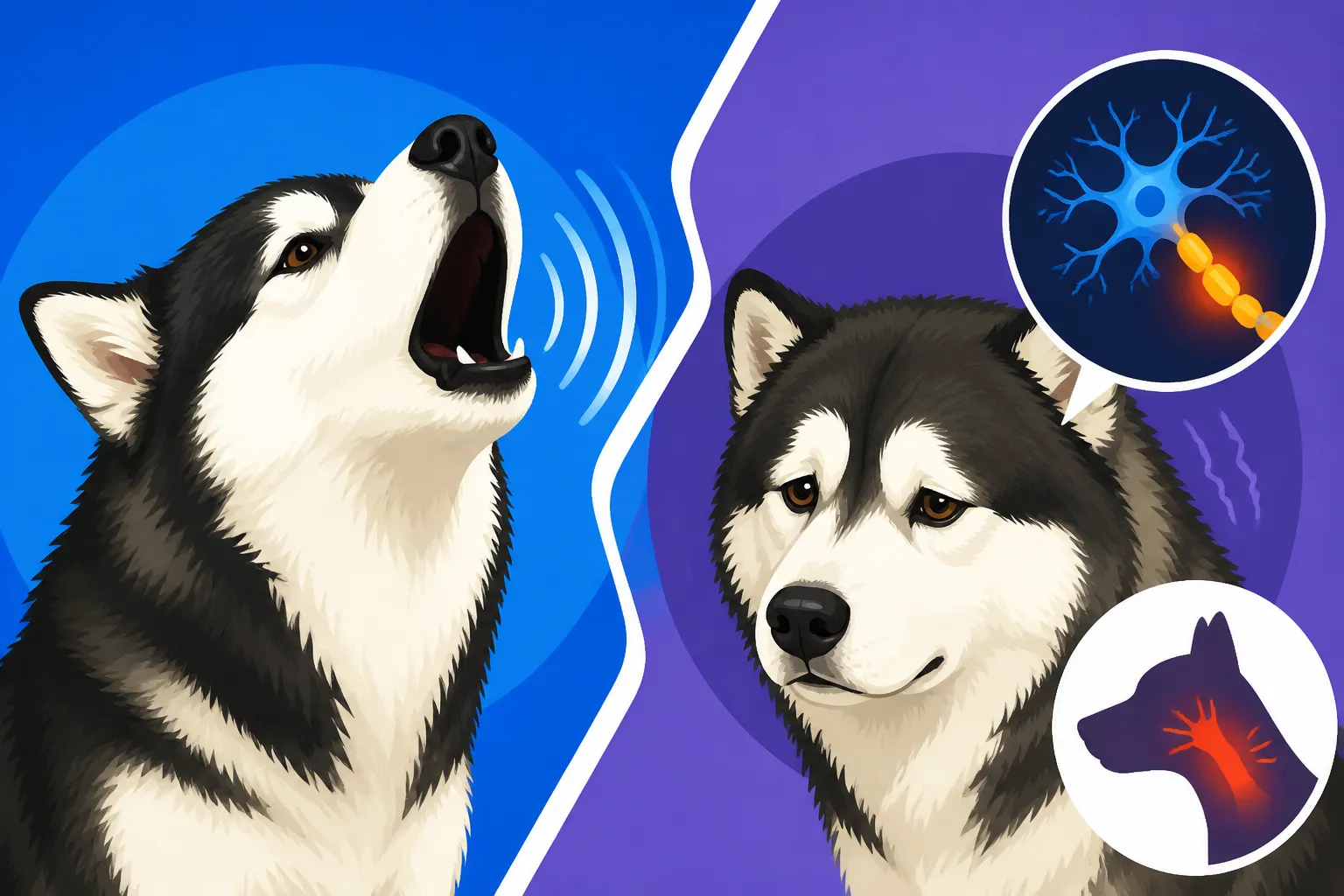
Let’s talk about that famous "woo." It's less a bark and more a drawn-out, melodious sound that can range from a soft greeting to an excited declaration. This vocalization, along with their characteristic howls, is deeply rooted in their history as working sled dogs and their close genetic ties to ancient canids. These aren't just random noises; they are complex forms of communication. A Malamute might woo to express happiness, to demand attention, to greet you when you come home, or even to join in with a siren in the distance. They use different pitches and lengths of howls to communicate with other dogs, often carrying messages over long distances, mimicking the pack dynamics of their ancestors.
Understanding your individual Malamute's normal vocal patterns is key. Some Mals are more vocal than others, some have a deeper "woo," while others might be more inclined to offer a quiet grumble. Take note of these nuances – they are your baseline. When this unique sound starts to waver, perhaps becoming breathy, hoarse, or completely silent when it should be present, it's a significant indicator that something is amiss. It’s not just about the sound they make, but how they make it, and whether their effort to vocalize seems impaired.
Common, Non-Neurological Reasons for Voice Alterations
Before we dive into more serious possibilities, it's important to recognize that many things can cause a temporary or even persistent change in your Malamute's voice that aren't related to nerve disease. These are often less severe but still warrant attention.
Think about a human losing their voice after a loud concert or a bad cold – dogs can experience similar issues. A common culprit is simple irritation or inflammation of the larynx, the voice box. This can be caused by excessive barking or howling (even for a Malamute!), inhaling irritants like smoke or dust, or even allergies causing post-nasal drip that irritates the throat. Kennel cough, a common respiratory infection, is another frequent cause of hoarseness and a hacking cough, making their voice sound rough or raspy. Sometimes, foreign objects, like a small stick or a piece of kibble, can get lodged in the throat, causing discomfort and vocal changes. While they might be trying to clear it, this can manifest as a persistent cough or a muffled sound.
Beyond environmental factors, other medical conditions can also impact the voice. Hypothyroidism, for example, a common issue in many large breeds including Malamutes, can sometimes lead to a laryngeal weakness or even paralysis over time, making the voice sound weaker or breathy. Tumors or polyps in the throat area, though less common, can physically obstruct the vocal cords or interfere with their movement, leading to a permanent change in vocal quality. Even acid reflux can irritate the esophagus and larynx, mimicking some of these symptoms. These non-neurological issues often come with other signs like coughing, gagging, difficulty swallowing, or changes in appetite, so it’s important to observe your Malamute closely for a full picture of their symptoms.
Inherited Polyneuropathy: A Serious Consideration
When a Malamute's voice changes, especially if it's accompanied by other subtle or obvious motor difficulties, the red flag for a neurological condition like Inherited Polyneuropathy often goes up for experienced Malamute owners and veterinarians. This isn't a common cold; it's a progressive, debilitating disease that specifically targets the nerves.
What Inherited Polyneuropathy Is and How It Affects the Voice
Inherited Polyneuropathy is a genetic disorder affecting Alaskan Malamutes, impacting the peripheral nerves that control muscle movement and sensation throughout the body. These nerves are like the electrical wiring of the body, carrying signals from the brain and spinal cord to the muscles, telling them what to do. When these nerves start to degenerate or malfunction, the signals don't get through properly, leading to a range of symptoms.
One of the areas that can be affected is the larynx, or voice box. The muscles controlling the vocal cords are supplied by these peripheral nerves. If these nerves become compromised due to polyneuropathy, the laryngeal muscles can weaken or become partially paralyzed. This condition is often referred to as laryngeal paralysis. When the vocal cords can't move properly, they can't vibrate effectively to produce sound, leading to a host of voice changes. You might notice your Malamute’s signature "woo" becoming hoarse, breathy, or even completely absent. They might sound like they're trying to vocalize but only air comes out, or their barks are weak and muffled. This isn't just an inconvenience; it can also affect their ability to breathe normally, especially during exertion or in warm weather, as the vocal cords can obstruct the airway. The earliest signs of this can be subtle, sometimes just a slight rasp in their voice or a change in their breathing patterns. For more information, you might want to read What Inherited Polyneuropathy Does to a Malamute.
Other Symptoms Beyond a Voice Change
The laryngeal issues are often just one piece of a much larger puzzle with Inherited Polyneuropathy. Because the disease affects peripheral nerves throughout the body, you'll typically see other signs developing, usually starting around 10 to 18 months of age, though it can vary. One of the most common early symptoms is a progressive weakness, particularly in the hind limbs. Your Malamute might start to stumble, trip over their own feet, or have difficulty rising from a lying position. You might notice a high-stepping gait as they try to compensate for the weakness. As the disease progresses, this weakness can spread to all four limbs, making walking, running, or even standing very challenging. You might notice muscle wasting, where their muscles appear thinner and less defined, due to the lack of nerve stimulation and use.
Beyond the obvious motor signs, other subtle symptoms can appear. You might observe a loss of coordination, where they seem clumsy or unsure of their footing, especially on uneven terrain. Some Malamutes develop a tremor in their limbs or head. Difficulty swallowing (dysphagia) can also occur if the nerves controlling the throat muscles are affected, leading to drooling, gagging, or coughing after eating or drinking. These symptoms usually progress over time, meaning they start subtly and gradually worsen. It’s a heartbreaking condition to witness, and observing these other signs alongside a voice change should certainly heighten your concern and prompt immediate veterinary consultation. The impact of this disease highlights Why a Malamute Shows Nothing Until It Cannot Work is a crucial understanding for owners.
Genetic Testing and Diagnosis
The good news, if there is any to be found with such a serious condition, is that Inherited Polyneuropathy in Alaskan Malamutes is a known genetic disorder. This means we have tools to identify it. There's a specific DNA test available that can determine if a Malamute is clear, a carrier, or affected by the gene responsible for this form of polyneuropathy. This test is a game-changer because it allows breeders to make informed decisions and helps owners understand the risks for their dogs. For more on testing, see The DNA Test That Finds Malamute Polyneuropathy.
If your Malamute is showing symptoms, your veterinarian will likely start with a thorough physical and neurological examination. This will involve checking their reflexes, assessing muscle strength and tone, and observing their gait. They might also recommend blood tests to rule out other conditions like hypothyroidism or infections. If laryngeal paralysis is suspected, a laryngeal exam under light sedation may be performed to directly visualize the vocal cords and observe their movement. To confirm a diagnosis of polyneuropathy, electrodiagnostic tests like electromyography (EMG) and nerve conduction velocity (NCV) studies can be performed. These tests measure the electrical activity of muscles and the speed at which nerves conduct signals, helping to pinpoint nerve damage. Finally, knowing the genetic status through a DNA test provides definitive confirmation. This comprehensive approach is essential for an accurate diagnosis, which then informs management strategies. Early detection through genetic screening is paramount, especially when considering The Age Polyneuropathy Appears in a Malamute.
When to Seek Veterinary Attention for a Voice Change
It's never wrong to be overly cautious when it comes to your Malamute's health. While some voice changes might be benign, others can signal something serious. Knowing when to simply observe and when to rush to the vet is crucial.
Red Flags That Warrant Immediate Concern
Any sudden or dramatic change in your Malamute's voice is a red flag. If their robust "woo" suddenly disappears, or their barks become silent or sound like a choked gasp, it's time to act. Beyond just the voice, there are several accompanying symptoms that should prompt an immediate trip to the emergency vet or your regular veterinarian.
Difficulty breathing is perhaps the most critical sign. If your Malamute is panting excessively even at rest, struggling to inhale, making harsh, noisy breathing sounds (stridor), or if their tongue or gums appear bluish (cyanosis), these are signs of an airway obstruction and demand immediate veterinary attention. Laryngeal paralysis can severely compromise breathing. Other worrying signs include profound weakness or collapse, especially after exercise. If they are stumbling, falling, or unable to get up, this suggests significant neurological or muscular impairment. Difficulty swallowing, gagging, regurgitation of food, or coughing while eating or drinking could indicate issues with the nerves controlling the esophagus and larynx. Unexplained weight loss, lethargy, or a sudden loss of appetite also point to underlying health problems that need prompt investigation. If you see your Malamute exhibiting any combination of these symptoms with a voice change, don't wait. Remember, conditions like Inherited Polyneuropathy are progressive, and early intervention or at least early diagnosis is vital for understanding what you're dealing with and Whether a Polyneuropathy Malamute Can Breathe Normally.
Diagnostic Process for Laryngeal or Neurological Issues
When you bring your Malamute in for a voice change and suspected neurological issues, your vet will embark on a systematic diagnostic process. It typically starts with a very thorough history, so be prepared to discuss everything: when you first noticed the change, how it has progressed, any other symptoms you've observed (no matter how small), their diet, exercise routine, and any recent exposures or incidents.
Next comes a comprehensive physical exam, including palpation of the neck and throat area, and careful listening to their breathing and heart. A neurological exam will assess their reflexes, coordination, and muscle strength. If laryngeal paralysis is suspected, the vet will likely recommend a laryngeal exam under light sedation to observe the movement of the vocal cords directly. This is the gold standard for diagnosing laryngeal paralysis. If polyneuropathy is on the differential list, blood tests may be performed to rule out metabolic or inflammatory causes, and specialized electrodiagnostic tests like EMG and NCV might be necessary. These advanced tests measure nerve and muscle electrical activity, helping to identify where the nerve damage is occurring. Imaging, such as X-rays of the chest and neck, might also be used to look for masses, foreign bodies, or other structural abnormalities. In some cases, a referral to a veterinary neurologist may be recommended for more specialized testing and consultation. This detailed process is crucial to differentiate between common issues and serious conditions, and it's where your investment in something like Healthy Paws pet insurance can really make a difference, covering diagnostics that can quickly add up. Understanding where a Malamute owner's vet money actually goes can prepare you for these costs.
Managing Conditions Affecting Your Malamute's Voice
The management of your Malamute's voice change will entirely depend on the underlying cause. If it's something simple like kennel cough, treatment might involve rest, cough suppressants, and sometimes antibiotics. For minor laryngeal irritation, anti-inflammatory medications might be prescribed.
However, if a more serious condition like laryngeal paralysis or Inherited Polyneuropathy is diagnosed, the approach becomes more complex. For laryngeal paralysis, surgical intervention (laryngeal tie-back or arytenoid lateralization) can sometimes be performed to permanently open the airway, significantly improving breathing. This surgery doesn't restore the voice but can save their life by improving respiration. For Inherited Polyneuropathy, there is currently no cure, as it's a progressive degenerative disease. Management focuses on supportive care to maintain comfort and quality of life. This can include physical therapy to help maintain muscle mass and mobility, ensuring a safe home environment to prevent falls, and managing any secondary complications like aspiration pneumonia if swallowing is severely affected. Your vet might also discuss medication to help with nerve pain or inflammation, though these are often palliative rather than curative. Nutritional support is also vital. In such cases, having a robust pet insurance plan like those offered by Healthy Paws can be invaluable, helping to cover the ongoing costs of diagnostics, specialist consultations, medications, and potential surgeries, easing the financial burden during a stressful time. Regular check-ups are also vital, especially as your Malamute ages; Caring for an Alaskan Malamute Past Eight often brings new challenges.
| Symptom | Potential Cause (Non-Neurological) | Potential Cause (Neurological) | Urgency |
|---|---|---|---|
| Hoarse/Breathy Voice | Laryngitis, Kennel Cough, Allergies | Laryngeal Paralysis (often due to polyneuropathy) | Moderate to High |
| Loss of Voice (Aphonia) | Severe Laryngitis | Severe Laryngeal Paralysis, Nerve Damage to Vocal Cords | Moderate to High |
| Noisy Breathing (Stridor) | Upper respiratory infection, Allergy | Laryngeal Paralysis (airway obstruction) | HIGH |
| Coughing/Gagging | Kennel Cough, Tracheal Collapse, Foreign Body | Dysphagia (swallowing difficulty due to nerve weakness), Aspiration Risk | High |
| Weakness/Stumbling | Injury, Arthritis, Muscle Strain | Inherited Polyneuropathy, Spinal Cord Issues, Other Neurological Diseases | High |
| Muscle Wasting | Chronic pain, Disuse, Malnutrition | Inherited Polyneuropathy, Other Neuromuscular Disorders | Moderate to High |
| Blue Gums/Tongue (Cyanosis) | Severe Airway Obstruction, Heart Failure | Severe Laryngeal Paralysis with Hypoxia | EMERGENCY |
| Excessive Panting | Heatstroke, Pain, Anxiety | Laryngeal Paralysis, Inability to regulate breathing | High |
This table provides a general guide; always consult your veterinarian for specific advice regarding your Malamute's health.
Ultimately, your Malamute's unique voice is an integral part of their personality and a key way they communicate with you. Any change in it deserves your attention and a prompt visit to the veterinarian. While not every voice alteration points to something as serious as nerve disease, understanding the potential for conditions like Inherited Polyneuropathy allows you to be a more informed and proactive advocate for your Malamute's health. Early detection, especially for genetic conditions, is always the best path forward, both for your peace of mind and your Malamute's well-being.
Disclaimer
This article is for general informational purposes only and does not constitute professional advice. Laws, prices and regulations vary by location and change over time. Consult a qualified professional for guidance on your specific situation.