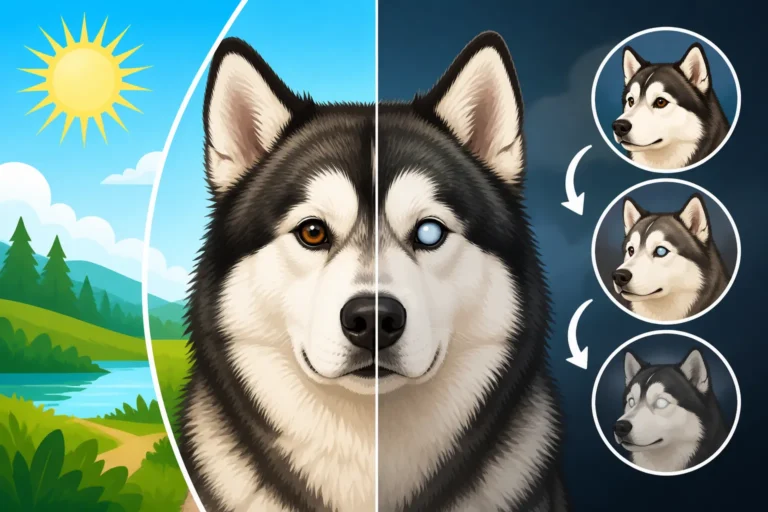
Whether a Malamute Loses Hair Around Its Eyes
It's incredibly unsettling when you notice something off with your magnificent Alaskan Malamute, especially if it involves their beautiful fur, a hallmark of the breed. Discovering hair loss around their eyes can immediately send a shiver down your spine, leaving you to wonder if it's just a fleeting irritation or a symptom of something much more serious. This comprehensive guide aims to ease your worries by exploring the common causes of periocular hair loss in Malamutes and outlining the crucial steps you should take.
Understanding Hair Loss Around Your Malamute's Eyes
When you spot hair loss around your Malamute's eyes, it's natural to feel a pang of anxiety. This isn't just a cosmetic issue; it's often a sign that something deeper is going on with their health. The skin around a dog's eyes is particularly delicate, and any irritation or underlying condition can manifest as visible changes, including fur thinning or complete loss. Let's delve into the most common culprits.
Allergic Reactions and Environmental Irritations
Just like us, our Malamutes can suffer from allergies, and the skin around their eyes is a prime spot for these reactions to show up. Environmental allergens such as pollen, dust mites, or mold can cause contact dermatitis or trigger an allergic cascade that leads to intense itching. Imagine how frustrating it must be for your Mally to constantly rub their face or scratch at their eyes, trying to relieve that persistent itch. This repetitive trauma can easily lead to hair loss, as the hair follicles are damaged, and the fur is physically rubbed or scratched away.
Even common household products or outdoor irritants can play a role. Have you recently changed your dog's shampoo, used a new cleaning product, or walked through an area with unusual plants? These seemingly innocuous changes can sometimes be the root cause. If you observe redness, swelling, or your Malamute is pawing at their face more often than usual, it’s a strong indicator that an allergen or irritant is at play. The fur might look sparse, or you might even see small, broken hairs where they've been rubbing.
Unseen Invaders: Parasites
Parasites are another frequent cause of hair loss around the eyes, and they can be tricky to pinpoint without veterinary help. Mites, in particular, are notorious for causing problems in this area.
- Demodectic Mange (Demodex mites): These microscopic mites live in hair follicles and are usually harmless in small numbers. However, when a Malamute's immune system is compromised, these mites can multiply rapidly, leading to patches of hair loss. The skin around the eyes is a classic spot for localized demodectic mange. You might notice the hair thinning, sometimes giving a "spectacled" appearance. The skin might also appear red and flaky. While it's not always intensely itchy, secondary bacterial infections can make it so.
- Sarcoptic Mange (Scabies mites): These highly contagious mites burrow into the skin, causing incredibly intense itching. A Malamute affected by sarcoptic mange will often scratch themselves raw, leading to widespread hair loss, but the areas around the eyes, ears, and elbows are often the first to show signs.
- Fleas: While less likely to cause isolated hair loss directly around the eyes, severe flea infestations can lead to generalized itching and allergic reactions (flea allergy dermatitis), which might prompt your Malamute to scratch their face, resulting in hair loss.
The key with parasites is that they are often accompanied by intense itching and skin irritation. If your Malamute is constantly scratching, rubbing their face on furniture, or showing signs of discomfort beyond just hair loss, parasites should definitely be on the suspect list.
Fungal Infections: Ringworm and Other Mycoses
Fungal infections, often generically referred to as "ringworm" (even though it's not a worm at all!), can also cause hair loss in distinct patterns. Ringworm, caused by a group of fungi called dermatophytes, creates characteristic circular or irregular patches of hair loss. The hair often breaks off at the skin level, leaving stubble, and the skin itself might look scaly, crusty, or reddened.
The area around the eyes is unfortunately a common spot for ringworm to appear, especially if your Malamute has been exposed to an infected animal or environment. It's highly contagious to other pets and even humans, so prompt identification and treatment are crucial. Other less common fungal infections can also cause similar symptoms, making a vet visit essential for accurate diagnosis.
Nutritional Deficiencies and Hormonal Imbalances
This is where Malamutes, with their unique genetic predispositions, often stand out. Nutritional and hormonal issues can manifest as symmetrical hair loss, often around the eyes.
- Zinc Responsive Dermatosis: This is a particularly important consideration for Alaskan Malamutes. Some Malamutes have a genetic inability to properly absorb zinc from their diet, even if the food contains adequate amounts. This leads to a zinc deficiency that manifests as skin problems. Hair loss around the eyes, muzzle, ears, and pressure points (like elbows and hocks) is a classic symptom. You might also notice the skin becoming thickened, crusty, and scaly. This condition is known as Zinc Responsive Dermatosis in an Alaskan Malamute. Often, the lesions will appear as a ring of crusty, patchy skin around the eye, sometimes described as a "spectacle" effect. If you're wondering Whether a Malamute's Crusty Skin Means Zinc Deficiency, especially around the face, the answer is often yes. You might even find that Where a Malamute's Zinc Lesions Appear First is often on the face or muzzle.
- Hypothyroidism: An underactive thyroid gland can lead to a host of symptoms, including generalized hair loss, dull coat, weight gain, and lethargy. While often more diffuse, symmetrical hair loss around the eyes can be one of the subtle Signs a Malamute's Thyroid Has Failed. The hair loss might appear patchy, and the skin can become dry and prone to secondary infections. It's a common condition in many breeds, including Malamutes, and something to rule out. You might also notice Whether a Malamute's Coat Thins With Thyroid Disease in other areas of the body.
Investigating the Cause: When to See the Vet
Noticing hair loss around your Malamute's eyes is your cue to act. While some minor irritations might resolve on their own, leaving underlying conditions untreated can lead to more severe discomfort for your dog and potentially more complex and costly treatments down the line. When in doubt, a trip to the vet is always the best course of action.
Observing Symptoms and Gathering Information
Before your vet appointment, take some time to observe your Malamute closely and gather as much information as you can. This detective work will be incredibly valuable to your veterinarian in narrowing down the possibilities.
Consider these questions:
- When did you first notice the hair loss? Was it sudden or gradual?
- Is it just around the eyes, or are other areas affected? For example, is there hair loss on the muzzle, ears, or paws? If Whether a Malamute's Muzzle Crusts First, it could point to zinc issues.
- Is your Malamute itching, scratching, or rubbing the area? How intensely?
- What does the skin look like underneath the lost hair? Is it red, inflamed, crusty, flaky, thickened, or perfectly normal? Are there any bumps or pustules?
- Have there been any recent changes in their diet, environment, or routine? New food, new cleaning products, new walks, new pets in the household?
- Are there any other symptoms? Changes in appetite, energy levels, thirst, or temperament?
Even if you think it's a minor issue, documenting these observations can provide crucial clues. Snapping a few photos of the affected area over a day or two can also help your vet see the progression.
The Diagnostic Process at the Vet
When you bring your Malamute to the vet for hair loss around the eyes, they'll perform a thorough physical examination, paying close attention to the affected area and the rest of their skin and coat. Depending on their initial findings and your observations, they might recommend several diagnostic tests:
- Skin Scrapes: This common procedure involves gently scraping the surface of the skin with a blade to collect cells and debris, which are then examined under a microscope. This is the primary way to diagnose mites like Demodex and Sarcoptes.
- Fungal Cultures: To rule out ringworm, your vet might take hair and skin samples to send to a lab for fungal culture. This can take a few days or weeks to yield results, but it's important for an accurate diagnosis.
- Blood Tests: If your vet suspects a nutritional deficiency or hormonal imbalance, blood tests will be in order. They might check thyroid hormone levels to rule out Whether a Malamute Gets Hypothyroidism or assess zinc levels if Zinc Responsive Dermatosis is a strong possibility. These tests are essential for getting to the root cause of systemic issues.
- Allergy Testing: If allergies are suspected, your vet might discuss allergy testing, either blood tests or intradermal skin tests, to identify specific allergens.
- Biopsy: In more unusual or persistent cases, a skin biopsy might be recommended. This involves taking a small tissue sample for microscopic examination by a veterinary pathologist. Understanding What a Skin Biopsy Costs on a Malamute can be a factor for some owners, but it provides definitive answers in complex situations.
- Eye Examination: Sometimes, what appears to be a skin issue around the eyes could stem from an underlying eye problem, so a thorough eye exam might also be part of the workup. It’s always a good idea for your Malamute to Whether a Malamute Should Have a Yearly Eye Exam as part of their routine health checks.
This diagnostic phase is crucial. Guessing at the problem or trying home remedies without a clear diagnosis can prolong your Malamute's discomfort and potentially make the condition worse. It's a journey, and having a good relationship with your vet is key. Remember that reputable pet insurance providers like Healthy Paws can be a real lifeline when unexpected diagnostic costs arise, helping you make the best decisions for your Malamute's health without financial strain.
Initial Actions to Take
While waiting for your vet appointment, there are a few gentle steps you can take to keep your Malamute comfortable and prevent further irritation:
- Prevent Scratching: If your Malamute is scratching or rubbing, consider a soft Elizabethan collar (E-collar) to prevent them from causing more damage to the delicate skin.
- Gentle Cleaning: You can gently clean the area with a warm, damp cloth, ensuring no crusts or debris accumulate, but avoid any harsh soaps or chemicals.
- Observe and Document: Continue to monitor the area and your Malamute's overall behavior, noting any changes to report to your vet.
| Symptom/Observation | Possible Cause(s) | Initial Action |
|---|---|---|
| Itching, redness, rubbing | Allergies, parasites (mites, fleas), infections | Vet visit, E-collar, gentle cleaning |
| Crusty, scaly skin | Zinc Responsive Dermatosis, fungal infection, mites | Vet visit for diagnosis, avoid harsh scrubbing |
| Symmetrical hair loss | Zinc Responsive Dermatosis, hypothyroidism | Vet visit for blood tests |
| Circular bald patches | Fungal infection (ringworm) | Vet visit for culture, isolate from other pets/people |
| No other symptoms, only hair loss | Hormonal, nutritional (less common for isolated area) | Vet visit for full workup |
Treatment Options and Management for Your Malamute
Once your veterinarian has a clear diagnosis, a specific treatment plan can be put into action. It’s a relief to know what you’re dealing with, but remember, consistency and patience are vital for a successful outcome. The treatment will be tailored to the underlying cause, and it’s important to follow your vet’s instructions precisely.
Addressing the Underlying Issues Directly
The most effective way to resolve hair loss around the eyes is to treat the root cause. This might involve a variety of approaches:
- For Allergic Reactions: If allergies are the culprit, treatment might involve antihistamines, steroids (oral or topical) to reduce inflammation and itching, or even immunotherapy (allergy shots) for long-term management. Identifying and avoiding the allergen, if possible, is also key. This could mean switching to a hypoallergenic shampoo or being mindful of certain plants during walks. Sometimes, simple dietary changes can help, especially if a food allergy is suspected.
- For Parasitic Infestations: Mites like Demodex and Sarcoptes require specific medications. This could be oral medications, topical solutions, or medicated baths. Your vet will prescribe the most effective and safest option for your Malamute. For fleas, a good quality, vet-recommended flea preventive is usually all that’s needed to clear the infestation and prevent future ones. Consistency with these preventives is paramount.
- For Fungal Infections: Antifungal medications, either topical creams, shampoos, or oral medications, are used to treat ringworm. Because ringworm is so contagious, strict hygiene in the home environment is also important to prevent reinfection. You might need to disinfect bedding, toys, and grooming tools.
- For Nutritional Deficiencies (Zinc Responsive Dermatosis): This is a prime example of a condition specific to Malamutes. If your Malamute is diagnosed with zinc responsive dermatosis, they will likely need lifelong zinc supplementation. As we discussed in How a Malamute's Zinc Deficiency Is Treated, this usually involves giving a specific form of zinc, like zinc methionine, at a dose determined by your vet. It’s critical to understand that this isn’t just about buying any zinc supplement off the shelf; it needs to be the right type and dosage to ensure proper absorption and avoid potential toxicity from too much zinc. Owners often wonder Whether a Malamute Needs Zinc for Life, and for many with this genetic condition, the answer is indeed yes.
- For Hormonal Imbalances (Hypothyroidism): If your Malamute is found to have hypothyroidism, they will be prescribed a synthetic thyroid hormone replacement medication, typically given orally once or twice a day. This medication will need to be administered for the rest of their lives, with regular blood tests to ensure the dosage is correct. It's a very manageable condition once diagnosed and treated properly.
Supportive Care and Home Management
While the primary treatment tackles the cause, supportive care at home helps your Malamute heal and stay comfortable:
- Prevent Further Trauma: If your Malamute is still scratching or rubbing, continue using an E-collar. This simple device, though sometimes annoying for the dog, is incredibly effective at preventing self-mutilation and allowing the skin to heal.
- Keep the Area Clean: Gently clean the area around the eyes with a warm, damp cloth or a vet-approved solution. This helps remove any crusts, discharge, or allergens, and prevents secondary bacterial infections. Avoid rubbing or scrubbing aggressively, as this can further irritate the skin.
- Follow Medication Schedules: Adherence to medication schedules is non-negotiable. Missing doses or stopping medication too early can lead to a relapse or make the condition harder to treat.
- Monitor for Secondary Infections: Skin that is irritated or damaged is prone to bacterial or yeast infections. Watch for signs like increased redness, swelling, pus, or a foul odor. If Whether a Malamute's Skin Smells When Infected, it's a strong indicator that a secondary infection has set in, and your vet might prescribe antibiotics or antifungal shampoos.
- Environmental Control: For allergies, consider frequent vacuuming, washing bedding, and using air purifiers to reduce indoor allergens. If outdoor allergens are the issue, wiping down your Malamute's coat after walks can help.
Navigating these treatments can sometimes involve significant vet bills. This is where having pet insurance like Healthy Paws can truly make a difference. Knowing that a good portion of your eligible vet expenses, from diagnostics to ongoing medications, might be covered can offer immense peace of mind and allow you to prioritize your Malamute's health without undue financial stress. Understanding What a Dermatology Referral Costs a Malamute Owner or the long-term cost of medications can highlight the value of such coverage.
Long-Term Outlook and Prevention
The good news is that most causes of hair loss around the eyes in Alaskan Malamutes are treatable, and with proper management, their fur often grows back completely.
- Consistent Management for Chronic Conditions: For conditions like Zinc Responsive Dermatosis or hypothyroidism, lifelong management with supplements or medication is necessary. Regular veterinary check-ups and blood work will be required to ensure the treatment is effective and the dosage is appropriate. For example, Whether a Malamute Needs Zinc for Life is a key question that will be answered for your specific dog.
- Preventative Care: Staying up-to-date on parasite prevention (fleas, ticks, mites) is crucial for all Malamutes. For those prone to allergies, continued allergen avoidance and management can prevent flare-ups. Maintaining a high-quality diet and ensuring your Malamute receives adequate nutrition supports overall skin and coat health.
- Regular Grooming and Observation: Consistent grooming is not just about keeping your Malamute looking sharp; it’s an opportunity to inspect their skin and coat for any changes. Regular brushing helps distribute natural oils and removes loose fur, allowing you to spot issues like hair loss, redness, or crusting early.
- Genetic Testing: If you are considering breeding your Malamute, or if you acquired your Malamute from a breeder, understanding the genetic predispositions of the breed can be incredibly insightful. While direct genetic tests for all forms of zinc malabsorption aren't universally available, being aware of family history can be helpful. Reputable breeders actively work to minimize genetic health issues, and this often includes testing for conditions that could affect a Malamute's health throughout their The Ten to Fourteen Years an Alaskan Malamute Lives.
Seeing your Malamute's hair grow back and their eyes clear up is incredibly rewarding. It’s a testament to your attentiveness as an owner and the effectiveness of veterinary care. Don't hesitate to reach out to your vet with any concerns – they are your best partner in keeping your Malamute healthy and happy.
Disclaimer
This article is intended for informational purposes only and does not constitute professional veterinary advice. Always consult with a qualified veterinarian for any health concerns or before making any decisions about your pet's medical care or treatment.