Whether a Malamute Tears a Cruciate Ligament
There's nothing quite like the heart-stopping moment you see your big, beautiful Alaskan Malamute suddenly favoring a leg, or worse, completely refusing to put weight on it. For such powerful, resilient dogs, a sudden lameness can feel utterly devastating, and often, the first fear that flashes through a Malamute owner's mind is a torn cruciate ligament. It's a common and incredibly frustrating injury that can sideline even the most robust working dog, leaving you wondering what happened and what comes next. This guide will walk you through understanding cruciate ligament tears in Alaskan Malamutes, how to spot the signs, what treatment options are available, and what you can do to potentially prevent this debilitating injury.
Understanding Cruciate Ligament Injuries in Alaskan Malamutes
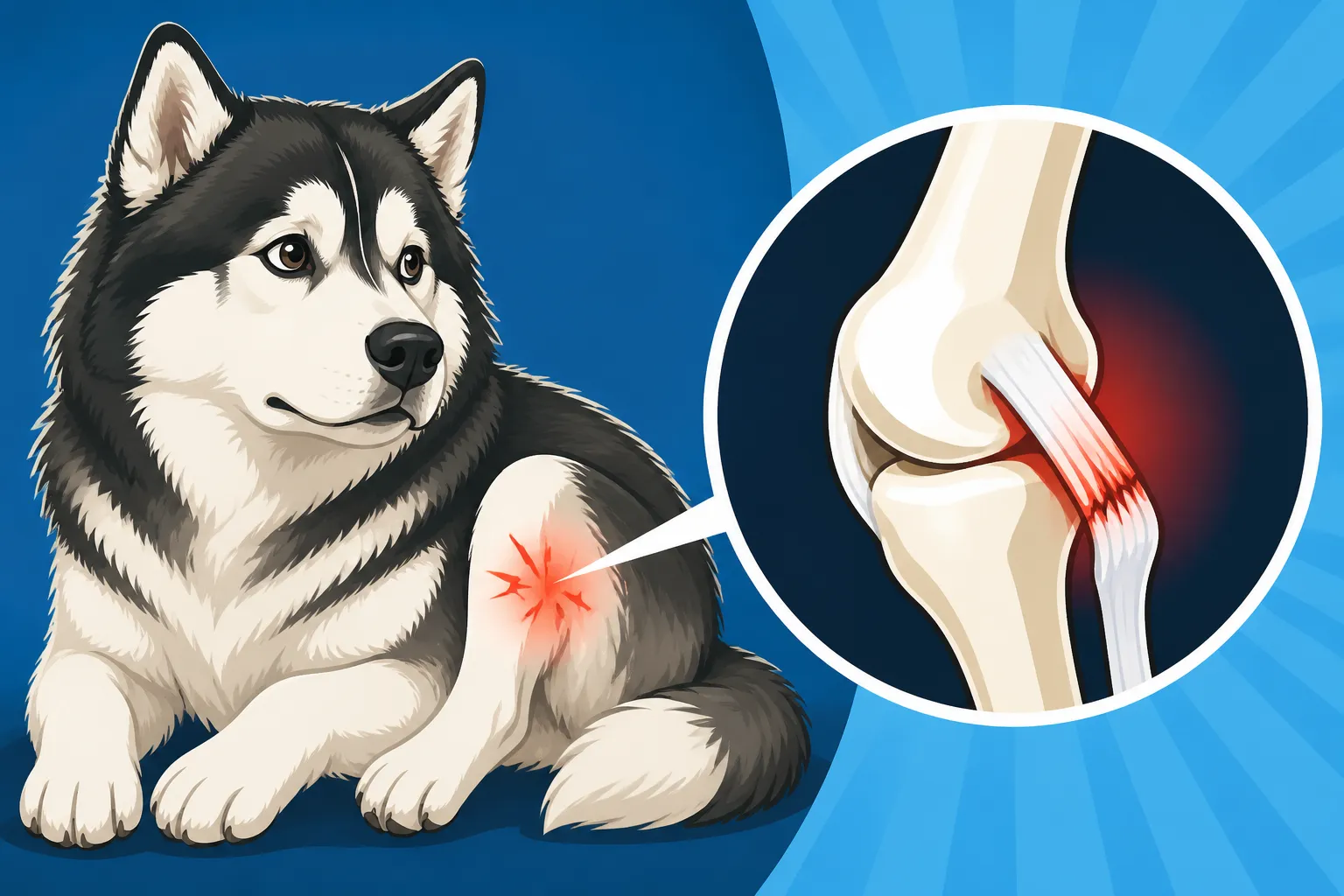
When we talk about a "torn cruciate ligament" in dogs, we're usually referring to the cranial cruciate ligament (CCL), which is the canine equivalent of the anterior cruciate ligament (ACL) in humans. This vital band of tissue in your Malamute's knee joint connects the femur (thigh bone) to the tibia (shin bone), providing crucial stability. Imagine a suspension bridge – the CCL is one of the main cables holding everything together. When that cable snaps, or even frays significantly, the joint becomes unstable, leading to pain and lameness.
Alaskan Malamutes, with their impressive size, strength, and love for robust activities like pulling, hiking, and rough-and-tumble play, are unfortunately quite susceptible to CCL injuries. It's not always a sudden, dramatic event, though acute tears certainly happen. Often, it's a degenerative process, where the ligament weakens over time due to chronic stress, subtle instability, or even genetic predisposition in larger breeds. This makes the "snap" more of a final break in an already compromised ligament. The sudden twists, pivots, and explosive movements characteristic of a happy, energetic Malamute playing fetch or romping with a packmate can certainly put immense strain on these ligaments, eventually leading to failure. It's a tough reality that for many owners of large, active breeds, it's less a question of if a joint injury might occur and more when, and how prepared you are to handle it.
Recognizing the Signs and Symptoms of a Torn CCL in Your Malamute
Spotting a cruciate tear in your Malamute isn't always straightforward, as the signs can vary from subtle to strikingly obvious. Acute tears often present dramatically, leaving no doubt that something is seriously wrong. However, many Malamutes experience a gradual degeneration of the ligament, leading to intermittent lameness that can be confusing to pinpoint.
Initially, you might notice your Malamute exhibiting a sudden, significant lameness in one of their hind legs. They might "toe-touch," meaning they put just the tips of their toes down, or they might hold the leg up entirely, unwilling to bear any weight. When they sit, you might observe them doing so with the affected leg extended out to the side, rather than tucked neatly under their body – a classic sign often called "sitting sideways." Over time, if left untreated, you may start to see muscle atrophy in the affected leg as your dog avoids using it, and the joint itself might appear swollen or feel warm to the touch. They might also become reluctant to jump, run, or even go up and down stairs, all activities that put stress on the knee. Some Malamutes are stoic, as their ancestors were bred to push through discomfort, so watching for any subtle change in gait or willingness to play can be key.
Getting a professional diagnosis is crucial. Your veterinarian will perform a thorough physical examination, including specific tests like the "cranial drawer test" and the "tibial compression test," which assess the stability of the knee joint. These tests can often confirm a CCL tear. X-rays are also typically taken to rule out other orthopedic issues like Hip Dysplasia in a Freighting Alaskan Malamute and to look for secondary signs of joint disease, such as osteoarthritis, which inevitably develops when the joint is unstable. Don't be surprised if your vet recommends sedation for these exams and X-rays, as a tense or painful Malamute can make accurate assessment difficult.
Here's a quick overview of common signs:
| Symptom | Description | Typical Onset |
|---|---|---|
| Sudden Lameness | Your Malamute suddenly holds a hind leg up or struggles to bear weight. | Acute tear |
| Toe-Touching | Puts only the very tips of the toes down, avoiding full weight-bearing. | Acute or partial tear |
| "Sitting Sideways" | Extends the affected leg out to the side rather than tucking it underneath when sitting. | Acute or chronic tear |
| Swelling around the Knee | The knee joint may feel warm or visibly swollen due to inflammation. | Acute or chronic tear |
| Muscle Atrophy | Over time, the thigh muscles on the affected leg will decrease in size compared to the healthy leg. | Chronic tear |
| Reluctance to Jump/Run | Avoids activities that put stress on the knee, such as jumping into the car or running during playtime. | Acute or chronic tear |
| Stiffness After Rest | May appear stiffer after lying down for a while, improving slightly with movement. | Chronic tear |
| Clicking or Popping Sound | Less common, but sometimes a sound can be heard from the joint during movement. | Variable |
Treatment Options and Recovery for a Malamute's Cruciate Tear
Once a cruciate ligament tear is diagnosed, you'll need to discuss treatment options with your veterinarian. For large, active breeds like Alaskan Malamutes, surgical intervention is almost always the recommended course of action. While non-surgical management might be considered for very small, sedentary dogs, it's rarely successful for a Malamute due to their size and inherent drive to be active. Without surgical stabilization, the knee joint will continue to be unstable, leading to progressive osteoarthritis, chronic pain, and a high likelihood of tearing the CCL in the other knee.
The most common and effective surgical procedures for CCL tears in Malamutes include:
- Tibial Plateau Leveling Osteotomy (TPLO): This procedure changes the angle of the tibia (shin bone) so that the forces on the knee joint effectively stabilize it, even without an intact CCL. It's a highly successful surgery that allows for excellent long-term function.
- Tibial Tuberosity Advancement (TTA): Similar to TPLO, TTA alters the biomechanics of the knee to neutralize the forces that cause instability when the CCL is torn.
- Lateral Suture Technique (Extracapsular Repair): This older technique involves placing a strong suture outside the joint to mimic the function of the torn ligament. While less invasive, it's generally considered less effective for very large or highly active dogs like Malamutes compared to TPLO or TTA.
The choice of surgery depends on various factors, including your Malamute's size, age, activity level, and the surgeon's preference and expertise. Recovery from any of these surgeries is a significant commitment. It involves a strict period of controlled activity – often 8-12 weeks – followed by a gradual return to normal exercise. This often means leash walks only, no jumping, no running, and often confined to a crate or a small, safe area of the house.
Physical rehabilitation is paramount to a successful recovery. This can include hydrotherapy, therapeutic exercises, laser therapy, and massage, all designed to rebuild muscle strength, improve range of motion, and manage pain. It’s a long road, requiring immense patience and dedication from you as the owner. Medications for pain management and anti-inflammatories will also be a part of the recovery plan. It’s also important to be aware that once one CCL is torn, there’s a significant risk – often 30-50% – that your Malamute will tear the CCL in the other knee within a year or two. This is where pet insurance, like plans offered by Healthy Paws, can be an absolute lifesaver, helping to cover the substantial costs associated with diagnostics, surgery, and extensive rehabilitation for what could be two major surgeries.
Preventing Cruciate Injuries in Your Alaskan Malamute
While some CCL tears are simply unavoidable due to genetics or unpredictable accidents, there's a lot you can do as a Malamute owner to minimize the risk and promote overall joint health. Proactive care is truly the best defense for these magnificent dogs.
One of the most critical factors is maintaining a healthy weight. An overweight Malamute puts immense additional strain on all its joints, especially the knees. Given their The Efficient Metabolism That Surprises Every New Malamute Owner, it can be easy for Malamutes to gain weight if their food intake isn't carefully managed, particularly if their activity levels fluctuate. Regularly checking your Malamute's body condition and ensuring they maintain a lean, athletic physique is paramount for joint health. You should be able to easily feel their ribs without seeing them prominently, and they should have a discernible waist when viewed from above. Learn more about Keeping an Alaskan Malamute at a Working Weight to keep those joints happy.
Regular, appropriate exercise is also vital. While Malamutes are born to pull and enjoy vigorous activity, sudden, unconditioned bursts of high-impact movements, like jumping off high surfaces or abrupt changes in direction during intense play, can stress the ligaments. A consistent exercise routine that builds strength and stamina gradually is better than sporadic, intense sessions. Warm-up and cool-down periods before and after strenuous activities can also help prepare the joints. If your Malamute is involved in activities like weight pull, always ensure they are properly conditioned and that the weight is within what How Much Weight a Malamute Can Safely Pull.
Consider adding joint supplements to your Malamute's diet, especially as they age or if they're particularly active. Ingredients like glucosamine, chondroitin, and MSM can support cartilage health and reduce inflammation. Discuss options with your vet, as the right supplement can make a difference. Supplements aren't a magic bullet, but they can be a valuable part of a comprehensive joint health plan. You can delve deeper into Joint Supplements for an Alaskan Malamute for more specific guidance.
Lastly, early detection of any subtle lameness is key. Don't ignore a slight limp that comes and goes. A prompt veterinary check-up can sometimes catch a partial tear before it becomes a complete rupture, potentially allowing for less invasive interventions or better management. And again, having pet insurance from a reliable provider like Healthy Paws can significantly reduce the financial burden of unexpected veterinary bills, ensuring you can always afford the best care for your Malamute. Even with the best preventative care, accidents happen, and a good insurance plan offers peace of mind.
Navigating the Financial Aspect of Cruciate Ligament Repair
Let's be real: veterinary care, especially for major orthopedic surgeries like CCL repair, can be incredibly expensive. The thought of thousands of dollars in vet bills on top of the emotional stress of seeing your beloved Malamute in pain is enough to make any owner anxious. This is where preparing for the potential The Full Cost of Twelve Years With an Alaskan Malamute becomes starkly evident.
Surgical procedures for a torn CCL, such as TPLO or TTA, can range from $3,000 to $7,000 per knee, sometimes even more depending on your location, the specialist's fees, and the complexity of the case. This cost typically includes the surgery itself, anesthesia, pre-surgical bloodwork, hospitalization, and post-operative medications. Beyond the surgery, you're looking at follow-up appointments, X-rays to monitor healing, and extensive physical rehabilitation, which can add hundreds to thousands of dollars to the total. And remember, there's that significant risk of the other knee needing repair down the line. It's truly a substantial investment in your Malamute's health and quality of life. Understanding Where a Malamute Owner's Vet Money Actually Goes can help you budget better.
This is precisely why many Malamute owners choose to invest in pet insurance. Companies like Healthy Paws offer comprehensive plans that can cover a significant portion of these unexpected surgical and rehabilitation costs. While insurance won't cover pre-existing conditions, if you enroll your Malamute when they're young and healthy, it can provide invaluable financial protection against injuries like cruciate tears, which are unfortunately common in larger, active breeds. It's definitely worth looking into and understanding how a policy from Healthy Paws could benefit you. Don't wait until an injury occurs, as The Month a Malamute Owner Should Buy Insurance is usually earlier than you think.
Disclaimer
The information provided in this article is for general informational purposes only and is not a substitute for professional veterinary advice. Always consult with a qualified veterinarian for any health concerns or before making any decisions related to your Alaskan Malamute's health and treatment.