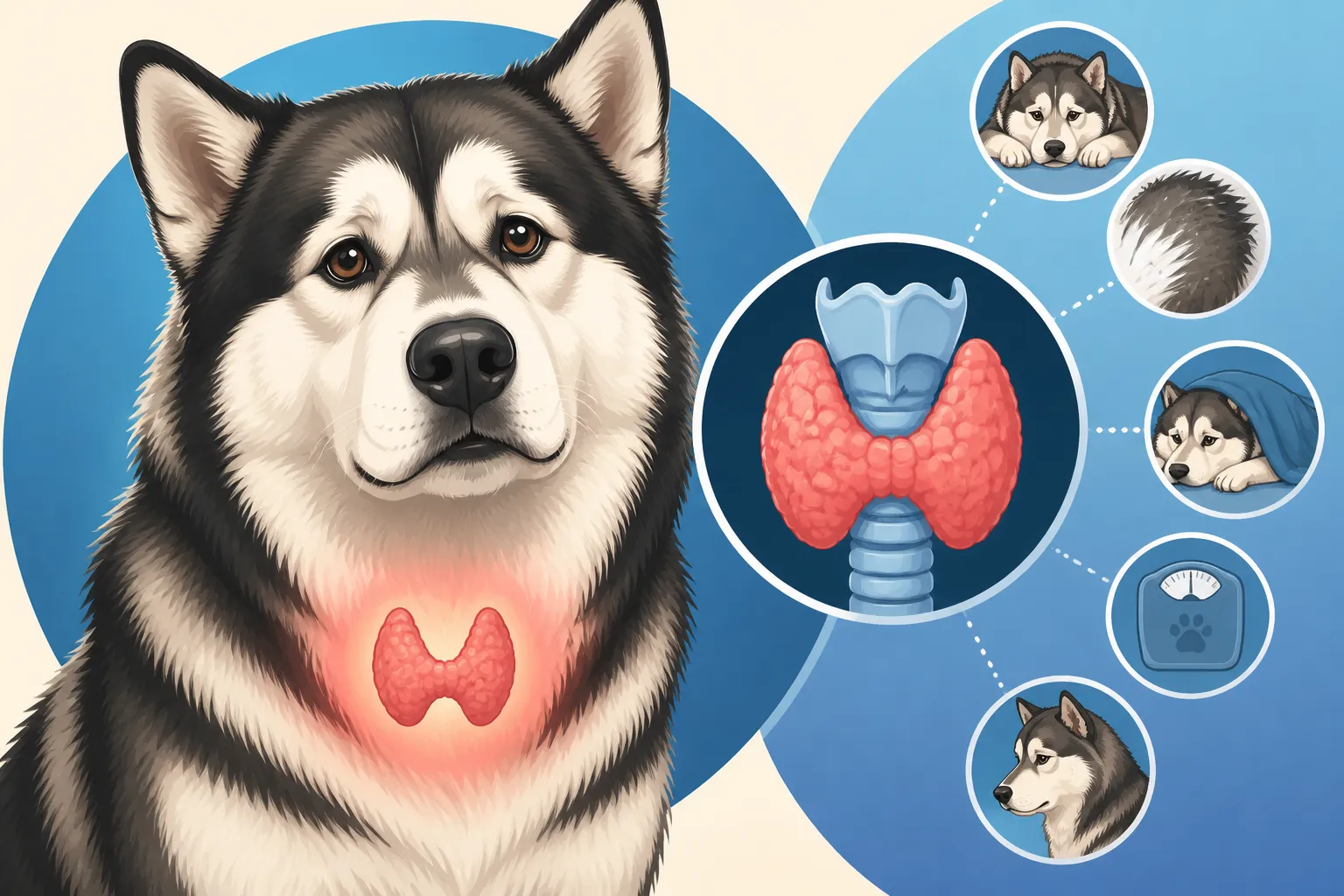
Signs a Malamute’s Thyroid Has Failed
It's incredibly frustrating when your beloved Alaskan Malamute starts acting a little "off," but you can't quite put your finger on what's wrong. Their stoic nature and magnificent double coat can sometimes hide subtle health changes, making it a real challenge to spot problems like thyroid failure early on. This guide will walk you through the key signs that might indicate your Malamute's thyroid isn't functioning correctly, helping you understand what to look for and when it’s time to talk to your vet.
Understanding Hypothyroidism in Alaskan Malamutes
Hypothyroidism, or an underactive thyroid gland, is a surprisingly common endocrine disorder in dogs, and unfortunately, Alaskan Malamutes are among the breeds that can be predisposed to it. It happens when the thyroid gland, located in your dog's neck, doesn't produce enough thyroid hormones. These hormones are absolutely crucial for regulating metabolism, energy production, and even the health of their skin and coat. When the system goes awry, it can affect nearly every organ in your Malamute's body, leading to a cascade of often subtle and easily missed symptoms.
What Hypothyroidism Means for Your Malamute's Body
Imagine your Malamute's body as a complex engine. Thyroid hormones are like the fuel injector, ensuring everything runs smoothly and at the right pace. If there's not enough fuel, the engine slows down. For a Malamute, this means their metabolic rate drops, affecting everything from how efficiently they burn calories to how quickly their cells regenerate. This slowdown isn't just about feeling tired; it impacts hair growth, skin health, heart rate, and even their immune response. It’s not an acute illness that appears overnight, but rather a slow, insidious process that can take months or even years to fully manifest.
The tricky part is that many of the initial signs can be incredibly vague and could easily be attributed to aging, a change in diet, or simply a Malamute being a Malamute. Owners might initially dismiss a slight decrease in energy as their dog "mellowing out" or a patchy coat as a particularly bad shedding season. This is why paying close attention to persistent changes, no matter how minor, is so vital for our robust northern friends. For a deeper dive into overall health management, you might find information on the full span of The Ten to Fourteen Years an Alaskan Malamute Lives to be a helpful context.
Why Alaskan Malamutes Are Susceptible
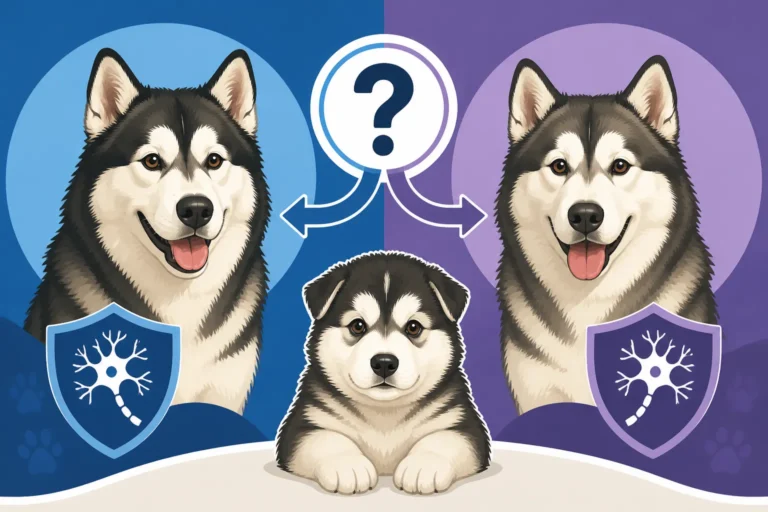
While the exact genetic mechanisms are still being researched, it’s understood that certain breeds, including Alaskan Malamutes, have a higher incidence of primary hypothyroidism, where the thyroid gland itself is attacked, usually by the dog's own immune system (lymphocytic thyroiditis). This autoimmune destruction slowly reduces the gland's ability to produce hormones. Some lines seem more prone than others, suggesting a genetic component.
The breed's unique physiology, including their thick double coat and their history as working dogs in cold climates, might also mask or even influence how symptoms present. A dog that naturally thrives in cold and has a lower metabolic rate to conserve energy might show changes differently than a short-coated, high-energy breed. This predisposition means that regular monitoring and awareness are particularly important for Malamute owners. It’s not a question of if it could happen, but being prepared if it does.
Subtle Physical Changes to Watch For
The physical signs of a failing thyroid in an Alaskan Malamute can be quite insidious. They don’t usually present as obvious distress, but rather as gradual alterations in their appearance and typical physical behavior. Because Malamutes are so tough, they often "show nothing until it cannot work," as the saying goes, making these subtle cues even more critical to observe.
Coat and Skin Anomalies
One of the earliest and most common indicators of hypothyroidism involves your Malamute's magnificent coat and underlying skin. Thyroid hormones are crucial for healthy hair growth cycles. When they're deficient, these cycles slow down or stop altogether, leading to a variety of noticeable changes.
You might start to notice that your Malamute's coat, usually so plush and full, becomes dry, brittle, or even sparse. Patches of hair loss, particularly on the flanks, tail (often called a "rat tail"), or the bridge of the nose, are classic signs. This hair loss is typically symmetrical and non-itchy, which can help differentiate it from other skin conditions like allergies or parasites. The hair might also take on a dull, faded appearance, losing its vibrant color and shine. Owners often comment that the coat feels "dead" or "like straw."
Beyond the hair itself, the skin can also suffer. It might become dry, flaky, and thickened, especially in areas like the elbows and hocks, or even develop hyperpigmentation, turning darker in patches. Some Malamutes develop a greasy, seborrheic condition, leading to a distinct, musty odor despite regular grooming. This is different from the more acute, crusty lesions seen in Zinc Responsive Dermatosis in an Alaskan Malamute, though both affect the skin. If you observe any of these persistent changes, especially if they are bilateral, it's a strong signal to contact your veterinarian.
Weight Fluctuations and Energy Levels
Despite eating the same amount of food, or sometimes even less, a hypothyroid Malamute may start to gain weight. This isn't just a little extra fluff; it's a genuine metabolic slowdown that causes fat to accumulate more easily. Their efficient metabolism, which usually helps them stay lean, suddenly works against them. This weight gain often seems to defy logic, as their activity levels might also be dropping.
Hand-in-hand with weight gain is a noticeable decrease in energy and an increased tendency towards lethargy. Your normally boisterous Malamute, who lives for walks and playtime, might become less enthusiastic. They might be slower to get up, less eager for walks, or seem generally listless. This isn't just "getting older" fatigue; it's a persistent, generalized lack of vigor that can be quite disheartening for an active breed like a Malamute. You might also notice they seem more intolerant to cold, despite their thick coat, seeking out warm spots indoors more frequently. This lethargy can be subtle, especially in an adult dog that has "settled down," so comparing their current energy to their younger self is crucial.
| Symptom Category | Specific Sign | Typical Presentation in Malamutes | Potential Thyroid Link |
|---|---|---|---|
| Coat & Skin | Dull, dry coat | Loss of shine, brittle texture | Impaired hair follicle function |
| Symmetrical hair loss | Often on flanks, tail ("rat tail"), bridge of nose; non-itchy | Disrupted hair growth cycles | |
| Thickened skin | Especially on elbows, hocks; can be hyperpigmented | Reduced skin cell turnover | |
| Musty odor | Greasy seborrhea, sometimes with secondary infection | Altered skin oil production | |
| Weight & Energy | Weight gain | Despite normal or reduced food intake | Slowed metabolism, reduced calorie burn |
| Lethargy | Reduced enthusiasm for walks, playtime; slower to rise | Decreased metabolic rate, low energy | |
| Cold intolerance | Seeks warm spots, shivers more easily | Inability to regulate body temperature | |
| Other | Facial puffiness | "Tragic" facial expression | Fluid retention, slowed lymph drainage |
| Slow heart rate | Bradicardia, difficult to notice without vet | Direct effect on cardiac function |
Behavioral Shifts That Signal Trouble
Beyond the physical manifestations, hypothyroidism can also subtly alter your Malamute's personality and typical behavior. These changes can sometimes be the most perplexing for owners, as they might feel like their dog is simply "acting different" without a clear reason.
Increased Lethargy and Inactivity
We touched on energy levels briefly, but it's worth emphasizing the behavioral impact of persistent lethargy. A hypothyroid Malamute who once happily pulled a sled or joined you for miles on a hike might now drag their feet, stop frequently, or simply refuse to engage. Their play drive can diminish, and they might spend more time sleeping or simply lying around, even during times they were usually active. This isn't just being lazy; it's a profound lack of energy stemming from a metabolism that's running in slow motion.
Owners often try to encourage their Malamutes to be more active, only to be met with resistance or a quickly fading enthusiasm. This can be frustrating because you know your Malamute should have more get-up-and-go. The change is gradual, so it's often only in hindsight that owners realize how much their dog's activity level has declined. If you find yourself constantly trying to motivate your Malamute to do things they once loved, it's a sign that something deeper might be going on. This is especially telling if your Malamute used to thrive on a good Pulling Is the Only Job an Alaskan Malamute Really Wants.
Mental Dullness and Behavioral Changes
A slowing metabolism doesn't just affect the body; it can impact the brain as well. Owners of hypothyroid Malamutes sometimes report their dogs seem less mentally sharp, less alert, or even a bit dull. They might respond slower to commands, seem less interested in their surroundings, or generally appear less engaged with family interactions. This isn't typically aggression or anxiety, but rather a subdued, almost detached demeanor.
In rare cases, some hypothyroid dogs can exhibit more pronounced behavioral changes, such as increased irritability or even aggression. While not as common as the lethargy and mental dullness, it's important to recognize that a significant hormonal imbalance can affect brain chemistry. If your Malamute, usually a good-natured companion, starts snapping or showing uncharacteristic fear or aggression, especially alongside other physical symptoms, hypothyroidism should be on the list of possibilities for your vet to investigate. These changes are definitely worth noting, especially given the breed's generally stable temperament.
Getting a Diagnosis and What Comes Next
If you've noticed several of these signs in your Alaskan Malamute, the most important step is to schedule an appointment with your veterinarian. Don't try to self-diagnose or wait for more severe symptoms to appear. Early diagnosis and treatment can significantly improve your Malamute's quality of life and prevent further complications.
The Diagnostic Process
When you take your Malamute to the vet with concerns about thyroid issues, the first step will be a thorough physical examination. Your vet will look for all the classic signs: dry coat, hair loss, skin changes, weight gain, and listen to their heart rate. They'll also discuss your observations about your Malamute's energy levels and behavioral changes.
The definitive diagnosis of hypothyroidism requires blood tests. There are several types of thyroid hormone tests, and your vet will likely recommend a panel that includes total T4, free T4, and TSH (thyroid-stimulating hormone). Sometimes, specific autoantibody tests are also run to identify the autoimmune form of the disease. It's crucial to get a comprehensive panel because different factors, like other illnesses or certain medications (even some supplements), can affect thyroid hormone levels, leading to confusing results. This is why Whether a Malamute Needs Yearly Thyroid Bloodwork is such an important consideration as they age or if concerns arise.
It’s also worth remembering that some symptoms of hypothyroidism, particularly skin issues and weight changes, can sometimes mimic other conditions. For instance, the coat thinning and skin problems might initially be confused with those seen in Zinc Responsive Dermatosis in an Alaskan Malamute, or even just seasonal allergies. Your vet will help differentiate these through appropriate testing.
Managing Hypothyroidism with Medication
If your Malamute is diagnosed with hypothyroidism, the good news is that it's a highly manageable condition. Treatment involves daily oral medication, typically a synthetic thyroid hormone called levothyroxine. This medication effectively replaces the hormones your Malamute's body isn't producing.
The dosage will be carefully determined by your vet, often starting low and gradually increasing based on follow-up blood tests. These rechecks are vital to ensure the medication is at the optimal level – enough to alleviate symptoms but not so much that it causes hyperthyroidism (an overactive thyroid). Once the correct dosage is established, most Malamutes will need to continue the medication for the rest of their lives. Regular blood work, usually every 6-12 months, will be necessary to monitor hormone levels and adjust the dosage as needed.
With consistent treatment, you should start to see improvements in your Malamute within a few weeks. Their energy levels often pick up first, followed by improvements in their coat and skin quality over several months. The weight gain might take longer to reverse, but a proper diet and increased activity will help. While managing a chronic condition can feel daunting, resources like Healthy Paws pet insurance can often help with the ongoing costs of medication and veterinary visits, providing peace of mind as you care for your Malamute.
Lifestyle Adjustments and Prognosis
Beyond medication, maintaining a healthy lifestyle is key for a hypothyroid Malamute. Regular, appropriate exercise, once their energy levels return, is crucial for weight management and overall well-being. A balanced, high-quality diet that supports their renewed metabolism will also play a role. Discuss any dietary changes or supplements with your vet, as some ingredients can interfere with thyroid hormone absorption.
The prognosis for Malamutes with hypothyroidism is generally excellent with proper management. They can live full, active lives and enjoy their normal lifespan. The key is consistent medication and regular veterinary follow-ups. It's a testament to veterinary medicine that what was once a debilitating condition can now be so effectively controlled, allowing our beloved Malamutes to regain their sparkle and continue being the magnificent companions they were meant to be. This ongoing care is part of Caring for an Alaskan Malamute Past Eight, as thyroid issues can often develop as dogs age.
Disclaimer
This article is intended for informational purposes only and does not constitute veterinary advice. Always consult with a qualified veterinarian for any health concerns or before making any decisions about your pet's medical care.