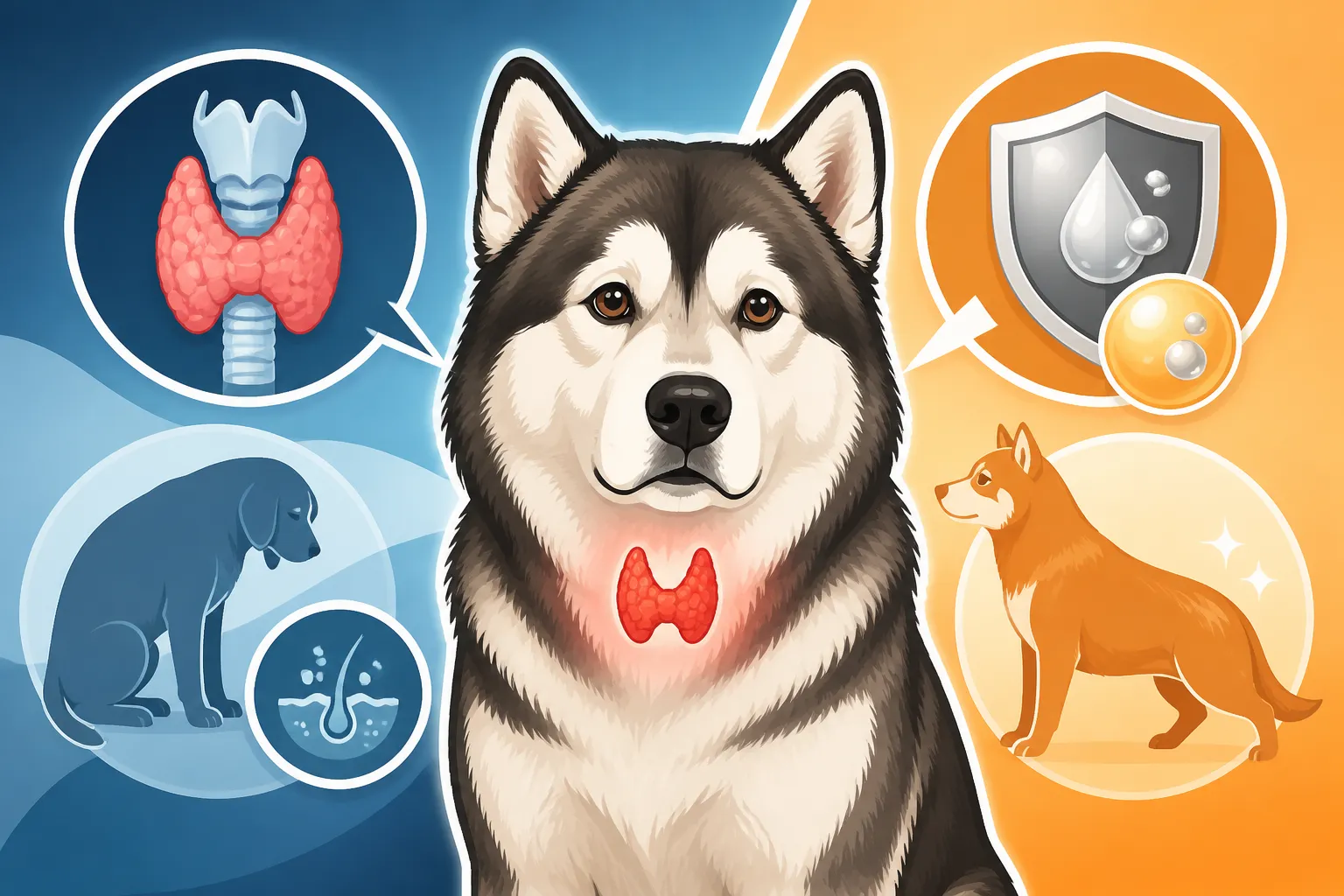
Whether a Malamute’s Thyroid Disease Is Mistaken for Zinc Deficiency
It's incredibly frustrating when your beloved Alaskan Malamute starts showing signs of being unwell, and the symptoms seem to point in several directions at once. You might notice changes in their coat, a general slowing down, or an uncharacteristic lack of enthusiasm, and immediately wonder what's going on. One common area of confusion for Malamute owners and even some vets is distinguishing between thyroid disease and zinc deficiency, as their outward manifestations can mimic each other, making an accurate diagnosis a real puzzle. This guide aims to clear up that confusion, offering a deep dive into how to tell these two distinct health challenges apart in your Malamute.
The Overlap of Symptoms: Why It's So Confusing
When your Malamute isn't feeling 100%, their body often communicates distress through observable changes. What makes thyroid issues and zinc deficiency particularly tricky is that they frequently present with a similar "package" of symptoms, especially those affecting the skin and coat, which are often the first things we notice.
Common Skin and Coat Issues in Malamutes
Alaskan Malamutes are renowned for their magnificent double coats, a dense insulation designed to withstand arctic temperatures. So, when this glorious fur starts to look dull, thin, or even fall out, it’s a huge red flag. Both hypothyroidism and zinc responsive dermatosis can lead to significant changes in their skin and coat, making it difficult to pinpoint the exact cause just by looking.
With hypothyroidism, you might observe a generalized thinning of the coat, often symmetrical, particularly over the flanks, tail, and neck. The fur might feel brittle, dry, and lack its usual luster. Their skin can become thickened, pigmented, and sometimes scaly, often referred to as a "rat tail" or "puppy coat" where the guard hairs are lost. You might even notice secondary bacterial infections due to compromised skin health, leading to redness, itching, and unpleasant odors. The frustration here is palpable, as you're brushing, grooming, and seeing no improvement, possibly even worsening, despite your best efforts.
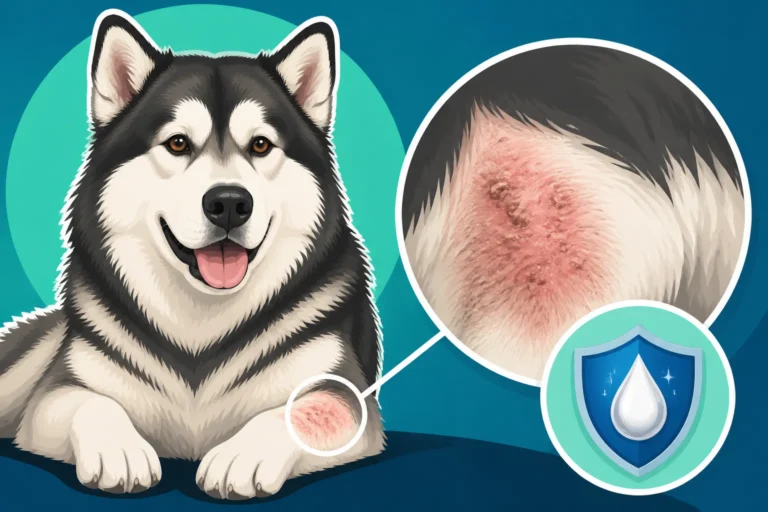
Similarly, What Zinc Responsive Dermatosis Looks Like on a Malamute involves severe skin and coat problems. You'll see crusting, scaling, and hair loss, often prominently around the eyes, muzzle, ears, and pressure points like elbows and hocks. The skin can become quite inflamed and thickened in these areas, and like thyroid disease, secondary bacterial or yeast infections are common, further complicating the picture with itching and discomfort. It's not uncommon for a Malamute with zinc deficiency to have a greasy or oily coat texture in affected areas, alongside the dryness and crusting, which can be baffling.
Beyond the Skin: Other Shared Indicators
The confusion doesn't stop at the skin. Both conditions can manifest with more systemic signs that add to the diagnostic challenge. Lethargy and a general decrease in activity levels are classic symptoms of hypothyroidism. Your normally energetic Malamute might become unusually sluggish, less interested in walks, or seem mentally dull. They might gain weight despite no change in diet, struggle with cold intolerance, or just appear "off." This generalized unwellness can be easy to attribute to a host of other issues, or even just aging, which can delay proper investigation.
Zinc deficiency, while primarily manifesting through dermatological signs, can also impact a Malamute's overall vitality. While not as commonly associated with profound lethargy or weight gain as hypothyroidism, a dog struggling with chronic skin discomfort and potential systemic inflammation from secondary infections will certainly not be feeling their best. They might show reduced energy, be less playful, or seem irritable due to persistent itching and discomfort. An owner might just see a dog that isn't thriving, leading them to search for a catch-all explanation without realizing two very different internal mechanisms are at play.
Unraveling the Mystery: Diagnosing Thyroid Issues in Malamutes
Given the overlapping symptoms, a proper diagnosis is crucial. This is where your veterinarian's expertise, combined with specific diagnostic tools, becomes invaluable. Rushing to conclusions based on symptoms alone can lead to ineffective treatments and continued discomfort for your Malamute.
Understanding Hypothyroidism in Alaskan Malamutes
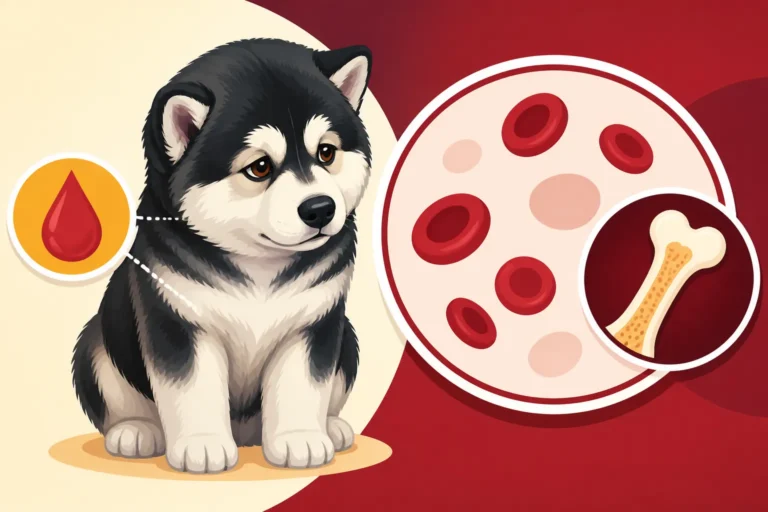
Hypothyroidism is a condition where the thyroid gland, located in the neck, doesn't produce enough thyroid hormones. These hormones are absolutely vital for regulating metabolism in every cell of the body. When they're deficient, almost every bodily function can slow down. Alaskan Malamutes, like several other large breeds such as Golden Retrievers, Doberman Pinschers, and Great Danes, have a genetic predisposition to developing hypothyroidism. This means their genetic makeup makes them more susceptible to the disease, often due to an autoimmune process where the body's immune system mistakenly attacks and destroys the thyroid gland.
The clinical signs of hypothyroidism can be subtle at first and gradually worsen over time. Beyond the skin and coat issues we've discussed, you might notice other changes. A hypothyroid Malamute might exhibit a decreased heart rate (bradycardia), cold intolerance (seeking warm spots, shivering), and even neurological signs like weakness or ataxia in severe cases. Some dogs might show reproductive issues, like irregular heat cycles in females or low sperm count in males. They might also develop a "tragic" facial expression due to thickening of the facial skin. This is why if you suspect Whether a Malamute Gets Hypothyroidism, a vet visit is paramount.
The Diagnostic Process: Blood Tests and Interpretation
Diagnosing hypothyroidism typically involves a comprehensive blood test known as a thyroid panel. This isn't just a single measurement; a complete panel usually includes:
- Total T4 (TT4): Measures the total amount of thyroid hormone in the blood. This is often the first screening test.
- Free T4 (fT4): Measures the unbound, active form of thyroid hormone. This is generally considered more accurate as it's less affected by non-thyroidal illnesses or certain medications.
- Canine TSH (cTSH): Measures thyroid-stimulating hormone. In hypothyroid dogs, TSH levels are usually high because the pituitary gland is working overtime trying to stimulate a failing thyroid.
It's vital to get a full panel because relying on just one value, like TT4, can be misleading. For instance, some medications (like steroids or sulfa-based antibiotics) or other illnesses can suppress TT4 levels, leading to a false positive for hypothyroidism, a phenomenon known as "sick euthyroid syndrome." This is where the patient has normal thyroid function but low thyroid hormone levels due to other factors. A reputable veterinary diagnostic lab that specializes in canine thyroid testing, such as those that follow recommendations from organizations like the American Association of Veterinary Endocrinologists (AAVE), will provide the most reliable results. When discussing these diagnostic steps and potential ongoing treatment, it’s also good to consider pet insurance options. Providers like Healthy Paws can often help cover a portion of these diagnostic tests and long-term medication costs if you enroll before symptoms appear.
Pinpointing Zinc Deficiency: A Distinct Malamute Challenge
While thyroid issues affect metabolism broadly, zinc deficiency in Malamutes points to a very specific metabolic quirk. It's not just about not getting enough zinc in their diet; it's often about their body's inability to process it effectively.
Zinc Responsive Dermatosis: A Breed-Specific Predisposition
Alaskan Malamutes are particularly susceptible to a condition called Zinc Responsive Dermatosis (ZRD), which is an inherited metabolic disorder. Unlike a simple dietary zinc deficiency you might see in a dog fed a very poor diet, ZRD in Malamutes is often due to an inherited defect in zinc absorption or utilization. This means even if your Malamute is eating a high-quality, zinc-rich diet, their body struggles to absorb and use the zinc properly from the gastrointestinal tract. This genetic predisposition means they need more dietary zinc than other breeds, or they need it in a form that is more readily absorbed.
The skin lesions associated with ZRD have a very characteristic appearance and distribution. You'll typically see areas of hair loss, redness, crusting, and scaling, particularly on the face around the eyes and muzzle, the ear flaps, and the chin. Other common locations include the elbows, hocks, and other pressure points, as well as the footpads, which can become thickened and cracked. Where a Malamute's Zinc Lesions Appear First can often give a strong clue to your vet. These lesions can be intensely itchy and painful, leading to secondary infections if the skin barrier is compromised. It’s a frustrating cycle of itching, scratching, and worsening skin health, often mistaken for allergies or other skin conditions if a vet isn't familiar with breed-specific predispositions.
Diagnosing Zinc Deficiency: A Multi-faceted Approach
Diagnosing ZRD can sometimes be less straightforward than diagnosing hypothyroidism because blood tests for zinc levels aren't always definitive. A dog with ZRD can sometimes have normal serum zinc levels, yet still suffer from the cellular inability to utilize it. Therefore, veterinarians often employ a multi-faceted approach:
- Skin Biopsy: This is often the most definitive diagnostic tool. A small tissue sample is taken from an affected skin area and sent to a veterinary pathologist. Under the microscope, ZRD shows specific changes in the skin cells that are characteristic of zinc deficiency, even if systemic zinc levels are normal.
- Response to Supplementation: This is a key diagnostic and therapeutic approach. If ZRD is suspected, your vet might recommend a trial of zinc supplementation, usually at higher-than-normal doses, with a readily absorbable form of zinc (like zinc methionine or zinc sulfate). A dramatic improvement in skin condition within a few weeks to a couple of months can strongly confirm the diagnosis.
- Dietary History and Exclusion: Your vet will also take a detailed dietary history, assessing if there are any factors in the diet that could be hindering zinc absorption, such as high levels of calcium or phytates found in certain grains. While less common as a primary cause in Malamutes with ZRD, ruling out dietary imbalances is part of a thorough investigation.
It's important to remember that treating ZRD is often a lifelong commitment. Once diagnosed, your Malamute will likely need zinc supplementation for the rest of their lives. This can involve ongoing medication costs, which is another instance where a robust pet insurance plan like Healthy Paws can provide peace of mind, potentially helping with the expenses of chronic management. Ignoring or misdiagnosing this condition can lead to persistent discomfort, secondary infections, and a significant reduction in your Malamute's quality of life.
Differentiating the Two: Key Clues and Vet's Role
While the similarities can be striking, there are often subtle differences that, when combined with proper diagnostic testing, can clearly distinguish between thyroid disease and zinc deficiency in Alaskan Malamutes.
Subtle Differences in Presentation
Here’s a table that highlights some of the key differences in how these two conditions might present:
| Symptom/Characteristic | Hypothyroidism (Thyroid Disease) | Zinc Responsive Dermatosis (Zinc Deficiency) |
|---|---|---|
| Primary Cause | Autoimmune destruction of thyroid gland, low hormone production. | Inherited defect in zinc absorption/utilization, or true dietary deficiency. |
| Hair Loss Pattern | Often symmetrical, generalized thinning, "rat tail" over flanks/tail. | More patchy, severe hair loss, especially on face, ears, pressure points. |
| Skin Appearance | Thickened, hyperpigmented, scaly, dull coat, possibly secondary infection. | Crusting, scaling, redness, inflammation, often greasy in affected areas, secondary infection. |
| Location of Lesions | Generalized thinning, trunk, tail. | Muzzle, around eyes, ear flaps, chin, elbows, hocks, footpads. |
| Energy Level | Significant lethargy, mental dullness, decreased activity. | Can be reduced due to discomfort, but not typically profound lethargy or mental dullness. |
| Weight Changes | Tendency to gain weight despite normal or reduced food intake. | Less directly linked to weight gain; might lose weight if discomfort reduces appetite. |
| Cold Tolerance | Marked intolerance to cold, seeking warmth. | Not a primary symptom, though overall health may be compromised. |
| Diagnosis | Comprehensive thyroid blood panel (TT4, fT4, cTSH). | Skin biopsy, response to zinc supplementation, sometimes serum zinc levels. |
| Treatment | Lifelong thyroid hormone replacement medication. | Lifelong zinc supplementation, possibly adjusting diet. |
While you might observe your Malamute being significantly more lethargic with hypothyroidism compared to the general "unwellness" of zinc deficiency, these are subtle behavioral nuances that only a very observant owner might pick up. The key takeaway is that relying solely on your observations, without the backing of professional veterinary diagnostics, is a risky path. Your vet has the expertise to interpret these subtle cues alongside clinical examination findings.
The Importance of Comprehensive Testing
Because of the symptom overlap, a veterinarian will often recommend a diagnostic workup that includes tests for both conditions if the clinical picture isn't clear-cut. This might mean running a full thyroid panel and, if those results are normal but skin issues persist, moving on to a skin biopsy for zinc deficiency. It's not about being over-tested, but about being thoroughly investigated to ensure an accurate diagnosis.
Self-diagnosing or pushing for treatment based on only one suspicion can be detrimental. For example, if you or a vet mistakenly treat for zinc deficiency when it's actually hypothyroidism, the underlying metabolic issue will continue to wreak havoc, and your Malamute's condition will only worsen. Conversely, if you treat for hypothyroidism and the problem is zinc deficiency, the skin issues will not resolve. This leads to wasted time, money, and most importantly, prolonged suffering for your furry companion. Trusting your vet to guide the diagnostic process, even if it feels extensive, is the best course of action. It's about getting to the root cause so that truly effective and targeted treatment can begin, avoiding the trial-and-error approach that can be so hard on both the dog and the owner. The long-term costs of treating these conditions are also something to consider. What Zinc Supplementation Costs Over a Malamute's Life can add up, as can thyroid medication, making early and accurate diagnosis financially beneficial too.
Long-Term Management and Outlook
Once an accurate diagnosis is made, both hypothyroidism and zinc responsive dermatosis are manageable conditions, though they typically require lifelong commitment from the owner. Understanding the long-term outlook can help you prepare for the journey ahead.
Treating Thyroid Disease in Malamutes
If your Malamute is diagnosed with hypothyroidism, the good news is that it's typically very treatable. The standard treatment involves lifelong daily oral administration of a synthetic thyroid hormone, usually levothyroxine. Your veterinarian will determine the correct starting dose based on your dog's weight and the severity of their condition.
After starting medication, your Malamute will need follow-up blood tests, usually around 4-8 weeks later, to check their thyroid hormone levels and adjust the dosage as needed. Once a stable dose is achieved, monitoring typically continues every 6-12 months. With consistent treatment, you should see a significant improvement in symptoms. Lethargy will decrease, their coat quality will improve (though it can take several months for new hair growth), and they should regain their typical Malamute zest for life. Most Malamutes with hypothyroidism live full, happy lives with proper medication and regular veterinary care. The key is strict adherence to the medication schedule and routine check-ups.
Managing Zinc Responsive Dermatosis
For Malamutes diagnosed with Zinc Responsive Dermatosis, management also involves lifelong supplementation. This usually means administering zinc supplements daily. Your vet will recommend the appropriate form and dosage of zinc, often a highly bioavailable form like zinc methionine or zinc sulfate, to bypass the absorption defect. It's important to monitor for signs of gastric upset, as high doses of zinc can sometimes cause nausea or vomiting, and adjust the dose accordingly.
Similar to thyroid treatment, you'll need regular vet check-ups to assess the effectiveness of the supplementation and monitor for any recurrence of skin lesions. Whether a Malamute Needs Zinc for Life is a common question, and the answer for most ZRD cases is yes. It's also critical to ensure their diet doesn't contain ingredients that might interfere with zinc absorption, such as excessively high calcium levels found in some large-breed puppy foods or certain grain-heavy formulations (Whether Calcium Blocks a Malamute's Zinc Absorption). With proper and consistent zinc supplementation, the skin lesions typically resolve, and your Malamute can live a comfortable life, free from the constant itch and discomfort.
A Proactive Approach to Malamute Health
Ultimately, for both conditions, early recognition of symptoms and a proactive approach to veterinary care are paramount. Don't hesitate to bring any changes in your Malamute's health, no matter how subtle, to your vet's attention. Discussing the breed's predispositions to conditions like hypothyroidism and ZRD with your vet can help guide their diagnostic choices.
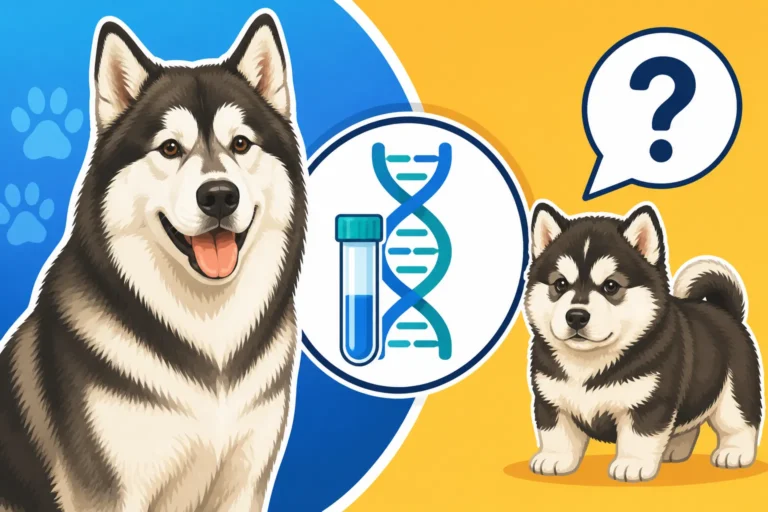
Furthermore, if you are considering bringing an Alaskan Malamute into your home, always seek out reputable breeders who perform comprehensive health testing on their breeding stock. The Health Tests Both Alaskan Malamute Parents Should Have often include screening for genetic predispositions to various conditions, although ZRD itself might not have a widely available genetic test in all lines. Being informed and prepared is the best way to ensure your magnificent Malamute lives a long, healthy, and happy life by your side.
Disclaimer
The information provided in this article is for general educational purposes only and is not intended as a substitute for professional veterinary advice. Always consult with a qualified veterinarian for any health concerns or before making any decisions related to your Alaskan Malamute's health and treatment.