Whether an Alaskan Malamute Gets Lymphoma
It’s a heartbreaking moment for any dog owner when you hear the dreaded "C" word from your vet. Cancer is a reality many of us face with our beloved companions, and for Alaskan Malamute parents, it's natural to wonder about the specific health challenges our magnificent dogs might encounter. This guide aims to shed light on lymphoma in Alaskan Malamutes, exploring what it is, how to recognize its signs, and what steps you can take if your furry friend is diagnosed.
Understanding Lymphoma in Dogs and Alaskan Malamutes
Just like in humans, cancer is a complex and often frightening disease in dogs. Lymphoma, in particular, is one of the most common cancers diagnosed in canines, affecting the lymphatic system – a vital part of the body's immune defense. It's a disease that doesn't discriminate based on breed entirely, but some breeds do show a higher predisposition.
What Lymphoma Actually Is
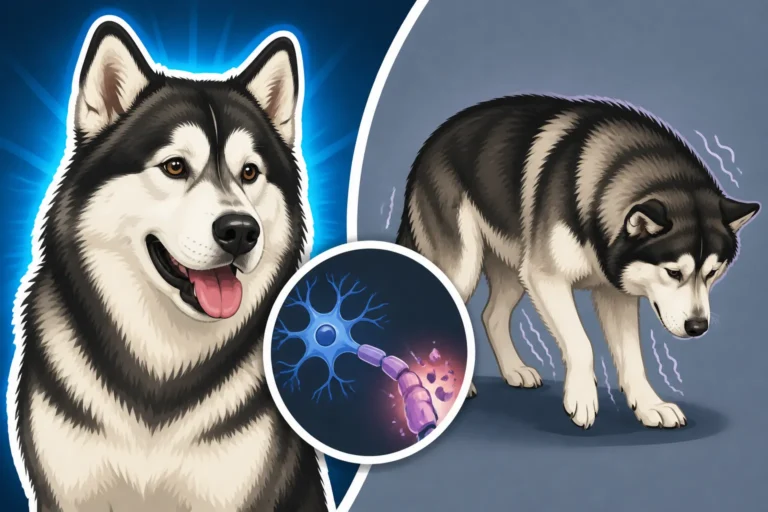
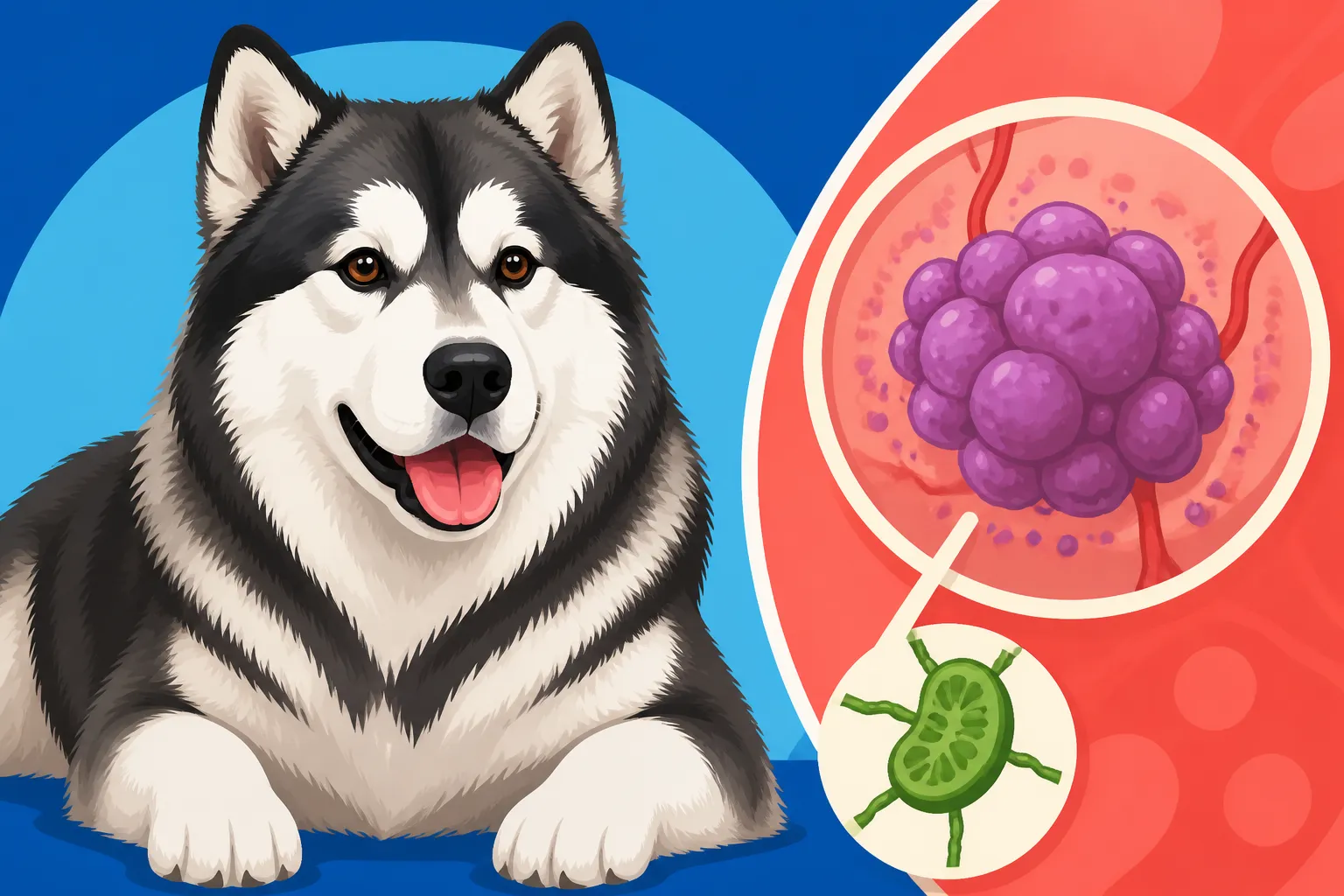
Lymphoma is a cancer of lymphocytes, a type of white blood cell, and lymphoid tissues. These tissues are found throughout your dog's body, including the lymph nodes, spleen, liver, bone marrow, and gastrointestinal tract. Because lymphocytes are everywhere, lymphoma can appear almost anywhere, which is why it has so many varied presentations and can be incredibly confusing for owners. When your vet says "lymphoma," it's not a single disease, but rather a group of cancers with different behaviors and prognoses.
The lymphatic system is essentially the body's drainage system, filtering waste and fighting infection. When lymphocytes become cancerous, they start to multiply uncontrollably, forming tumors that can overwhelm these crucial organs. This disruption impacts the body's ability to fight off disease and maintain normal function, leading to a host of symptoms that can range from vague and non-specific to quite severe. Understanding this basic function helps to grasp why the signs of lymphoma can be so diverse, affecting anything from your Malamute's gut to its skin.
Why Alaskan Malamutes Might Be Prone
While specific studies definitively linking Alaskan Malamutes to a statistically higher risk of lymphoma compared to all other breeds are not extensively highlighted, certain large breeds are generally understood to have an elevated risk for various cancers, and lymphoma is a significant concern for many. Breeds like Golden Retrievers, Boxers, and Rottweilers are frequently cited for higher incidences of lymphoma. Alaskan Malamutes, as a robust, ancient breed, have their own set of genetic predispositions, and while lymphoma might not be at the top of a specific "Malamute-only" disease list, it's certainly a disease that owners should be aware of.
It's less about a Malamute having a unique genetic flaw that causes lymphoma and more about the general increased lifetime cancer risk that many large, purebred dogs face. This often comes down to complex genetic factors that we're still learning about, but also simply the longer lifespan and larger cell mass that larger dogs possess. Because the lymphatic system is so widespread, any dog can develop lymphoma, and the serious nature of the disease means it's always a possibility to consider when unusual symptoms arise, regardless of specific breed statistics. Being prepared and vigilant about your Malamute's health is always the best approach. You might find it useful to learn more about Which Cancers Alaskan Malamutes Get to understand the broader cancer landscape for the breed.
Recognizing the Subtle Signs of Lymphoma
The challenge with lymphoma, and many cancers, is that the early signs can be incredibly subtle, easily mistaken for common ailments, or even just dismissed as "aging." This is particularly true for our stoic Alaskan Malamutes, who often mask discomfort until a problem is quite advanced, a trait common in many working breeds.
Swollen Lymph Nodes and Other Physical Clues
The most common form of lymphoma, accounting for 80-85% of cases, is multicentric lymphoma, which primarily affects the peripheral lymph nodes. These are the nodes you can actually feel on your dog. Learning where these are and how to check them regularly is a crucial step in early detection. You'll want to gently feel under your Malamute’s jaw, in front of the shoulders, in the armpits, in the groin area, and behind the knees. Normal lymph nodes are small, soft, and easily missed. However, if they are enlarged, firm, and non-painful, it’s a red flag that warrants immediate veterinary attention. They often feel like hard, rubbery lumps, sometimes the size of a grape or even a small plum, depending on their location and how advanced the disease is.
These swollen nodes might be the only initial sign you notice, especially if your Malamute is otherwise acting normally. Don't wait for other symptoms to appear. Beyond the nodes, more general, non-specific signs can emerge as the disease progresses or if it affects other organ systems. These include lethargy or a noticeable decrease in energy, a loss of appetite, or unexplained weight loss. Your Malamute might just seem "off," less enthusiastic about walks or play, or they might start leaving food in their bowl, which is often out of character for these food-motivated dogs. Any Lumps Worth Checking on an Alaskan Malamute should always be evaluated by a vet, especially if they are firm and persistent.
Gastrointestinal and Other Less Obvious Forms
Lymphoma isn't always about palpable lumps. Other forms can present with entirely different symptoms, making diagnosis trickier. Gastrointestinal (GI) lymphoma, for example, affects the stomach and intestines. This type often causes chronic vomiting, diarrhea, and significant weight loss because the dog can't properly absorb nutrients. Your Malamute might have a consistently upset stomach, refusing meals, or showing signs of discomfort after eating. These symptoms can easily be confused with other GI issues, so careful observation and communication with your vet are essential.
Cutaneous lymphoma, which affects the skin, can appear as red, flaky patches, nodules, ulcers, or generalized redness and itching. These lesions might be mistaken for allergies or other skin conditions, but they often don't respond to typical treatments for those issues. You might notice unusual skin changes or Whether a Malamute's Crusty Skin Means Zinc Deficiency, but it’s vital to consider other possibilities if symptoms persist or worsen. A Malamute's coat is thick, so you'll need to really get in there to check their skin regularly. In rarer cases, mediastinal lymphoma can affect the lymph nodes in the chest, leading to symptoms like coughing, difficulty breathing, or increased thirst and urination due to elevated calcium levels. This can be particularly concerning and warrants immediate veterinary intervention.
Diagnosis and Treatment Options for Malamutes
Receiving a potential diagnosis of lymphoma can be terrifying, but it's important to remember that significant advancements have been made in veterinary oncology. Getting a definitive diagnosis and understanding the available treatment options are the next crucial steps.
Getting a Definitive Diagnosis
The first step after suspicion is a visit to your veterinarian. They will perform a thorough physical exam, feeling for enlarged lymph nodes and checking your Malamute's overall health. If swollen nodes are present, the most common diagnostic tool is a Fine Needle Aspirate (FNA). This involves taking a small sample of cells from the enlarged node with a needle and examining them under a microscope. While often quick and minimally invasive, an FNA doesn't always provide a definitive answer, especially if the sample isn't sufficient or if the cells aren't clearly cancerous.
In cases where FNA results are inconclusive, or if lymphoma is suspected elsewhere, a biopsy might be recommended. This involves surgically removing a small piece of tissue (or even an entire lymph node) for histopathological examination. This provides a more definitive diagnosis and can help classify the type of lymphoma, which is crucial for determining prognosis and treatment. Additionally, your vet will likely recommend a complete blood count (CBC), chemistry panel, and urinalysis to assess your Malamute's overall health, kidney and liver function, and to check for any other underlying issues. Imaging, such as X-rays or ultrasound, might be used to check internal organs like the spleen, liver, or chest cavity for evidence of the disease. This whole diagnostic process can be emotionally draining, waiting for results and feeling anxious for your furry companion. It's a journey, and every step counts towards understanding and helping your Malamute.
Navigating Treatment Paths
Once a definitive diagnosis of lymphoma is made, your veterinary oncologist will discuss treatment options. For most types of canine lymphoma, chemotherapy is the cornerstone of treatment. There are various chemotherapy protocols available, ranging from single-agent oral medications to multi-agent injectable protocols. The specific protocol recommended will depend on the type of lymphoma, its stage, and your Malamute's overall health. The goal of chemotherapy in dogs is often remission and an improved quality of life, rather than a definitive "cure" in the human sense. Many dogs tolerate chemotherapy remarkably well, with fewer side effects than humans, often just experiencing mild lethargy or gastrointestinal upset.
Another common medication used, often as a palliative measure or in conjunction with chemotherapy, is prednisone, a corticosteroid. Prednisone can temporarily shrink tumors and improve a dog's appetite and energy levels, offering a brief period of relief. However, it's typically not a long-term solution on its own. Radiation therapy is less commonly used for systemic lymphoma but may be considered for localized tumors or to provide pain relief for specific areas. The cost of these treatments can be substantial, which is where having good pet insurance, like a plan from Healthy Paws, can make a huge difference in allowing you to pursue the best possible care without added financial strain. These treatment plans are not cheap, and many owners are shocked by Where a Malamute Owner's Vet Money Actually Goes when facing such a diagnosis.
Proactive Health Management and Support
Living with an Alaskan Malamute, you're already committed to their unique needs. When faced with serious health concerns like lymphoma, this commitment deepens. Proactive health management and unwavering support are vital for their well-being.
Regular Vet Checks and Early Detection
The importance of regular veterinary check-ups simply cannot be overstated, especially as your Malamute ages. Our Malamutes are masters at hiding discomfort, so it's up to us to be diligent. Annual or bi-annual wellness exams give your vet the chance to perform a thorough physical assessment, check lymph nodes, listen to heart and lungs, and discuss any changes in behavior, appetite, or energy levels you might have noticed. These routine visits are your best defense against missing subtle early signs of disease.
As your Malamute enters their senior years, typically around The Age an Alaskan Malamute Counts as a Senior, these check-ups become even more critical. Older dogs are naturally more susceptible to various health issues, including cancers like lymphoma. Your vet might recommend additional diagnostic screenings, such as baseline blood work or imaging, during these visits to catch problems before they become advanced. Keeping an eye on your Malamute's weight and overall condition is also key; changes in What an Alaskan Malamute Actually Weighs can be an indicator of underlying health issues. Remember, you know your dog best. If something feels "off" to you, even if you can't quite pinpoint it, don't hesitate to contact your vet. Early detection significantly improves prognosis for many diseases, including lymphoma.
Supporting Your Malamute Through Lymphoma
A lymphoma diagnosis is undoubtedly challenging, but your Malamute needs your strength and consistent support through this journey. Maintaining their quality of life should always be the top priority. This involves a multi-faceted approach, including nutritional support, pain management, and providing a stable, loving environment. Your vet or veterinary oncologist can provide guidance on specific dietary recommendations, which might involve easily digestible foods or supplements to maintain their strength and appetite. Sometimes simply making food more palatable with warm broth or certain toppers can make a difference.
Pain management is crucial, even if the primary tumors are not overtly painful. Lymphoma can cause systemic discomfort, and your vet can prescribe medications to ensure your Malamute remains as comfortable as possible. This might involve anti-inflammatory drugs or other pain relievers. Beyond medical interventions, continue to provide consistent, gentle exercise within their comfort levels, mental stimulation with puzzle toys or short training sessions, and plenty of affection. Remember that the emotional toll on you is significant, but it's important to keep a brave face for your dog, who picks up on your emotions. Having pet insurance, like a comprehensive plan from Healthy Paws, can alleviate much of the financial stress associated with long-term care and medications, allowing you to focus on your Malamute's comfort and well-being. Thinking about The Full Cost of Twelve Years With an Alaskan Malamute often brings vet bills to mind, and cancer treatments are a large part of that.
Lymphoma is a serious disease, but it's not an immediate death sentence. Many dogs can achieve remission and live for months or even years with a good quality of life with appropriate treatment and dedicated care. Focus on making every day count and cherishing the time you have with your incredible Alaskan Malamute.
Disclaimer
The information provided in this guide is for general informational purposes only and does not constitute medical advice. Always consult with a qualified veterinarian for any health concerns or before making any decisions about your Alaskan Malamute's medical care.