What Treating a Malamute’s Zinc Dermatosis Costs
Discovering crusty, flaky skin on your beloved Alaskan Malamute can be incredibly disheartening and worrying. It often signals something more than just dry skin, and for Malamute owners, the phrase "zinc-responsive dermatosis" can bring a wave of concern, not just for their dog's comfort but also for their wallets. This guide aims to thoroughly break down the various costs involved in diagnosing, treating, and managing this often lifelong condition, helping you prepare for the financial journey ahead.
Understanding Zinc-Responsive Dermatosis in Malamutes
Zinc-responsive dermatosis is a condition where a dog's body can't properly absorb or utilize zinc, leading to a host of uncomfortable skin issues. For Alaskan Malamute owners, it’s a reality we often face, and it's frustrating because it's not always about a lack of zinc in the food, but a problem with how their unique systems process it. It's a genetic predisposition that makes our strong, resilient Malamutes surprisingly vulnerable to a micronutrient deficiency.
Genetic Predisposition and Breed Specifics
Alaskan Malamutes, along with a few other Nordic breeds, are genetically predisposed to this condition. It's one of those quirks of the breed that, while making them unique, also means we have a few extra things to watch out for. Unlike other breeds that might simply need a diet change to address a zinc deficiency, our Malamutes often struggle with the absorption itself, meaning dietary zinc alone might not be enough. This inherited glitch in their metabolism means that even with a high-quality diet, they might still develop symptoms. It's a frustration many Malamute owners share, knowing they're doing everything right, yet their dog still suffers. For a deeper dive into the condition itself, you might find our article Zinc Responsive Dermatosis in an Alaskan Malamute particularly helpful.
Symptoms to Watch For
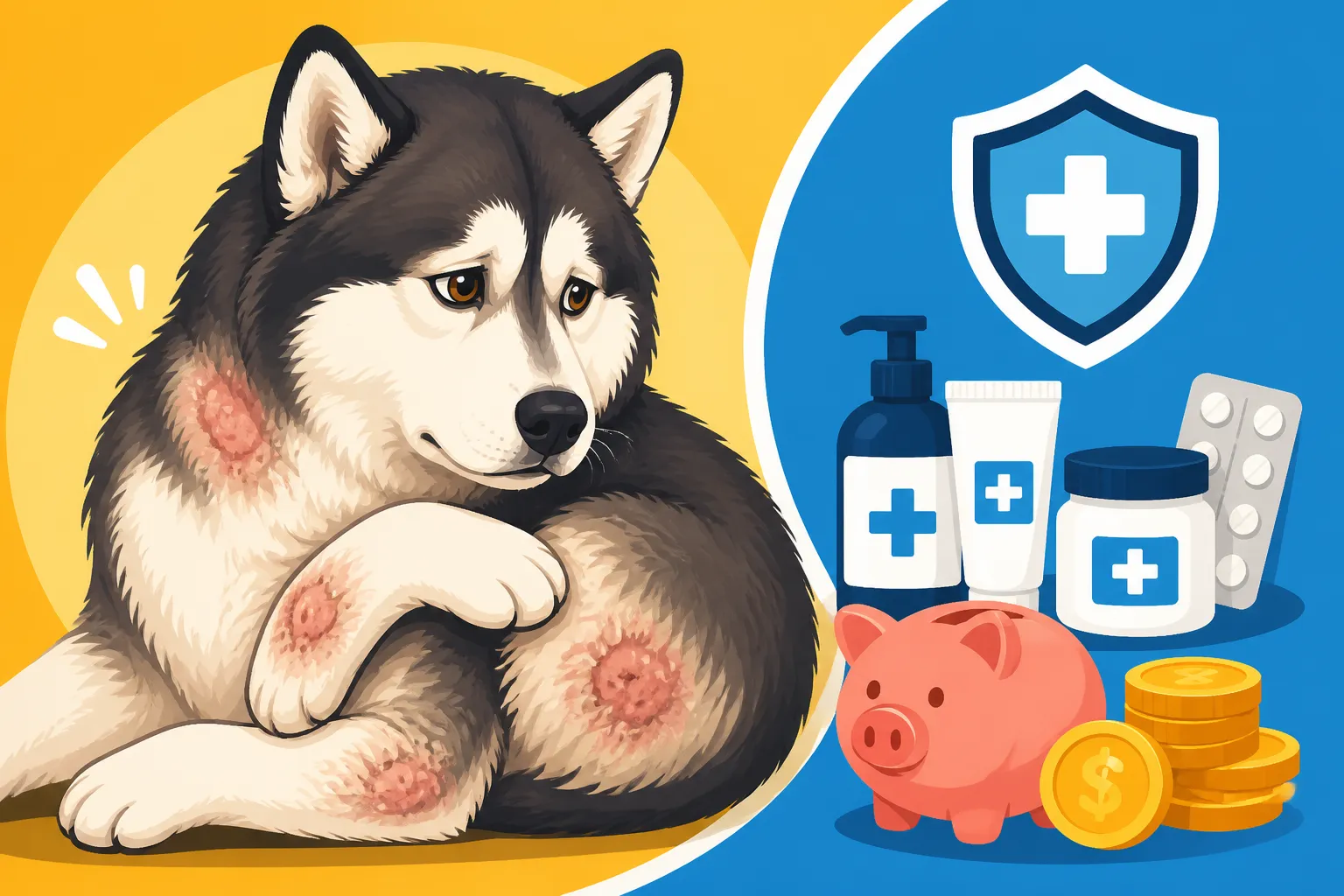
The signs of zinc-responsive dermatosis typically manifest as skin lesions, often starting around the eyes, mouth, chin, and ears. You might see crusting, scaling, redness, and hair loss in these areas. Sometimes, the paw pads can thicken and crack, and in severe cases, secondary bacterial or yeast infections can develop, leading to itching, pain, and a distinct odor. It's not just a cosmetic issue; it's genuinely uncomfortable for our dogs. Imagine having perpetually itchy, crusty skin that just won't heal! The emotional toll of seeing your robust Malamute in such discomfort is significant. Spotting these signs early is crucial, as chronic inflammation can lead to more severe problems down the line. Keep an eye on areas like the muzzle and around the eyes, as these are often where Whether a Malamute's Muzzle Crusts First and Whether a Malamute Loses Hair Around Its Eyes become apparent.
The Initial Vet Visit: Diagnosis and Testing
When you first notice these symptoms, your immediate instinct is to get your Malamute to the vet. This initial visit kicks off the diagnostic process, which, while essential, also marks the beginning of the financial investment. It's a necessary step to rule out other skin conditions and confirm zinc-responsive dermatosis.
Initial Consultation Fees
The very first step is a consultation with your general practice veterinarian. They'll perform a thorough physical examination, discuss your Malamute's history, diet, and symptoms. Consultation fees can vary widely depending on your location and the clinic, but expect a standard visit to have a base cost. This fee covers the vet's time, expertise, and the initial assessment. It’s the foundational cost before any specialized tests even begin. You're paying for their professional eye to get a clearer picture of what's going on with your furry friend.
Diagnostic Tests: Bloodwork and Biopsies
To confirm zinc-responsive dermatosis and rule out other conditions like allergies, hypothyroidism (which can sometimes mimic skin issues), or other nutritional deficiencies, your vet will likely recommend diagnostic tests.
- Bloodwork: This usually includes a complete blood count (CBC) and a biochemistry panel to assess overall health, organ function, and rule out systemic issues. While specific zinc levels in the blood aren't always a definitive diagnostic tool for this particular condition (because absorption is the issue, not necessarily circulating levels), it can provide supportive information.
- Skin Scrapes and Cytology: These are often performed to check for mites or yeast/bacterial infections that might be causing or exacerbating the skin problems. These are relatively quick and less invasive tests.
- Skin Biopsy: This is often considered the most definitive diagnostic tool for zinc-responsive dermatosis. A small piece of affected skin is surgically removed, usually under local anesthesia or light sedation, and sent to a veterinary dermatopathologist for examination. The pathologist looks for specific microscopic changes in the skin that are characteristic of zinc deficiency. This is a more involved procedure, and the cost will reflect the anesthesia, the biopsy itself, and the pathology lab fees.
- Zinc Level Testing: As mentioned, measuring blood zinc levels can be tricky with this condition, but some vets may still include it. The challenge is that serum zinc levels can appear normal even when the body isn't absorbing it properly at the cellular level. This is why other diagnostic methods are often more reliable. Knowing What Zinc Testing Costs a Malamute Owner is helpful for your budgeting.
A dermatology referral might be recommended if your general vet is unsure or if the case is complex. Whether a Dermatology Referral Costs a Malamute Owner can add another layer of expense, but sometimes a specialist's expertise is invaluable.
| Diagnostic Test | Purpose | General Cost Shape (Relative) |
|---|---|---|
| Initial Consultation | General assessment, history, physical exam | Low |
| Skin Scrape/Cytology | Check for mites, yeast, bacteria | Low to Moderate |
| Full Blood Panel (CBC/Chem) | General health, rule out systemic issues | Moderate |
| Zinc Blood Level Test | Measure circulating zinc (sometimes inconclusive for Mal absorption) | Moderate |
| Skin Biopsy (with pathology) | Definitive diagnosis for zinc-responsive dermatosis | High |
Treatment Protocol: Supplements and Medications
Once a diagnosis of zinc-responsive dermatosis is confirmed, the next phase is treatment. This typically involves zinc supplementation, often for the rest of your Malamute's life, and sometimes additional medications to manage secondary infections or inflammation. This ongoing need is a crucial aspect of What Zinc Supplementation Costs Over a Malamute's Life.
Types of Zinc Supplements
Zinc supplements are the cornerstone of treatment. Not all zinc supplements are created equal, and finding the right type and dosage for your Malamute might involve a bit of trial and error under veterinary guidance.
- Zinc Sulfate: This is a common and often effective form. It's generally readily available and can be a good starting point.
- Zinc Methionine: Many vets prefer this chelated form of zinc because it's thought to be more easily absorbed by the body. This can be especially beneficial for Malamutes with absorption issues. You might wonder Which Zinc Supplement Suits a Malamute best, and your vet will guide you.
- Other Chelated Forms: There are various other chelated zinc compounds available, all designed for better bioavailability.
The cost of zinc supplements will depend on the brand, the form (tablets, capsules, liquid), and the dosage required for your Malamute's size and the severity of their condition. While not exorbitantly expensive per bottle, it becomes an ongoing monthly expense. You can often purchase these from your vet, a pet pharmacy, or even reputable online retailers like Chewy, which offers a variety of supplement brands.
Anti-Inflammatory or Antibiotic Medications
If your Malamute has developed secondary bacterial or yeast infections due to the compromised skin barrier, your vet will prescribe additional medications.
- Antibiotics: These are crucial for clearing up bacterial skin infections. They can be oral medications or topical creams/ointments, depending on the severity and location of the infection. A course of antibiotics can last anywhere from a couple of weeks to over a month, adding to the immediate treatment costs.
- Antifungals: If a yeast infection is present, antifungal medications (oral or topical) will be prescribed.
- Anti-Inflammatories/Corticosteroids: In cases of severe inflammation and itching, a short course of corticosteroids might be used to provide rapid relief and make your Malamute more comfortable while the zinc starts to take effect. These are generally used cautiously and for short durations due to potential side effects but can be a godsend for a dog in distress.
These adjunctive medications are typically for the initial flare-up and secondary infections, and ideally, as the zinc supplementation takes hold and the skin barrier improves, the need for these should decrease. However, future flare-ups might necessitate repeat courses, which underscores the importance of consistent management.
Ongoing Management: Lifetime Costs and Monitoring
Zinc-responsive dermatosis in Alaskan Malamutes is often a lifelong condition, meaning the costs extend far beyond the initial diagnosis and treatment. It requires continuous management, monitoring, and adaptation to keep your Malamute comfortable and healthy. It's not just a short-term fix; it's a commitment.
Regular Follow-Up Appointments
Once your Malamute is on a zinc supplementation regimen, regular follow-up appointments with your vet are essential. Initially, these might be more frequent to ensure the dosage is correct and the skin is responding well. As the condition stabilizes, these might become annual check-ups. During these visits, your vet will assess your Malamute's skin, check for any recurrence of symptoms, and discuss any concerns you might have. These appointments incur standard consultation fees, but they are vital for effective long-term management. It’s easy to think once the skin looks better, you can stop, but consistent monitoring prevents setbacks.
Periodic Blood Tests and Adjustments
Even after initial stabilization, your vet might recommend periodic blood tests to monitor your Malamute's overall health and, in some cases, to re-evaluate zinc levels or check for other issues that might arise. This is especially true if you notice symptoms returning or changing. The zinc dosage might need adjustment over time, especially as your Malamute ages or if their activity level changes. These blood tests carry their own costs, similar to the initial diagnostic panels, but they are important for ensuring the long-term efficacy and safety of the treatment. Remember, Whether a Malamute Needs Zinc for Life is a strong possibility, so these costs are likely to continue.
Long-term Supplementation Costs
This is arguably the most significant ongoing cost. Your Malamute will likely need zinc supplements for the duration of their life. As mentioned, the type of zinc, the brand, and the required dosage will dictate the monthly or quarterly expense. These costs can add up significantly over a Malamute's lifespan. Purchasing in larger quantities or through online pharmacies can sometimes offer a slight discount, but it's a permanent line item in your pet care budget. Many owners find value in subscription services or buying in bulk from platforms like Chewy to manage this recurring need.
Beyond Medication: Environmental and Dietary Adjustments
While zinc supplementation is the primary treatment, managing zinc-responsive dermatosis often involves a holistic approach, including careful dietary choices and appropriate skin care. These elements also contribute to the overall cost, though perhaps less directly than vet bills.
Dietary Considerations
The food you feed your Malamute plays a crucial role. Even if the issue isn't a lack of zinc in the diet, certain ingredients can interfere with absorption.
- Calcium and Phytates: High levels of calcium (often found in large breed puppy foods or some supplements) can bind with zinc, making it less available for absorption. Similarly, phytates, which are compounds found in grains and legumes, can also inhibit zinc absorption. This doesn't mean all grains are bad, but it means selecting food carefully. Our post on Which Foods Block a Malamute's Zinc Absorption offers more detail here.
- High-Quality Protein: Ensuring a diet rich in highly digestible animal protein can support overall skin health and nutrient absorption.
- Avoiding "Cheap" Fillers: While budget-friendly options might be tempting, investing in a high-quality kibble or even considering fresh food options (like those offered by Ollie, ensuring they are balanced for Malamutes) can make a difference in nutrient availability and overall health, potentially reducing other health issues down the line. However, always discuss significant dietary changes with your vet to ensure it aligns with their zinc-responsive dermatosis management.
- Supplementing a Raw Diet: If you feed a raw diet, you'll need to be especially diligent about zinc supplementation and ensure the diet is balanced. Whether a Raw Diet Delivers More Zinc to a Malamute is a common question, but due to absorption issues, supplementation is almost always still necessary.
The cost here is indirect. Premium foods often cost more than budget brands. If a fresh food diet is chosen, the costs can be significantly higher than kibble. However, viewing it as an investment in your Malamute's long-term health and comfort can help offset these costs against potential future vet bills for recurring skin issues.
Skin Care and Topical Treatments
Beyond oral supplements, good topical skin care can help manage symptoms, reduce discomfort, and prevent secondary infections.
- Medicated Shampoos: Your vet might prescribe or recommend medicated shampoos containing ingredients like chlorhexidine (for bacterial infections) or ketoconazole (for yeast infections). These can help cleanse the skin, reduce bacterial/yeast load, and alleviate itching. Regular bathing with these products, especially during flare-ups, becomes part of the routine.
- Conditioners and Moisturizers: After medicated baths, using a soothing, hypoallergenic conditioner or a leave-on moisturizer can help restore the skin barrier and prevent dryness, which is particularly important for Malamutes prone to Whether a Malamute's Crusty Skin Means Zinc Deficiency.
- Paw Balms: If your Malamute's paw pads are affected, special paw balms can help soothe cracking and discomfort.
- Elizabethan Collars/E-Collars: During severe flare-ups, an E-collar might be necessary to prevent your Malamute from licking, chewing, or scratching at the affected areas, which can worsen inflammation and introduce more bacteria.
These topical treatments and supportive care items add to the ongoing costs but are crucial for maintaining skin health and preventing more severe discomfort or infections that would require more expensive veterinary intervention.
Financial Planning and Support for Malamute Owners
Caring for an Alaskan Malamute with zinc-responsive dermatosis is a commitment, both emotionally and financially. It’s important to be prepared for the long haul. Understanding these costs upfront can help you plan and explore options for support.
Pet Insurance Considerations
Many Malamute owners consider pet insurance, and for chronic conditions like zinc-responsive dermatosis, it's a complex picture.
- Pre-existing Conditions: The biggest hurdle is that most pet insurance policies will not cover pre-existing conditions. If your Malamute is diagnosed before you get insurance, or within the waiting period, the costs associated with zinc dermatosis will likely be excluded.
- Seeking Coverage Early: This highlights the importance of getting pet insurance as early as possible, ideally when your Malamute is a puppy, before any conditions manifest.
- Accident vs. Illness: Standard policies usually cover accidents and illnesses, but you need to scrutinize the details for chronic conditions and genetic predispositions. Some policies might offer wellness plans that cover routine exams, which would help with follow-up visits, but not the specific treatment for the condition itself if it's considered pre-existing.
- Comparing Providers: It's wise to research different providers like Healthy Paws and compare their coverage, deductibles, and reimbursement rates carefully. Understand what their definition of a "pre-existing condition" is and if there are any breed-specific exclusions for Malamutes.
While pet insurance might not cover this specific condition if it's already diagnosed, it can be invaluable for covering other unexpected illnesses or accidents your Malamute might encounter throughout their life, easing the overall financial burden. You'll want to investigate Whether an Insurer Excludes Malamute Inherited Disease before committing.
Budgeting for Chronic Conditions
Creating a dedicated budget for your Malamute's care, especially if they have a chronic condition, is a smart move.
- Estimate Monthly Costs: Factor in the recurring costs of zinc supplements, specialized food if needed, and routine topical treatments.
- Emergency Fund: It's always a good idea to have an emergency fund for unexpected vet visits, potential secondary infections, or sudden flare-ups that might require immediate attention. How Much a Malamute Owner Should Bank Each Month is a common query, and for chronic conditions, adding a buffer to that amount is wise.
- Long-Term View: Look at the total cost over several years. While individual bills might not seem astronomical, their cumulative nature can be substantial. This long-term perspective helps you prepare adequately. Our comprehensive look at The Full Cost of Twelve Years With an Alaskan Malamute gives a broader financial context for ownership.
Community Support and Resources
You are not alone in this journey. The Alaskan Malamute community is vast and often supportive.
- Breed-Specific Forums and Groups: Online forums and social media groups dedicated to Alaskan Malamutes are excellent resources. You can connect with other owners who have experience with zinc-responsive dermatosis, share tips, and gain emotional support. They might have recommendations for cost-effective supplement suppliers or share their experiences with different vets.
- Alaskan Malamute Rescues: If you adopted a rescue Malamute who later developed the condition, some rescues might offer support or advice, or even have partnerships with vets that could help.
- Veterinary Payment Plans: Some veterinary clinics offer payment plans for larger bills, or you might look into third-party financing options for veterinary care. Always discuss financial concerns openly with your vet; they want to help your Malamute as much as you do.
Living with an Alaskan Malamute is an incredibly rewarding experience, but it comes with unique responsibilities, especially when health challenges like zinc-responsive dermatosis arise. By understanding the potential costs involved and planning proactively, you can ensure your beloved Malamute receives the best possible care, leading a comfortable and happy life despite their condition.
Disclaimer
This article is for general informational purposes only and does not constitute professional advice. Laws, prices and regulations vary by location and change over time. Consult a qualified professional for guidance on your specific situation.