When a Pulling Malamute Should Start Joint Support
One of the most profound worries for any Alaskan Malamute owner, especially those with dogs who truly live up to their heritage by pulling a sled or participating in weight-pull events, is ensuring their majestic companion's joints hold up. It's heartbreaking to see these powerful dogs, bred for endurance and strength, start to show stiffness or discomfort. This guide will walk you through the crucial considerations for when and how to introduce joint support into your pulling Malamute's routine, aiming to keep them comfortable and active for as long as possible.
Understanding the Demands of a Pulling Malamute's Joints
When you watch a Malamute lean into a harness, muscles rippling as they dig in and pull, it's a magnificent sight. But beneath that powerful display of strength lies significant stress on their skeletal system. Their joints, particularly in their hips, elbows, and shoulders, bear the brunt of this work.
The Mechanics of Pulling and Joint Strain
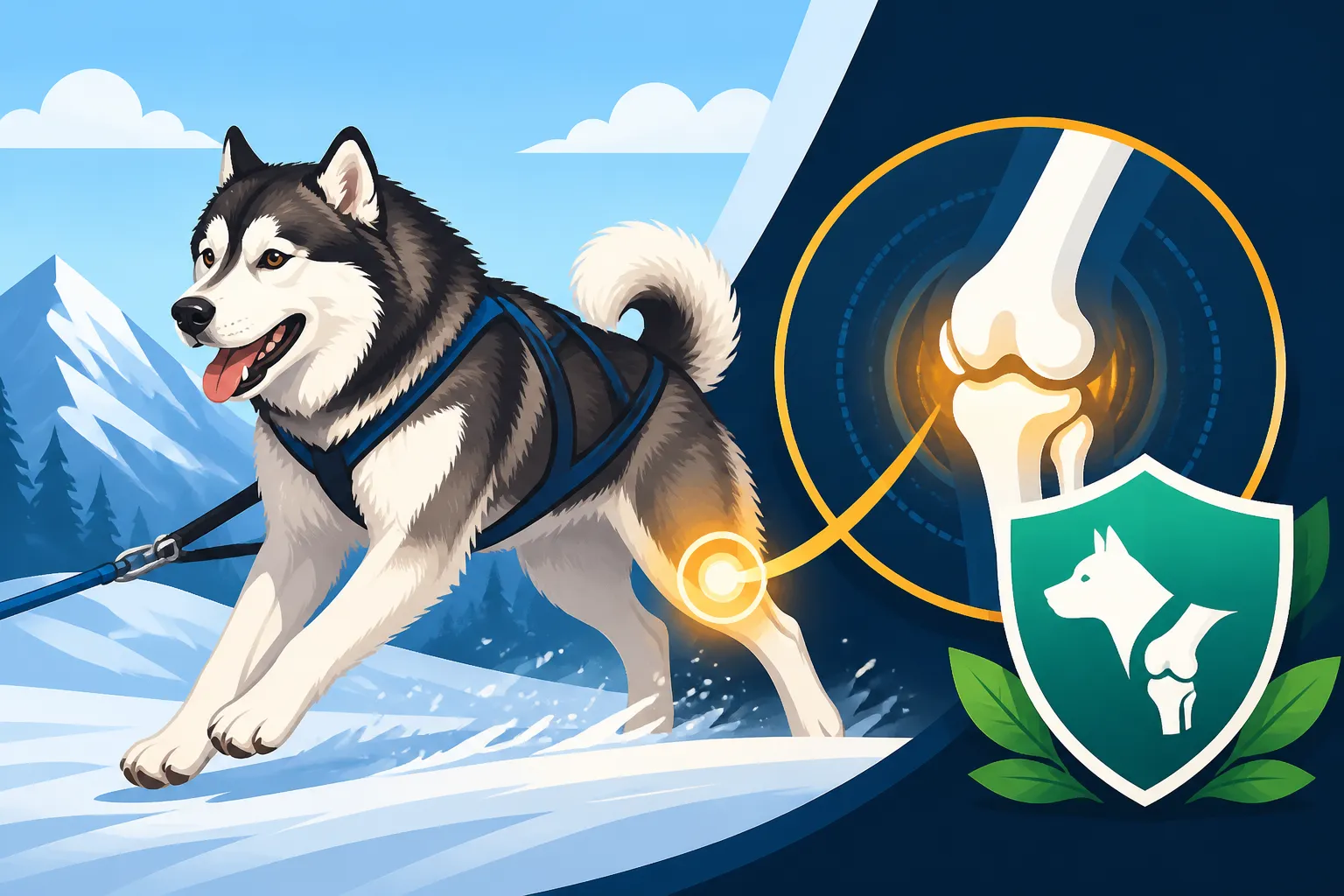
Think about the sheer force involved. Every time a Malamute pushes off with its hind legs, driving forward against the resistance of a sled or a heavy cart, immense pressure is transferred through its hips and spine. The front legs aren't just for steering; they absorb impact and contribute to forward momentum, putting strain on elbows and shoulders. This isn't a gentle stroll; it's a dynamic, high-impact activity, even if performed at a slower freighting pace rather than a breakneck racing speed.
Imagine a crisp winter morning, the snow crunchy underfoot. Your Malamute, hooked up and eager, launches forward. That initial surge of power, the sudden tightening of the harness, sends a jolt through its entire frame. Then, it settles into a steady rhythm, pulling consistently for miles. Each stride is a push, a pull, and an absorption of shock. Over time, this repetitive stress can lead to wear and tear on cartilage, inflammation, and a gradual breakdown of joint health. It's not always a single catastrophic injury, but often a cumulative effect that slowly diminishes comfort and mobility. Even though Malamutes are built for this, their bodies aren't immune to the physics of force and friction.
Growth Plate Closure and Maturity
This brings us to a critical point: timing. A young Malamute puppy might look like a miniature freight dog, full of energy and eagerness, but their skeletal system is still developing. Their growth plates, areas of cartilage at the ends of long bones, are still open and incredibly vulnerable. Exerting significant, sustained force on these developing joints before the growth plates have fully closed can lead to irreversible damage, increasing the risk of conditions like hip and elbow dysplasia later in life. You'll find more on this in The Age a Malamute's Growth Plates Close.
It's tempting to want to get your powerful pup into the harness early, especially if they show a natural inclination to pull everything in sight. However, patience is key. Most Malamutes don't reach full skeletal maturity until they are around 18 to 24 months old, sometimes even a bit later for the larger individuals. Introducing heavy pulling work, or even intense, long-distance activities, before these plates are fused is simply asking for trouble. It's like asking a teenager to lift weights like a seasoned bodybuilder – their bones just aren't ready for that kind of stress. Always prioritize gentle exercise and allow their bodies to mature fully before engaging in serious working endeavors. For details on how much they can safely pull when mature, see How Much Weight a Malamute Can Safely Pull.
Recognizing Early Signs of Joint Stress Even Before Lameness
Often, we only notice joint problems when our dogs are overtly limping, struggling to get up, or refusing activities they once loved. But for a Malamute, especially one that's driven to work, the signs can be much more subtle, easily dismissed as normal fatigue or just being "stubborn." These dogs are stoic and have a high pain tolerance, often masking discomfort until it's quite advanced. Why a Malamute Shows Nothing Until It Cannot Work explores this phenomenon further.
What should you look for? Pay attention to slight changes in gait – maybe a shorter stride in one leg, a subtle head bob, or a shift in weight distribution you only notice when watching them from behind. Is your Malamute a little slower to rise after a nap? Do they hesitate before jumping into the car or climbing stairs, where they once sprang with enthusiasm? Perhaps they're a bit stiff after a long rest, warming up after a few minutes of movement. Even a slight reluctance to play a certain way, or a decrease in their usual exuberant bursts of energy, can be a red flag.
Consider this scenario: your young, powerful Malamute, usually bounding out the door, pauses for a second before hopping into the truck bed, a tiny catch in their movement. You might think, "Oh, they're just thinking about it," but consistently observing these small hesitations can indicate early joint discomfort. Or, after a good long pull, they might choose to lie down immediately rather than sniffing around, and seem a little less enthusiastic on the next outing. These aren't overt limps, but they are whispers from their body that something might be amiss. Being a vigilant observer, and knowing your dog's normal movement patterns intimately, is your best tool for early detection.
The Proactive Approach: When to Introduce Joint Support
Given the potential for joint strain in pulling Malamutes and their stoic nature, a proactive approach to joint health isn't just a good idea – it's practically essential. Waiting for overt symptoms means the problem is already established, and at that point, you're playing catch-up.
Starting Prophylactically: Age and Activity Level
For large, active breeds like the Alaskan Malamute, particularly those engaged in demanding activities like weight pull, sledding, or even extensive hiking, it's generally recommended to begin joint support earlier than you might for a less active dog. While some might suggest waiting until senior years, for a working Malamute, that's often too late to be truly preventative.
A good guideline is to start proactive joint supplementation when your Malamute reaches skeletal maturity, typically around 2 years of age, or even slightly earlier if they are intensely active from a younger age, once growth plates are confirmed to be closed. Think of it as an insurance policy for their hardworking joints. You're not waiting for creaky knees; you're providing the building blocks and anti-inflammatory support before significant wear and tear takes its toll. For dogs that are already showing very subtle signs of stiffness, or those who have had a particularly hard working season, starting sooner rather than later is prudent. It’s not just for older Malamutes; it’s about supporting them through their prime working years.
Types of Joint Support and Their Benefits
The market is flooded with joint supplements, and it can feel overwhelming to choose. Understanding the primary ingredients and their roles can help.
- Glucosamine: This is a natural compound found in healthy cartilage. Supplementing with glucosamine helps support the structural integrity of cartilage and the production of new cartilage. It's often paired with chondroitin.
- Chondroitin: Another natural component of cartilage, chondroitin helps maintain cartilage elasticity and can inhibit enzymes that break down cartilage. It works synergistically with glucosamine.
- MSM (Methylsulfonylmethane): An organic sulfur compound, MSM is known for its anti-inflammatory and pain-relieving properties. It can help reduce discomfort associated with joint stress.
- Omega-3 Fatty Acids (EPA and DHA): Often sourced from fish oil, these fatty acids are powerful natural anti-inflammatories. They can help reduce the inflammation that contributes to joint pain and stiffness.
You'll find these ingredients in various forms – tasty chews, powders to sprinkle on food, or liquid formulations. Reputable pet supply retailers like Chewy offer an extensive selection, making it easy to compare ingredients and forms. When choosing, look for products from established brands with clear labeling and dosages appropriate for a large breed like a Malamute. Some owners even combine a glucosamine/chondroitin supplement with a separate fish oil supplement to ensure adequate levels of both. Remember, consistency is key; these aren't quick fixes, but rather long-term support.
Dietary Considerations and Complementary Therapies
Beyond supplements, a holistic approach to joint health for your pulling Malamute involves a critical look at their diet and considering complementary therapies. Maintaining a lean body weight is perhaps one of the most important things you can do for your Malamute's joints. Every extra pound your dog carries significantly increases the load on their joints, accelerating wear and tear. Feeding a Working Malamute Against a Pet One touches on the delicate balance of nutrition.
A high-quality diet, rich in essential nutrients and often supplemented with natural anti-inflammatories, can make a real difference. Some owners explore fresh food diets, from services like Ollie, which can offer highly digestible proteins and a robust nutrient profile, though always check with your vet to ensure it's balanced for a working large breed. Look for foods with balanced omega fatty acid ratios and avoid excessive fillers.
Beyond diet, complementary therapies can offer additional relief and support. Physical therapy, including targeted exercises and stretches, can improve range of motion and strengthen supporting muscles. Canine massage can reduce muscle tension and improve circulation around joints. Some owners even explore chiropractic care or acupuncture, always in consultation with their veterinarian, especially for dogs engaged in competitive work. These therapies can help keep a working Malamute's body limber and resilient, addressing minor issues before they become major problems.
Factors Influencing the Decision and Ongoing Management
Deciding when to start joint support and how to manage it isn't a one-and-done choice. It's an ongoing process that takes into account your Malamute's unique circumstances and the realities of their breed.
Genetics and Breed-Specific Concerns
It's a tough truth, but Alaskan Malamutes, like many large breeds, are predisposed to certain joint conditions, most notably hip and elbow dysplasia. You can learn more about this specific concern in Hip Dysplasia in an Alaskan Malamute and Whether a Malamute Gets Elbow Dysplasia. Even with excellent breeding practices, where parents are certified clear through organizations like the Orthopedic Foundation for Animals (OFA) – you can learn about the certification process in The Age a Malamute Is Certified by OFA – genetics are never a 100% guarantee. Environmental factors, diet, and activity levels all play a role.
If you have a Malamute from a line with a known history of joint issues, even if the immediate parents were clear, it might be prudent to start joint support even earlier. This isn't to say your dog will develop these issues, but it acknowledges an increased genetic risk and allows you to be extra proactive. Knowing your dog's pedigree and the health history of their ancestors can provide valuable insight into their potential vulnerabilities. Even without a family history of issues, the sheer size and working nature of the Malamute make joint health a significant consideration for every owner.
| Common Joint Support Ingredients | Primary Benefit | Target Area | Form Typically Found In |
|---|---|---|---|
| Glucosamine HCl | Cartilage health, repair | Hips, Knees, Elbows | Chews, Powder, Liquids |
| Chondroitin Sulfate | Cartilage elasticity, shock absorption | Hips, Knees, Elbows | Chews, Powder, Liquids |
| MSM (Methylsulfonylmethane) | Anti-inflammatory, pain relief | General joint comfort | Chews, Powder, Liquids |
| Omega-3 Fatty Acids (EPA/DHA) | Reduces inflammation | General joint health | Fish oil capsules, liquid, added to food |
| Hyaluronic Acid | Joint lubrication | General joint health | Liquids, injectables, some chews |
Monitoring and Adjusting the Support Plan
Joint support isn't a static protocol; it needs to evolve with your Malamute's age, activity level, and any changes in their physical condition. Regular veterinary check-ups are paramount. During these visits, your vet can perform a thorough orthopedic exam, assess gait, and discuss any subtle changes you've observed. They might suggest additional diagnostics, like X-rays, if concerns arise.
It's a partnership between you and your vet. If you notice your Malamute is suddenly more stiff after a long pull, or seems less willing to engage in their usual antics, that's information to share. Your vet might recommend increasing the dosage of their current supplement, adding a new type of support, or even prescribing a veterinary-grade joint medication if inflammation or pain becomes more pronounced. For instance, a dog might start on a basic glucosamine/chondroitin blend in their younger working years, but as they transition into their senior years, you might need to add a dedicated fish oil supplement or a more potent prescriptive option. The goal is always to maximize their comfort and mobility. Caring for an Alaskan Malamute Past Eight delves into the specific needs of older Malamutes.
The Long-Term Commitment to Joint Health
For a pulling Malamute, joint support often becomes a lifelong commitment. These powerful dogs often maintain a desire to work and stay active well into their senior years, and consistent joint care helps make that possible. This long-term commitment, however, comes with a financial aspect. You need to budget for the ongoing cost of supplements, which can add up over a decade or more. What Joint Supplements Cost a Malamute Owner Yearly provides a good overview of these expenses.
It's not just about the monetary cost; it's about the investment in your Malamute's quality of life. A dog with well-managed joint health is a happier, more engaged companion. They can continue to enjoy their walks, their pulls, and their playtime without being limited by pain. This commitment can directly impact how comfortably your Malamute lives out the ten to fourteen years an Alaskan Malamute lives, allowing them to embrace their natural inclinations and maintain their joyful spirit for years to come. Ultimately, proactive joint support is about honoring the incredible working heritage of these dogs and ensuring they can enjoy a life of comfort and activity.
Disclaimer
This article is for general informational purposes only and does not constitute professional advice. Laws, prices and regulations vary by location and change over time. Consult a qualified professional for guidance on your specific situation.