What an Emergency Vet Visit Costs for a Malamute
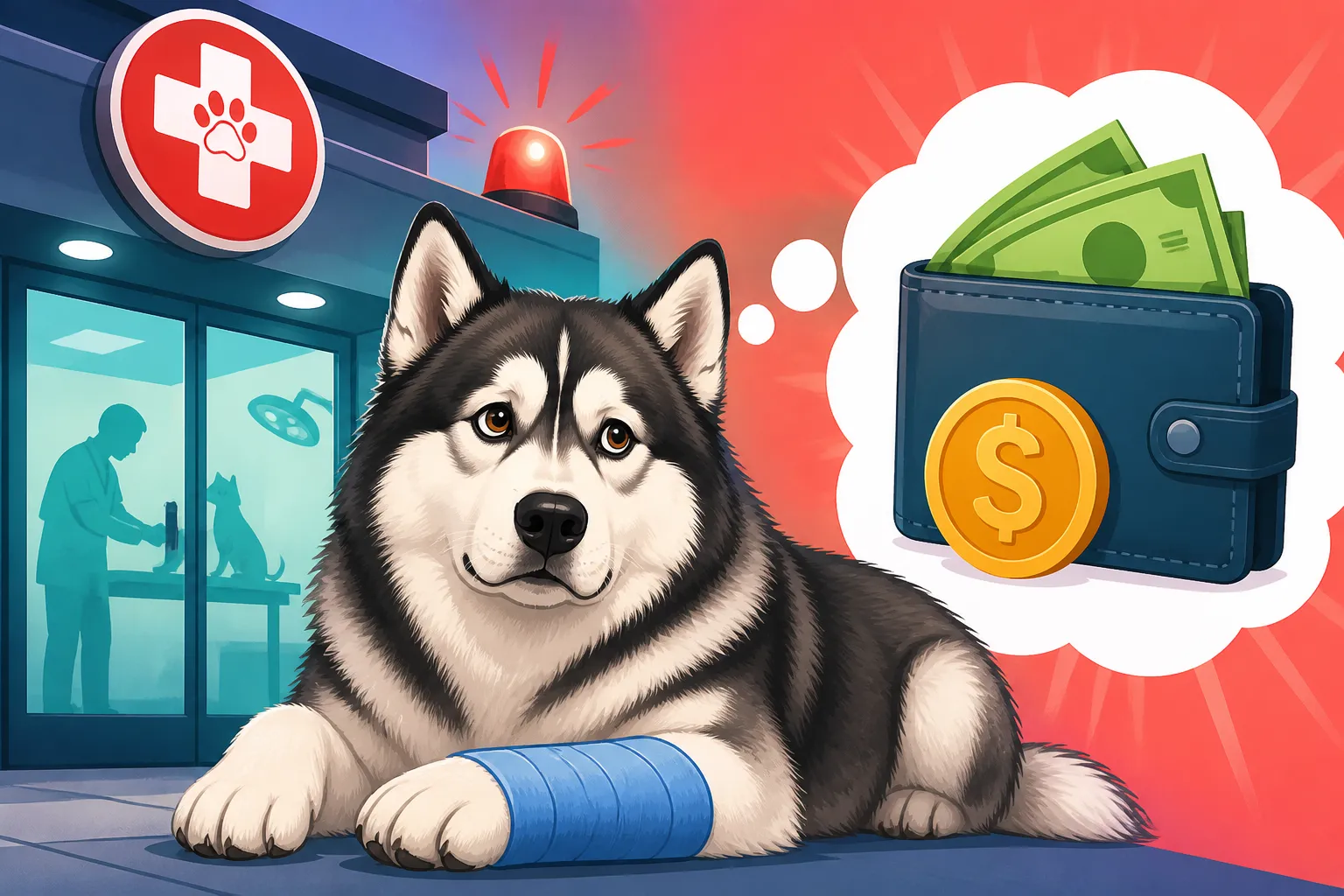
The moment your beloved Alaskan Malamute shows signs of distress – a sudden limp, incessant vomiting, or perhaps a strange gurgling from their belly – panic can set in. You rush to the emergency vet, your heart pounding, only to be met not just with the stress of your dog's condition, but with the daunting realization of the potential costs involved. This guide aims to prepare you for the financial realities of emergency veterinary care for your Malamute, breaking down the factors that influence the bill and offering strategies to manage these unexpected expenses.
Understanding Malamute-Specific Emergency Risks
Alaskan Malamutes are robust, resilient dogs, but like all breeds, they have their specific health vulnerabilities that can sometimes lead to emergency situations. Knowing these can help you act quickly and understand the nature of the emergency costs you might face.
Bloat (GDV) in Malamutes
Gastric Dilatation-Volvulus (GDV), commonly known as bloat, is a terrifying and rapidly progressing condition where the stomach fills with gas, twists, and cuts off blood supply. Malamutes, being large, deep-chested breeds, are unfortunately at a higher risk for this life-threatening emergency. The symptoms can come on quickly: unproductive retching, a distended abdomen that feels hard to the touch, restlessness, and signs of extreme discomfort. When this happens, every minute counts.
An emergency vet visit for suspected bloat isn't just a consultation; it's a race against time. The initial assessment involves X-rays to confirm the diagnosis and determine the extent of the twist. If bloat is confirmed, immediate surgical intervention is almost always required to untwist the stomach (detorsion) and, in many cases, to tack it permanently to the abdominal wall (gastropexy) to prevent future occurrences. The cost of this surgery, coupled with pre-operative stabilization, anesthesia, post-operative care, and medications, can be substantial, reflecting the critical, complex nature of the procedure. How Long a Bloating Malamute Has Before Surgery details the urgency.
Trauma and Injuries
Given their energetic nature and love for exploring, Malamutes can unfortunately find themselves in situations leading to trauma or injury. Whether it's a run-in with a car if they manage to escape the yard, a fall during a vigorous play session, or a severe cut from something sharp encountered on a hike, these incidents almost always warrant an emergency visit. They are powerful dogs, and their injuries can be significant.
Emergency care for trauma can range from treating deep lacerations requiring sutures, to addressing broken bones, internal bleeding, or head injuries. The veterinary team will need to stabilize your Malamute, perform thorough diagnostics like X-rays, ultrasounds, or even CT scans to assess the full extent of the damage, and then proceed with necessary medical or surgical treatments. The expense here varies wildly depending on the type and severity of the injury – a minor wound is a world apart from complex fracture repair or internal organ damage requiring extensive surgery and prolonged hospitalization.
Genetic Predispositions That Can Become Emergencies
While not as immediately catastrophic as bloat or acute trauma, certain genetic conditions in Malamutes can develop into emergency scenarios if left unchecked or if they present acutely. For instance, Zinc Responsive Dermatosis in an Alaskan Malamute is a known breed issue. If not properly managed with diet and supplementation, a severe flare-up can lead to widespread skin infections, intense pain, and secondary complications that necessitate emergency treatment to prevent sepsis or extreme discomfort.
Similarly, though rarer as an acute emergency, conditions like inherited polyneuropathy, which impacts nerve function, could lead to a sudden inability to stand or breathe properly in severe cases, requiring immediate veterinary attention and supportive care. While screening tests, like those discussed in The DNA Test That Finds Malamute Polyneuropathy, can help identify carriers, affected individuals sometimes face crises. Emergency costs in these situations might involve intensive care, specialized diagnostic tests to rule out other causes, IV fluids, pain management, and antibiotics for secondary infections. These aren't always swift, one-time fixes; they often involve ongoing management and potential repeated visits.
The Components of an Emergency Vet Bill
When you receive an emergency vet bill, it can feel like a dizzying list of charges. Understanding what each component typically covers can help demystify the process and prepare you for the financial outlay. Emergency veterinary medicine is often more expensive than routine care due to the specialized equipment, immediate staffing, and intensive care required outside of regular business hours.
Initial Assessment and Stabilization
The very first charge you'll see on an emergency bill is often for the emergency examination or critical care assessment. This isn't just a quick look-over; it's a comprehensive evaluation by an emergency veterinarian to determine the severity of your Malamute's condition, identify immediate threats to life, and initiate stabilization. This might involve vital sign monitoring, immediate pain relief, oxygen therapy, or starting an IV fluid drip – all before a definitive diagnosis is even made. This initial phase is crucial for ensuring your Malamute is stable enough for further diagnostics or treatment.
The cost for this initial assessment can be higher than a regular office visit, reflecting the urgency, specialized training of the emergency staff, and the advanced monitoring equipment on hand. For example, if your Malamute is in shock, they might immediately need intravenous fluids and medications to support blood pressure, which adds to this initial stabilization cost. The expertise and immediate availability of a full veterinary team, even in the middle of the night, are factored into these charges.
Diagnostic Procedures
Once your Malamute is stable, the next critical step is to pinpoint exactly what's wrong. This is where diagnostic procedures come in, and they often represent a significant portion of an emergency bill. These can include a variety of tests, each designed to give the veterinary team a clearer picture of the internal situation.
Common emergency diagnostics include blood work (CBC, chemistry panel, electrolytes, coagulation profiles), urinalysis, and diagnostic imaging like X-rays, ultrasounds, or sometimes even more advanced imaging such as CT scans if available. For a suspected bloat case, abdominal X-rays are paramount. For an injury, X-rays might be needed to check for fractures. These tests provide vital information rapidly, allowing the vet to formulate an appropriate treatment plan. Each test carries its own cost, and often, multiple tests are necessary to rule out various conditions, especially when symptoms are vague or overlapping.
Treatment and Hospitalization Costs
Once a diagnosis is made, or sometimes even during the diagnostic phase, treatment will begin. This can involve a wide spectrum of interventions, from administering medications and IV fluids to performing complex emergency surgery. The nature and intensity of the treatment directly impact the bill.
If your Malamute requires surgery, such as for bloat or a severe internal injury, the surgical fees will be a major component. This includes the surgeon's fee, anesthesiologist's fee, monitoring during surgery, and all the supplies used. Post-operative care, which often involves hospitalization, round-the-clock monitoring, pain management, and nursing care, adds daily costs. For non-surgical emergencies, such as severe dehydration or acute illness, hospitalization with IV fluids, medications, and constant observation can still accumulate a significant bill, especially if your Malamute needs to stay for several days. These costs cover not just the medications and supplies, but the continuous care of dedicated veterinary technicians and doctors. What Bloat Surgery Costs on an Alaskan Malamute offers further insight into specific surgical expenses.
Medication and Follow-up Care
Even after your Malamute is discharged from emergency care, the costs don't necessarily end. You'll likely leave with a regimen of prescription medications to continue their recovery at home. These can include antibiotics, pain relievers, anti-inflammatories, or specialized gastrointestinal medications. The cost of these medications will be added to your emergency bill or purchased separately from the pharmacy.
Additionally, follow-up visits with your regular veterinarian, or sometimes with the emergency clinic, are almost always recommended to monitor your Malamute's recovery, remove sutures, or adjust medication dosages. While these follow-up visits are typically less expensive than the initial emergency, they are a crucial part of the healing process and should be factored into your total financial picture. Sometimes, long-term medications or dietary changes, such as those for Feeding an Alaskan Malamute for Zinc It Cannot Absorb, might be needed indefinitely after an acute crisis.
Strategies for Managing Emergency Vet Costs
The thought of an astronomical emergency vet bill can be terrifying for any Malamute owner. Fortunately, there are proactive steps you can take to mitigate the financial impact when the unexpected happens. Preparing beforehand can make all the difference in a crisis.
Pet Insurance: A Lifeline or a Luxury?
For many Malamute owners, pet insurance has become a crucial tool in managing high veterinary costs. It's often debated whether it's a luxury or a necessity, but in an emergency, it can truly be a lifeline. Policies vary widely, but most accident and illness plans cover a significant portion of emergency care, including diagnostics, surgery, hospitalization, and medication, after you've met your deductible.
Companies like Healthy Paws are popular choices, offering plans that reimburse a percentage of your vet bill. The key is to enroll your Malamute before any emergencies or diagnoses occur, as pre-existing conditions are typically not covered. While you'll pay a monthly premium, the peace of mind knowing that a large chunk of a potential several-thousand-dollar emergency bill could be reimbursed is invaluable. Whether an Insurer Excludes Malamute Inherited Disease is a crucial question to ask when choosing a policy, as some breed-specific issues might have different coverage terms.
Emergency Funds and Savings
Even with pet insurance, there's usually a deductible and a co-pay, meaning you'll still be responsible for a portion of the bill upfront. This is where a dedicated emergency fund comes in. Setting aside a specific amount of money each month, even a small sum, into a "Malamute emergency savings account" can provide a vital buffer.
Think of it as self-insurance for those initial costs. This fund can cover your deductible, or perhaps the entire bill if the emergency isn't as severe as initially feared. Having readily available funds prevents you from making difficult decisions based purely on finances during an already stressful time. A good goal might be to save enough to cover at least one major emergency, which, for a large breed like a Malamute, could mean several thousand dollars. How Much a Malamute Owner Should Bank Each Month can help you plan.
Veterinary Payment Plans and Credit Options
When an emergency strikes and you're faced with a bill you can't immediately pay in full, many veterinary clinics understand and offer options. Some clinics have their own in-house payment plans, allowing you to spread the cost over several months. It's always worth asking your emergency vet about their policies.
Beyond in-house options, there are specialized healthcare credit cards designed for veterinary expenses. These often offer deferred interest periods, meaning if you pay off the balance within a certain timeframe, you won't incur interest charges. This can be a valuable short-term solution to manage immediate costs. While these options can provide immediate relief, it's important to understand the terms and conditions, especially interest rates, to avoid accumulating further debt.
Leveraging Online Pharmacies and Supplies
While this won't directly cover the emergency visit itself, using online pharmacies and retailers can significantly reduce the ongoing costs of prescribed medications and special diets after an emergency. For example, if your Malamute is recovering and needs long-term antibiotics or a specific prescription food, reputable online pet supply stores like Chewy or Ollie can often offer these at a lower price than purchasing directly from your vet's office.
This strategy is about reducing the overall cost of recovery and maintenance, freeing up funds for potential future emergencies or other care. Always ensure you're using a trusted, certified online pharmacy that requires a veterinarian's prescription to guarantee the authenticity and safety of the medications. This small shift in purchasing habits can add up to substantial savings over time, especially for a large breed that consumes more of everything. Which Zinc Supplement Suits a Malamute is a great example of where online purchasing can offer more options and competitive pricing for ongoing needs.
Making the Toughest Decisions: When Cost Becomes a Factor
No one ever wants to be in a position where the financial cost of care influences a decision about their beloved Malamute's health. However, in emergency situations, this can unfortunately become a harsh reality. It's an agonizing position, and navigating it requires a clear head, honest communication with your vet, and self-compassion.
Balancing Care with Financial Realities
The reality is that veterinary medicine, especially emergency and specialized care, can be incredibly expensive. As Malamute owners, we would do anything for our dogs, but there are practical limits to what many people can afford. When faced with a dire prognosis and a staggering cost estimate, it's perfectly normal to feel overwhelmed and conflicted. This isn't a sign of being a bad owner; it's a testament to the difficult circumstances.
It's vital to have an open and honest conversation with your veterinarian about your financial constraints. They can often outline different treatment paths – from the "gold standard" with the highest chance of success, to more conservative options that might be less expensive but carry more risk, or even palliative care to manage pain and comfort. Sometimes, this might mean choosing a treatment that offers a good quality of life for a shorter period, rather than an aggressive, costly intervention with an uncertain outcome. What Alaskan Malamutes Actually Die Of can sometimes offer perspective on typical prognoses for certain conditions.
Quality of Life Considerations
Beyond the financial aspect, a crucial part of making these tough decisions revolves around your Malamute's quality of life. An expensive emergency surgery might save their life, but if the recovery process is prolonged, painful, and leaves them with significant disabilities, is it truly in their best interest? Malamutes are active, proud dogs, and seeing them suffer through a difficult recovery can be heartbreaking.
Your veterinarian can help you assess your Malamute's prognosis and potential quality of life after treatment. They can discuss expected pain levels, mobility, and overall comfort. It's a deeply personal decision, but focusing on what kind of life your Malamute will have after the emergency intervention can provide clarity. This sometimes means choosing humane euthanasia, not because you don't love them enough, but because you love them too much to see them endure undue suffering or a greatly diminished quality of life simply to prolong their existence. Knowing When an Old Alaskan Malamute Has Had Enough discusses this for older dogs, but the principles apply in acute situations too.
Seeking Second Opinions and Alternatives
In a high-stakes emergency, feeling pressured to make an immediate, costly decision is common. If time allows and you feel uncertain, don't hesitate to ask for a second opinion. While immediate life-threatening conditions like bloat require swift action, other emergencies might afford a few hours to consult with another emergency vet or even your regular veterinarian if they have emergency hours.
Sometimes, there might be alternative, less invasive treatments available, or specialized clinics that offer different pricing structures or expertise. For instance, a university veterinary hospital might have different resources or a different approach compared to a private emergency clinic. Exploring all avenues ensures you've considered every possible option before making a final decision that impacts both your Malamute's life and your financial well-being.
Comparative Look at Emergency vs. Routine Care Costs
To give you a clearer picture, here's a general comparison of typical cost components between a routine vet visit and an emergency vet visit for an Alaskan Malamute. Remember, these are broad categories and actual costs can vary wildly based on location, clinic, and the specific case.
| Cost Component | Routine Vet Visit (Wellness Check, Vaccinations) | Emergency Vet Visit (Bloat, Trauma) |
|---|---|---|
| Exam Fee | Standard office visit fee, typically a set amount. | Elevated emergency exam fee, often includes initial stabilization assessment. |
| Diagnostics | Basic blood panel, fecal test, often included in wellness package or minimal cost. | X-rays, ultrasound, advanced blood panels, coagulation tests, often multiple tests. |
| Medication | Preventative (flea/tick/heartworm), vaccinations. | Injectable pain meds, antibiotics, IV fluids, specialized critical care drugs. |
| Treatment/Procedures | Spay/neuter (scheduled), dental cleaning (scheduled), minor wound care. | Complex surgery (e.g., gastropexy), fracture repair, internal organ support, oxygen therapy. |
| Hospitalization | Not typically required for routine care. | Overnight observation, intensive care unit (ICU) stay, 24/7 monitoring, multiple days. |
| Staffing Costs | Day-time staff, standard operating hours. | Specialized emergency vets, technicians available 24/7, holiday/after-hours rates. |
| Equipment Use | Standard exam room, basic surgical tools. | Advanced diagnostic imaging, specialized surgical suites, life support equipment. |
Disclaimer
This article is for general informational purposes only and does not constitute professional advice. Laws, prices and regulations vary by location and change over time. Consult a qualified professional for guidance on your specific situation.