What Keeping a Malamute Cool Adds to a Power Bill
The unspoken truth for many Alaskan Malamute owners in warmer climates, or even those experiencing increasingly hot summers, is the silent, yet significant, drain on their wallet from keeping their beloved companions cool. It’s not just about comfort; it's about survival for a breed built for arctic extremes. This guide delves into the often-underestimated energy costs associated with maintaining a safe, comfortable environment for your Malamute, exploring everything from air conditioning bills to the everyday appliances that hum louder because of your furry friend.
The Malamute's Natural Air Conditioning System and Its Limits
Owning an Alaskan Malamute means understanding their inherent design. These magnificent dogs are masterpieces of cold-weather adaptation, but that same brilliance becomes their biggest vulnerability when temperatures climb. Their bodies are simply not equipped to handle sustained heat, and as their guardians, it's our responsibility to compensate for what Mother Nature didn't prepare them for in a southern summer.
Why Their Coat is a Double-Edged Sword
Let’s talk about that glorious double coat. It's truly a marvel, composed of a dense, woolly undercoat and a coarser, protective outer coat. In the Arctic, this system creates an insulating barrier, trapping warm air close to their body and repelling snow and ice. It’s like wearing a high-tech winter parka 24/7. However, when the mercury rises, that parka becomes a liability. Instead of trapping warmth in, it traps heat out, preventing their bodies from efficiently shedding excess heat. The air circulation needed to cool their skin is hampered by the thick fur.
Many well-meaning individuals assume shaving a Malamute will help, but that's a dangerous misconception. Shaving can actually damage their coat, impairing its natural ability to insulate and protect from sunburn. It's a double whammy: they lose their natural defense against the sun and their ability to regulate temperature naturally. This means the reliance on artificial cooling methods, and thus higher energy consumption, becomes even more critical. Their physical makeup, including their robust body structure and generally lower surface area to volume ratio compared to leaner breeds, also makes heat dissipation challenging.
The Urgency of Preventing Overheating
For an Alaskan Malamute, overheating isn't just uncomfortable; it's a genuine medical emergency that can escalate with frightening speed. Their core body temperature can rise rapidly, leading to heatstroke, which can cause organ damage, neurological issues, and even death. We've heard too many heartbreaking stories of Malamutes succumbing to the heat, often when owners didn't realize how quickly things could turn critical. Summer Is the Season That Kills Alaskan Malamutes
Preventing overheating requires constant vigilance and proactive measures. It means understanding Signs an Alaskan Malamute Is Overheating – excessive panting, lethargy, drooling, wobbly gait – and taking immediate action. This isn't just about turning on the AC when it feels warm to us; it's about maintaining an environment that's consistently cool enough for a dog that genuinely struggles above moderate temperatures. This constant need for a cooler ambient temperature translates directly into increased energy demands on your home's cooling systems. You’re not just cooling your house for yourself; you’re maintaining a safe habitat for your Malamute.
Direct Energy Costs: Air Conditioning and Fans
When you have an Alaskan Malamute, your thermostat isn't just a comfort dial; it's a health monitor. The need to keep your home at a Malamute-friendly temperature often means your air conditioning unit works harder, and longer, than it would in a Malamute-free household.
The AC Unit Working Overtime
Let's be real: if you live anywhere that experiences proper summer heat, your air conditioner is going to be your best friend – and your biggest energy consumer. A Malamute necessitates lower thermostat settings than many humans might prefer, especially if they are heavily coated or less active. While you might be comfortable at 75°F (24°C), your Malamute is likely starting to feel the strain. Many Malamute owners find themselves setting their AC closer to 68-72°F (20-22°C) or even lower during peak heat waves, particularly when they’re not home to monitor their dog. This isn't a luxury; it's a preventative health measure.
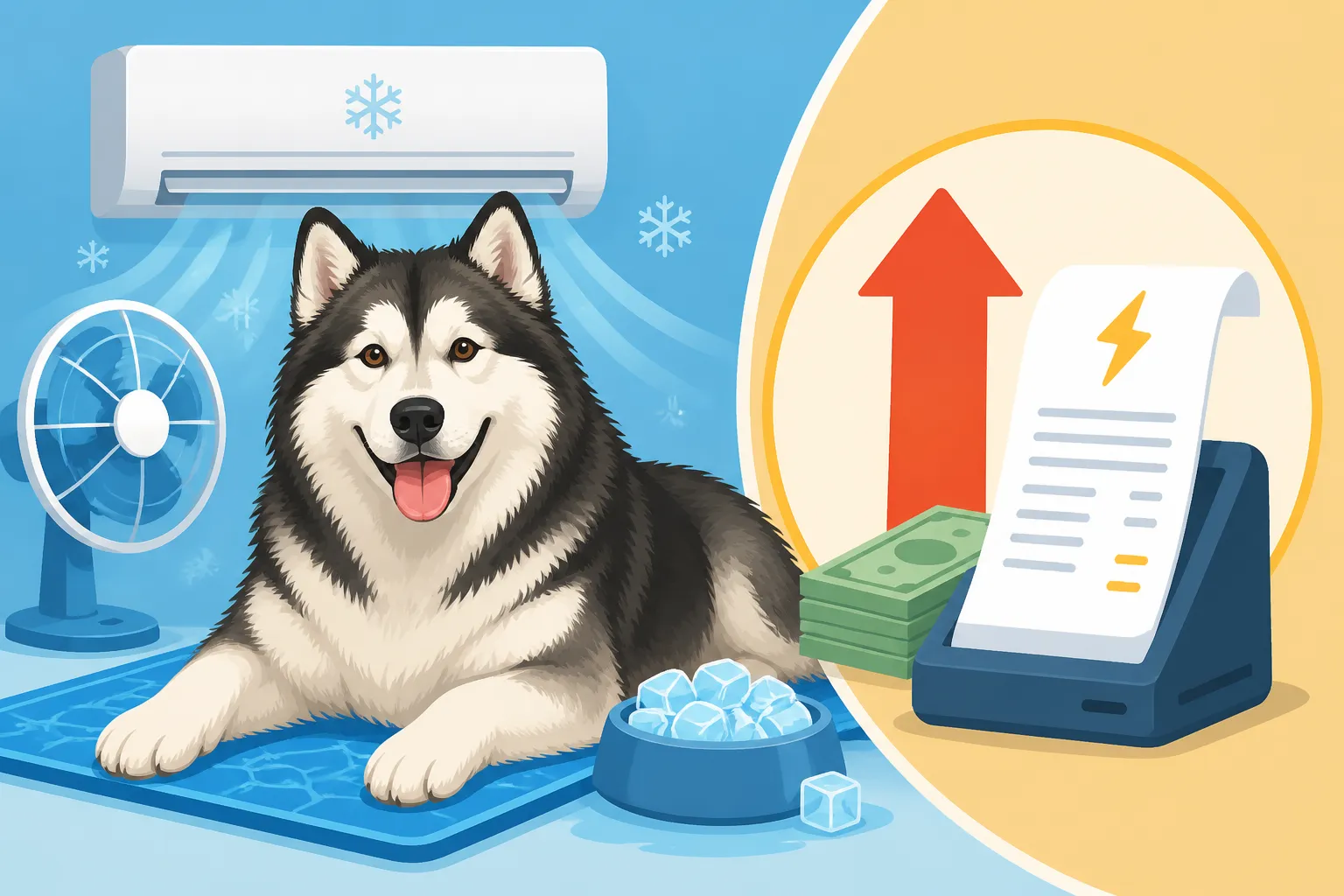
This continuous demand for colder temperatures means your AC unit runs for extended periods, consuming significantly more electricity. If your home isn't well-insulated, or if you have older, less efficient windows, the unit has to work even harder to maintain that target temperature, leading to a noticeable spike in your electricity bill. The cost of What Cooling a House for a Malamute Costs in Summer can truly add up, becoming one of the most substantial recurring expenses of Malamute ownership in warmer climates. Imagine the difference in your power bill between setting your thermostat at 78°F versus 70°F for several months out of the year – it's substantial, often hundreds of dollars.
Strategic Fan Usage and Its Contribution
Fans are often seen as a supplementary cooling method, and for a Malamute, they play an important, though not primary, role. While fans don't actually cool the air, they create a wind-chill effect by moving air across the dog's skin and through their coat. This can aid in the evaporation of moisture (though Malamutes primarily pant to cool down, and sweat minimally through their paw pads). In a home with air conditioning, fans help distribute the cooled air more efficiently, potentially allowing your AC to cycle a little less often, or at least feel more effective.
However, relying solely on fans in truly hot weather is a recipe for disaster. A fan blowing hot air around a Malamute is like blowing a hairdryer on them – it offers little to no relief and can even exacerbate the problem by accelerating dehydration without actual cooling. So, while ceiling fans, box fans, or dedicated dog-cooling fans from places like Chewy contribute a small amount to your overall energy bill, their primary function is to support the heavy lifting done by your AC. You’re typically running them in conjunction with your main cooling system, adding to the cumulative energy draw rather than replacing it.
Indirect Energy Costs: Water Consumption and Appliance Use
Beyond the obvious hum of your air conditioner, there are other, more subtle ways your Malamute's need for cooling impacts your power bill. These might not be as immediately apparent, but they contribute to the overall increase in household energy consumption.
Constant Hydration and Its Hidden Costs
A Malamute that is even slightly warm needs constant access to fresh, cool water. This isn't just a suggestion; it's critical for preventing dehydration and supporting their cooling efforts. The sheer volume of water a large Malamute drinks, especially in summer, is considerable.
Think about what goes into keeping that water cool and accessible:
- Ice Makers: If your refrigerator has an automatic ice maker, it's working harder to replenish the ice you're constantly adding to your Malamute's water bowls. The compressor cycles more frequently, increasing electricity usage.
- Water Coolers/Filters: Many owners opt for filtered water or dedicated water coolers to ensure a constant supply of fresh, cool water. These units, while convenient, plug into an outlet and consume electricity to chill the water.
- Dishwasher Cycles: Larger water bowls and more frequent refills often mean more washing. If you rely on a dishwasher, these extra loads add to your hot water heater's energy consumption and the dishwasher's electricity use.
It might seem negligible on a daily basis, but over a summer, the cumulative energy expended on keeping your Malamute hydrated can quietly add up to a noticeable portion of your utility bill.
Grooming and Cleaning for Comfort
A healthy coat is crucial for a Malamute, even in warm weather. Regular grooming helps remove dead undercoat, allowing better air circulation to the skin. This isn't just for aesthetics; it's a vital part of their temperature regulation.
- Frequent Vacuuming: Malamutes shed. A lot. Especially during their "coat blow" seasons. The Malamute Coat Blow That Fills a Vacuum in an Afternoon This isn't just an annoyance; excess fur throughout your home can trap dust and dander, potentially affecting your home's air quality and even clogging HVAC filters, making your AC work less efficiently. Running powerful vacuums multiple times a week, sometimes even daily during a blow, significantly contributes to electricity usage. Imagine the extra wear and tear on your vacuum and the energy it consumes to keep up with the constant influx of fur.
- Forced Air Dryers: If you bathe your Malamute at home, properly drying their dense double coat is paramount to prevent skin infections and hot spots. Air drying is often insufficient and can take hours, leading to a damp, uncomfortable dog. Many owners invest in powerful forced air dryers, which use considerable electricity but are essential for getting the undercoat thoroughly dry. While these might be a one-time purchase from retailers like Chewy, their operation adds to your ongoing power consumption whenever you use them. For those who opt for professional grooming, while it’s an upfront cost, it saves your home appliances the effort (and associated energy costs).
Mitigation Strategies and Long-Term Savings
While keeping a Malamute cool will always have an associated cost, there are smart strategies you can employ to minimize the impact on your power bill and maximize your dog's comfort. It's about working smarter, not just harder, against the heat.
Smart Home Solutions and Energy Efficiency
Investing in your home's energy efficiency can pay dividends when you have a Malamute.
- Programmable and Smart Thermostats: A smart thermostat, like a Nest or Ecobee, can learn your schedule and automatically adjust temperatures. You can program it to run the AC more aggressively during the hottest parts of the day when you're out, ensuring your Malamute stays cool, then ease off when temperatures drop or when you return home and can supervise. This prevents continuous unnecessary cooling while ensuring critical periods are covered.
- Home Insulation and Window Treatments: Improving your home's insulation, sealing drafts around windows and doors, and investing in energy-efficient windows or heavy, insulating curtains can dramatically reduce the amount of heat seeping into your home. This means your AC unit doesn't have to work as hard, consuming less power to maintain the desired cool temperature. Think of it as giving your house its own protective "coat" against the summer sun.
- Energy-Efficient Appliances: When it's time to replace an old AC unit, refrigerator (for that ice maker!), or even your vacuum, opt for energy-star rated models. The initial investment might be higher, but the long-term savings on your power bill can be significant, easing the financial burden of cooling your Malamute.
Lifestyle Adjustments to Reduce Demand
Sometimes, the simplest changes in routine can make a big difference in reducing your overall energy demand.
- Timing Outdoor Activities: This is a big one. Avoid walking or playing with your Malamute during the hottest parts of the day, typically between 10 AM and 4 PM. Instead, plan walks for early mornings and late evenings when temperatures are naturally much lower. How Early a Malamute Should Be Walked in Summer This reduces their exposure to extreme heat, and consequently, their immediate need for intense indoor cooling upon return.
- Non-Electric Cooling Aids: Consider cooling mats, elevated cots (which allow air to circulate underneath), or a simple plastic kiddie pool filled with shallow water in a shaded part of the yard. Why a Malamute Lies in a Kiddie Pool for Hours These options provide immediate, direct cooling without consuming electricity. While they represent a purchase, they don't add to your ongoing power bill and can offer significant relief, potentially allowing you to set your thermostat a degree or two higher.
- Strategic Hydration Access: While water consumption has indirect energy costs, making cool water readily available outside can help too. Have multiple water stations. For older Malamutes or those with health concerns, ensuring they have access to good nutrition, perhaps from a brand like Ollie, can help maintain overall health, making them more resilient to minor temperature fluctuations, though it doesn't directly cut power bills.
- Considering a Cooler Climate: It might sound extreme, but for some dedicated Malamute owners, especially those struggling with oppressive summer heat and sky-high energy bills, the thought of Whether a Malamute Owner Should Move North becomes a serious consideration. While a geographical move is a monumental decision, it highlights the depth of commitment Malamute owners have to their dogs' well-being and the very real challenge of keeping them comfortable in unsuitable climates.
Here's a quick look at how various cooling methods impact your energy use:
| Cooling Method | Direct Energy Cost | Indirect Energy Cost | Effectiveness for Malamutes in Heat | Notes |
|---|---|---|---|---|
| Air Conditioning (AC) | High | Minor (for insulation, maintenance) | High (essential) | Biggest contributor to power bill, requires proper sizing/maintenance. |
| Fans (Circulating Air) | Low | Minor (helps AC distribute cool air) | Low (supplementary only) | Do not cool air, only move it. Ineffective alone in high heat. |
| Ice Maker/Chilled Water | Moderate | Increased fridge/freezer cycling | High (for hydration) | Vital for hydration, especially if added to bowls frequently. |
| Grooming (Force Dryer) | Moderate | None (if done professionally, off-site) | High (for coat health) | Essential for proper drying, prevents skin issues. Energy for vacuuming too. |
| Cooling Mats (Gel/Water) | None | None | Moderate (direct contact relief) | Non-electric, provides immediate cool spot, good supplement. |
| Kiddie Pool/Sprinkler | None | Increased outdoor water use (no electricity) | Moderate (physical immersion relief) | Outdoor option, great for active dogs. Supervise always. |
| Smart/Programmable Thermostat | None | Potential long-term savings from optimized AC use | High (efficiency) | Optimizes AC run-time, not a direct cooling method itself. |
Ultimately, keeping an Alaskan Malamute cool and safe in anything other than genuinely cold climates is an ongoing financial commitment that extends beyond the initial purchase price. It’s an investment in their health and well-being, reflected directly in your monthly utility statements.
Disclaimer
This article is for general informational purposes only and does not constitute professional advice. Laws, prices and regulations vary by location and change over time. Consult a qualified professional for guidance on your specific situation.