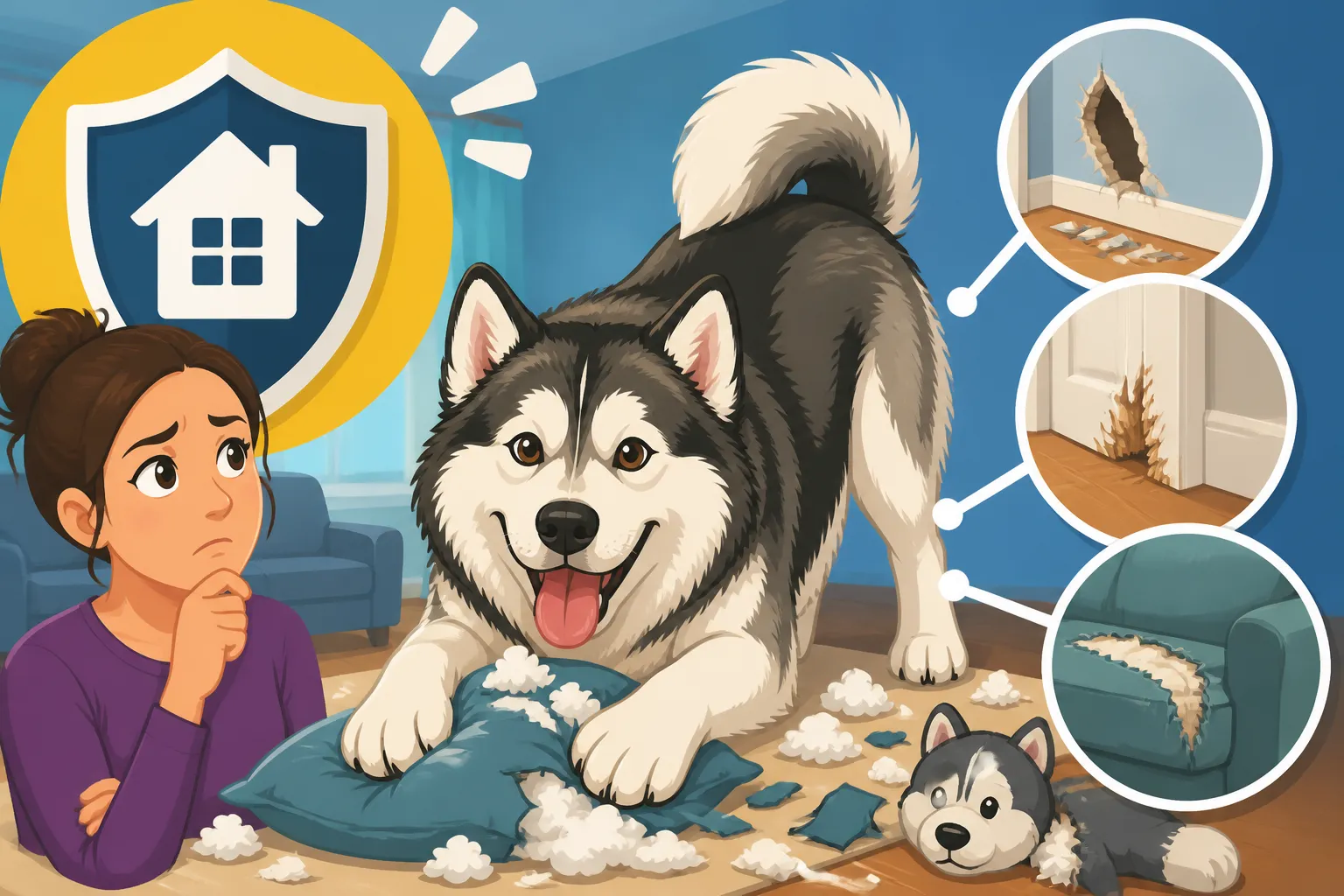
What a Malamute Owner Spends Proofing a House
Bringing an Alaskan Malamute into your home is an incredibly rewarding experience, full of boundless energy, loyal companionship, and a whole lot of fluff. But let's be realistic: it also means preparing your living space for a creature whose instincts are deeply rooted in digging, chewing, and exploring. Many new Malamute owners are utterly blindsided by the sheer determination and strength these dogs possess when it comes to "redecorating" or "re-landscaping" their homes. This guide is here to walk you through the practical steps and financial considerations involved in house-proofing your home to safely and happily coexist with your magnificent Malamute, without losing your sanity or your security deposit.
Understanding the Malamute's Instinctive Drive to Transform Its Environment
It's easy to get frustrated when your favorite armchair becomes a chew toy or your meticulously maintained garden resembles a moonscape. However, it's crucial to understand that an Alaskan Malamute isn't acting out of spite or malice. These behaviors are deeply ingrained instincts, honed over centuries of working in harsh environments. They are intelligent, powerful dogs with a strong drive to use their bodies and minds. When they don't have appropriate outlets for these drives, they will create their own "jobs," and those jobs often involve reshaping their surroundings.
Why Malamutes Destroy: Boredom, Anxiety, and Pure Instinct
Imagine a dog bred to pull heavy sleds for miles, navigate challenging terrain, and dig through snow to find shelter or prey. Now picture that dog left alone in a quiet house with nothing much to do. The mismatch between their genetic blueprint and a sedentary pet life is where many of our frustrations begin.
Firstly, boredom is a massive catalyst for destructive behavior in Malamutes. A smart dog with nothing to engage its mind will find ways to entertain itself, and often, that means chewing on furniture, tearing up cushions, or investigating what's behind the drywall. They're problem-solvers by nature, and if the problem is "I'm bored," the solution might be "let's see what this sofa is made of." Secondly, while they are independent, Malamutes can suffer from separation anxiety, especially if not properly acclimated to being alone. This anxiety can manifest as destructive behaviors, frantic digging, or attempts to escape to find their human companions. It's a cry for help, not a deliberate act of defiance. Finally, their instincts are simply overwhelming. The urge to dig, to chew, to explore, to "hunt" for things—these aren't things you can train out of a Malamute entirely. You can redirect them, manage them, and provide appropriate outlets, but ignoring these deep-seated needs is a recipe for disaster. Owners frequently lament What a Malamute Destroys Before It Turns Two, showcasing just how early these behaviors can begin.
Common Targets of Malamute Destruction: Chewing, Digging, and Escaping
When it comes to destruction, Malamutes are surprisingly versatile. Their powerful jaws are designed for processing raw meat and bone, which makes light work of most household items. Your beautiful wooden table leg? A delightful chew stick. The arm of your couch? A perfect shredding project. Door frames, baseboards, and even sections of drywall can fall victim to a determined Malamute.
Beyond chewing, digging is perhaps their most famous, or infamous, trait. They were bred to dig dens for shelter and to find food. This means your prized rose bushes, newly laid sod, or even the foundation of your fence are all fair game for excavation. They don't see it as ruining your yard; they see it as fulfilling an ancient instinct. And then there's the escape artistry. Malamutes are incredibly intelligent and agile. A standard fence won't hold them. They'll scale it, dig under it, or figure out the latch. What you consider a secure yard, they often see as a temporary challenge. They have a strong desire to roam and explore, a legacy from their free-ranging ancestors.
Protecting Your Interior: Chewing and Indoor Damage
Once you accept that your Malamute's destructive tendencies are born of instinct rather than defiance, you can begin to proactively proof your home. This isn't about punishment; it's about prevention and redirection.
Securing Furniture and Valuables
The first line of defense indoors is to remove temptation. If you have valuable or sentimental items, move them out of reach. This sounds obvious, but you'd be surprised how high a determined Malamute can stretch or how cleverly they can maneuver items from shelves. Consider using heavy, sturdy furniture that isn't easily knocked over or moved. For items that must remain within reach, deterrent sprays can sometimes work, though their effectiveness varies greatly depending on the individual dog and their level of motivation. Some Malamutes will simply lick the bitter spray off and continue chewing.
Crate training, when done positively and correctly, is an invaluable tool for Malamute owners. It provides a safe, secure space for your dog when you can't supervise them, preventing destruction and teaching them to settle. However, it's not a magical solution. The crate itself must be robust. A flimsy wire crate will not hold a strong, determined Malamute, who can bend bars and break latches with surprising ease. Investing in a heavy-duty, reinforced metal crate is often a necessity, not a luxury, for these powerful dogs. This helps prevent them from learning What a Malamute Chews Through in a Year across your entire home.
Investing in Durable Beds and Toys
Forget the plush, flimsy dog beds you find at many big box stores. A Malamute will shred those in minutes, turning them into a snowstorm of stuffing. For internal comfort items, you'll need to invest in truly durable options. Look for beds made with chew-resistant materials or elevated cot-style beds with metal frames. Some owners have found success with specialized "indestructible" beds designed for strong chewers.
The same goes for toys. A Malamute needs toys that can withstand intense chewing. Think about solid rubber toys, puzzle feeders that dispense treats slowly, and large, robust chew bones. Rotating toys keeps them interesting, and puzzle toys are fantastic for mental stimulation, which can help tire out their brains and reduce destructive chewing out of boredom. Brands like Kong and Nylabone are often favored by Malamute owners for their durability. Online retailers like Chewy offer a wide selection of these heavy-duty items, making it easier to find products that stand up to the challenge. Don't be surprised if you find yourself researching What a Chew Proof Bed for a Malamute Costs more than you ever thought you would for a dog.
Floor and Wall Protection
Your flooring and walls are also vulnerable. Carpets can be stained, torn, or dug at, especially if your Malamute is anxious or bored. Hard-wearing surfaces like tile, laminate, or even concrete can be much more forgiving than carpet or hardwood. If you have hardwood floors, consider investing in sturdy rugs in high-traffic areas, though be aware these might also become chew or dig targets.
For walls, especially at corners or around door frames, a Malamute's chewing or even just vigorous rubbing can cause significant damage. Consider installing metal corner guards or sturdy baseboard protectors. Some people use temporary barriers or gates to restrict access to certain rooms when they can't supervise, saving doors and frames from becoming another casualty. The cost of repairing chewed trim or scratched floors can quickly add up, so prevention here is definitely cheaper than cure.
Fortifying Your Exterior: Digging and Escape Routes
Outside the house, the challenges shift from chewing to digging and escaping. A Malamute's yard needs to be a fortress, not just a fenced-in space.
Fence Reinforcement and Digging Barriers
Standard fencing is rarely adequate for an Alaskan Malamute. They are master excavators and climbers. A six-foot fence is generally the minimum height recommended, but even that can be scaled by a determined Malamute. Some owners opt for privacy fences or chain-link fences with an inward-facing "lean-in" or "L-footer" extension at the top to deter climbing.
The biggest challenge, however, is often digging. Malamutes will methodically dig under fences, creating tunnels large enough to slip through. To combat this, you'll need to install physical barriers below ground. This could involve burying galvanized wire mesh (chicken wire is too flimsy; think hardware cloth or welded wire) horizontally for a few feet inward from the fence line, or even pouring concrete footings under the entire perimeter of your fence. This can be a significant undertaking, both in terms of labor and cost, but it's often the only way to truly secure a Malamute. Owners often inquire about Fencing a Yard Against a Malamute That Was Bred to Dig and realize the profound implications. You might also want to research How Deep a Malamute Fence Must Be Buried to get an idea of the project ahead.
Yard Repair and Landscaping Considerations
Beyond the fence line, your landscaping is also at risk. What you see as a beautiful garden, your Malamute sees as a fantastic opportunity for excavation. Flower beds, vegetable patches, and even just open stretches of lawn can become digging zones. Expect to replace sod, secure plants, and possibly rethink your entire garden design. Raised garden beds with sturdy barriers can help protect plants, but the ground around them is still fair game.
Many Malamute owners create a designated digging pit in their yard. This involves filling a section of the yard with sand or loose dirt and encouraging the dog to dig there with buried toys or treats. While this can help redirect the instinct, it's rarely a complete solution; a Malamute might still choose to dig elsewhere. But it's a worthwhile investment in trying to save the rest of your yard. Understanding What a Malamute Does to a Yard can be eye-opening, and preparing for it with options like Giving an Alaskan Malamute Its Own Digging Pit is a proactive measure.
Monitoring and Containment Solutions
Even with the best fence, a Malamute's prey drive and desire to roam can lead to escapes. A strong scent or a passing squirrel can motivate them to find any weak spot in your defenses. For this reason, many Malamute owners consider a GPS tracking collar an essential piece of equipment. These collars can help you locate your dog quickly if they do manage to get out, potentially preventing them from getting lost or causing trouble. Whether a Tracking Collar Is Mandatory for a Malamute is a common question, and for many, the answer is a resounding yes.
For times when you can't supervise your Malamute in the yard, a robust kennel run might be necessary. This isn't just a small chain-link enclosure; it needs to be a truly secure, perhaps even roofed, structure with dig-proof flooring or buried wire mesh. Invisible fences, which rely on static correction, are generally not recommended for Malamutes. Their high pain tolerance and strong prey drive often mean they'll blow right through the boundary, taking the correction, and then be too focused on whatever scent or sight caught their attention to return.
Ongoing Costs and Preventative Measures
House-proofing isn't just a one-time project; it's an ongoing commitment that involves training, maintenance, and smart financial planning.
Training and Exercise Investments
The most effective house-proofing is a well-trained, well-exercised, and mentally stimulated Malamute. Investing in professional training, whether through group classes or private sessions, can teach your Malamute appropriate behaviors and strengthen your bond. A Malamute needs consistent guidance and a clear understanding of boundaries. However, training alone isn't enough; physical exercise is paramount. These dogs need a lot of it – daily, vigorous activity that taps into their working heritage. A tired Malamute is a good Malamute, less likely to channel its energy into destructive behaviors. This might mean investing in equipment for pulling sports, long hikes, or even a dog walker. Considering what a professional trainer costs and understanding How Much Exercise an Alaskan Malamute Needs are crucial aspects of ownership.
Insurance and Emergency Funds
Despite all your best efforts, accidents can happen. Your Malamute might still chew something dangerous or get injured during an escape attempt. This is where insurance comes in. Check your homeowner's insurance policy, as some policies have breed-specific exclusions or higher premiums for "high-risk" breeds like Malamutes. Whether Homeowner Insurance Names the Alaskan Malamute is an important question to ask your provider.
Additionally, pet insurance can be a lifesaver for unexpected vet bills. While it won't cover the cost of replacing your chewed furniture, it can help with the medical expenses if your Malamute ingests something it shouldn't have during a destructive spree. Companies like Healthy Paws offer various plans that can mitigate the financial impact of such emergencies. It's also important to note that some insurers might exclude inherited conditions, so understanding Whether an Insurer Excludes Malamute Inherited Disease is crucial when selecting a plan. Beyond insurance, having an emergency fund specifically for pet-related costs is always a wise decision.
Smart Product Choices for Malamute Owners
Every purchase you make for your Malamute should be viewed through the lens of durability and practicality. From their food bowls (heavy ceramic or stainless steel are better than plastic, which can be chewed) to their leashes and harnesses, choose items that are built to last. Even their diet can play a role; a well-nourished dog with a balanced diet, perhaps from a high-quality brand like Ollie, tends to be healthier and more mentally balanced, which can indirectly reduce anxiety-driven destructive behaviors. Consider the material, the construction, and the overall resilience of everything before bringing it into your Malamute-proofed home. It’s not just about stopping them from destroying, but providing them with appropriate, safe, and robust alternatives for their natural instincts.
Summary of House-Proofing Costs
Here's a general overview of the types of costs you might encounter when proofing your home for an Alaskan Malamute. Keep in mind these are broad estimates, and actual costs will vary greatly by location, materials, and whether you DIY or hire professionals.
| Item | Description | Estimated Initial Cost Range (USD) | Frequency |
|---|---|---|---|
| Interior | |||
| Heavy-duty Crate | Reinforced metal, escape-proof | $200 – $600 | Once |
| Durable Bedding | Chew-resistant, elevated cots | $80 – $300 | Every 1-3 years or as needed |
| Indestructible Toys | Kongs, Nylabones, puzzle feeders | $10 – $50+ per toy | Ongoing |
| Anti-chew Sprays | Bitter apple, taste deterrents | $10 – $25 per bottle | As needed |
| Door Frame Protectors | Metal plates, sturdy trim | $50 – $200 per opening | Once |
| Floor Repairs/Upgrade | Carpet replacement, refinishing hardwood, new tile | $500 – $5000+ | As needed (major reno) |
| Exterior | |||
| Fence Reinforcement | Burying mesh, concrete footings | $500 – $3000+ (per linear foot for pro install) | Once |
| Fence Height Extension | Adding height, lean-ins | $200 – $1000+ | Once |
| Digging Pit Materials | Sand, railroad ties, landscape fabric | $50 – $200 | Once |
| Yard/Landscaping Repair | Sod replacement, plant protection | $100 – $1000+ | As needed |
| GPS Tracking Collar | Device and subscription | $50 – $200 (device) + monthly fee | Once + Ongoing |
| Kennel Run (Secure) | Heavy-duty, possibly roofed | $500 – $3000+ | Once |
| Ongoing/Preventative | |||
| Professional Training | Group classes, private sessions | $150 – $800+ | Ongoing |
| Exercise Equipment | Harnesses, leads, bikejoring gear | $50 – $500+ | Ongoing |
| Pet Insurance | Monthly premiums | $40 – $100+ per month | Ongoing |
| Emergency Vet Fund | Savings | Varies | Ongoing |
Living with an Alaskan Malamute is an adventure, and part of that adventure is learning to adapt your home to their unique needs and powerful instincts. While the initial investment in house-proofing might seem significant, it pales in comparison to the costs of repeated repairs, vet bills from ingested foreign objects, or the heartbreak of a lost or injured dog. By understanding their nature and proactively creating a secure, stimulating environment, you're not just protecting your home – you're building a stronger, safer, and happier life for your magnificent companion.
Disclaimer
This article is for general informational purposes only and does not constitute professional advice. Laws, prices and regulations vary by location and change over time. Consult a qualified professional for guidance on your specific situation.