Why an Alaskan Malamute Can Never Be Off Leash
It's a dream many of us share, isn't it? That idyllic image of your beloved dog frolicking freely, racing through an open field, ears flapping, coming back instantly when you call. But if you're a Malamute owner, or dreaming of becoming one, you've likely already wrestled with the harsh truth: the Alaskan Malamute, despite its intelligence and loyalty, can almost never truly be off-leash. This guide will dive deep into why this is the reality for our majestic companions, exploring their ingrained instincts, the real-world risks, and how we can still provide them with rich, fulfilling lives safely.
The Malamute's Deep-Seated Instincts: A Walk Through History
To understand why a Malamute's recall isn't like a Labrador's, we have to look back at their origins. These magnificent dogs weren't bred to heel politely at our side; they were bred for survival in one of the planet's harshest environments, performing incredibly demanding tasks that required immense independence and specific drives. These aren't quirks; they are the very essence of the breed.
The Hunter Within: Prey Drive Unleased
Let's be brutally honest: your Malamute's ancestors didn't wait for permission to find dinner. They were critical partners with the Mahlemut people, often responsible for finding food in scarce conditions. This meant identifying, pursuing, and, yes, killing prey. That deep, primal drive is still very much alive in your fuzzy family member, no matter how many comfortable beds they have at home.
When a squirrel darts across a path, or a rabbit appears in the distance, it's not just a fleeting thought for a Malamute. It's an overwhelming, instinctual surge that can override years of training in a split second. Their eyes lock, their body tenses, and then they're off – a blur of fur and focused determination. They aren't being disobedient; they're being a Malamute. This instinct isn't something you train out of them; it's something you manage and understand. This inherent drive is a major reason why What an Alaskan Malamute Was Bred to Hunt goes far beyond simple sledding. We love them for their wildness, but we must respect it, too.
This powerful prey drive extends to anything small and moving, whether it's a neighborhood cat, a chicken, or even a smaller dog. It's heartbreaking to imagine, but it's a very real danger. A Malamute running loose and spotting a small dog could see it as prey, not another canine. It's not about malice; it's about millions of years of selective breeding for survival. Expecting them to ignore that is like asking a fish not to swim.
The Call of the Wild: Wanderlust and Independence
Imagine being bred to pull heavy sleds for miles across vast, open tundras, navigating treacherous terrain, and making decisions independently when your human driver might be focused on the path ahead. That's the Malamute's job description. They are built for endurance, for covering ground, and for making their own choices to ensure the team's survival. This translates into a profound sense of wanderlust.
A loose Malamute isn't just going to run to the end of the block and wait. They are explorers at heart, driven by an innate desire to see what's over the next hill, around the next bend, or across that enticing open field. The concept of "staying close" to their human is secondary to their urge to go. For them, a long journey is not a chore; it's a joy, a purpose. This is why when they get out, they can disappear with alarming speed and cover impressive distances before you even realize they're gone. How Far a Loose Alaskan Malamute Travels can be truly astounding, making recovery a stressful, often impossible, task without proper precautions.
This independence, while admirable in a working capacity, can be infuriating in a pet. They are not beholden to your every command in the way some other breeds might be. Their historical role demanded self-reliance, not constant check-ins. This means that even with the best positive reinforcement training, when the world offers a more exciting scent, a fleeting shadow, or the sheer thrill of unbridled movement, your Malamute's instincts often win out over their learned obedience.
The Reality of Risk: Why "Just This Once" Is Never an Option
The internal struggle between our desire for our dogs to be "free" and the very real dangers that exist in the modern world is intense. For Malamute owners, this struggle is amplified because the risks are not just theoretical; they are life-threatening, for both your dog and others.
The Illusion of Training: Intelligence vs. Instinct
Malamutes are incredibly intelligent dogs. They learn quickly, can solve problems, and are often masters of manipulation (anyone with a Malamute knows that look!). You can spend countless hours, weeks, months, even years, perfecting their recall in controlled environments. You can use high-value treats, exciting toys, and all the best positive reinforcement techniques. And in your fenced yard, or a quiet, contained park, they might be absolute stars.
But then, you take them to a new place, or a sudden stimulus appears – a distant deer, a child screaming in delight, a car backfiring – and suddenly, your perfectly trained Malamute develops "selective hearing." It's not that they don't know the command; it's that the surge of instinct is so powerful it drowns out your voice. Their intelligence allows them to evaluate the situation, and if the chase or the exploration is more rewarding than your treat, they'll make the "choice" that aligns with their ancient drives. This isn't a reflection of your training ability; it's a testament to the strength of their inherent nature. As frustrating as it is, understanding that Why Force Fails on an Alaskan Malamute is crucial to effective management and training. They respond best to respect and understanding, not intimidation.
It's tempting to think, "Oh, but my Malamute is different." We all want to believe that our special bond or superior training methods will overcome millennia of selective breeding. But one moment of misplaced confidence, one assumption that they'll defy their very genetic blueprint, can lead to devastating consequences. The stakes are simply too high to gamble on an "illusion of control" when their instincts are so profoundly powerful.
Dangerous Encounters: Vehicles, Other Dogs, and Wildlife
The world outside our perfectly controlled homes is full of hazards that a loose Malamute is ill-equipped to navigate, regardless of their impressive physique.
Vehicles: A Malamute in full flight, focused on a scent or perceived prey, is oblivious to traffic. They don't look both ways; they don't understand the danger of a fast-moving car. The vast majority of Malamutes hit by cars are those who have slipped a leash, jumped a fence, or were intentionally let off-leash "just for a minute." The sheer speed at which they can cover ground makes these encounters almost instantaneous and often fatal. It’s a tragedy that unfolds all too frequently, and it’s a risk that is entirely preventable.
Other Dogs: While many Malamutes can be perfectly friendly with other dogs, same-sex aggression, especially between two intact males or two intact females, is a known trait in the breed. A loose Malamute approaching another dog, particularly one on a leash, can lead to serious confrontations. The leashed dog feels trapped and may react defensively, escalating a situation. Even if your Malamute is generally amiable, an unexpected encounter with an aggressive or fearful dog, or a smaller breed they perceive as prey, can have dire results. The consequences can range from minor scuffles to severe injuries, and the emotional toll on all parties involved is immense. Thinking about The Risk an Alaskan Malamute Poses to a Small Dog should always be at the forefront of an owner's mind.
Wildlife and Livestock: Beyond squirrels and rabbits, a loose Malamute in a rural or even semi-rural area poses a significant threat to deer, coyotes, and especially livestock. Farmers have every right to protect their animals, and the sight of a large, free-running dog, regardless of its intentions, can be perceived as a direct threat. This can lead to your Malamute being shot, a heartbreaking but legal consequence in many areas to protect property and animals. Even in urban environments, a Malamute could corner a raccoon or opossum, leading to a fight where either animal could be seriously injured. These are not risks we can afford to take.
Legal and Ethical Responsibilities of Malamute Ownership
Owning an Alaskan Malamute comes with a deep ethical and legal responsibility that extends beyond simply feeding and housing them. Their unique nature means we, as owners, have an even greater obligation to ensure their safety and the safety of the community around them.
Leash Laws and Community Safety
Almost every city, town, and county has specific leash laws. These laws aren't just suggestions; they are legally binding regulations designed to protect both pets and people. Failure to adhere to these laws can result in significant fines, potential legal action, and even the impoundment of your dog. Imagine the stress and financial burden of having your Malamute picked up by animal control because they were off-leash. It’s not a pleasant thought.
Beyond the legal aspect, there's the critical element of community safety and perception. A large, powerful dog like an Alaskan Malamute running loose can be genuinely frightening to people, especially children or those who have had negative experiences with dogs. Even if your Malamute is the friendliest dog on the planet, their size and wolf-like appearance can invoke fear. This fear can lead to negative public opinion about the breed as a whole, stricter regulations, and unwarranted anxiety for other dog owners. As responsible Malamute owners, we have a duty to uphold the breed's reputation and ensure our dogs are not a source of fear or nuisance for our neighbors. Keeping them securely on a leash is a simple, effective way to contribute to a harmonious community.
Preventing Liability: Property Damage and Harm to Others
The legal ramifications of an off-leash Malamute can be staggering. If your dog, while running loose, causes an accident—say, chasing a squirrel into the road and causing a driver to swerve and crash—you, as the owner, can be held financially liable for property damage, medical bills, and even emotional distress. These are not minor costs; they can amount to tens or even hundreds of thousands of dollars, completely altering your financial future.
Even more serious is the potential for harm to other animals or people. If your Malamute attacks another dog or injures a person (even accidentally, like knocking over a child while running), you could face criminal charges, significant lawsuits, and your dog could be declared dangerous, leading to mandatory muzzling, strict confinement, or even euthanasia. Thinking about Whether a Malamute Owner Is Liable for a Killed Cat is a stark reminder of these serious responsibilities. These are not just worst-case scenarios; they are real possibilities that arise from neglecting the paramount importance of leash control with a breed like the Malamute. Your homeowner's insurance might not even cover incidents involving a designated "dangerous breed" or an animal that was off-leash in violation of local laws, leaving you personally exposed to immense financial and legal pressure.
Strategies for Safe and Fulfilling Malamute Exercise
So, if off-leash freedom isn't an option, does that mean a Malamute is doomed to a life of monotonous walks? Absolutely not! With creativity, understanding, and the right approach, you can provide your Malamute with a rich, stimulating, and incredibly fulfilling life.
Secure Environments: Fencing and Long Lines
The cornerstone of safely exercising an Alaskan Malamute without a short leash is a truly secure environment. This means more than just a standard picket fence. Malamutes are notorious escape artists; they dig, they climb, and they can be surprisingly agile jumpers.
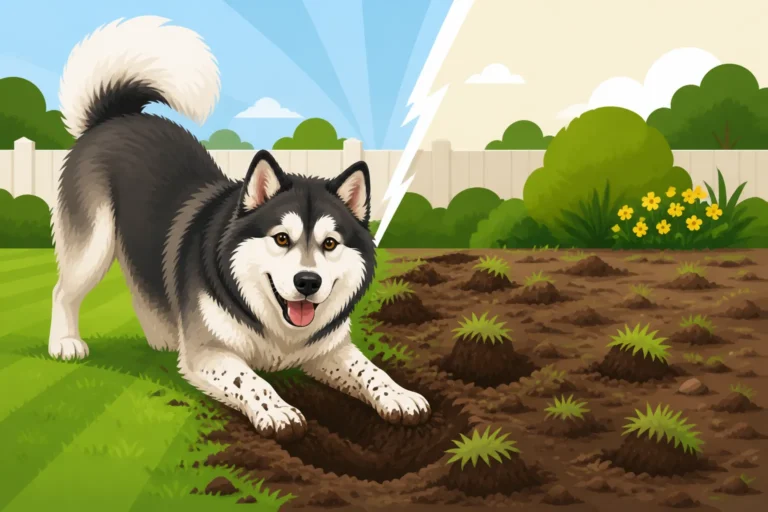
A truly Malamute-proof yard often involves a fence that is at least six feet high, with a digging barrier extending deep into the ground or along the fence line. Some owners even opt for "coyote rollers" on top of fences or completely enclosed kennel runs with secure tops. Remember, if there's a weak spot, your Malamute will find it. Fencing a Yard Against a Malamute That Was Bred to Dig is an investment, but it's an investment in your peace of mind and your dog's safety. Double gates are also a smart idea, creating a small antechamber to prevent opportunistic escapes when someone enters or exits the yard.
When you want to give your Malamute a bit more freedom than a standard 6-foot leash allows, especially in an open, safe area like a private field or a very large, empty park (where local laws permit and you have a clear view), a long line can be a fantastic tool. These are typically 15 to 50 feet long, giving your dog the sensation of more freedom while still allowing you to maintain control. Always attach a long line to a well-fitting harness, not a collar, to prevent neck injuries if they hit the end of the line at speed. You can find robust, durable long lines that stand up to Malamute power on platforms like Amazon, making it easy to enjoy safe, extended sniffing walks. Just be sure to practice handling the line to avoid tangles and rope burns.
Engaging Activities: Harnessing Their Drives Productively
Since their innate drives cannot be suppressed, the key is to redirect them into acceptable and enjoyable outlets. This is where understanding their breed history truly pays off.
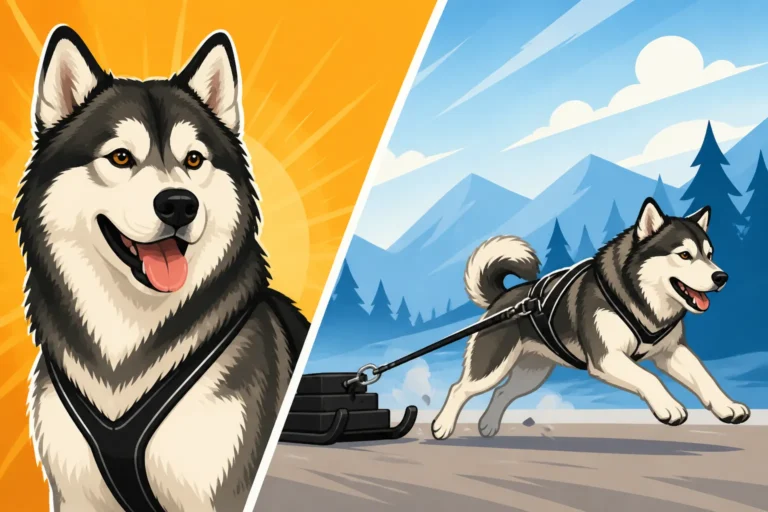
Pulling Activities: This is perhaps the most natural and satisfying activity for a Malamute. They were literally bred for it! Whether it's recreational sledding, skijoring (where your dog pulls you on skis), bikejoring (pulling you on a bike), canicross (pulling you while you run), or simply weight pulling with a specialized harness, these activities tap directly into their genetic programming. Pulling Is the Only Job an Alaskan Malamute Really Wants – and it’s a fantastic way to burn off energy and provide mental stimulation. Start slow, get proper equipment, and consider joining a local dog sports club for guidance.
Hiking and Structured Walks: Leashed hikes on varied terrain can be incredibly stimulating. The different scents, sights, and sounds, combined with the physical exertion of navigating trails, provide a wonderful workout for both mind and body. While they're on leash, you're in control, but they still get to "explore" the world with their keen senses. Backpacking is another excellent option; a Malamute can carry a surprising amount of weight in a dog backpack, giving them a job and adding to their workout.
Mental Enrichment and Training: Don't underestimate the power of mental work. Puzzle toys, scent work games (like nose work classes), and consistent, positive reinforcement training can challenge their intelligence and build your bond. Even though their recall might never be perfect off-leash, working on other commands, tricks, and problem-solving exercises can provide immense satisfaction. Online training programs, such as BAXTER & Bella, offer resources that can help you find creative ways to engage your Malamute's mind and strengthen their responsiveness in controlled environments, making your on-leash adventures even more enjoyable. These platforms often provide a structured curriculum and community support, which can be invaluable for navigating the nuances of Malamute behavior.
Essential Tools for Responsible Malamute Management
Responsible Malamute ownership means investing in the right gear, not just as a convenience, but as a critical component of safety and control. These tools are your first line of defense against their powerful instincts.
Harnesses, Collars, and Leashes
Choosing the right equipment is paramount. Forget retractable leashes entirely – they offer no real control with a strong, driven dog and can cause serious injury to both dog and handler. Instead, opt for strong, fixed-length leashes (6-8 feet is usually ideal for walks) made from durable materials like nylon or biothane.
For collars, a flat buckle collar with your dog's ID tags is essential for identification, but for control, a harness is usually preferred. Many Malamute owners find success with front-clip harnesses, which discourage pulling by redirecting the dog's momentum back towards you. Another popular and highly recommended method for ultimate security is double clipping. This involves using two attachment points: one leash clipped to a sturdy harness and a second leash or safety clip connecting the harness to a flat collar. This way, if one piece of equipment fails or your Malamute manages to slip out of one, you still have a backup. Always ensure any harness or collar is properly fitted – a loose harness is an invitation for an escape.
Here's a quick comparison of popular Malamute restraint tools:
| Tool Type | Pros | Cons | Best Use |
|---|---|---|---|
| Flat Collar | Holds ID tags, generally comfortable for everyday wear | Minimal control for strong pullers, can cause neck strain | Identification, light restraint in secure areas, backup for harness |
| Front-Clip Harness | Reduces pulling, better control, distributes pressure evenly | Can tangle legs if not properly fitted, not ideal for heavy pulling work | Daily walks, training to reduce pulling |
| Back-Clip Harness | Comfortable for dog, good for dogs who don't pull | Can encourage pulling, less control over strong dogs | Dogs with good leash manners, casual walks, backup for double clipping |
| Martingale Collar | Prevents slipping off, gentle tightening action | Not for constant pulling, can still cause discomfort if misused | Escape artists, dogs with smaller heads, training situations |
| Long Line | Allows extended "freedom" in safe areas, good for recall practice | Requires careful handling, can get tangled, not for crowded areas | Large, secure fields; recall practice; scent work |
| Fixed-Length Leash | Essential control, durable, reliable | Limits range, requires active handling | Everyday walks, public areas, training |
The Indispensable GPS Tracker
Given their powerful wanderlust and prey drive, a GPS tracker is not a luxury item for a Malamute owner; it's practically a necessity. Even with the most secure fencing and diligent leash handling, accidents happen. A gate might be left ajar, a leash could snap, or they might slip out of a harness unexpectedly. In those terrifying moments, a GPS tracker can be the difference between a swift, safe recovery and a heartbreaking, prolonged search.
These devices attach to your dog's collar and allow you to track their location in real-time via a smartphone app. Many also offer features like virtual fences, activity monitoring, and even light/sound functions to help you locate them in the dark. While you should never rely on a GPS tracker as an excuse to be less vigilant, it provides an invaluable layer of security and peace of mind for those "what if" moments. Knowing that you have a tool that can pinpoint your Malamute's location, even if they've followed a scent trail miles away, is profoundly reassuring. As we discussed, Why a GPS Collar Is Essential for a Malamute is often proven in the most stressful of situations. It’s an investment that pays for itself countless times over if it prevents a single escape that could lead to tragedy.
Disclaimer
This article is for general informational purposes only and does not constitute professional advice. Laws, prices and regulations vary by location and change over time. Consult a qualified professional for guidance on your specific situation.