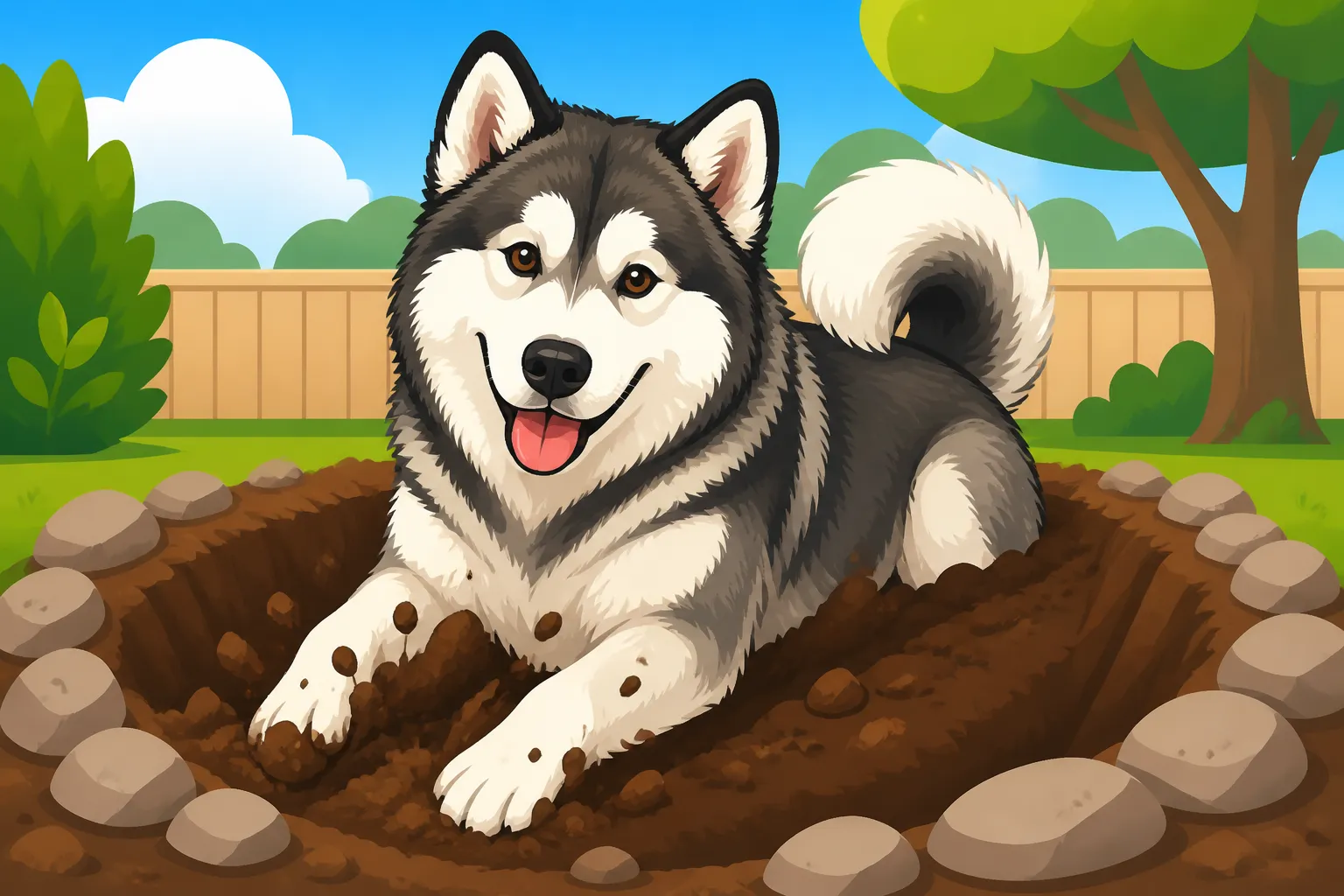
Giving an Alaskan Malamute Its Own Digging Pit
The frustration of looking out at your beautiful yard, only to find it riddled with craters, tunnels, and what looks like an archaeological dig site, is all too real for Alaskan Malamute owners. These magnificent dogs are notorious for their digging prowess, often turning meticulously landscaped gardens into lunar landscapes. This guide is here to help you channel that powerful, innate instinct into a designated, acceptable outlet: their very own digging pit. It’s about understanding their needs, providing a constructive solution, and saving your sanity (and your lawn!).
The Root of the Matter: Why Malamutes Dig, Dig, Dig
Let's be honest, trying to stop a Malamute from digging is like trying to stop the tide. It's not just a bad habit; it's a fundamental part of who they are. If you've ever found yourself yelling "No!" at a Malamute with dirt on its nose, only for it to look at you with wide-eyed innocence before resuming its excavation, you know the struggle.
A Deep-Seated Ancestral Trait
Alaskan Malamutes were bred for hard work in harsh environments, and digging was an essential survival skill. Their ancestors, working with the Mahlemut people in the Arctic, relied on this instinct for a multitude of reasons. They'd dig dens to shelter from brutal winds and snow, creating insulated pockets of warmth to survive freezing temperatures. This wasn't just about comfort; it was about life or death. Imagine a Malamute's ancient relative, needing to carve out a spot in a snowdrift to sleep safely through a blizzard – that's the power of this instinct. So, when your Malamute starts to tunnel under your prize-winning rose bushes, it's not being malicious; it's simply following millions of years of genetic programming. This is why understanding Why an Alaskan Malamute Digs is so crucial to managing the behavior.
Furthermore, these resourceful dogs would also dig to cache food. They’d bury excess meat or supplies, protecting them from scavengers and preserving them in the frozen ground. This behavior still pops up in our modern Malamutes, who might "bury" their favorite bone in your couch cushions or, more often, deep in your flowerbed. It's a primal instinct that is incredibly difficult, if not impossible, to eradicate entirely. It's not a sign of poor training; it's a testament to their enduring breed characteristics.
More Than Just Boredom or Mischief
While digging is deeply ingrained, modern Malamutes also dig for other, more immediate reasons that, when addressed, can reduce the intensity of their digging elsewhere. Often, digging is a form of self-entertainment, especially for a clever and energetic breed like the Malamute. If a Malamute isn't getting enough physical exercise or mental stimulation, that excess energy has to go somewhere. A bored Malamute can turn your backyard into its personal playground, and digging is a highly satisfying, instinctual activity. They get to use their powerful paws, their strong necks, and their keen noses. If you're wondering Why a Bored Malamute Digs, this is a big part of it.
Additionally, digging can be a way for Malamutes to regulate their body temperature. In warmer climates or during hot summer days, digging a cool hollow in the earth provides a welcome respite from the heat. They'll excavate down to the cooler subsoil and flop down, enjoying the natural air conditioning. It's another adaptive behavior that serves a practical purpose for them. Recognizing these motivations is the first step toward creating a solution that works with your Malamute's nature, rather than fighting against it.
When the Yard Becomes a Minefield: The Impact of Uncontrolled Digging
While we understand why they do it, the reality of living with a digging Malamute can be incredibly frustrating. The sheer strength and determination of an Alaskan Malamute means they can transform a yard with astonishing speed, often leading to significant problems for both the homeowner and the dog itself.
Property Damage and Landscape Woes
Let's be real, a Malamute can ruin a yard faster than you can say "fetch." Those deep, cavernous holes aren't just unsightly; they can destroy irrigation lines, uproot expensive plants, and damage delicate landscaping features. I've heard countless stories of owners who’ve spent thousands on their garden, only to have it re-sculpted by their furry architect in a matter of weeks. It’s not just the aesthetics; it's the cost of repairs and the sheer effort of trying to fill in what feels like an endless series of craters. When you consider What a Malamute Does to a Yard, it can feel like a losing battle. They'll excavate under fences, around patios, and directly into the middle of your perfectly manicured lawn, leaving behind mountains of displaced soil and a trail of muddy paw prints.
Beyond the visible damage, the constant digging can also destabilize structures. Patios can shift, fence posts can loosen, and even the foundations of sheds or outbuildings can be undermined if a determined Malamute decides to explore beneath them. This isn't just about losing a few flowers; it can lead to costly structural repairs that far outweigh the initial "harmless" digging. It’s a frustrating cycle that makes many owners feel like they’re constantly playing catch-up, forever repairing rather than enjoying their outdoor space.
Escape Artists and Safety Concerns
Perhaps the most alarming consequence of uncontrolled digging is the potential for escape. Malamutes are incredibly intelligent and persistent, and a fence is often seen less as a barrier and more as a challenge. They will test every weak point, and for many, that means digging underneath. A Malamute that decides it wants to explore beyond the yard can do so remarkably quickly, especially if the fence line isn't adequately secured. This raises immediate safety concerns, not just for the dog, who could run into traffic or get lost, but also for others. Why an Alaskan Malamute Will Never Have a Reliable Recall means that once they're out, getting them back can be incredibly difficult and dangerous.
Once loose, a Malamute’s strong prey drive can lead to trouble. They might chase wildlife, or worse, livestock or neighborhood pets, leading to serious legal and financial repercussions for the owner. There’s also the risk of injury to your Malamute from other animals, cars, or even humans who might react poorly to a large, loose dog. This is why securing your perimeter is paramount, often involving techniques like burying chicken wire or concrete footings, as discussed in How Deep a Malamute Fence Must Be Buried. The stress of worrying about escapes and the potential for tragic accidents weighs heavily on many Malamute owners, making a designated digging spot an appealing alternative.
Owner Frustration and Relationship Strain
The constant battle against digging can take a toll on the relationship between a Malamute and its owner. It’s easy to feel angry or frustrated when your efforts to create a nice home and yard are undone daily. This frustration can lead to negative interactions, which can strain the bond you share with your dog. You might find yourself dreading letting them out into the yard, or constantly supervising them, which diminishes the joy of dog ownership. This stress isn’t fair to either of you.
Repeated scolding or punishment for an instinctual behavior is rarely effective and can erode trust. Malamutes are sensitive, intelligent dogs, and they thrive on positive reinforcement and clear boundaries. If they're constantly being punished for something they feel compelled to do, they can become confused, anxious, or even sneakier about their digging. A digging pit offers a release valve, a way to say "yes" to an instinct while redirecting it to an appropriate place. It transforms a source of conflict into an opportunity for positive engagement, improving overall harmony in the household.
Crafting the Perfect Prowl Pit: Designing Your Malamute's Digging Zone
So, you've decided to embrace the digging and give your Malamute its very own designated excavation zone. This isn't just about tossing some dirt in a corner; a well-designed digging pit is an intentional space that encourages positive behavior and withstands the might of a Malamute. Think of it as their personal construction site!
Choosing the Right Location and Size
The first step is selecting the ideal spot in your yard. You'll want an area that's out of the way of main walkways or heavily trafficked areas, but still accessible for you to supervise and for your Malamute to easily get to. Consider drainage – you don't want it turning into a swamp after every rain shower. A slightly elevated spot, or one with good natural runoff, is often best. Avoid placing it too close to fence lines or valuable plants, just in case your Malamute gets a little too enthusiastic and the pit isn't quite deep enough for their aspirations. If you're building near a fence, you'll still want to reinforce that boundary, perhaps by extending the pit's base with concrete to prevent tunneling out of the yard, not just in the pit.
As for size, go big or go home, especially with a Malamute! These aren't dainty diggers. A good starting point would be at least 4×4 feet, but 5×5 feet or even larger is even better if you have the space. The depth should be at least 1-2 feet, allowing them to really get down into it. Remember, they're not just scratching the surface; they want to make a substantial hole. A smaller, shallower pit might not satisfy their urge and could lead them back to your flowerbeds. Think about your Malamute's size and how much room it needs to really stretch out and get serious about its digging. A good rule of thumb is to imagine your Malamute completely submerged in the pit; if they can't be, it's likely too small.
Materials for Construction and Comfort
Once you've chosen your spot and size, it's time to build. A sturdy border is crucial to define the space and keep the digging contained. Treated lumber, concrete blocks, or even large landscape timbers work wonderfully. You want something robust enough to withstand digging, leaning, and general Malamute shenanigans. You can excavate the area first, line it with heavy-duty landscaping fabric (to prevent weeds from growing up through your chosen fill, but be aware a Malamute can dig through this if determined enough), and then build your frame. Some owners even sink a layer of chicken wire or hardware cloth at the very bottom of the pit, well beneath the fill material, to prevent deep tunneling or escapes if the pit is near a fence, though this isn't strictly necessary if it's placed centrally and the primary goal is redirection.
Now, for the fun part: what to fill it with? The best material for a digging pit is usually a mix that’s easy to dig but doesn't create too much dust or mud. Here are a few popular options:
| Material | Pros | Cons |
|---|---|---|
| Play Sand | Easy to dig, soft on paws, easy to clean up when wet, doesn't get muddy. | Can track into the house easily, may need frequent topping up, can dry out and get dusty. |
| Loamy Soil | Natural feel, holds shape well, great for burying treats. | Can be very muddy when wet, can stain fur and track dirt, may compact over time. |
| Wood Chips | Drains well, aesthetically pleasing, less tracking than sand/soil. | Can splinter (avoid cedar/treated wood), some dogs might chew/eat them, can harbor insects. |
| Sand/Soil Mix | Best of both worlds, good drainage, satisfying to dig. | Still can get muddy, may require more effort to source and mix properly. |
Many owners opt for a fine play sand, available at most home improvement stores or even through large retailers like Amazon. It's clean, easy for them to manipulate, and relatively low-mess when dry. Just be prepared for sandy paws. For Malamutes that love to "mine" for treasures, a good quality topsoil or garden soil can also be very appealing. The key is to avoid anything that could splinter, be toxic if ingested, or get excessively messy.
Making it an Irresistible Destination
Once the pit is built and filled, you need to make it the most exciting place in the yard. This isn't a "build it and they will come" scenario; you need to market it to your Malamute! The easiest way to do this is to "seed" it with high-value treasures. Start by burying some of their absolute favorite chew toys, sturdy bully sticks, or a handful of their kibble or high-value treats just beneath the surface of the sand or soil. Make it easy for them to discover the rewards at first.
You can also use a "bait" object, like a favorite Kong toy stuffed with peanut butter or a rawhide bone (if they tolerate them safely), partially sticking out of the ground to entice them. The idea is to make the act of digging in the pit incredibly rewarding. Over time, you can bury the items deeper, encouraging more extensive excavation within the designated area. Remember, you want this pit to be their primary digging outlet, so it needs to be consistently more appealing than your flowerbeds. This strategic allure is key to success.
Guiding Their Instincts: Training Your Malamute to Love Their Pit
Building the pit is just the beginning. The real magic happens when you teach your Malamute to channel their natural digging instincts exclusively into this new, fantastic space. This requires patience, consistency, and a whole lot of positive reinforcement.
Introducing the Pit and Burying Treasures
When you first introduce your Malamute to the digging pit, make it a fun, exciting event. Walk them over to it on a leash, let them sniff around, and then actively show them how to use it. This might sound silly, but mimicking digging motions with your hands or a small shovel can pique their interest. As soon as their nose or a paw goes into the pit, offer enthusiastic praise and a treat. The goal is to create a positive association from the very first moment.
The "burying treasures" method is incredibly effective. Start with high-value treats or toys. While your Malamute is watching, or after you've distracted them briefly, bury a treat just barely under the surface. Encourage them to "find it" or "dig it up." As they get the idea, gradually bury the treats deeper. Repeat this process multiple times a day for the first few days. Consistency is key here. Every time they are in the yard, spend a few minutes actively engaging them with the digging pit. You want them to associate the pit with exciting discoveries and positive attention from you. Companies like BAXTER & Bella offer online resources that can help guide you through these early training steps, often emphasizing positive reinforcement techniques that work well for intelligent breeds like Malamutes.
Consistency and Positive Reinforcement
This is where many owners give up, but don't! Malamutes learn through repetition and by understanding what earns them good things. Every time your Malamute digs in the pit, even if it's just a small scratch, lavish them with praise ("Good dig!"), happy tones, and perhaps a small, high-value treat. Make it a celebration! The more positive reinforcement they receive for digging in the right spot, the more likely they are to choose that spot over your prize-winning petunias.
Conversely, when you catch them digging outside the pit, the key is redirection, not punishment. A sharp "Uh-oh!" or "No dig!" followed immediately by redirecting them to the pit is far more effective than scolding or harsh corrections. Physically lead them to the digging pit, re-engage them with a buried treat, and then praise them when they start to dig there. If they continue to dig in undesirable spots, simply block access to those areas or supervise them more closely. Never punish them for digging, as this can make them sneakier or fearful; instead, teach them where to dig. Patience and consistency are your best friends in this endeavor. For guidance on general training principles that apply to this breed, you might find useful tips in The First Year With an Alaskan Malamute Puppy even if your dog is older, as the principles of positive reinforcement remain the same.
Redirecting Undesirable Digging
Despite your best efforts with the digging pit, your Malamute might still occasionally try their luck in forbidden zones. This is normal! They are, after all, Malamutes. When this happens, the most effective strategy is immediate, calm redirection. Avoid getting angry, as that will likely just confuse or scare them. Instead, interrupt the unwanted digging with a cheerful voice or a quick clap, then immediately lead them to their designated digging pit. As soon as they engage with the pit, reward them.
You can also make the undesirable digging spots less appealing. If there's a particular flowerbed they love to target, try placing large rocks, chicken wire just under the surface, or even scent deterrents (like citrus peels or coffee grounds – natural and non-toxic) in those areas. Some owners find success with motion-activated sprinklers in highly tempting spots, which can deter a dog without direct punishment. The goal is to make the "wrong" places less rewarding and the "right" place (the pit) highly rewarding. Remember, this is a long-term project. There will be setbacks, but with consistent redirection and abundant positive reinforcement, your Malamute will eventually understand and embrace their personal digging paradise. If you're struggling, consulting with a professional trainer who understands the breed's specific traits, as discussed in Whether a Malamute Owner Needs a Professional Trainer, might be beneficial.
Keeping the Pit Pristine: Maintenance and Management
A digging pit isn't a "set it and forget it" solution. To keep it appealing and safe for your Malamute, regular maintenance and thoughtful management are essential. Think of it like a sandbox for a human child – it needs occasional refreshing to remain hygienic and fun.
Regular Cleaning and Refreshing the Contents
Over time, the contents of your digging pit will get scattered, mixed with leaves and debris, and potentially become a giant outdoor litter box if your Malamute decides to use it for other purposes (though this is less common with sand or clean soil pits). Plan for regular cleaning. This might involve raking out leaves, picking up any stray sticks or foreign objects, and scooping out any waste. Depending on how frequently your Malamute uses it and what materials you've chosen, you might need to completely refresh the sand or soil every few months or once a year.
If you used sand, rain can compact it, making it harder to dig. Give it a good raking or fluffing every now and then to keep it loose and inviting. If you used soil, it might compact or become depleted over time. Adding fresh topsoil periodically can keep it rich and appealing for digging. Keep an eye out for any signs of mold or mildew, especially if it’s in a shady, damp spot, and address these promptly to ensure a healthy play environment for your Malamute.
Seasonal Adjustments and Drainage
The weather will inevitably impact your digging pit. In rainy seasons, proper drainage is paramount. If your pit turns into a muddy swamp every time it rains, your Malamute might be less inclined to use it, or worse, track mud all through your house. Ensure the base allows for water to drain away, perhaps by having a slight slope or even a layer of gravel beneath the sand/soil. In drier, hotter months, the sand might become excessively dry and dusty. A light misting with water can make it more appealing to dig in and help keep dust down.
Consider also how seasonal changes might affect your Malamute's reason for digging. In summer, they might dig to find a cool spot. Ensure the pit provides this relief by having deep, cool sand or soil. In winter, if your Malamute is digging to create shelter (though less likely in a designated pit), ensure the pit is still accessible and not completely frozen solid. Adapting the pit to the seasons ensures it remains a functional and attractive option for your Malamute year-round. After all, a Malamute loves nothing more than being active outside, regardless of the weather, as highlighted in Winter Is When an Alaskan Malamute Comes Alive.
Supervising and Enriching Pit Time
While the digging pit provides an independent outlet, supervision is still a good idea, especially in the early stages. This allows you to reinforce good behavior and redirect any lapses. Don't just open the door and let them have at it; sometimes, a bit of engagement from you makes the pit even more appealing. Periodically re-burying novel toys or treats will keep the pit interesting and prevent it from becoming boring. Think of it as an ongoing treasure hunt.
You can also use the digging pit as part of a larger enrichment routine. For instance, after a vigorous walk (which is crucial for these high-energy dogs, as detailed in How Much Exercise an Alaskan Malamute Needs), you could offer them some "pit time" with a newly buried bone as a cool-down activity. This makes the pit not just a place for destructive digging, but a part of their daily routine for mental and physical stimulation. By actively managing and enriching the digging pit experience, you maximize its effectiveness and ensure your Malamute remains happily engaged with their designated digging zone.
A Holistic Approach: Complementing the Dig Pit with Other Strategies
While a digging pit is an excellent solution, it's most effective when integrated into a broader strategy for managing your Malamute's behavior. A digging pit addresses one specific outlet, but the underlying needs that drive digging must also be met.
Adequate Exercise and Mental Stimulation
Remember, often a bored Malamute is a destructive Malamute. These are working dogs, bred for endurance and intelligence. They need significant physical exercise every single day to be content companions. A quick walk around the block simply won't cut it. They need opportunities to run, pull, and explore. Engaging in activities like canicross, bikejoring, or even structured leash walks where they get to sniff and investigate extensively, can burn off excess energy. Without it, they'll invent their own "jobs," and those often involve digging up your yard.
Beyond physical exercise, mental stimulation is equally vital. Malamutes are smart, and their minds need to be engaged. Puzzle toys, obedience training, scent work, or even just learning new tricks can provide the mental workout they crave. Consider incorporating obedience training games during your walks or using interactive feeders that make them "work" for their meals, readily available from online retailers like Amazon. A mentally stimulated Malamute is less likely to feel the compulsive need to dig as a form of self-entertainment, because their brains are tired out in a good way. Providing What an Alaskan Malamute Needs Every Day in terms of both physical and mental enrichment is a non-negotiable part of responsible Malamute ownership.
Environmental Enrichment and Alternative Chew Options
Think about what else in their environment might be contributing to their digging. Is there a particularly enticing smell in a certain spot? Do they have other appropriate outlets for their oral fixations? Providing a variety of safe, durable chew toys is crucial for Malamutes, as they are often heavy chewers. If they don't have suitable items to chew on, they might turn to your furniture or, indeed, the earth, to satisfy that oral need. Invest in high-quality, long-lasting chews.
Beyond chews, a rich and varied environment can reduce the urge to dig. Consider rotating toys, providing different textures and scents, and even hiding treats around the yard (but not in forbidden digging spots!) for them to find. For Malamutes that love to cool off, a kiddie pool filled with a few inches of water (especially on hot days) can be a fantastic alternative to digging a cool hollow. The more positive, breed-appropriate outlets you can provide for their energy and instincts, the less they'll feel compelled to fulfill those needs in destructive ways.
Understanding the Limitations of a Digging Pit
It's important to have realistic expectations. A digging pit is a tool for managing behavior, not a magic wand that will instantly eliminate all digging everywhere else. Your Malamute is still a Malamute, and the instinct to dig is incredibly powerful. There might still be an occasional exploratory dig outside the pit, especially if they catch an interesting scent or are particularly excited. The goal is to significantly reduce unwanted digging and provide a safe, acceptable outlet, not necessarily to eradicate it entirely.
A digging pit also won't solve underlying issues like separation anxiety, extreme boredom, or lack of exercise. If your Malamute is digging out of distress or chronic under-stimulation, these core issues need to be addressed comprehensively. The digging pit works best as part of a holistic approach that includes ample exercise, mental enrichment, consistent positive training, and a secure environment, such as proper Fencing a Yard Against a Malamute That Was Bred to Dig. By understanding both the benefits and limitations of a digging pit, you can integrate it effectively into your Malamute's routine and foster a happier, more harmonious relationship with your beloved furry companion.
Disclaimer
This article is for general informational purposes only and does not constitute professional advice. Laws, prices and regulations vary by location and change over time. Consult a qualified professional for guidance on your specific situation.