Why Harsh Handling Backfires on a Malamute
Many Alaskan Malamute owners find themselves at a crossroads: they've tried traditional, firm handling methods, only to discover their magnificent dog pushes back harder, shuts down, or even becomes more problematic. It's a frustrating, heartbreaking cycle where well-meaning owners feel they're losing control, but the truth is, a Malamute's unique spirit simply doesn't respond to harshness. This guide will delve deep into why force-based training is detrimental for this breed and how a positive, partnership-focused approach can transform your relationship and your Malamute's behavior.
Understanding the Malamute Psyche
To understand why harsh handling backfires, we first need to understand the Malamute itself. These aren't your typical obedience-ring contenders who live to please. They are ancient working dogs, bred for specific, demanding tasks in partnership with humans, not subservience. Their genetic blueprint dictates a strong sense of self and an innate drive for purpose.
The Independent Spirit
Imagine a Malamute in its original role, hauling heavy sleds across vast, frozen landscapes with a team of other powerful dogs. The human driver was a guide, a partner, not a dictator. These dogs had to make critical decisions on their own – assessing ice conditions, navigating blizzards, even knowing when to refuse to cross thin ice, potentially saving lives. This isn't a breed that evolved to blindly follow every command; they were bred to think. When you try to force a Malamute into compliance through intimidation or physical corrections, you're directly contradicting millennia of selective breeding for independent thought and problem-solving. They don't see it as "you're the boss," but rather "you're being illogical, unfair, or even threatening." This often leads to them digging in their heels, refusing to cooperate, or finding ways to work around your demands rather than with them.
A History of Partnership, Not Dominance
The relationship between the Mahlemut people and their Malamutes was one of mutual respect and partnership. These dogs were integral to survival, not just tools. There wasn't a concept of "dominance" in the way some outdated dog training philosophies portray it. Instead, cooperation was key. When a Malamute feels threatened or bullied, it undermines this fundamental partnership instinct. They don't learn; they react. They might become fearful, or conversely, they might challenge back, especially if they are feeling confident in themselves. You'll often see them respond with a defiant glare, a slow turn of the head, or even a complete disregard for your presence, as if you're not worth listening to. They might simply walk away, leaving you feeling frustrated and helpless. This isn't a dog being "stubborn" in a malicious sense, but rather a dog refusing to engage with what it perceives as an unfair or unproductive interaction.
High Intelligence, Low Tolerance for Repetition
Malamutes are incredibly intelligent, but their intelligence often manifests in ways that confound owners used to more biddable breeds. They learn quickly, sometimes too quickly. Once they understand a command, repetitive drilling often feels pointless and boring to them. They'll often give you a perfect "sit" or "down" a few times, then look at you as if to say, "Alright, I got it. What's next?" If you insist on endless repetition using force or sharp corrections, you're effectively telling an intelligent problem-solver that training is a tedious, unpleasant chore. They might start to dislike the training environment, become resentful, or simply "tune out" the human who is making unreasonable demands. Their brains are wired for challenges, for variety, for engaging tasks that require thought and effort, like scent work or pulling. Endless "sit, stay, sit, stay" with a heavy hand will only build a wall, not a bridge.
The Detrimental Effects of Force-Based Training
When we ignore the Malamute's unique nature and resort to harsh methods, the consequences can be far-reaching and deeply damaging to both the dog and the owner-dog relationship.
Erosion of Trust and Bond
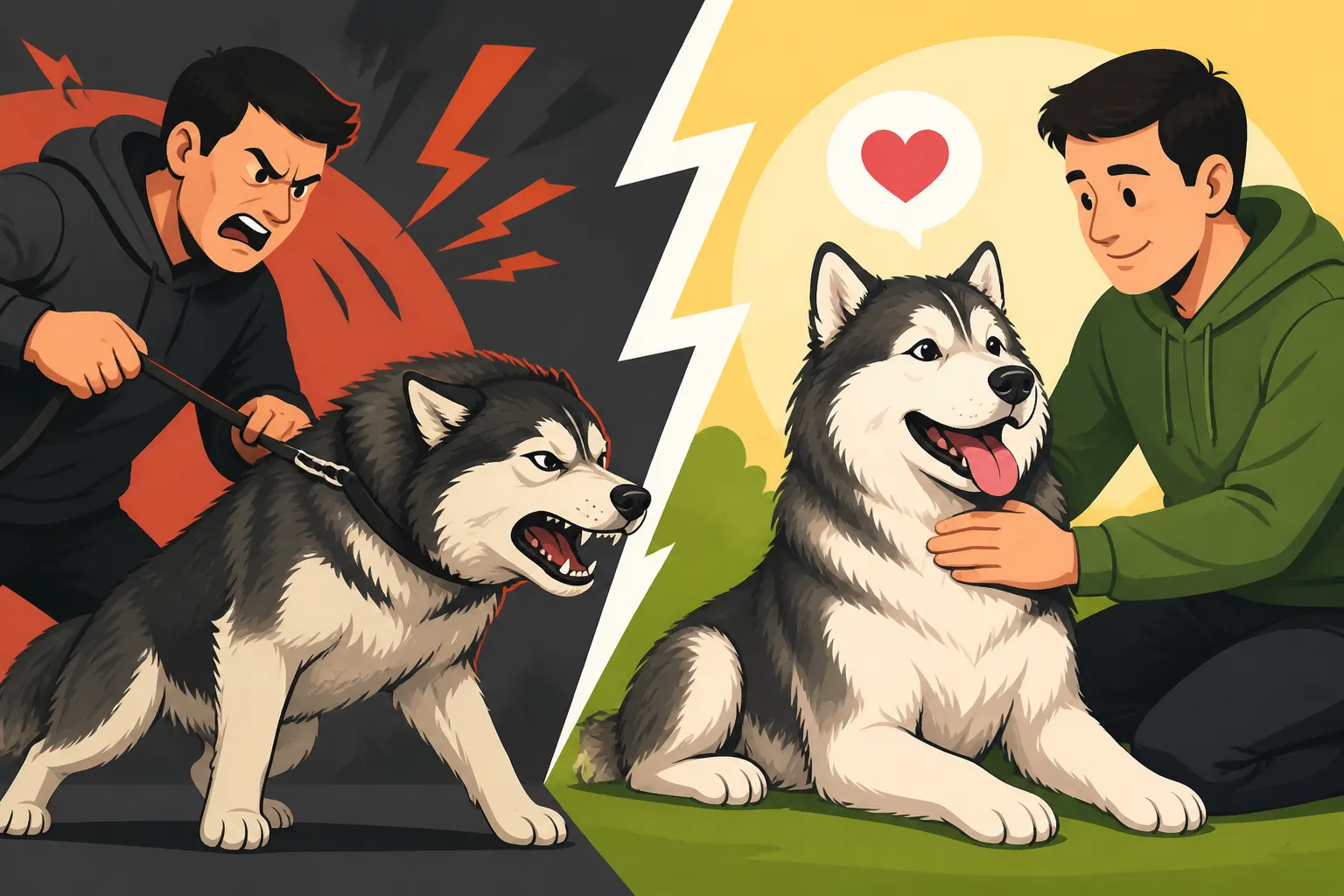
Imagine someone constantly yelling at you, jerking you around, or using physical intimidation every time you make a mistake or don't comply instantly. How would you feel about that person? Your Malamute feels the same. Force-based training, whether it's leash corrections, verbal reprimands, "alpha rolls," or physical punishments, erodes the trust that is so vital to a strong bond. A Malamute needs to feel safe and understood by its human partner. If every interaction carries the potential for discomfort or fear, they learn to associate you with negative feelings. They might become wary, avoid eye contact, or even physically withdraw from you. This isn't just about training; it affects every aspect of your relationship, from cuddles on the couch to walks in the park. Without trust, cooperation becomes impossible, and you lose the chance to be the benevolent leader your Malamute truly needs. Why Force Fails on an Alaskan Malamute is a concept deeply rooted in this loss of trust.
Escalation of Fear and Aggression
A common and dangerous outcome of harsh handling is the escalation of fear and, subsequently, aggression. When a dog is consistently subjected to painful or frightening corrections, its natural instinct is to try and escape the perceived threat. If escape isn't an option, the dog might resort to defensive aggression. This isn't a Malamute being "dominant" or "bad"; it's a dog trying to protect itself from what it perceives as an attack. A sharp leash correction for pulling might teach a Malamute that approaching another dog is painful, leading to leash reactivity that manifests as barking and lunging. A physical reprimand for growling might teach the Malamute not to give a warning, leading to a bite out of the blue. You've suppressed the warning signs, not addressed the underlying fear. This is a terrifying path for any dog owner, especially with a powerful breed like the Malamute, and it often leads to dogs being relinquished to shelters because their owners can no longer safely manage them.
Shutting Down and Learned Helplessness
Another heartbreaking consequence of force-based training is when a Malamute simply "shuts down." This is often mistaken for compliance, but it's far from it. A dog that has been repeatedly punished for trying to offer behaviors, or for failing to understand what is being demanded, may eventually stop trying altogether. They might become withdrawn, listless, or unresponsive. This is a state called "learned helplessness," where the dog has learned that nothing it does matters, and it has no control over its own fate. They might lie down and remain still, even when clearly uncomfortable, or move through the world with a vacant expression. This is a severe blow to a Malamute's naturally robust and joyful spirit. They've essentially given up, and rehabilitating a dog from this state requires immense patience, understanding, and consistent positive reinforcement to rebuild their confidence and willingness to engage.
Why Positive Reinforcement is the Only Way Forward
For a breed as intelligent, independent, and sensitive as the Alaskan Malamute, positive reinforcement isn't just an option—it's the only effective and ethical path to successful training and a fulfilling relationship.
Building a Stronger Relationship
Positive reinforcement training centers around rewarding desired behaviors. Instead of punishing what you don't want, you focus on teaching and rewarding what you do want. When your Malamute performs a "sit" and gets a high-value treat, or offers a polite greeting and receives praise and a game of tug, they learn that engaging with you in positive ways leads to good things. This builds a robust and joyful relationship based on trust, mutual respect, and clear communication. Your Malamute starts to see you as the source of all good things—treats, toys, adventures, and affection. They become eager to participate, to learn, and to work alongside you, not out of fear, but out of genuine desire and connection. This approach fosters a bond that can withstand the challenges of The Adolescent Malamute That Rewrites the Rules at Fourteen Months or even when tackling issues like Why an Alaskan Malamute Ignores a Cue It Knows.
Encouraging Cooperation and Engagement
Malamutes thrive on cooperation. They want to be part of the team, and positive reinforcement taps into this instinct beautifully. When they understand that cooperating with you leads to rewards, they become active participants in their own learning. Instead of resisting, they start offering behaviors, trying to figure out what you want from them. This encourages mental engagement and problem-solving, which Malamutes adore. It turns training into a fun game, a puzzle to solve together, rather than a forced compliance exercise. You'll see their eyes light up, their tails wag, and their "woo-woos" express their excitement to participate. This kind of engagement is what truly motivates a Malamute, making them a willing partner in all your adventures.
Tapping into Natural Drives
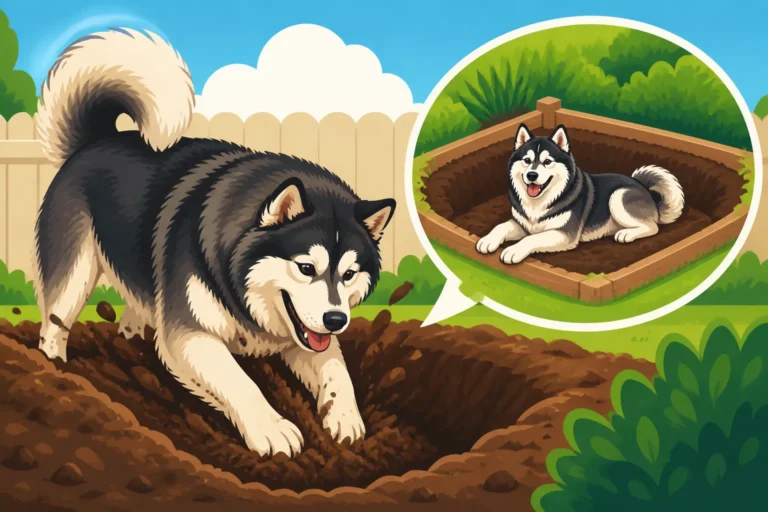
One of the greatest strengths of positive reinforcement is its ability to harness a Malamute's natural drives rather than trying to suppress them. These dogs have an innate desire to pull, to explore, to use their incredible sense of smell, and to engage in physical activity. Positive reinforcement allows you to channel these drives into productive and acceptable outlets. For example, if your Malamute loves to pull, don't fight it with harsh leash corrections. Instead, teach them to pull appropriately in a harness for activities like The Alaskan Malamute in Skijoring or weight pulling. If they love to dig, create a designated digging pit and reward them for using it. If they have a strong prey drive, use high-value treats and engage them in scent work or controlled chase games with a flirt pole instead of punishing their natural instincts. This way, you satisfy their intrinsic needs while guiding them toward behaviors that work within your household. What an Alaskan Malamute Will Work For isn't about submission, it's about channeling their innate joy in working.
Common Misconceptions and What to Do Instead
Many owners turn to harsh methods because of widespread misconceptions about dog behavior and training. Let's debunk some of these and offer more effective alternatives.
The "Alpha" Myth and Its Dangers
The idea that you must be your dog's "alpha" or "pack leader" through dominance is an outdated and scientifically disproven concept. Dogs, particularly Malamutes, do not live in wolf-like packs where a single "alpha" rules through intimidation. They live in social groups with fluid hierarchies and complex communication. Trying to "alpha roll" your Malamute, force them into submission, or eat before them to assert dominance does nothing but confuse, frighten, and potentially harm your dog.
Instead, focus on being a benevolent leader who provides clear guidance, meets their needs, and earns their respect through consistent, positive interactions. Your Malamute will thrive with clear boundaries, predictable routines, and positive reinforcement for appropriate behavior. This means managing their environment, teaching them what you want them to do, and always being fair and consistent. You don't need to dominate a Malamute; you need to partner with them. Telling a Stubborn Malamute From an Independent One often comes down to understanding that their independence is not a challenge to your authority, but a characteristic to be worked with.
Addressing Stubbornness with Patience
Malamutes are often labeled "stubborn," but this can be a misunderstanding of their independent nature or a sign that your training methods aren't resonating with them. If your Malamute isn't responding, it's rarely out of malicious intent. It's more likely they don't understand what you're asking, aren't motivated enough by the reward, or simply don't see the point in performing the action again.
Instead of getting frustrated and resorting to force, ask yourself:
- Is my cue clear? Am I consistent with my hand signals and verbal commands?
- Is my reward high value enough? For a Malamute, a piece of plain kibble might not cut it. Think cooked chicken, cheese, or a favorite squeaky toy. Many high-value treats can be found on Amazon.
- Am I making it fun? Short, engaging sessions with lots of praise and variety are far more effective than long, repetitive drills.
- Have I broken the task down enough? Sometimes, a "stubborn" Malamute just needs smaller, clearer steps to learn a new behavior.
Patience is truly a virtue with this breed. Acknowledge their intelligence and independence, and adjust your approach. You'll be amazed at how cooperative they can be when treated as thinking individuals. Ignoring a cue it knows (Whether an Alaskan Malamute Ignores a Cue It Knows) often points to a lack of motivation or clarity, not defiance.
When to Seek Professional Guidance
Sometimes, despite your best efforts, you might encounter behavioral challenges that feel overwhelming. This is where professional help becomes invaluable. However, it's crucial to seek out the right kind of professional. Avoid trainers who advocate for dominance theory, use choke chains, prong collars, e-collars as primary training tools, or recommend any form of physical punishment.
Instead, look for certified professional dog trainers who specialize in positive reinforcement and force-free methods. They understand dog behavior, learning theory, and the nuances of working with independent breeds like Malamutes. They can help you:
- Identify the root cause of problem behaviors (e.g., Why an Alaskan Malamute Digs, Why a Malamute's Recall Cannot Be Trusted).
- Develop a customized training plan that fits your Malamute's personality and your lifestyle.
- Teach you effective communication skills to build a stronger bond.
- Address specific issues like leash reactivity, resource guarding, or inter-dog aggression using humane and effective techniques.
Organizations like the Certification Council for Professional Dog Trainers (CCPDT) or the Association of Professional Dog Trainers (APDT) can help you find qualified professionals in your area. Online platforms like BAXTER & Bella also offer comprehensive positive reinforcement training programs and support that can be a fantastic resource for Malamute owners.
Practical Strategies for Effective Malamute Training
Now that we understand why force-free training is paramount, let's explore some practical strategies you can implement to ensure success with your Alaskan Malamute.
Consistency and Clear Communication
Consistency is arguably the most important ingredient in training any dog, but especially a Malamute. These intelligent dogs are always observing and learning, whether you realize it or not. If rules are inconsistent – sometimes they can jump on guests, sometimes they can't – it's incredibly confusing and sets them up for failure. Establish clear, simple house rules and ensure everyone in the household adheres to them without exception. This provides your Malamute with a predictable environment where they understand what's expected of them.
Equally important is clear communication. Use consistent verbal cues and hand signals for each command. For instance, always say "Sit" with the same tone and use the same hand gesture. Avoid confusing your Malamute with long sentences or multiple commands at once. Keep it concise, consistent, and always follow through with the appropriate reward for success. If you're struggling with getting consistent responses, sometimes simplifying your cues and increasing the value of the reward can make a huge difference.
Managing the Environment for Success
Much of effective Malamute training isn't about "fixing" the dog, but about intelligently managing their environment. Malamutes are incredibly resourceful and will often find ways to entertain themselves, which might not align with your preferences (think digging up the garden or counter-surfing for snacks!). Instead of constantly correcting them after the fact, prevent opportunities for unwanted behavior from the start.
This means:
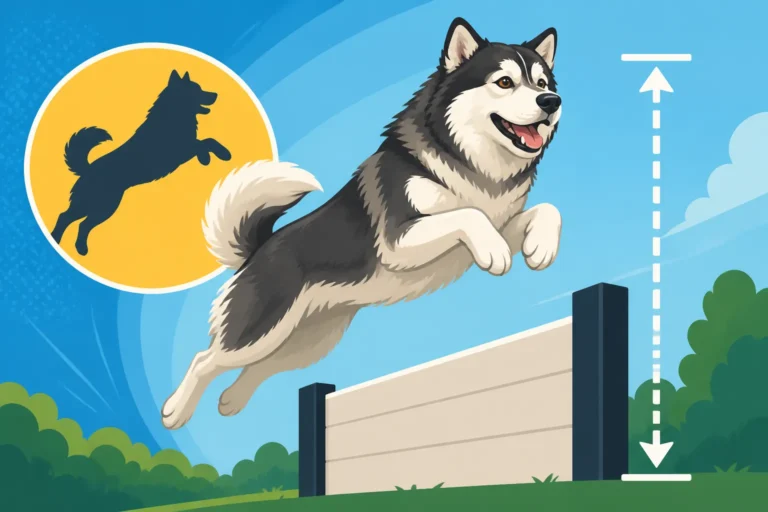
- Secure Fencing: A Malamute's escape artistry is legendary. Ensure your yard has a fence that is tall enough, and consider burying wire or concrete footings to prevent digging underneath. An Invisible Fence Is Wasted Money on a Malamute – they will ignore the shock if something more interesting is on the other side.
- "Malamute-Proofing" Your Home: Put away anything you don't want chewed. Secure trash cans. Keep food off counters. If you know your Malamute loves to chew on furniture, provide an abundance of appropriate chew toys. A heavy-duty, escape-proof crate can be an invaluable tool for supervision when you can't actively watch them.
- Controlled Introductions: Don't throw your Malamute into chaotic situations, like a crowded dog park, especially if they have Same Sex Aggression in a Pack Bred Alaskan Malamute or high prey drive. Control their interactions with other dogs and small animals to ensure positive experiences.
- Structured Exercise: A tired Malamute is a well-behaved Malamute. Ensure they get enough physical and mental exercise every day. This doesn't just mean a quick walk around the block; it means activities that engage their body and mind, such as pulling a cart, long hikes, or challenging scent games. Remember How Much Exercise an Alaskan Malamute Needs.
By proactively managing their environment, you reduce the likelihood of them practicing unwanted behaviors, making training much easier and less frustrating for both of you.
Utilizing Enrichment and Mental Stimulation
Malamutes are highly intelligent and require significant mental stimulation to prevent boredom, which is a common trigger for destructive behaviors, digging, and general mischief. Simply providing physical exercise isn't enough; their brains need a workout too!
Here are some ideas for mental enrichment:
- Puzzle Toys: Stuff Kongs or other puzzle toys with kibble, peanut butter, or yogurt and freeze them for a long-lasting challenge. Many excellent options are available on Amazon.
- Scent Work: Hide treats around the house or yard and encourage your Malamute to use their powerful nose to find them. This taps into their natural hunting instincts in a safe, controlled way.
- Training Games: Keep training sessions short, fun, and varied. Teach new tricks, practice advanced obedience, or work on canine sports like Whether an Alaskan Malamute Can Compete in Obedience or even agility, if approached positively.
- Interactive Play: Engage in games like fetch, tug, or hide-and-seek. These games not only provide physical exercise but also strengthen your bond and stimulate their minds.
- "Jobs": Give your Malamute a sense of purpose. This could be carrying a backpack on walks (once they are fully grown and healthy), pulling a sled in winter, or even helping you carry groceries from the car. Even simple tasks can make a Malamute feel valued and engaged. Pulling Is the Only Job an Alaskan Malamute Really Wants – but it's not the only job they can do.
A Malamute whose mind is engaged and whose natural instincts are appropriately channeled is a happy, well-behaved Malamute, far less likely to resort to undesirable behaviors out of boredom or frustration.
Comparison of Training Approaches
| Feature | Force-Based Training | Positive Reinforcement Training |
|---|---|---|
| Foundation | Dominance theory, aversion to unwanted behavior | Building trust, rewarding desired behavior |
| Primary Tools | Choke chains, prong collars, e-collars, physical/verbal corrections | Treats, praise, toys, clickers, environmental management |
| Malamute's Reaction | Fear, avoidance, aggression, learned helplessness, resentment | Engagement, cooperation, eagerness to learn, strong bond |
| Learning Outcome | Suppression of behavior, may mask underlying issues | Clear understanding, lasting behavior change, problem-solving |
| Relationship Impact | Erosion of trust, potential for fear-based aggression | Strong, joyful partnership built on mutual respect |
| Long-Term Efficacy | Often creates new problems, inconsistent results | Highly effective, adaptable, sustainable |
Disclaimer
This article is for general informational purposes only and does not constitute professional advice. Laws, prices and regulations vary by location and change over time. Consult a qualified professional for guidance on your specific situation.