How Much a Malamute Should Carry on a Hike
It's incredibly natural to want to involve your Alaskan Malamute in all your adventures, especially when you're heading out for a hike. They're big, powerful dogs, and it feels intuitive to have them carry some of the load, perhaps their own water or some snacks. But knowing exactly how much is truly safe for them to carry on their back, without risking injury or discomfort, is a common concern for many Malamute owners. This guide will help you understand the appropriate weight limits and considerations for your Malamute when they join you on the trails with a pack.
Understanding Your Malamute's Natural Carrying Prowess Versus Pack Carrying
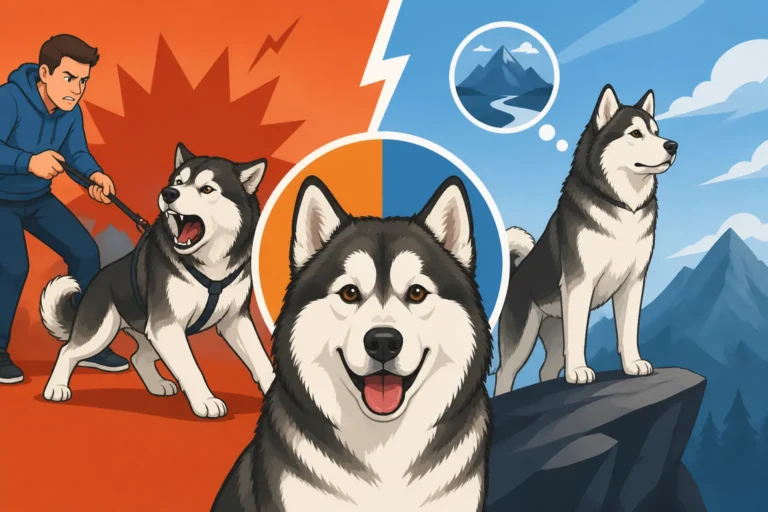
Alaskan Malamutes are absolute powerhouses, built by generations of working alongside the Mahlemut people in the Arctic. Their history is steeped in freighting—hauling heavy sleds and supplies over vast, often challenging, distances. When we talk about a Malamute's strength, this is typically where their true capability shines. They excel at pulling weight, where the load is distributed across their chest and shoulders via a specialized harness, allowing them to lean into the work and use their powerful legs and core. This distinction between pulling and carrying on their back is absolutely critical when considering a backpack.
The Difference Between Pulling and Backpacking
Think about it this way: when a Malamute pulls a sled, the force is directed forward, engaging their entire body in a way that aligns with their natural biomechanics. Their skeletal structure and musculature are designed for this specific type of exertion. It's a job they were bred for, and they do it magnificently. You might find more detailed information on this aspect in discussions like Freight, Not Speed: What Separates a Malamute From a Racing Dog. However, asking them to carry a heavy pack on their back is a different proposition entirely. The weight sits directly on their spine, placing pressure on their vertebrae, shoulders, and hips. While they are strong, this kind of load distribution isn't what they were primarily engineered for over centuries. It's not to say they cannot do it, but rather that we need to be far more cautious and mindful about the quantity of weight and how it's distributed to prevent strain or injury.
What Their Build Tells Us About Carrying Capacity
Despite their immense strength, a Malamute's robust build doesn't automatically grant them unlimited backpack carrying capacity. Their dense bone structure and powerful muscles are undeniable assets, providing the foundation for their endurance and strength. However, these same traits mean they are also prone to certain musculoskeletal issues, such as hip and elbow dysplasia, which can be exacerbated by excessive weight bearing on their joints. The goal is always to enhance their enjoyment and participation in activities without compromising their long-term health. A Malamute can carry a small pack, but it's vital to respect their anatomy and not overtax their frame, particularly when navigating uneven terrain or climbing inclines on a hike. The pride they take in having a "job" on the trail is wonderful, but their well-being must always come first.
Key Factors Influencing Your Malamute's Safe Pack Weight
Determining exactly how much weight your individual Malamute can safely carry on a hike isn't a one-size-fits-all answer. It's not just about their breed; it's deeply personal to them. Several crucial factors play into this, and ignoring any one of them could lead to discomfort, injury, or simply a miserable time on the trail for your furry companion.
Age and Development: When to Start and When to Scale Back
The age of your Malamute is paramount. A young Malamute, typically under 18-24 months, is still growing. Their growth plates are not fully closed and ossified, meaning their bones are more vulnerable to damage from excessive weight and high-impact activities. Loading them with a heavy pack too soon can lead to permanent joint problems, impacting their health and mobility for their entire life. It’s a bit like asking a human teenager to carry heavy construction materials before their bones are fully mature. It’s just not safe. For puppies and young dogs, an empty pack worn for short periods is a fantastic way to introduce them to the concept, but actual weight should be minimal, if any, until they are fully developed. You might also want to look at The Age a Malamute Can Start Pulling for related development considerations.
On the other end of the spectrum, our beloved senior Malamutes also need extra consideration. As dogs age, they can develop arthritis, muscle loss, and general stiffness. Even if they were once champion packers, their bodies simply aren't as resilient. Carrying even a small amount of weight might become uncomfortable or painful. It's essential to observe them closely and be willing to lighten their load or forego the pack entirely. Taking care of an older Malamute involves adjusting expectations and focusing on comfort. More on this can be found in Caring for an Old Alaskan Malamute.
Health, Conditioning, and Climate Considerations
Your Malamute's overall health and physical condition are probably the most significant determinants of how much they can carry. A lean, well-muscled Malamute that is regularly exercised and kept in peak physical form will naturally have a greater capacity than an overweight, sedentary dog. If your Malamute has any pre-existing health conditions, such as Hip Dysplasia in an Alaskan Malamute, elbow dysplasia, heart issues, or back problems, their ability to carry weight will be severely compromised, and it might be best to avoid a pack altogether. Always consult with your veterinarian if you have any doubts about your dog's fitness for carrying a pack. They can assess your individual dog's health and provide tailored advice.
Beyond their internal state, the external environment plays a huge role. Alaskan Malamutes are built for cold climates. Their thick double coats, while magnificent in winter, make them highly susceptible to overheating in warm or hot weather. Carrying a pack, even a light one, adds insulation and extra exertion, further increasing their body temperature. This makes them much more prone to dangerous conditions like heatstroke. On a warm day, even if your dog is otherwise fit, their carrying capacity should be drastically reduced, or the pack should be left at home. Summer Is the Season That Kills Alaskan Malamutes highlights the very real dangers of heat. It's a brutal reality that many Malamute owners have to contend with, and adding a pack simply compounds the risk.
The "Rule of Thumb" for Pack Weight
While individual factors are key, a general guideline often suggested for healthy, adult dogs that are well-conditioned is no more than 10-12% of their body weight. For exceptionally fit, working Malamutes that are fully mature and have been gradually conditioned over time, some sources might suggest up to 15%, but this is pushing the upper limit and should be approached with extreme caution and professional guidance. It's almost always safer to err on the side of less weight.
Let's put that into perspective for an average Alaskan Malamute:
| Malamute Weight (lbs) | Recommended Max Pack Weight (10%) | Absolute Upper Limit (12%) | Example of Items at Max Weight |
|---|---|---|---|
| 70 lbs | 7 lbs | 8.4 lbs | Water (approx. 1 gallon), collapsible bowl, small first aid kit |
| 80 lbs | 8 lbs | 9.6 lbs | Water, emergency dog food, small human snacks |
| 90 lbs | 9 lbs | 10.8 lbs | Water, dog treats, poop bags, leash, compact jacket |
| 100 lbs | 10 lbs | 12 lbs | Water, food, basic first aid, small toy, light leash |
Remember, this table provides maximums. For most recreational hikes, keeping the weight well below these figures is advisable. A Malamute would much rather enjoy the hike unburdened than struggle with a heavy load.
Practical Guidance for Packing Your Malamute for a Hike
Once you've assessed your Malamute's readiness and determined a safe weight range, the next step is to choose the right gear and approach the packing process thoughtfully. It's not just about how much they carry, but how they carry it.
Choosing the Right Pack and Achieving Proper Fit
Selecting a good quality dog pack is paramount. Look for packs specifically designed for larger breeds that offer excellent weight distribution, multiple adjustment points, and comfortable padding to prevent chafing. Features like breathable mesh, sturdy D-rings for leash attachment, and reflective accents for visibility are also beneficial. Brands available on Amazon or at specialty outdoor retailers often offer a range of suitable options. The pack should fit snugly but not restrict movement, especially around the shoulders and chest. It should sit comfortably over their back, just behind the withers, and shouldn't slide or shift excessively as they move. A pack that is too loose will chafe and swing, potentially throwing off their balance. One that is too tight will restrict breathing and movement. Always try the pack on empty first, making all necessary adjustments, before introducing any weight.
What to Pack and How to Distribute Weight
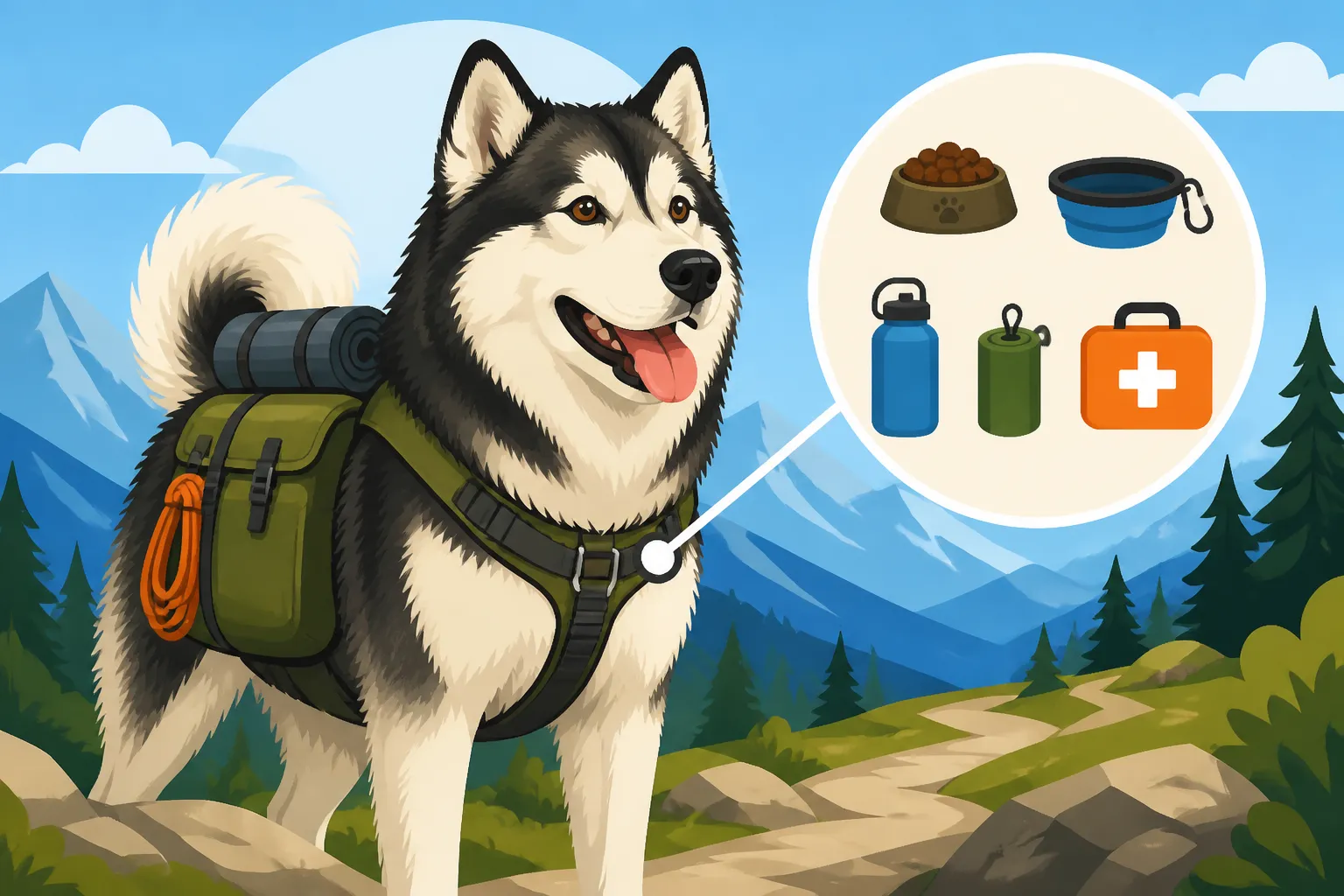
When deciding what goes into your Malamute's pack, prioritize essentials. Water for both of you is usually a primary item, along with a collapsible bowl. Other good candidates include:
- Emergency dog food or high-value treats
- A small dog first-aid kit
- Waste bags
- A spare leash or long line
- Perhaps a small, soft dog toy for a break.
The golden rule for packing is even weight distribution. Whatever you put in the pack, ensure that the weight is balanced equally on both sides. An unbalanced pack will pull to one side, causing your Malamute to compensate by shifting their weight, which can lead to muscle strain and discomfort over time. For instance, if you're carrying two water bottles, put one in each side compartment. If you have one heavier item, try to pair it with several lighter items on the opposite side to achieve balance. Placing softer items or clothing against their body can also enhance comfort and reduce rubbing. Remember, the goal is to make them feel productive, not burdened. This is also covered in more depth in Whether a Malamute Can Carry a Backpack.
Training and Acclimatization
You wouldn't run a marathon without training, and your Malamute shouldn't carry a pack without a proper introduction. Start slowly!
- Introduce the Empty Pack: Let your Malamute sniff, explore, and get used to the feel of the pack empty, perhaps for short walks around the house or yard. Reward them with praise and treats.
- Add Minimal Weight: Once they are comfortable with the empty pack, add a very small amount of weight—perhaps just a few treats or a light towel—for short walks.
- Gradual Increase: Over several weeks, gradually increase the weight and duration of their pack-wearing sessions. Observe their gait and demeanor closely.
- Positive Reinforcement: Keep all training sessions positive and upbeat. Use plenty of praise and high-value rewards. Resources like BAXTER & Bella often emphasize positive, gradual introductions to new experiences, which is perfect for pack training. You want your Malamute to associate the pack with fun adventures, not discomfort. If your Malamute seems to ignore your cues or show reluctance, you might benefit from understanding Why an Alaskan Malamute Ignores a Cue It Knows to adjust your training approach.
Recognizing and Responding to Signs of Overexertion
Even with careful planning and proper training, things can go awry on the trail. It's absolutely vital that you, as the owner, are constantly tuned into your Malamute's cues and can recognize the signs that they might be struggling or overexerting themselves. They can't tell you in words, so it's up to us to be their voice.
Subtle and Obvious Indicators of Distress
Your Malamute might not dramatically collapse, especially early on. Often, the signs are more subtle. Watch for them slowing down, lagging behind you more than usual, or showing a reluctance to move forward. They might start to pull on the leash in an attempt to get away from the pack, or constantly look back at it, trying to rub or shake it off. Excessive panting, heavy breathing even when at rest, or a dark red tongue and gums are serious warning signs of overheating, which can be exacerbated by carrying a pack. Signs an Alaskan Malamute Is Overheating is a critical article to review before any warm-weather hike.
Other indicators include a change in their gait—perhaps a slight limp, stiffness, or stumbling. They might appear more focused on the ground, or their head might be lower than usual, indicating fatigue. Any whining, whimpering, or unusual vocalizations that aren't typical for your Malamute are also red flags. Don't dismiss these as mere stubbornness; a Malamute is independent, yes, but often eager to work, so a sudden change in enthusiasm usually means something is genuinely wrong.
Taking Action When Your Malamute Struggles
If you notice any of these signs, the very first thing you need to do is stop immediately and assess the situation.
- Remove the Pack: Take the pack off your Malamute's back. Even if the weight seems minimal to you, it could be too much for them at that moment or on that specific terrain.
- Offer Water and Rest: Find a shaded spot and offer fresh water. Encourage them to drink but don't force it. Let them rest as long as they need to.
- Check for Chafing/Injury: Carefully examine their back, shoulders, and chest where the pack sits for any signs of chafing, redness, or blisters. Check their paw pads too, as they might be sore or injured, making carrying a pack even more difficult.
- Lighten the Load (or Abandon it): If you decide to continue, carry their pack yourself, or at least significantly lighten its contents. Don't put them back in a potentially compromising situation.
- Turn Back if Necessary: Sometimes, the best decision is to cut the hike short and head back to ensure your Malamute's safety and comfort. It's never worth pushing them to their limit for the sake of finishing a hike. Their well-being is always the priority.
Always remember, our Malamutes are our companions, not just tools. They thrive on activity and having a purpose, and carrying a pack can certainly fulfill that for them, but only when done with careful consideration and respect for their incredible, yet finite, capabilities.
Disclaimer
This article is for general informational purposes only and does not constitute professional advice. Laws, prices and regulations vary by location and change over time. Consult a qualified professional for guidance on your specific situation.